Now Reading: Understanding the Nipah Virus Outbreak
-
01
Understanding the Nipah Virus Outbreak
Understanding the Nipah Virus Outbreak
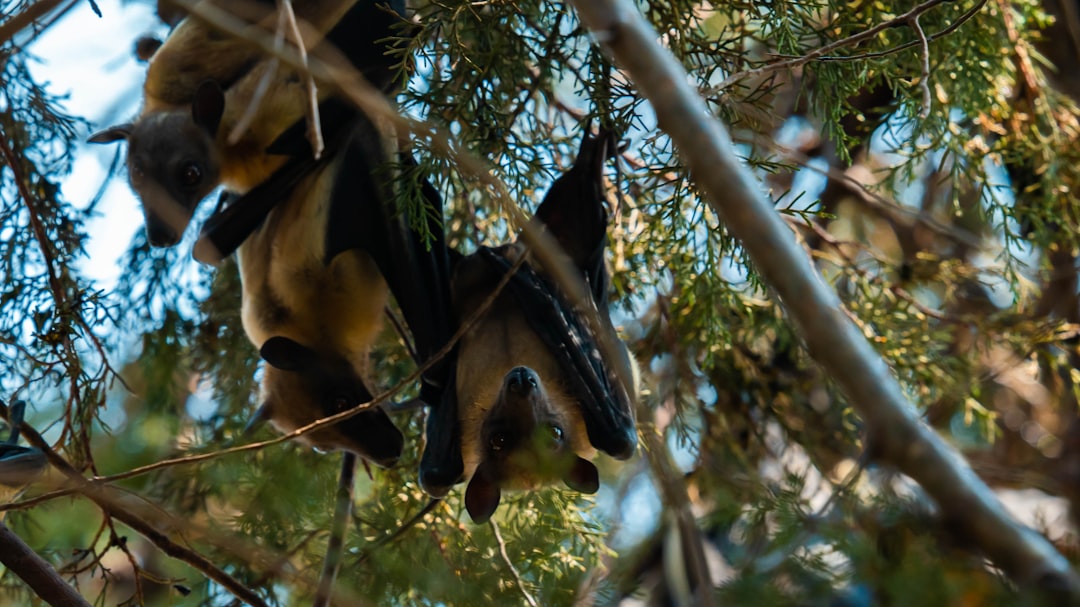
The Nipah virus (NiV) is a zoonotic pathogen belonging to the Paramyxoviridae family, specifically classified under the genus Henipavirus. First identified in 1999 during an outbreak in Malaysia, this virus has since emerged as a significant public health concern due to its high mortality rate and potential for human-to-human transmission. The virus is primarily associated with fruit bats of the Pteropus genus, which serve as the natural reservoir.
Nipah virus infections can lead to severe neurological and respiratory illnesses, making it a critical focus for epidemiologists and healthcare professionals. Nipah virus is characterized by its ability to cause encephalitis, a severe inflammation of the brain, and acute respiratory distress syndrome (ARDS). The case fatality rate can reach up to 75%, depending on the outbreak context and the healthcare infrastructure in place.
The World Health Organization (WHO) has classified Nipah virus as a priority pathogen, emphasizing the need for ongoing surveillance, research, and public health preparedness to mitigate its impact.
Key Takeaways
- Nipah virus is a zoonotic virus that can be transmitted from animals to humans, causing severe illness and death.
- Nipah virus outbreaks have occurred in several countries, including Malaysia, Bangladesh, and India, with bats being the primary reservoir.
- Symptoms of Nipah virus infection include fever, headache, dizziness, and respiratory problems, with transmission occurring through direct contact with infected animals or humans.
- The current Nipah virus outbreak in India has led to several deaths and has raised concerns about its potential to cause a public health crisis.
- Prevention and control measures for Nipah virus include avoiding contact with sick animals, practicing good hand hygiene, and implementing surveillance and response systems to detect and contain outbreaks.
The History of Nipah Virus Outbreaks
The inaugural outbreak of Nipah virus occurred in Malaysia in 1998, primarily affecting pig farmers and their families. The initial cases were linked to close contact with infected pigs, leading to a rapid spread among humans. Approximately 265 cases were reported, resulting in 105 fatalities.
This outbreak prompted significant changes in agricultural practices and biosecurity measures in the region. Subsequent outbreaks have been documented in Bangladesh and India, with notable incidents occurring in 2001, 2004, and 2018. In Bangladesh, the virus has been linked to the consumption of date palm sap contaminated by bat saliva or urine.
The Indian outbreaks have often involved human-to-human transmission within healthcare settings, highlighting the importance of infection control measures. Each outbreak has provided valuable insights into the epidemiology of Nipah virus, underscoring the need for robust surveillance systems and rapid response strategies.
Symptoms and Transmission of Nipah Virus

Nipah virus infection manifests with a range of clinical symptoms that can vary from mild to severe. Initial symptoms typically include fever, headache, myalgia, and vomiting, which may progress to more severe manifestations such as confusion, seizures, and coma. The incubation period ranges from 5 to 14 days, complicating early diagnosis and intervention. Transmission occurs primarily through direct contact with infected bats or their secretions, as well as through consumption of contaminated food products.
Human-to-human transmission has been documented, particularly in healthcare settings where proper infection control practices are not adhered to. The virus can also be transmitted through respiratory droplets or contact with bodily fluids of infected individuals. Understanding these transmission dynamics is crucial for implementing effective public health interventions.
The Current Nipah Virus Outbreak
| Country | Cases | Deaths | Recovery Rate |
|---|---|---|---|
| India | 17 | 12 | 29% |
| Bangladesh | 3 | 0 | 100% |
As of October 2023, several regions have reported sporadic cases of Nipah virus infection, particularly in South Asia. The most recent outbreak was reported in Kerala, India, where health authorities identified multiple cases linked to a single family cluster. Rapid response teams were deployed to conduct contact tracing and implement containment measures to prevent further spread.
The current outbreak highlights the ongoing risk posed by Nipah virus and the need for heightened surveillance in endemic regions. Public health officials are working diligently to monitor potential cases and educate communities about preventive measures. The situation remains fluid, with continuous updates from health authorities as they respond to emerging cases.
The Impact of Nipah Virus on Public Health
The Nipah virus poses a significant threat to public health due to its high mortality rate and potential for outbreaks.
In regions where outbreaks occur, fear and stigma can lead to social disruption and hinder effective public health responses.
Healthcare systems in affected areas often face challenges in managing cases due to limited resources and infrastructure. The need for specialized care for severe cases of encephalitis can strain healthcare facilities, leading to increased morbidity and mortality rates. Furthermore, the potential for human-to-human transmission necessitates rigorous infection control measures to protect healthcare workers and prevent further spread within communities.
Prevention and Control Measures for Nipah Virus

Preventing Nipah virus transmission requires a multifaceted approach that includes public education, surveillance, and community engagement. Key preventive measures include avoiding contact with bats and their secretions, practicing good hygiene when handling food products such as date palm sap, and implementing biosecurity measures in agricultural settings. In healthcare settings, strict adherence to infection control protocols is essential to prevent nosocomial transmission.
This includes the use of personal protective equipment (PPE), proper sterilization of medical equipment, and isolation of suspected cases. Public health campaigns aimed at raising awareness about the risks associated with Nipah virus can empower communities to take proactive measures to protect themselves.
The Role of Healthcare Workers in Nipah Virus Outbreaks
Healthcare workers play a pivotal role in managing Nipah virus outbreaks by providing care for infected individuals while also serving as frontline defenders against further transmission. Their responsibilities include early identification of cases, implementation of infection control measures, and education of patients and their families about the disease. Training healthcare workers on the recognition of symptoms associated with Nipah virus is crucial for timely diagnosis and treatment.
Additionally, ensuring access to appropriate PPE and resources is vital for their safety while caring for patients. Collaboration between healthcare workers and public health officials is essential for effective outbreak response and containment efforts.
Nipah Virus in Animals: Understanding the Reservoir
The primary reservoir for Nipah virus is fruit bats belonging to the Pteropus genus. These bats are known carriers of the virus without exhibiting symptoms themselves, making them a significant source of infection for other animals and humans. Understanding the ecology of these bats is critical for developing strategies to mitigate spillover events into human populations.
Research indicates that environmental factors such as habitat destruction and climate change may influence bat behavior and increase the risk of zoonotic transmission. Monitoring bat populations and their interactions with livestock can provide valuable insights into potential outbreak risks. Conservation efforts aimed at preserving bat habitats may also play a role in reducing the incidence of Nipah virus infections.
Global Response to Nipah Virus Outbreaks
The global response to Nipah virus outbreaks involves collaboration between national governments, international organizations such as WHO, and local health authorities. Surveillance systems are established to monitor potential cases and identify outbreaks early on. Rapid response teams are deployed to affected areas to implement containment measures and provide support to healthcare facilities.
International collaboration is essential for sharing information about outbreaks and best practices for prevention and control. Research initiatives focused on understanding the virus’s transmission dynamics and developing effective treatments are crucial components of the global response strategy. Continued investment in public health infrastructure is necessary to enhance preparedness for future outbreaks.
Research and Development for Nipah Virus Treatment and Vaccine
Currently, there are no specific antiviral treatments approved for Nipah virus infection; however, research efforts are underway to develop effective therapeutic options. Supportive care remains the cornerstone of management for infected individuals, focusing on alleviating symptoms and preventing complications. Vaccine development is a critical area of research aimed at preventing future outbreaks.
Several candidates are being explored, including live-attenuated vaccines and recombinant protein-based vaccines targeting the viral glycoproteins responsible for eliciting immune responses. Clinical trials are essential for evaluating the safety and efficacy of these candidates before they can be made available for public use.
Lessons Learned from Previous Nipah Virus Outbreaks
Previous outbreaks of Nipah virus have provided valuable lessons that inform current public health strategies. Key takeaways include the importance of rapid identification and isolation of cases, effective communication with communities about risks and preventive measures, and the need for robust surveillance systems. Additionally, understanding the ecological factors that contribute to zoonotic spillover events is crucial for preventing future outbreaks.
Engaging communities in surveillance efforts and promoting sustainable agricultural practices can help mitigate risks associated with Nipah virus transmission from animals to humans. In summary, the Nipah virus represents a significant public health challenge due to its high mortality rate and potential for outbreaks. Understanding its history, symptoms, transmission dynamics, and impact on public health is essential for effective prevention and control measures.
Ongoing research into treatment options and vaccines is critical for mitigating future risks associated with this zoonotic pathogen. Collaboration among healthcare workers, public health officials, and communities will be vital in addressing this emerging infectious disease effectively.
The Nipah virus outbreak in India has raised concerns about the potential for a global pandemic. According to a recent article on federal holidays in the United States, the government is taking steps to prevent the spread of the virus and protect public health. This includes implementing travel restrictions and quarantine measures to contain the outbreak. As we honor our nation’s leaders on Presidents’ Day, it is important to recognize the efforts being made to address this public health crisis.
FAQs
What is the Nipah virus?
The Nipah virus is a zoonotic virus, meaning it is transmitted from animals to humans. It was first identified in 1999 during an outbreak in Malaysia and Singapore.
How is the Nipah virus transmitted?
The Nipah virus is primarily transmitted to humans from animals, particularly fruit bats, pigs, and other animals. Human-to-human transmission has also been reported, particularly in healthcare settings.
What are the symptoms of Nipah virus infection?
Symptoms of Nipah virus infection can include fever, headache, drowsiness, disorientation, and respiratory illness. In severe cases, it can lead to encephalitis (inflammation of the brain) and coma.
Is there a treatment for Nipah virus infection?
There is currently no specific treatment for Nipah virus infection. Supportive care, such as intravenous fluids and respiratory support, is often provided to manage symptoms.
How can Nipah virus infection be prevented?
Preventive measures for Nipah virus infection include avoiding contact with sick animals, practicing good hand hygiene, and avoiding consumption of raw date palm sap, which can be contaminated with the virus.
Is there a vaccine for Nipah virus?
There is currently no licensed vaccine for Nipah virus. However, research is ongoing to develop a vaccine for this potentially deadly virus.