Now Reading: Understanding the Circulatory and Cardiovascular Systems
-
01
Understanding the Circulatory and Cardiovascular Systems
Understanding the Circulatory and Cardiovascular Systems

The circulatory and cardiovascular systems are integral components of human physiology, responsible for the transportation of blood, nutrients, oxygen, carbon dioxide, and hormones throughout the body. These systems work in concert to maintain homeostasis, ensuring that tissues receive adequate oxygenation and nourishment while facilitating the removal of metabolic waste products. The cardiovascular system comprises the heart, blood vessels, and blood, forming a complex network that supports life.
Understanding the intricacies of these systems is crucial for recognizing their role in overall health and well-being. The heart, often referred to as the body’s pump, operates continuously to circulate blood through two primary circuits: the pulmonary circuit, which transports deoxygenated blood to the lungs for oxygenation, and the systemic circuit, which delivers oxygen-rich blood to the rest of the body. This article delves into the anatomy, function, common disorders, risk factors, and preventive measures associated with the circulatory and cardiovascular systems.
Key Takeaways
- The circulatory and cardiovascular systems are essential for transporting oxygen, nutrients, and waste products throughout the body.
- The heart and blood vessels make up the anatomy of the cardiovascular system, working together to pump and circulate blood.
- The circulatory system functions to deliver oxygen and nutrients to cells, remove waste products, and regulate body temperature.
- The cardiovascular system plays a crucial role in maintaining blood pressure, circulation, and the delivery of essential nutrients to tissues and organs.
- Common disorders and diseases of the circulatory and cardiovascular systems include hypertension, coronary artery disease, and heart failure.
Anatomy of the Heart and Blood Vessels
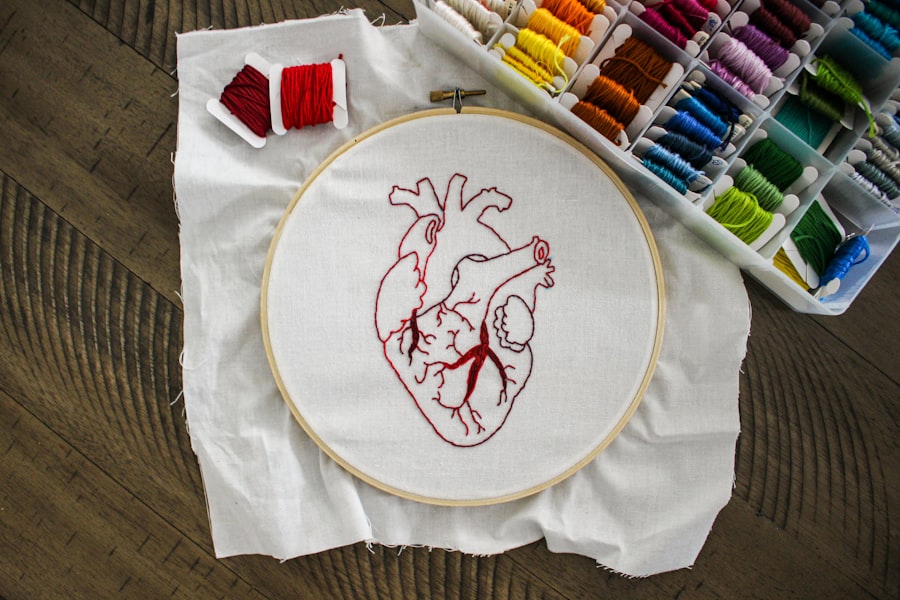
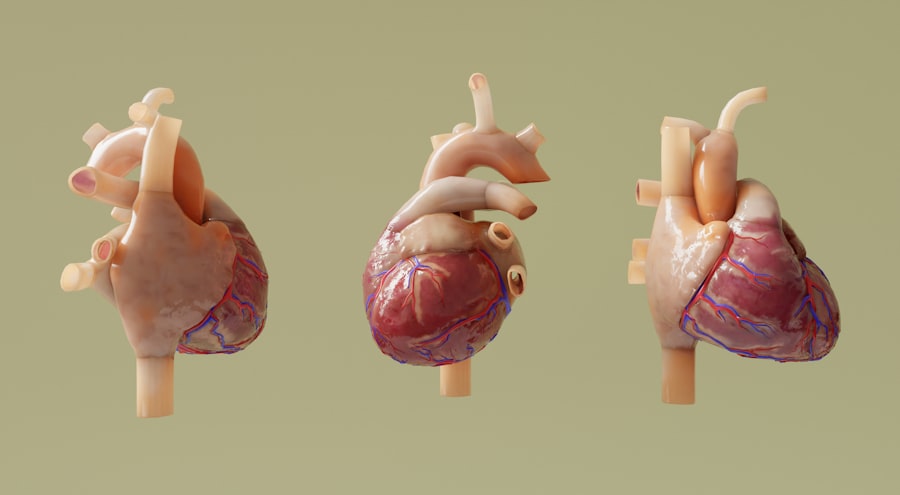
The heart is a muscular organ located in the thoracic cavity, between the lungs and slightly to the left of the midline. It consists of four chambers: the right atrium and right ventricle, which handle deoxygenated blood, and the left atrium and left ventricle, which manage oxygenated blood. The heart’s walls are composed of three layers: the epicardium (outer layer), myocardium (middle layer), and endocardium (inner layer).
The myocardium is particularly significant as it is responsible for the heart’s contractile function. Blood vessels are classified into three main types: arteries, veins, and capillaries. Arteries carry oxygen-rich blood away from the heart under high pressure, while veins return deoxygenated blood back to the heart at lower pressure.
Capillaries serve as the exchange sites between blood and tissues, allowing for nutrient and gas exchange at the cellular level. The vascular system is also supported by a network of valves that prevent backflow and ensure unidirectional blood flow.
Function of the Circulatory System
The primary function of the circulatory system is to facilitate the transport of essential substances throughout the body. Oxygen is absorbed in the lungs and transported via hemoglobin in red blood cells to tissues where it is utilized for cellular respiration. Concurrently, carbon dioxide—a byproduct of metabolism—is collected from tissues and transported back to the lungs for exhalation. In addition to gas exchange, the circulatory system plays a vital role in nutrient distribution. Digested nutrients from food are absorbed into the bloodstream through the gastrointestinal tract and delivered to cells for energy production and growth.
Furthermore, hormones secreted by various glands travel through the bloodstream to target organs, regulating numerous physiological processes such as metabolism, growth, and mood.
Role of the Cardiovascular System in the Body
| Cardiovascular System Component | Function |
|---|---|
| Heart | Pumps blood to deliver oxygen and nutrients to the body’s tissues |
| Blood Vessels | Transport blood throughout the body, carrying oxygen and nutrients to cells and removing waste products |
| Blood | Carries oxygen, nutrients, hormones, and waste products throughout the body |
| Cardiovascular System Role | Regulates blood pressure, maintains body temperature, and supports the immune system |
The cardiovascular system serves multiple critical roles beyond mere transportation.
Additionally, this system is pivotal in immune response; white blood cells and antibodies circulate through the bloodstream to identify and combat pathogens.
Moreover, the cardiovascular system contributes to maintaining acid-base balance within the body. Blood acts as a buffer system that helps regulate pH levels by transporting bicarbonate ions and carbon dioxide. This balance is essential for optimal cellular function and overall metabolic processes.
Common Disorders and Diseases of the Circulatory and Cardiovascular Systems
Cardiovascular diseases (CVD) encompass a range of disorders affecting the heart and blood vessels. Among these, coronary artery disease (CAD) is prevalent, characterized by atherosclerosis—an accumulation of plaque within arterial walls that narrows blood vessels and restricts blood flow. This condition can lead to angina pectoris or myocardial infarction (heart attack).
Hypertension, or high blood pressure, is another common disorder that can lead to severe complications such as stroke or heart failure if left untreated. Other notable conditions include arrhythmias (irregular heartbeats), heart valve disorders, and peripheral artery disease (PAD), which affects blood flow to limbs.
Risk Factors for Cardiovascular Diseases
Non-Modifiable Risk Factors
Age, gender, family history of heart disease, and genetic predisposition are all non-modifiable risk factors that contribute to cardiovascular diseases. Males are generally at a higher risk than females.
Modifiable Risk Factors
On the other hand, modifiable risk factors present opportunities for intervention and prevention. These include smoking, physical inactivity, obesity, poor diet (high in saturated fats and sugars), excessive alcohol consumption, and chronic stress.
Early Detection and Prevention
Diabetes mellitus is also a significant risk factor due to its association with increased inflammation and vascular damage. Regular monitoring of these risk factors can aid in early detection and prevention strategies, ultimately reducing the risk of cardiovascular diseases.
Importance of Exercise and Diet for a Healthy Circulatory System
Engaging in regular physical activity is paramount for maintaining cardiovascular health. Exercise strengthens the heart muscle, improves circulation, lowers blood pressure, and enhances lipid profiles by increasing high-density lipoprotein (HDL) cholesterol while decreasing low-density lipoprotein (LDL) cholesterol levels. The American Heart Association recommends at least 150 minutes of moderate-intensity aerobic exercise per week.
Diet plays an equally crucial role in cardiovascular health. A balanced diet rich in fruits, vegetables, whole grains, lean proteins, and healthy fats can significantly reduce CVD risk. The Mediterranean diet—characterized by high consumption of olive oil, fish, nuts, legumes, and low intake of red meat—has been associated with lower rates of heart disease.
Diagnostic Tests for Evaluating Cardiovascular Health
A variety of diagnostic tests are employed to assess cardiovascular health effectively. Electrocardiograms (ECGs) measure electrical activity in the heart to identify arrhythmias or ischemic changes. Echocardiograms utilize ultrasound technology to visualize heart structure and function.
Stress tests evaluate how well the heart performs under physical exertion; these tests can reveal underlying coronary artery disease. Additionally, blood tests measuring lipid profiles (cholesterol levels) and markers such as C-reactive protein (CRP) can provide insight into inflammation levels associated with cardiovascular risk.
Treatment Options for Cardiovascular Diseases
Treatment options for cardiovascular diseases vary based on specific conditions but generally encompass lifestyle modifications, pharmacotherapy, and surgical interventions. Medications such as statins are commonly prescribed to lower cholesterol levels; antihypertensives help manage high blood pressure; antiplatelet agents like aspirin reduce clot formation. In more severe cases, surgical procedures such as angioplasty (to open narrowed arteries) or coronary artery bypass grafting (CABG) may be necessary to restore adequate blood flow.
Cardiac rehabilitation programs also play a vital role in recovery post-surgery or heart attack by providing structured exercise regimens and education on lifestyle changes.
Lifestyle Changes for Improving Cardiovascular Health
Implementing lifestyle changes can significantly enhance cardiovascular health outcomes. Quitting smoking is one of the most impactful changes an individual can make; cessation reduces risks associated with CVD almost immediately. Incorporating regular physical activity into daily routines fosters better heart health.
Adopting a heart-healthy diet rich in omega-3 fatty acids (found in fish), fiber (from whole grains), antioxidants (from fruits and vegetables), and low in trans fats can mitigate risks associated with CVD. Stress management techniques such as mindfulness meditation or yoga can also contribute positively to cardiovascular health by reducing stress-induced hypertension.
Future Developments in Cardiovascular Medicine
The field of cardiovascular medicine is rapidly evolving with advancements in technology and research. Innovations such as wearable devices that monitor heart rate variability and rhythm provide real-time data for early detection of arrhythmias or other abnormalities.
Additionally, artificial intelligence (AI) is being integrated into diagnostic processes to enhance accuracy in interpreting imaging studies or predicting patient outcomes based on large datasets. As research continues to unveil new insights into cardiovascular health, personalized medicine approaches will likely become more prevalent, tailoring treatments based on individual genetic profiles. In summary, understanding the circulatory and cardiovascular systems is essential for recognizing their critical roles in maintaining overall health.
By addressing risk factors through lifestyle changes and utilizing advanced diagnostic tools and treatment options, individuals can significantly improve their cardiovascular health outcomes while contributing to ongoing advancements in medical science.
If you are interested in learning more about the circulatory and cardiovascular system, you may also want to check out this article on Amazon’s Affiliate Program. This article provides valuable information on how to make money through affiliate marketing, which can help support a healthy lifestyle that promotes heart health. Understanding how to monetize your online presence can also lead to opportunities for investing in tools and resources that support cardiovascular wellness.
FAQs
What is the circulatory system?
The circulatory system, also known as the cardiovascular system, is a network of organs and vessels that is responsible for the transportation of blood, nutrients, oxygen, and hormones throughout the body.
What are the main components of the circulatory system?
The main components of the circulatory system include the heart, blood vessels (arteries, veins, and capillaries), and blood.
What is the function of the circulatory system?
The primary function of the circulatory system is to deliver oxygen and nutrients to the body’s cells and tissues, and to remove waste products such as carbon dioxide.
How does the circulatory system work?
The heart pumps oxygen-rich blood to the body’s tissues through arteries, and then collects oxygen-depleted blood from the tissues and returns it to the heart through veins. The blood is then pumped to the lungs to pick up oxygen and release carbon dioxide.
What are some common circulatory system disorders?
Common circulatory system disorders include hypertension (high blood pressure), coronary artery disease, heart failure, and peripheral artery disease.
How can I keep my circulatory system healthy?
To keep your circulatory system healthy, it is important to maintain a balanced diet, engage in regular physical activity, avoid smoking, and manage stress. Regular check-ups with a healthcare provider are also important for early detection and management of any potential issues.