Now Reading: Understanding the Cardiac Circulatory System
-
01
Understanding the Cardiac Circulatory System
Understanding the Cardiac Circulatory System

The cardiac circulatory system, often referred to as the cardiovascular system, is a complex network that plays a pivotal role in sustaining life. It comprises the heart, blood vessels, and blood, working in concert to transport oxygen, nutrients, hormones, and waste products throughout the body.
Understanding the components and functions of this system is crucial for recognizing its significance in overall health and well-being. The heart serves as the central pump of this system, propelling blood through an extensive network of arteries, veins, and capillaries. The circulatory system can be divided into two primary circuits: the systemic circulation, which delivers oxygenated blood to the body, and the pulmonary circulation, which transports deoxygenated blood to the lungs for oxygenation.
The efficiency of this system is vital; any disruption can lead to serious health complications.
Key Takeaways
- The cardiac circulatory system is responsible for pumping blood throughout the body, delivering oxygen and nutrients to tissues and removing waste products.
- The heart and blood vessels make up the anatomy of the cardiac circulatory system, with the heart acting as the central pump and the blood vessels serving as the delivery routes.
- The primary function of the cardiac circulatory system is to maintain blood flow and pressure to ensure proper oxygen and nutrient delivery to all parts of the body.
- The heart plays a crucial role in circulation by contracting and relaxing to pump blood through the circulatory system, with the help of valves to prevent backflow.
- Blood flows through the circulatory system in a specific pattern, starting from the heart, traveling through arteries, capillaries, and veins, and returning to the heart.
Anatomy of the Heart and Blood Vessels
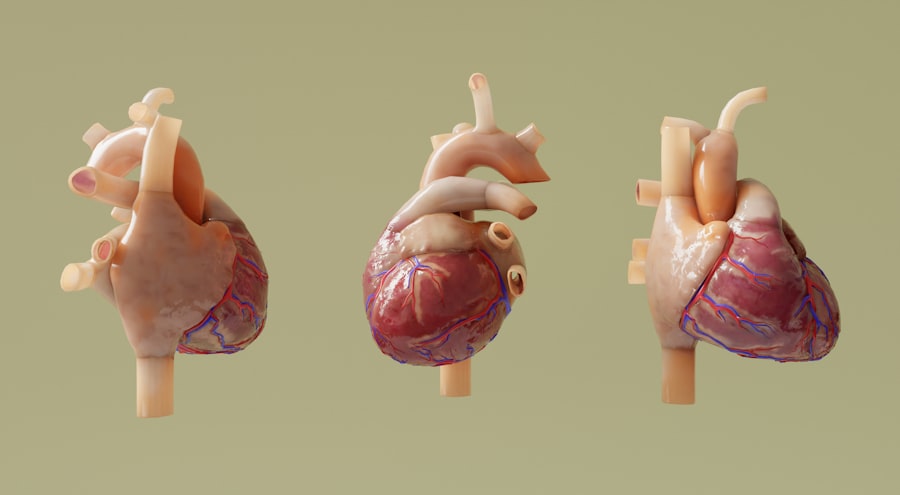
The heart is a muscular organ located in the thoracic cavity, encased within the pericardium. It consists of four chambers: the right atrium and ventricle, and the left atrium and ventricle. The right side of the heart receives deoxygenated blood from the body and pumps it to the lungs via the pulmonary arteries.
Conversely, the left side receives oxygen-rich blood from the lungs and distributes it throughout the body through the aorta. Blood vessels are categorized into three main types: arteries, veins, and capillaries. Arteries are muscular and elastic, designed to withstand high pressure as they carry oxygenated blood away from the heart.
Veins, in contrast, have thinner walls and valves that prevent backflow, returning deoxygenated blood to the heart. Capillaries are microscopic vessels where gas and nutrient exchange occurs between blood and tissues. This intricate architecture ensures efficient circulation and nutrient delivery.
Function of the Cardiac Circulatory System
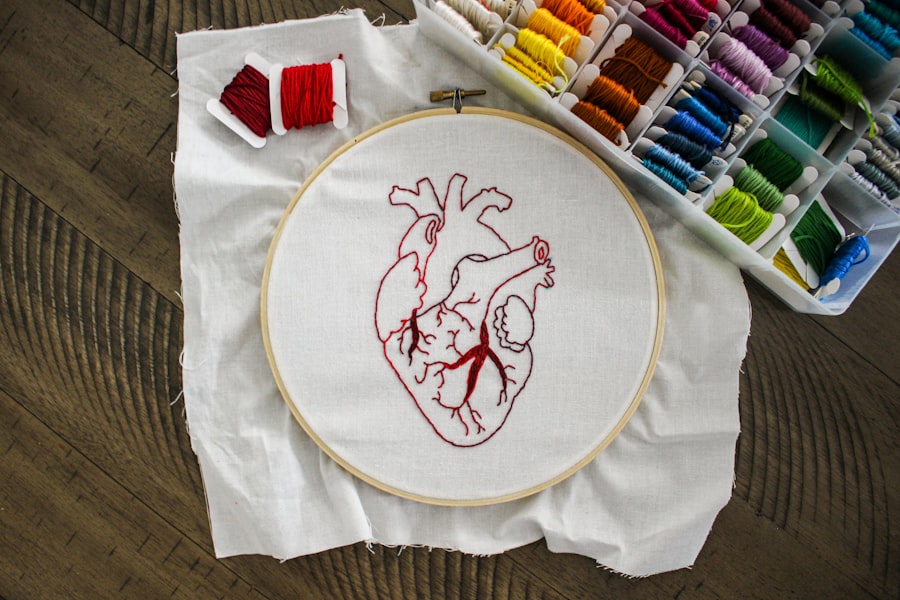
The primary function of the cardiac circulatory system is to facilitate the transport of essential substances throughout the body. Oxygen and nutrients are delivered to cells while carbon dioxide and metabolic waste products are removed. This exchange is critical for cellular respiration and energy production.
Additionally, the circulatory system plays a vital role in thermoregulation by distributing heat generated by metabolic processes. Another significant function is hormone transport. Hormones produced by various glands are released into the bloodstream, allowing for communication between different body systems. The circulatory system also contributes to immune function by transporting white blood cells and antibodies to sites of infection or injury. This multifaceted role underscores the importance of maintaining a healthy cardiovascular system.
Role of the Heart in Circulation
| Aspect | Details |
|---|---|
| Function | Pumps oxygenated blood to the body and deoxygenated blood to the lungs |
| Location | Located in the thoracic cavity, between the lungs |
| Size | About the size of a fist |
| Structure | Consists of four chambers: two atria and two ventricles |
| Role in Circulation | Acts as a pump to maintain blood flow throughout the body |
The heart’s role in circulation cannot be overstated; it acts as a powerful pump that maintains blood flow throughout the body. The cardiac cycle consists of two main phases: systole (contraction) and diastole (relaxation). During systole, the ventricles contract, pushing blood into the pulmonary artery and aorta.
In diastole, the heart relaxes, allowing chambers to fill with blood. The heart’s electrical conduction system orchestrates this cycle through a series of electrical impulses that initiate contractions. The sinoatrial (SA) node, often referred to as the natural pacemaker, generates impulses that spread through the atria, causing them to contract.
The impulses then travel to the atrioventricular (AV) node before being transmitted to the ventricles. This precise timing ensures efficient blood flow and optimal cardiac output.
Blood Flow Through the Circulatory System
Blood flow through the circulatory system follows a specific pathway that ensures efficient oxygenation and nutrient delivery. Deoxygenated blood returns to the right atrium via superior and inferior vena cavae. From there, it flows into the right ventricle, which pumps it through the pulmonary arteries to the lungs for oxygenation.
Once oxygenated, blood returns to the left atrium via pulmonary veins. It then moves into the left ventricle, which contracts forcefully to propel blood into systemic circulation through the aorta. This continuous cycle is vital for maintaining adequate tissue perfusion and ensuring that all cells receive necessary nutrients while removing waste products.
Regulation of Blood Pressure and Circulation
Blood pressure regulation is crucial for maintaining adequate perfusion to vital organs. It is influenced by several factors, including cardiac output, blood volume, and vascular resistance. The autonomic nervous system plays a significant role in this regulation; sympathetic stimulation increases heart rate and contractility, while parasympathetic stimulation decreases them.
Hormonal regulation also contributes significantly to blood pressure control. For instance, hormones such as renin-angiotensin-aldosterone system (RAAS) components can increase blood volume and vascular resistance, leading to elevated blood pressure. Conversely, natriuretic peptides promote vasodilation and diuresis, lowering blood pressure.
Maintaining a delicate balance among these factors is essential for optimal cardiovascular health.
Common Disorders of the Cardiac Circulatory System
Several disorders can affect the cardiac circulatory system, leading to significant health complications. Coronary artery disease (CAD) is one of the most prevalent conditions, characterized by atherosclerosis—the buildup of plaque in coronary arteries that supply blood to the heart muscle. This can result in angina or myocardial infarction (heart attack).
Hypertension is another common disorder that can lead to serious consequences such as stroke or heart failure if left untreated. Arrhythmias—irregular heartbeats—can disrupt normal cardiac function and may require medical intervention. Other conditions include valvular heart disease, where heart valves do not open or close properly, and congestive heart failure (CHF), where the heart cannot pump effectively.
Diagnostic Tests for Evaluating Cardiac Circulation
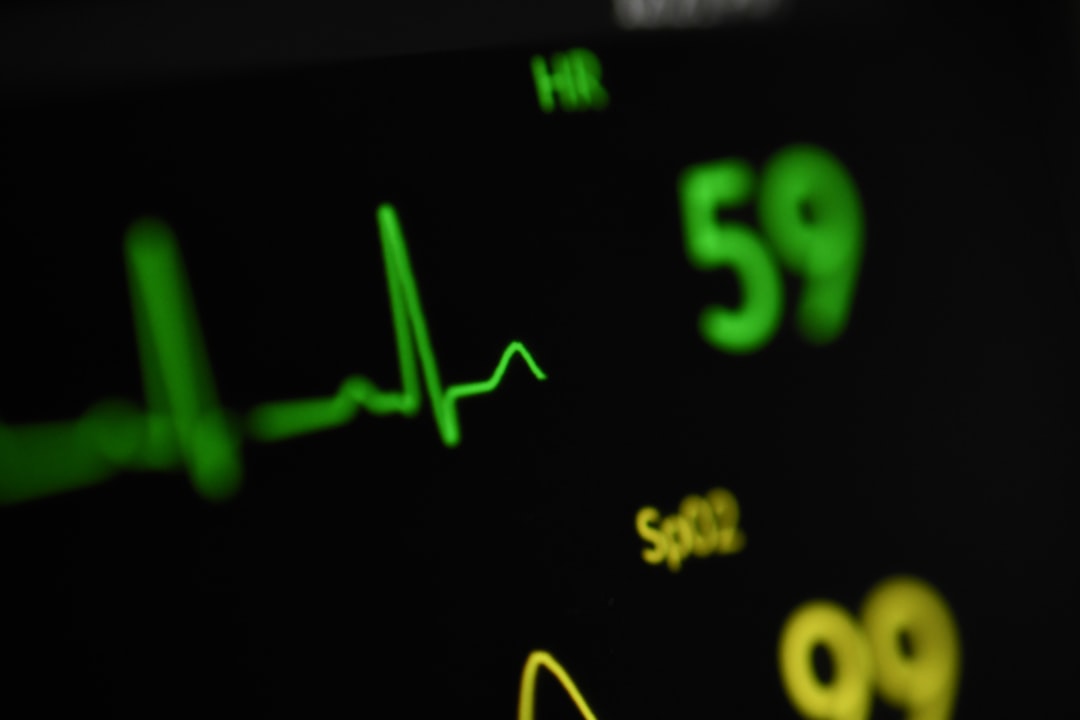
To assess cardiac health and diagnose disorders within the circulatory system, healthcare providers utilize various diagnostic tests. Electrocardiograms (ECGs) measure electrical activity in the heart and can identify arrhythmias or ischemic changes. Echocardiograms use ultrasound waves to visualize heart structure and function, providing insights into chamber size and valve performance.
Stress tests evaluate how well the heart performs under physical exertion, helping identify CAD or exercise-induced arrhythmias.
These diagnostic tools are essential for developing effective treatment plans tailored to individual patient needs.
Treatment Options for Cardiac Circulatory Disorders
Treatment options for cardiac circulatory disorders vary based on specific conditions but generally encompass lifestyle modifications, pharmacotherapy, and surgical interventions. Lifestyle changes such as adopting a heart-healthy diet rich in fruits, vegetables, whole grains, lean proteins, and healthy fats can significantly improve cardiovascular health. Pharmacological treatments may include antiplatelet agents like aspirin for CAD prevention or statins for cholesterol management.
Antihypertensive medications such as ACE inhibitors or beta-blockers help control high blood pressure. In cases of severe disease or structural abnormalities, surgical options like coronary artery bypass grafting (CABG) or valve repair/replacement may be necessary.
Lifestyle Factors Affecting Cardiac Circulation
Lifestyle choices play a critical role in maintaining cardiovascular health. Regular physical activity strengthens the heart muscle and improves circulation while reducing risk factors such as obesity and hypertension. A balanced diet low in saturated fats, trans fats, sodium, and added sugars can help manage cholesterol levels and maintain healthy blood pressure.
Smoking cessation is paramount; tobacco use significantly increases cardiovascular risk by promoting atherosclerosis and elevating blood pressure. Stress management techniques such as mindfulness or yoga can also contribute positively by reducing stress-related cardiovascular strain. Regular health screenings are essential for early detection of risk factors or emerging conditions.
Importance of Maintaining a Healthy Cardiac Circulatory System
Maintaining a healthy cardiac circulatory system is vital for overall well-being and longevity. A well-functioning cardiovascular system ensures efficient nutrient delivery and waste removal while supporting metabolic processes essential for life. Preventing disorders through proactive lifestyle choices can significantly reduce morbidity associated with cardiovascular diseases.
Regular check-ups with healthcare providers allow for early detection of potential issues before they escalate into serious conditions requiring extensive treatment. By prioritizing cardiovascular health through informed choices regarding diet, exercise, stress management, and regular medical evaluations, individuals can enhance their quality of life while minimizing risks associated with cardiac circulatory disorders. In summary, understanding the complexities of the cardiac circulatory system is essential for recognizing its critical role in human health.
From anatomy to function and common disorders to treatment options, each aspect contributes to our overall well-being. By adopting healthy lifestyle practices and remaining vigilant about cardiovascular health, individuals can significantly improve their quality of life while reducing their risk of serious health complications associated with this vital system.
If you are interested in learning more about the cardiac circulatory system, you may want to check out the article What to Expect During Your First Meeting with a Lawyer in 2025. This article discusses the advancements in technology and how they are changing the legal profession, much like how advancements in medical technology have revolutionized the treatment of heart conditions. Understanding the changes in different fields can provide valuable insights into the progress being made in various industries.
FAQs
What is the cardiac circulatory system?
The cardiac circulatory system, also known as the cardiovascular system, is a network of organs and vessels that is responsible for the circulation of blood throughout the body. It includes the heart, blood vessels, and blood.
What is the function of the cardiac circulatory system?
The primary function of the cardiac circulatory system is to deliver oxygen and nutrients to the body’s tissues and organs, and to remove waste products such as carbon dioxide. It also plays a crucial role in regulating body temperature and maintaining homeostasis.
What are the main components of the cardiac circulatory system?
The main components of the cardiac circulatory system include the heart, blood vessels (arteries, veins, and capillaries), and blood. The heart pumps blood through the blood vessels, which carry it to and from the body’s tissues and organs.
How does the cardiac circulatory system work?
The cardiac circulatory system works by the heart pumping oxygen-rich blood to the body’s tissues and organs through the arteries. The blood then returns to the heart through the veins, where it is pumped to the lungs to pick up oxygen and release carbon dioxide. This process is known as circulation.
What are some common disorders of the cardiac circulatory system?
Some common disorders of the cardiac circulatory system include hypertension (high blood pressure), coronary artery disease, heart failure, and arrhythmias. These conditions can have serious implications for overall health and may require medical intervention.