Now Reading: Understanding the Benefits of Gap Insurance
-
01
Understanding the Benefits of Gap Insurance
Understanding the Benefits of Gap Insurance
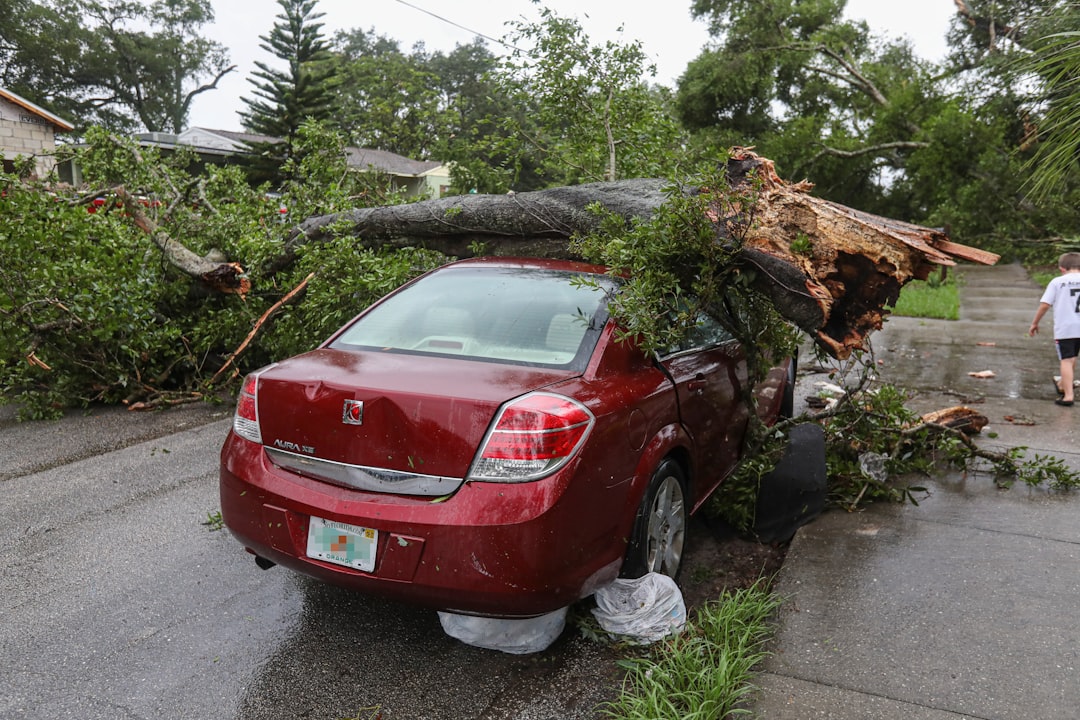
Gap insurance, or Guaranteed Asset Protection insurance, is a specialized form of coverage designed to protect vehicle owners from financial loss in the event of a total loss. This type of insurance is particularly relevant for individuals who have financed or leased their vehicles. When a car is declared a total loss due to theft or an accident, the standard auto insurance policy typically covers only the current market value of the vehicle at the time of the incident.
However, this value often falls short of the outstanding balance on a loan or lease, leaving the owner responsible for the difference. Gap insurance bridges this financial gap, ensuring that the policyholder is not left with a significant debt after a total loss. The concept of gap insurance is rooted in the rapid depreciation that new vehicles experience.
As soon as a car is driven off the lot, its value can plummet by as much as 20% or more. This depreciation can create a substantial disparity between what an insurance company will pay out and what the owner still owes on their financing agreement. By purchasing gap insurance, vehicle owners can safeguard themselves against this potential financial burden, providing a layer of security that is often overlooked.
Key Takeaways
- Gap insurance is a type of coverage that protects you from financial loss if your car is totaled or stolen and the payout from your regular insurance is less than what you owe on your car loan.
- Gap insurance is especially important for new cars, as they depreciate quickly in the first few years, leaving you at risk of owing more than the car is worth.
- Gap insurance protects you from depreciation by covering the “gap” between what you owe on your car and its actual cash value at the time of the loss.
- Gap insurance is different from regular auto insurance in that it specifically covers the disparity between the car’s value and what you owe on it, while regular insurance covers damages and liability.
- Gap insurance provides peace of mind for car owners by ensuring that they won’t be left with a large loan balance to pay off if their car is totaled or stolen.
Understanding the Coverage of Gap Insurance
Gap insurance covers the difference between the actual cash value (ACV) of a vehicle and the remaining balance on a loan or lease in the event of a total loss. The ACV is determined by factors such as the vehicle’s make, model, year, mileage, and overall condition at the time of the accident or theft. This coverage is particularly beneficial for those who have made a small down payment or have financed their vehicle over an extended period, as these scenarios often lead to a larger gap between what is owed and what is reimbursed.
In addition to covering the financial gap, some gap insurance policies may also include additional benefits. For instance, certain policies may cover deductibles associated with comprehensive or collision claims, further alleviating financial strain on the policyholder. It is essential for consumers to thoroughly review their gap insurance policy to understand the specific terms and conditions, including any exclusions or limitations that may apply.
The Importance of Gap Insurance for New Cars
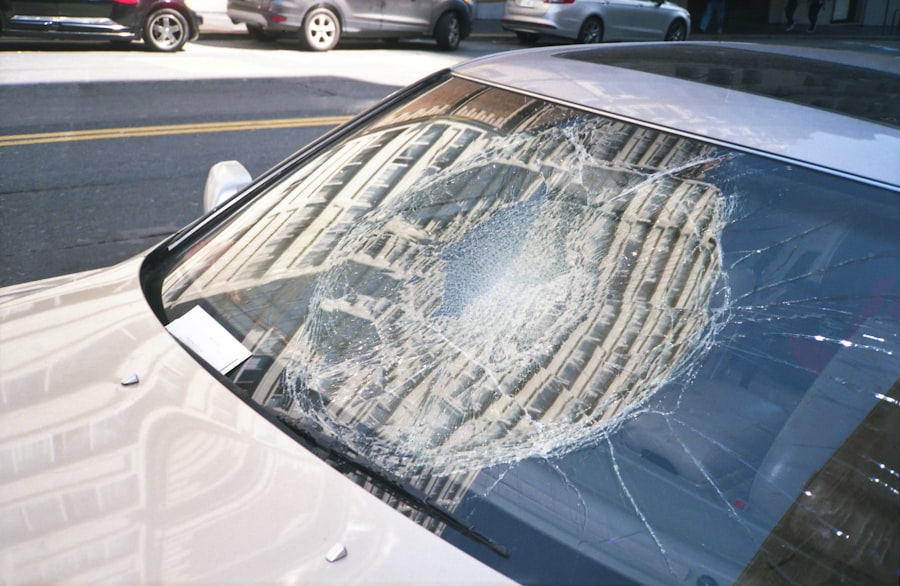
For new car buyers, gap insurance serves as a crucial safety net. New vehicles typically experience significant depreciation within the first few years of ownership, which can leave owners vulnerable in case of an accident or theft. According to industry estimates, new cars can lose approximately 11% of their value as soon as they are driven off the dealership lot and continue to depreciate at an average rate of 15% per year for the first five years.
This rapid depreciation underscores the importance of gap insurance for new car owners. Without this coverage, individuals may find themselves in a precarious financial situation if their vehicle is totaled shortly after purchase. For example, if a new car worth $30,000 is totaled in an accident after just one year, its ACV may drop to around $25,000.
If the owner still owes $28,000 on their loan, they would be responsible for covering the $3,000 difference without gap insurance. Thus, securing this type of coverage can provide peace of mind and financial protection during the critical early years of vehicle ownership.
How Gap Insurance Protects You from Depreciation
| Benefits of Gap Insurance | Explanation |
|---|---|
| Protection from Depreciation | Gap insurance covers the difference between the actual cash value of a vehicle and the balance still owed on the financing or lease agreement in the event of a total loss. |
| Financial Security | It provides financial security by ensuring that you are not left with a large outstanding balance on a vehicle that is no longer drivable. |
| Potential Savings | It can save you from having to pay out of pocket for the remaining balance on a loan or lease after a total loss, which can be substantial due to depreciation. |
Depreciation is an inevitable aspect of vehicle ownership that can lead to significant financial repercussions in the event of a total loss. Gap insurance mitigates this risk by covering the difference between what an insurance company pays out and what is owed on a loan or lease. This protection becomes increasingly vital as vehicles lose value over time; for instance, a car that costs $30,000 may only be worth $20,000 after three years due to depreciation.
By having gap insurance in place, vehicle owners can avoid being financially burdened by depreciation-related losses. In scenarios where a car is totaled shortly after purchase, gap insurance ensures that individuals are not left with an outstanding loan balance that exceeds their vehicle’s worth. This coverage acts as a buffer against market fluctuations and depreciation rates that can vary significantly based on factors such as make and model, economic conditions, and regional demand.
The Difference Between Gap Insurance and Regular Auto Insurance
While both gap insurance and regular auto insurance are essential components of vehicle ownership, they serve distinct purposes. Regular auto insurance provides coverage for damages resulting from accidents, theft, vandalism, and other incidents. It typically pays out based on the actual cash value of the vehicle at the time of loss, which may not account for any outstanding loan balance.
In contrast, gap insurance specifically addresses the financial disparity that arises when a vehicle is declared a total loss. It covers the difference between what an auto insurer pays out and what the owner still owes on their financing agreement. Therefore, while regular auto insurance protects against physical damage and liability claims, gap insurance offers additional financial security by ensuring that owners are not left with unpaid debts after a total loss.
How Gap Insurance Works in the Event of a Total Loss

In the unfortunate event of a total loss, gap insurance comes into play to alleviate financial stress for vehicle owners. When a car is deemed a total loss due to an accident or theft, the owner’s regular auto insurance policy will assess the vehicle’s actual cash value and provide compensation based on that figure. However, if this amount falls short of what is owed on the loan or lease, gap insurance steps in to cover the remaining balance.
If the car is totaled and its ACV is determined to be $20,000 at that time, the individual would still owe $25,000 on their loan. In this case, gap insurance would cover the $5,000 difference between what the auto insurer pays out and what remains owed on the loan.
This process ensures that individuals are not left with lingering debt after experiencing a total loss.
The Cost of Gap Insurance and How to Obtain It
The cost of gap insurance can vary significantly based on several factors including the insurer’s pricing structure, geographic location, and individual risk profiles. On average, consumers can expect to pay between $20 to $40 per year for gap insurance when purchased through an auto insurer. Alternatively, some dealerships offer gap insurance as part of their financing packages; however, these options may come with higher premiums.
To obtain gap insurance, individuals can explore various avenues including traditional auto insurers or specialized providers that focus on this type of coverage. It is advisable to compare quotes from multiple sources to ensure competitive pricing and comprehensive coverage options. Additionally, consumers should carefully review policy terms and conditions to understand any exclusions or limitations that may apply.
Common Misconceptions About Gap Insurance
Despite its importance in protecting against financial loss due to depreciation, several misconceptions about gap insurance persist among consumers. One common myth is that gap insurance is only necessary for new cars; however, it can also be beneficial for used vehicles that have been financed or leased. Any situation where there is a significant difference between what is owed on a loan and what an insurer would pay out warrants consideration of gap coverage.
Another misconception is that all auto insurance policies automatically include gap coverage; this is not true. Standard auto policies typically do not encompass this type of protection unless explicitly stated. Therefore, it is crucial for vehicle owners to verify whether they have gap coverage included in their policy or if they need to purchase it separately.
When is Gap Insurance Necessary?
Determining when gap insurance is necessary depends on individual circumstances and financing arrangements. Generally speaking, it is advisable for individuals who have made a small down payment on their vehicle or those who have financed their purchase over an extended period to consider obtaining gap coverage. Additionally, those who lease vehicles should strongly consider this type of protection since leased cars often depreciate quickly.
Furthermore, individuals who drive high-mileage vehicles or those who own cars with historically high depreciation rates should also evaluate their need for gap insurance. In essence, if there exists a substantial risk that an individual could owe more on their loan than what their vehicle is worth in case of a total loss, acquiring gap coverage becomes prudent.
The Benefits of Gap Insurance for Leased Vehicles
Leased vehicles are particularly susceptible to depreciation-related financial pitfalls; thus, gap insurance offers significant benefits for lessees. When leasing a car, individuals typically do not own it outright and are responsible for making monthly payments based on its projected residual value at lease end. If an accident occurs resulting in a total loss before lease termination, lessees may find themselves liable for paying off any remaining balance on their lease agreement.
Gap insurance provides essential protection in these scenarios by covering any outstanding lease payments that exceed the vehicle’s actual cash value at the time of loss. This coverage ensures that lessees are not left with unexpected financial burdens following an accident or theft while also allowing them to focus on securing another vehicle without lingering debt from their previous lease.
How Gap Insurance Provides Peace of Mind for Car Owners
Ultimately, one of the most significant advantages of gap insurance lies in its ability to provide peace of mind for car owners. Knowing that they are protected against potential financial losses due to depreciation allows individuals to drive with confidence and enjoy their vehicles without constant worry about unforeseen circumstances. In addition to safeguarding against financial pitfalls associated with total losses, gap insurance fosters a sense of security during uncertain times such as economic downturns or fluctuating market values.
By investing in this type of coverage, vehicle owners can rest assured that they have taken proactive measures to protect themselves from potential financial hardships related to their automotive investments. In summary, gap insurance serves as an essential safeguard for vehicle owners against depreciation-related losses in case of total loss events such as accidents or thefts. By understanding its coverage scope and benefits—especially for new cars and leased vehicles—individuals can make informed decisions about whether this type of protection aligns with their unique circumstances and financial goals.
If you are considering purchasing gap insurance for your vehicle, you may also be interested in exploring low-cost car insurance rates and quotes for 2025. This article provides valuable information on how to save money on your car insurance while still ensuring you have the coverage you need. Check it out here.
FAQs
What is gap insurance?
Gap insurance is a type of auto insurance coverage that helps cover the difference between the actual cash value of a vehicle and the amount still owed on the car loan in the event of a total loss.
How does gap insurance work?
If a car is totaled or stolen and the insurance payout is less than the amount owed on the car loan, gap insurance will cover the difference. This can help prevent the policyholder from having to continue making payments on a car they no longer have.
Is gap insurance required?
Gap insurance is not required by law, but it may be required by a lender if the car is financed or leased. It is also a good idea for those who put down a small down payment, have a long loan term, or have a car that depreciates quickly.
How much does gap insurance cost?
The cost of gap insurance can vary depending on the insurance company and the value of the car. On average, it can cost between 5% and 6% of the annual premium for comprehensive and collision coverage.
Can gap insurance be purchased at any time?
Gap insurance can typically be purchased at any time, but it is usually best to buy it when the car is first purchased or when a new car loan is taken out. Some insurance companies may have specific time limits for when gap insurance can be added to a policy.
Is gap insurance the same as loan/lease payoff coverage?
Gap insurance is often referred to as loan/lease payoff coverage, and the two terms are used interchangeably. They both serve the same purpose of covering the difference between the car’s value and the amount owed on the loan or lease.