Now Reading: Understanding Pancoast Tumor: Symptoms and Treatment
-
01
Understanding Pancoast Tumor: Symptoms and Treatment
Understanding Pancoast Tumor: Symptoms and Treatment
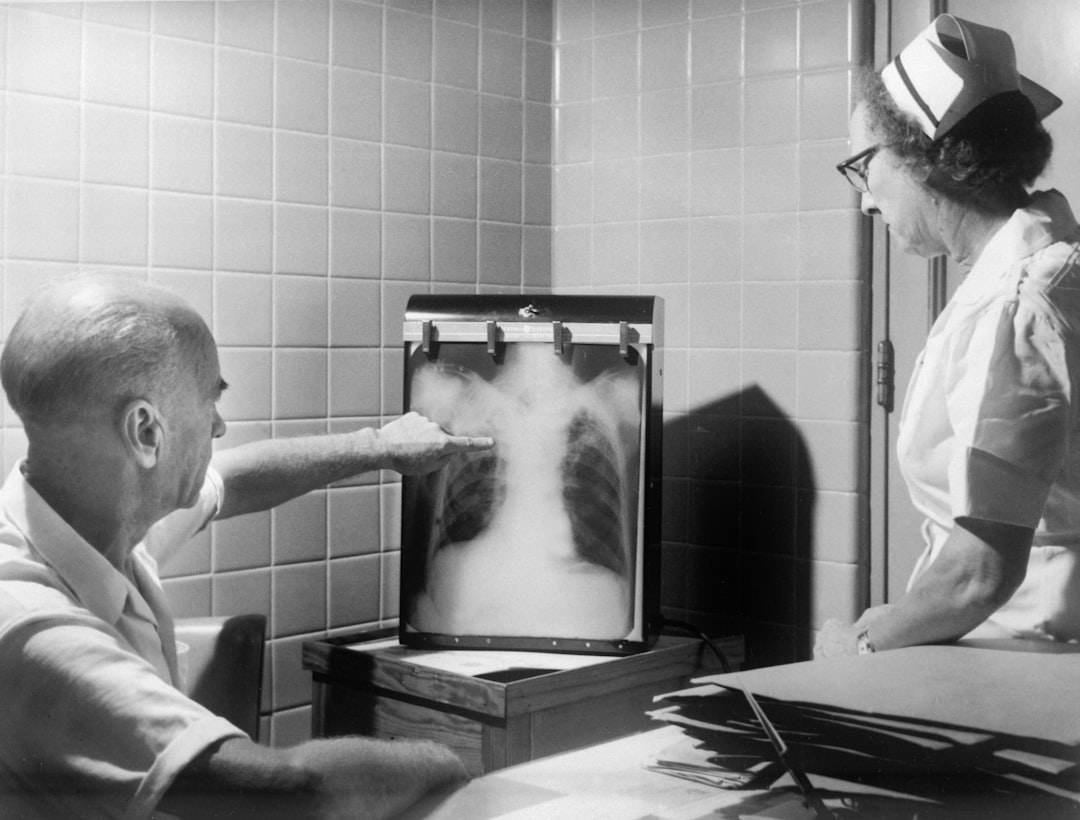
A Pancoast tumor, also known as a superior sulcus tumor, is a rare type of lung cancer that arises in the apex of the lung, specifically in the upper lobe. This malignancy is characterized by its unique anatomical location, which often leads to distinct clinical presentations. Pancoast tumors typically invade surrounding structures, including the chest wall, brachial plexus, and sympathetic nerves, resulting in a complex interplay of symptoms that can complicate diagnosis and treatment.
The majority of these tumors are non-small cell lung carcinoma (NSCLC), with adenocarcinoma being the most prevalent subtype. The rarity of Pancoast tumors, accounting for approximately 3-5% of all lung cancers, makes them a significant focus of oncological research. Their development is often associated with risk factors such as smoking, exposure to asbestos, and other environmental carcinogens.
Due to their location, Pancoast tumors can present with unique challenges in management, necessitating a multidisciplinary approach to treatment that may include surgery, radiation therapy, and chemotherapy.
Key Takeaways
- A Pancoast tumor is a type of lung cancer that grows at the top of the lung and can invade nearby tissues and structures.
- Common symptoms of a Pancoast tumor include shoulder pain, arm pain, Horner syndrome, and weakness or numbness in the arm or hand.
- Pancoast tumors are diagnosed through imaging tests such as CT scans and MRIs, as well as biopsy to confirm the presence of cancer cells.
- Staging of Pancoast tumors is important for determining the extent of the cancer and guiding treatment decisions.
- Treatment options for Pancoast tumors may include surgery, radiation therapy, chemotherapy, and targeted therapy, either alone or in combination.
Common Symptoms of Pancoast Tumor
Patients with Pancoast tumors often experience a constellation of symptoms that can mimic other conditions, leading to potential delays in diagnosis. One of the hallmark symptoms is shoulder pain, which may radiate down the arm due to nerve involvement. This pain is often described as severe and persistent, frequently leading patients to seek medical attention.
Additionally, Horner’s syndrome may manifest as a result of sympathetic nerve invasion, presenting with ptosis (drooping eyelid), miosis (constricted pupil), and anhidrosis (lack of sweating) on the affected side. Other common symptoms include cough, hemoptysis (coughing up blood), and weight loss. As the tumor progresses, patients may experience dyspnea (shortness of breath) due to obstructive pneumonia or pleural effusion.
The presence of these symptoms can significantly impact a patient’s quality of life and may lead to further complications if not addressed promptly.
How is Pancoast Tumor Diagnosed?
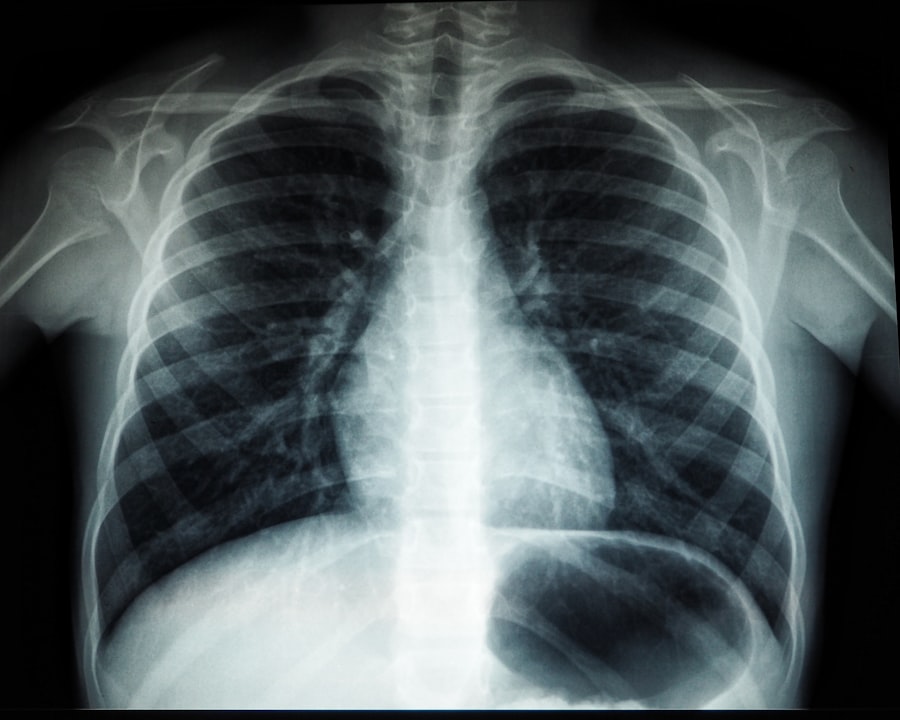
The diagnostic process for Pancoast tumors typically begins with a thorough clinical evaluation, including a detailed medical history and physical examination. Imaging studies play a crucial role in identifying the presence and extent of the tumor. Chest X-rays may reveal a mass in the upper lung field; however, computed tomography (CT) scans are more definitive in assessing the tumor’s size, location, and involvement of adjacent structures.
Magnetic resonance imaging (MRI) may be utilized to evaluate neural involvement more accurately. Additionally, positron emission tomography (PET) scans can help determine metabolic activity and potential metastasis. A definitive diagnosis often requires histopathological confirmation through biopsy techniques such as bronchoscopy or CT-guided needle biopsy.
These procedures allow for the collection of tissue samples for microscopic examination, aiding in the determination of tumor type and staging.
Understanding the Staging of Pancoast Tumor
| Stage | Description |
|---|---|
| 0 | Tumor is only in the top layers of cells lining the air passages and has not invaded deeper into the lung tissue. |
| I | Tumor is small and has not spread to the lymph nodes or other organs. |
| II | Tumor is larger and may have spread to nearby lymph nodes, but has not spread to distant organs. |
| III | Tumor has spread to nearby tissues or organs and may have spread to nearby lymph nodes. |
| IV | Tumor has spread to distant organs or tissues. |
Staging is critical in determining the prognosis and treatment approach for patients with Pancoast tumors. The American Joint Committee on Cancer (AJCC) staging system classifies lung cancer based on tumor size (T), lymph node involvement (N), and distant metastasis (M). For Pancoast tumors, staging can be particularly complex due to their location and potential invasion into surrounding structures.
T3 indicates that the tumor has invaded nearby structures such as the chest wall or mediastinum but has not spread to distant sites. T4 signifies more extensive local invasion or the presence of malignant pleural effusion.
Nodal involvement is assessed through imaging and biopsy, while distant metastasis is evaluated using PET scans or other imaging modalities. Accurate staging is essential for guiding treatment decisions and providing patients with realistic prognostic information.
Treatment Options for Pancoast Tumor
The management of Pancoast tumors requires a multidisciplinary approach that often involves surgical intervention, radiation therapy, and chemotherapy. The choice of treatment depends on various factors, including tumor stage, patient health status, and individual preferences. A comprehensive treatment plan aims to achieve optimal outcomes while minimizing potential complications.
Surgical resection remains the cornerstone of treatment for localized Pancoast tumors. However, due to their proximity to critical structures, complete surgical excision can be challenging. Neoadjuvant therapy, which includes chemotherapy and/or radiation prior to surgery, may be employed to shrink the tumor and facilitate resection.
This approach has been shown to improve surgical outcomes and overall survival rates in select patients.
Surgery for Pancoast Tumor

Surgical resection is considered the most effective treatment for Pancoast tumors when feasible. The procedure typically involves a pneumonectomy or lobectomy, depending on the extent of tumor involvement and surrounding structures. Surgeons may also perform chest wall resection if the tumor has invaded adjacent tissues.
The surgical approach requires careful planning and execution due to the intricate anatomy of the thoracic cavity. Surgeons must consider potential complications such as bleeding, infection, and damage to surrounding nerves or vessels during the procedure. Postoperative care is crucial for monitoring recovery and managing any complications that may arise.
Radiation Therapy for Pancoast Tumor
Radiation therapy plays a pivotal role in the management of Pancoast tumors, particularly when surgery is not an option or as an adjunct to surgical resection. This modality utilizes high-energy radiation to target cancer cells while sparing surrounding healthy tissue. Radiation therapy can be administered preoperatively (neoadjuvant) to reduce tumor size or postoperatively (adjuvant) to eliminate residual disease.
Stereotactic body radiation therapy (SBRT) is an advanced technique that delivers precise doses of radiation to the tumor while minimizing exposure to adjacent structures. This method has shown promise in improving local control rates and reducing side effects compared to traditional radiation techniques.
Chemotherapy for Pancoast Tumor
Chemotherapy is often utilized in conjunction with other treatment modalities for Pancoast tumors, particularly in cases where the disease is locally advanced or metastatic. The primary goal of chemotherapy is to target rapidly dividing cancer cells throughout the body. Commonly used regimens may include platinum-based agents such as cisplatin or carboplatin combined with other chemotherapeutic agents like paclitaxel or gemcitabine.
Neoadjuvant chemotherapy can help shrink tumors before surgery, potentially increasing the likelihood of successful resection. Adjuvant chemotherapy may also be recommended following surgery to reduce the risk of recurrence. The choice of chemotherapy regimen depends on various factors, including tumor histology and patient tolerance.
Targeted Therapy for Pancoast Tumor
Targeted therapy represents a promising advancement in the treatment of lung cancer, including Pancoast tumors. These therapies are designed to specifically target molecular abnormalities present in cancer cells while minimizing damage to normal cells. For instance, patients with specific genetic mutations such as EGFR or ALK may benefit from targeted agents like erlotinib or crizotinib.
The use of targeted therapies has revolutionized treatment paradigms for certain subtypes of lung cancer by offering more personalized approaches based on individual tumor characteristics. Ongoing research continues to explore new targets and combinations that may enhance treatment efficacy and improve patient outcomes.
Prognosis and Survival Rates for Pancoast Tumor
The prognosis for patients diagnosed with Pancoast tumors varies significantly based on several factors, including tumor stage at diagnosis, response to treatment, and overall patient health. Generally, early-stage tumors that are amenable to surgical resection have better outcomes compared to those diagnosed at advanced stages with local invasion or metastasis. Survival rates are often expressed in terms of five-year survival percentages.
For localized Pancoast tumors treated with surgery and adjuvant therapy, five-year survival rates can range from 30% to 50%. However, these rates decrease significantly for patients with advanced disease or those who are not candidates for surgical intervention.
Support and Resources for Patients with Pancoast Tumor
Navigating a diagnosis of Pancoast tumor can be overwhelming for patients and their families. Support resources are essential for providing emotional support, education about the disease process, and assistance with practical needs such as transportation to appointments or financial counseling. Organizations such as the American Lung Association offer valuable resources tailored specifically for lung cancer patients.
Support groups provide an opportunity for individuals facing similar challenges to connect and share experiences. Additionally, palliative care services can help manage symptoms and improve quality of life throughout treatment. Engaging with healthcare professionals who specialize in oncology can also provide patients with access to cutting-edge treatments and clinical trials.
In summary, Pancoast tumors represent a unique subset of lung cancer characterized by their location at the apex of the lung and associated symptoms such as shoulder pain and Horner’s syndrome. Diagnosis involves imaging studies and biopsy confirmation, while staging is crucial for determining prognosis and treatment options. Management typically includes surgery, radiation therapy, chemotherapy, and targeted therapies tailored to individual patient needs.
Prognosis varies based on stage at diagnosis and response to treatment; thus, ongoing support resources are vital for patients navigating this challenging journey.
If you or a loved one has been diagnosed with a Pancoast tumor, it is important to understand the treatment options available. One related article that may be helpful is a guide to last-minute shopping on Christmas Eve, which can be found here. This article provides information on Target’s holiday hours and can help alleviate some stress during the holiday season. Additionally, it may be beneficial to review the federal holiday schedule for 2022, which can be accessed here. Understanding when federal holidays occur can help with planning medical appointments and treatments. Lastly, staying informed on the stock market can be important for financial planning.