Now Reading: Understanding Ocular Melanoma: Signs and Treatment
-
01
Understanding Ocular Melanoma: Signs and Treatment
Understanding Ocular Melanoma: Signs and Treatment
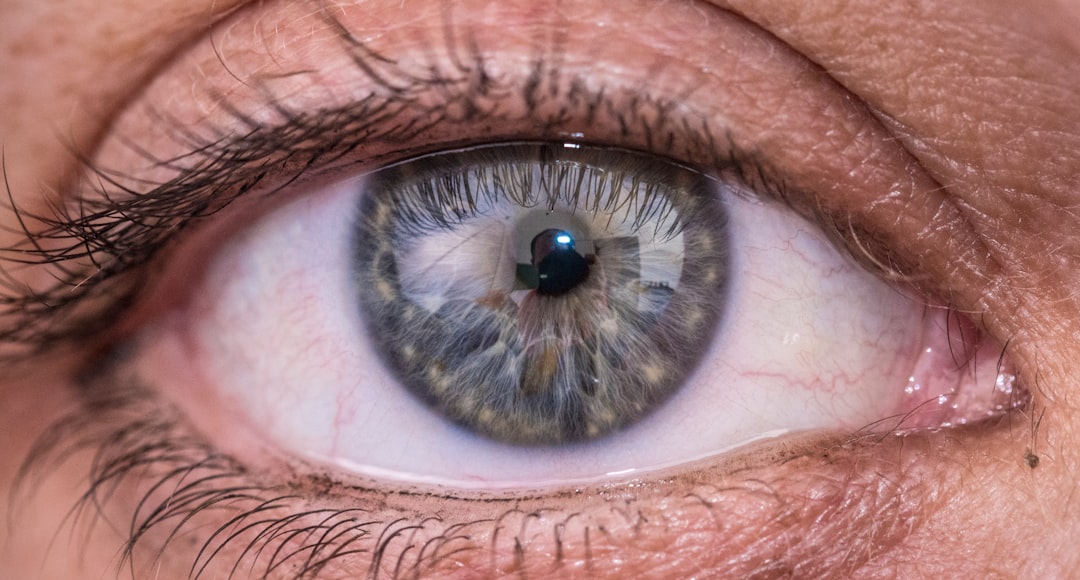
Ocular melanoma, also known as uveal melanoma, is a rare but aggressive form of cancer that originates in the melanocytes, the pigment-producing cells found in the uveal tract of the eye. This tract consists of three main components: the iris, ciliary body, and choroid. Ocular melanoma primarily affects the choroid, which is the layer of blood vessels and connective tissue between the retina and the sclera.
Although ocular melanoma is relatively uncommon compared to cutaneous melanoma, it poses significant health risks and can lead to severe complications, including vision loss and metastasis to other organs. The incidence of ocular melanoma is estimated to be around 5 to 7 cases per million people annually in the United States. It typically occurs in adults, with a higher prevalence in individuals aged 50 to 70 years.
The prognosis for patients diagnosed with ocular melanoma can vary significantly based on several factors, including tumor size, location, and whether the cancer has spread beyond the eye. Early detection and intervention are crucial for improving outcomes and preserving vision.
Key Takeaways
- Ocular melanoma is a rare type of cancer that develops in the cells that produce pigment in the eye.
- Signs and symptoms of ocular melanoma may include blurred vision, dark spots on the iris, and changes in the shape of the pupil.
- Risk factors for ocular melanoma include fair skin, light eye color, and exposure to natural or artificial sunlight.
- Diagnosing ocular melanoma involves a comprehensive eye exam, imaging tests, and a biopsy of the tumor.
- Treatment options for ocular melanoma may include surgery, radiation therapy, targeted therapy, immunotherapy, or a combination of these approaches.
Signs and Symptoms of Ocular Melanoma
The clinical presentation of ocular melanoma can be insidious, often leading to delayed diagnosis. Many patients may remain asymptomatic in the early stages of the disease. However, as the tumor progresses, several signs and symptoms may manifest.
Common indicators include blurred vision, visual disturbances such as flashes or floaters, and changes in the appearance of the eye. Patients may also notice a dark spot on the iris or changes in pupil shape. In advanced cases, ocular melanoma can lead to more severe symptoms such as pain, swelling around the eye, and even loss of vision.
If the cancer metastasizes to other parts of the body, systemic symptoms may arise, including unexplained weight loss, fatigue, and bone pain. It is essential for individuals experiencing any of these symptoms to seek prompt medical evaluation to rule out ocular melanoma or other serious conditions.
Risk Factors for Ocular Melanoma
Several risk factors have been identified that may increase an individual’s likelihood of developing ocular melanoma. One of the most significant factors is age; as previously mentioned, the majority of cases occur in older adults. Additionally, individuals with lighter skin pigmentation and those who have blue or green eyes are at a higher risk due to lower levels of protective melanin in their eyes.
Genetic predisposition also plays a crucial role in ocular melanoma development. Certain hereditary conditions, such as dysplastic nevus syndrome and familial atypical multiple mole melanoma (FAMMM) syndrome, can increase susceptibility. Furthermore, exposure to ultraviolet (UV) radiation from sunlight or tanning beds has been implicated as a potential risk factor.
Individuals with a history of skin melanoma are also at an elevated risk for developing ocular melanoma.
Diagnosing Ocular Melanoma
| Diagnostic Method | Accuracy | Advantages | Disadvantages |
|---|---|---|---|
| Ultrasound Biomicroscopy | 85% | Non-invasive, high resolution | Operator-dependent, limited view |
| Fluorescein Angiography | 80% | Visualizes blood vessels, dye injection | Allergic reactions, invasive |
| Optical Coherence Tomography | 90% | Non-invasive, high resolution | Limited depth penetration |
The diagnostic process for ocular melanoma typically begins with a comprehensive eye examination conducted by an ophthalmologist. During this examination, the physician will assess visual acuity and perform a dilated fundus examination to visualize the internal structures of the eye. If a suspicious lesion is detected, further imaging studies may be warranted.
Ultrasound biomicroscopy is a valuable tool for evaluating intraocular tumors, providing detailed images of the tumor’s size and location. Optical coherence tomography (OCT) can also be utilized to assess retinal layers and identify any associated abnormalities. In some cases, fluorescein angiography may be performed to evaluate blood flow within the eye.
A definitive diagnosis often requires a biopsy; however, this is not always necessary if imaging studies provide sufficient evidence of malignancy.
Stages of Ocular Melanoma
Ocular melanoma staging is crucial for determining treatment options and predicting prognosis. The American Joint Committee on Cancer (AJCC) staging system is commonly used to classify ocular melanoma based on tumor size (T), regional lymph node involvement (N), and distant metastasis (M). – **Stage I**: The tumor is confined to the eye and measures less than 2.5 cm in diameter.
– **Stage II**: The tumor is larger than 2.5 cm but remains localized within the eye.
– **Stage III**: The cancer has spread to nearby lymph nodes.
– **Stage IV**: Distant metastasis has occurred, affecting organs such as the liver or lungs.
Understanding the stage of ocular melanoma is essential for tailoring treatment strategies and providing patients with accurate prognostic information.
Treatment Options for Ocular Melanoma

The management of ocular melanoma depends on various factors, including tumor size, location, stage, and patient health status. Treatment options can be broadly categorized into local therapies aimed at controlling the tumor within the eye and systemic therapies designed to address metastatic disease. Local treatments include surgical interventions such as enucleation (removal of the eye) or local resection of the tumor.
Radiation therapy options include plaque brachytherapy and proton beam therapy, which deliver targeted radiation to minimize damage to surrounding healthy tissues.
Surgery for Ocular Melanoma
Surgical intervention remains a cornerstone in the treatment of ocular melanoma, particularly for localized tumors. Enucleation is often considered when the tumor is large or when there is significant risk of vision loss or complications. This procedure involves removing the entire eye along with surrounding tissues and is typically reserved for advanced cases where other treatments are not viable.
For smaller tumors or those located in less critical areas of the eye, local resection may be performed. This technique aims to excise only the tumor while preserving as much healthy tissue as possible. The choice between enucleation and local resection depends on various factors, including tumor size, location, and patient preferences.
Radiation Therapy for Ocular Melanoma
Radiation therapy plays a pivotal role in managing ocular melanoma, particularly for patients who wish to preserve their vision or when surgery is not feasible. Plaque brachytherapy involves placing a small radioactive plaque directly on the surface of the eye overlying the tumor. This method allows for high doses of radiation to be delivered locally while minimizing exposure to surrounding healthy tissues.
Proton beam therapy is another advanced radiation technique that utilizes protons instead of traditional X-rays. This approach offers precise targeting capabilities, allowing for effective treatment while reducing side effects associated with radiation exposure. Both brachytherapy and proton therapy have shown promising results in controlling tumor growth and preserving vision in patients with localized ocular melanoma.
Targeted Therapy for Ocular Melanoma
Targeted therapy represents a novel approach in treating advanced ocular melanoma by focusing on specific molecular targets associated with cancer growth and progression. One such target is the BRAF gene mutation, which occurs in a subset of patients with metastatic disease. Medications like vemurafenib and dabrafenib have been developed to inhibit BRAF signaling pathways, leading to reduced tumor growth.
Additionally, MEK inhibitors such as trametinib are often used in combination with BRAF inhibitors to enhance treatment efficacy.
Immunotherapy for Ocular Melanoma
Immunotherapy has emerged as a promising treatment modality for patients with metastatic ocular melanoma. This approach harnesses the body’s immune system to recognize and attack cancer cells more effectively. Immune checkpoint inhibitors such as pembrolizumab and nivolumab have shown significant efficacy in treating various malignancies, including ocular melanoma.
These agents work by blocking proteins that inhibit immune responses against tumors, thereby enhancing T-cell activation and proliferation against cancer cells. Clinical trials have demonstrated improved overall survival rates among patients receiving immunotherapy compared to conventional treatments.
Prognosis and Follow-Up Care for Ocular Melanoma
The prognosis for patients diagnosed with ocular melanoma varies widely based on several factors, including tumor size, location, stage at diagnosis, and response to treatment. Generally, smaller tumors confined to the eye have a better prognosis than larger tumors or those that have metastasized. Regular follow-up care is essential for monitoring potential recurrence or metastasis after treatment.
Patients typically undergo periodic ophthalmologic examinations along with imaging studies to assess any changes in their condition. Additionally, counseling regarding lifestyle modifications—such as UV protection—can play a vital role in reducing future risks. In summary, ocular melanoma is a rare yet aggressive form of cancer that necessitates early detection and comprehensive management strategies tailored to individual patient needs.
With advancements in treatment modalities—including surgery, radiation therapy, targeted therapy, and immunotherapy—outcomes continue to improve for those affected by this challenging disease. ### FAQ Section 1. **What causes ocular melanoma?**
– The exact cause remains unclear; however, genetic predisposition, UV exposure, and certain hereditary conditions are known risk factors.
2. **How common is ocular melanoma?**
– It affects approximately 5-7 individuals per million annually in the United States. 3.
**Can ocular melanoma spread?**
– Yes, it can metastasize to other organs such as the liver or lungs if not treated promptly. 4. **What are the treatment options available?**
– Treatment options include surgery (enucleation or local resection), radiation therapy (plaque brachytherapy or proton therapy), targeted therapy (BRAF inhibitors), and immunotherapy (checkpoint inhibitors).
5. **Is there a way to prevent ocular melanoma?**
– While there is no guaranteed prevention method, minimizing UV exposure through sunglasses and regular eye examinations can help reduce risk. 6.
**What should I do if I experience symptoms?**
– Seek immediate medical attention from an ophthalmologist if you notice any changes in vision or unusual symptoms related to your eyes. 7. **What is the survival rate for ocular melanoma?**
– Survival rates vary based on stage; localized tumors have better outcomes compared to those that have metastasized.
8. **How often should I have follow-up appointments after treatment?**
– Follow-up schedules vary but typically involve regular examinations every 3-6 months during the first few years post-treatment. 9.
**Are there clinical trials available for new treatments?**
– Yes, many clinical trials are ongoing; consult your healthcare provider for information on eligibility and options. 10. **What lifestyle changes can help after diagnosis?**
– Maintaining a healthy diet, avoiding UV exposure, quitting smoking, and staying physically active can contribute positively to overall health post-diagnosis.
In conclusion, ocular melanoma presents significant challenges but also opportunities for advancements in treatment strategies that enhance patient outcomes and quality of life through early detection and tailored interventions.
Ocular melanoma is a rare type of eye cancer that affects the cells in the eye responsible for producing melanin. According to a recent article on health insurance in 2025, it is important for individuals diagnosed with ocular melanoma to have comprehensive coverage to ensure they receive the best possible treatment options. Early detection and treatment are crucial in improving outcomes for patients with this type of cancer.
FAQs
What is ocular melanoma?
Ocular melanoma is a rare type of cancer that develops in the cells that produce pigment in the eye. It can occur in the uvea, which is the middle layer of the eye, or in the conjunctiva, which is the thin, clear membrane that covers the white part of the eye.
What are the symptoms of ocular melanoma?
Symptoms of ocular melanoma may include blurred vision, dark spots on the iris, changes in the shape of the pupil, and loss of peripheral vision. In some cases, there may be no symptoms at all, and the cancer is only detected during a routine eye exam.
What are the risk factors for ocular melanoma?
The exact cause of ocular melanoma is not known, but risk factors may include fair skin, light eye color, and prolonged exposure to ultraviolet (UV) light. There may also be a genetic component, as some people with a family history of ocular melanoma may be at higher risk.
How is ocular melanoma diagnosed?
Ocular melanoma is typically diagnosed through a comprehensive eye exam, which may include a dilated eye exam, ultrasound, and imaging tests such as fluorescein angiography or optical coherence tomography (OCT). A biopsy may also be performed to confirm the diagnosis.
What are the treatment options for ocular melanoma?
Treatment for ocular melanoma may include surgery to remove the tumor, radiation therapy, and in some cases, targeted therapy or immunotherapy. The specific treatment plan will depend on the size and location of the tumor, as well as the overall health of the patient.
What is the prognosis for ocular melanoma?
The prognosis for ocular melanoma can vary depending on the stage of the cancer and how early it is detected. In some cases, the cancer may be successfully treated and the patient can retain their vision. However, ocular melanoma can also spread to other parts of the body, which can be more difficult to treat. Regular follow-up care is important for monitoring for any signs of recurrence or metastasis.