Now Reading: Understanding Large B Cell Lymphoma: Symptoms and Treatments
-
01
Understanding Large B Cell Lymphoma: Symptoms and Treatments
Understanding Large B Cell Lymphoma: Symptoms and Treatments
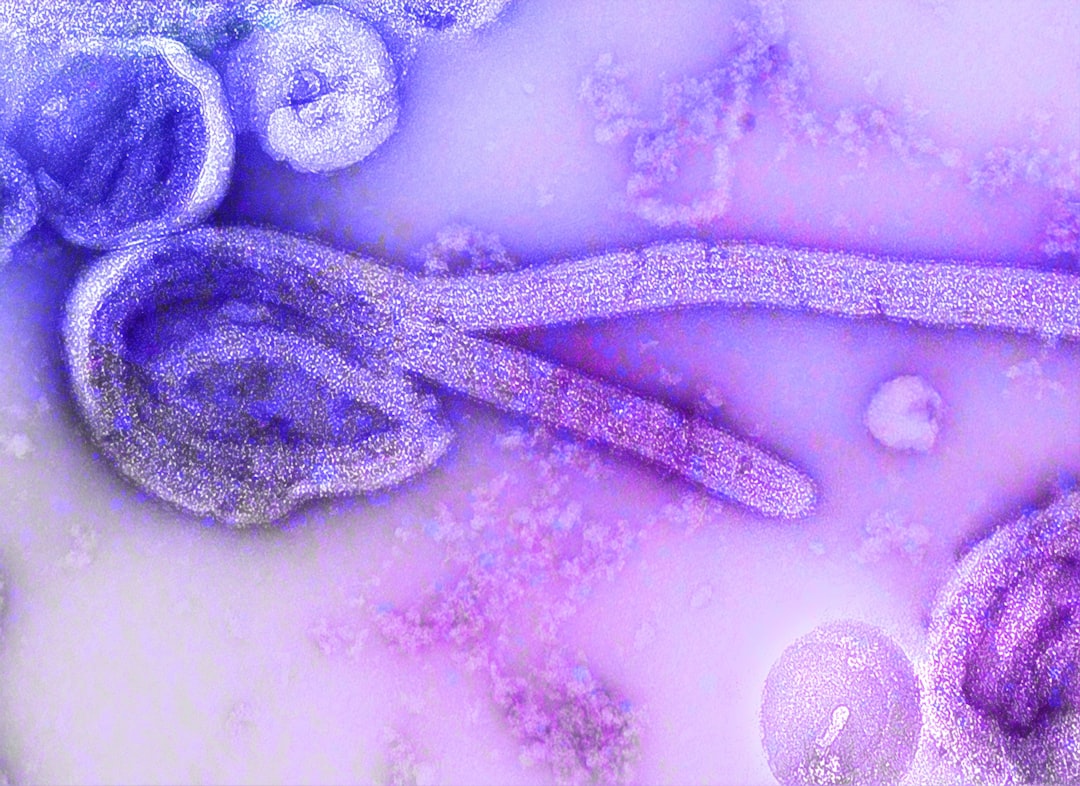
Large B Cell Lymphoma (LBCL) is a heterogeneous group of aggressive non-Hodgkin lymphomas characterized by the proliferation of large B lymphocytes. This malignancy primarily arises from the lymphatic system, which plays a crucial role in the immune response. LBCL is the most common subtype of non-Hodgkin lymphoma, accounting for approximately 30% of all cases.
The disease can manifest in various anatomical locations, including lymph nodes, spleen, bone marrow, and extranodal sites such as the gastrointestinal tract and skin. The pathophysiology of LBCL involves genetic mutations and chromosomal abnormalities that lead to uncontrolled cellular proliferation. The most common genetic alterations include translocations involving the MYC oncogene, often in conjunction with BCL2 or BCL6 genes.
These genetic changes contribute to the aggressive nature of the disease, necessitating prompt diagnosis and treatment. Understanding the biological underpinnings of LBCL is essential for developing targeted therapies and improving patient outcomes.
Key Takeaways
- Large B Cell Lymphoma is a type of non-Hodgkin lymphoma that originates in the B cells of the immune system.
- Symptoms of Large B Cell Lymphoma may include enlarged lymph nodes, fever, night sweats, weight loss, and fatigue.
- Diagnosing Large B Cell Lymphoma involves a combination of physical exams, imaging tests, and biopsy of the affected lymph nodes or organs.
- Staging Large B Cell Lymphoma helps determine the extent of the cancer and guide treatment decisions.
- Treatment options for Large B Cell Lymphoma may include chemotherapy, immunotherapy, radiation therapy, stem cell transplant, and participation in clinical trials.
Understanding the Symptoms of Large B Cell Lymphoma
The clinical presentation of Large B Cell Lymphoma can vary significantly among individuals, often leading to a delay in diagnosis. Common symptoms include painless lymphadenopathy, which may present as swollen lymph nodes in the neck, armpits, or groin. Patients may also experience systemic symptoms such as fever, night sweats, and unexplained weight loss, collectively referred to as “B symptoms.” These systemic manifestations are indicative of an underlying malignancy and warrant further investigation.
In addition to lymphadenopathy and systemic symptoms, patients may report fatigue, weakness, and a general sense of malaise. Extranodal involvement can lead to specific symptoms depending on the affected organ; for instance, gastrointestinal involvement may result in abdominal pain or changes in bowel habits, while central nervous system involvement can lead to neurological deficits. Recognizing these diverse symptoms is crucial for early detection and intervention.
Diagnosing Large B Cell Lymphoma
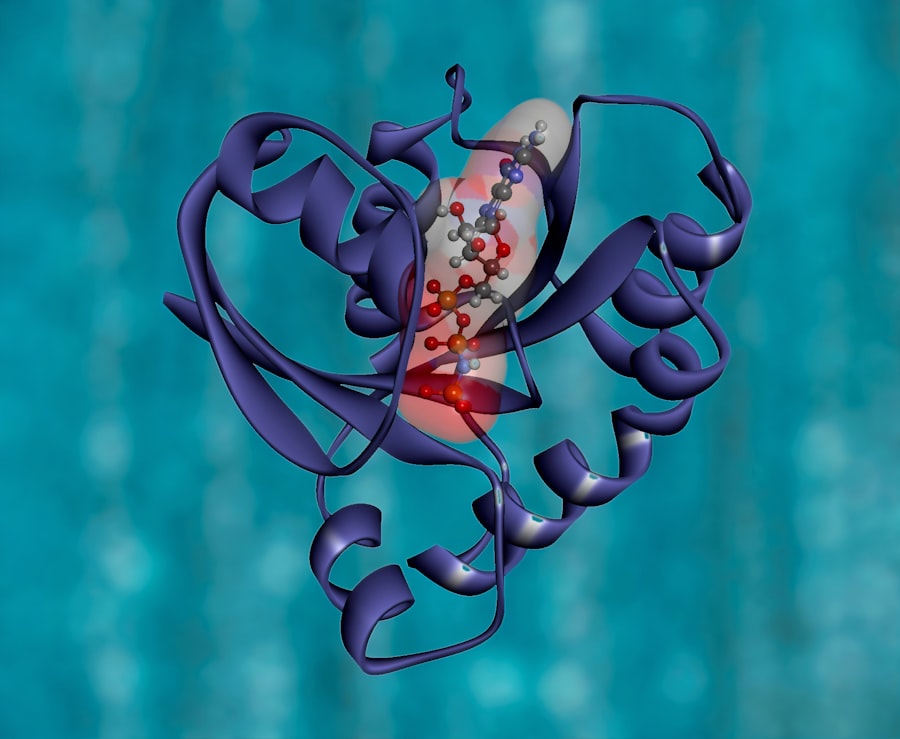
The diagnostic process for Large B Cell Lymphoma typically begins with a thorough clinical evaluation and history-taking. Physicians often perform a physical examination to assess lymphadenopathy and other systemic signs. Laboratory tests, including complete blood counts and metabolic panels, may provide supportive information but are not definitive for diagnosis. A definitive diagnosis requires histopathological examination of tissue samples obtained through biopsy.
Immunohistochemistry plays a pivotal role in confirming the diagnosis by identifying specific markers associated with B cell lineage, such as CD19, CD20, and CD22.
Additionally, molecular studies may be conducted to detect genetic abnormalities that characterize LBCL.
Staging Large B Cell Lymphoma
| Metrics | Value |
|---|---|
| Incidence | 6-7 cases per 100,000 people |
| Survival Rate | 70-80% 5-year survival rate |
| Treatment | Chemotherapy, immunotherapy, radiation therapy |
| Prognosis | Depends on stage, age, and overall health |
Staging is a critical component in the management of Large B Cell Lymphoma, as it determines the extent of disease dissemination and guides treatment decisions. The Ann Arbor staging system is commonly employed, categorizing the disease into four stages based on the involvement of lymph nodes and extranodal sites. – Stage I: Involvement of a single lymph node region or a single extranodal site.
– Stage II: Involvement of two or more lymph node regions on the same side of the diaphragm or localized extranodal disease.
– Stage IV: Disseminated disease involving one or more extranodal organs or tissues.
Staging investigations often include imaging studies such as computed tomography (CT) scans or positron emission tomography (PET) scans to assess disease burden accurately. Bone marrow biopsy may also be performed to evaluate for marrow infiltration. Accurate staging is essential for prognostication and tailoring therapeutic approaches.
Treatment Options for Large B Cell Lymphoma
The treatment landscape for Large B Cell Lymphoma has evolved significantly over recent years, with a focus on personalized medicine and targeted therapies. The primary treatment modalities include chemotherapy, immunotherapy, radiation therapy, and stem cell transplantation. The choice of treatment depends on various factors, including disease stage, patient age, performance status, and comorbidities.
For early-stage LBCL (Stage I or II), treatment often involves a combination of chemotherapy and radiation therapy. In contrast, advanced-stage disease (Stage III or IV) typically necessitates more aggressive chemotherapy regimens. The introduction of novel agents has also expanded treatment options, providing hope for patients with refractory or relapsed disease.
Chemotherapy for Large B Cell Lymphoma

Chemotherapy remains the cornerstone of treatment for Large B Cell Lymphoma, particularly in advanced stages. The most widely used regimen is R-CHOP, which combines rituximab (a monoclonal antibody targeting CD20) with cyclophosphamide, doxorubicin, vincristine, and prednisone. This regimen has demonstrated significant efficacy in inducing remission and improving overall survival rates.
The administration of chemotherapy is typically conducted in cycles over several months, with careful monitoring for potential side effects such as myelosuppression, nausea, vomiting, and alopecia. Dose adjustments may be necessary based on individual tolerance and response to treatment. In some cases, high-dose chemotherapy followed by autologous stem cell transplantation may be considered for patients with relapsed or refractory disease.
Immunotherapy for Large B Cell Lymphoma
Immunotherapy has emerged as a promising approach in the management of Large B Cell Lymphoma, particularly for patients who have not responded to conventional therapies. CAR T-cell therapy represents a groundbreaking advancement in this field. This innovative treatment involves engineering a patient’s T cells to express chimeric antigen receptors (CARs) that specifically target CD19-positive B cells.
Clinical trials have demonstrated remarkable efficacy with CAR T-cell therapy in patients with relapsed or refractory LBCL, achieving high rates of complete remission. However, this approach is not without risks; potential side effects include cytokine release syndrome (CRS) and neurotoxicity. Close monitoring during treatment is essential to manage these complications effectively.
Radiation Therapy for Large B Cell Lymphoma
Radiation therapy plays a complementary role in the management of Large B Cell Lymphoma, particularly in localized disease or as part of a multimodal approach. It is often utilized in conjunction with chemotherapy for early-stage patients to enhance treatment efficacy and reduce the risk of recurrence. The technique involves delivering high-energy radiation beams to targeted areas affected by lymphoma while sparing surrounding healthy tissues.
Side effects may include skin irritation, fatigue, and localized discomfort; however, these are generally manageable. Radiation therapy is particularly beneficial in cases where bulky disease is present or when there is a need to address specific symptomatic sites.
Stem Cell Transplant for Large B Cell Lymphoma
Stem cell transplantation is a viable option for patients with Large B Cell Lymphoma who experience relapse after initial therapy or those with high-risk features at diagnosis. There are two main types: autologous stem cell transplantation (ASCT) and allogeneic stem cell transplantation (allo-SCT). ASCT involves harvesting the patient’s own stem cells after high-dose chemotherapy, while allo-SCT utilizes stem cells from a compatible donor.
The procedure entails several phases: mobilization of stem cells from the bone marrow or peripheral blood, high-dose chemotherapy to eradicate malignant cells, and reinfusion of harvested stem cells to restore hematopoietic function. While stem cell transplantation can offer curative potential, it carries risks such as graft-versus-host disease (GVHD) and infections due to immunosuppression.
Clinical Trials for Large B Cell Lymphoma
Participation in clinical trials offers patients access to cutting-edge therapies that may not yet be widely available. These trials are essential for advancing our understanding of Large B Cell Lymphoma and developing new treatment modalities. They often evaluate novel agents or combinations that target specific pathways involved in lymphoma pathogenesis.
Patients considering enrollment in clinical trials should discuss potential benefits and risks with their healthcare team. Eligibility criteria vary by study; however, many trials aim to include diverse patient populations to ensure comprehensive data collection. Engaging in clinical research contributes to the collective effort to improve outcomes for individuals diagnosed with LBCL.
Managing Side Effects and Supportive Care for Large B Cell Lymphoma
Effective management of side effects is crucial in enhancing the quality of life for patients undergoing treatment for Large B Cell Lymphoma. Common side effects associated with chemotherapy include nausea, vomiting, fatigue, and myelosuppression leading to increased susceptibility to infections. Supportive care measures such as antiemetic medications can alleviate nausea while growth factors like filgrastim may be employed to mitigate neutropenia.
Psychosocial support is equally important; counseling services can help patients cope with emotional distress associated with cancer diagnosis and treatment. Nutritional support should also be considered to address potential weight loss and maintain overall health during therapy. Palliative care services can provide additional support aimed at improving comfort and quality of life throughout the treatment journey.
In summary, Large B Cell Lymphoma is an aggressive form of non-Hodgkin lymphoma characterized by large B cell proliferation. Early recognition of symptoms such as lymphadenopathy and systemic manifestations is vital for timely diagnosis through biopsy and staging investigations. Treatment options encompass chemotherapy regimens like R-CHOP, immunotherapy approaches such as CAR T-cell therapy, radiation therapy for localized disease management, and stem cell transplantation for relapsed cases.
Participation in clinical trials offers hope for innovative therapies while effective management of side effects enhances patient quality of life throughout their cancer journey.
If you or a loved one has been diagnosed with large B-cell lymphoma, it is important to stay informed about the latest treatment options and research developments. One related article that may be of interest is “Planning for Memorial Day: How to Honor and Remember”, which discusses ways to commemorate and pay tribute to those who have been affected by serious illnesses such as cancer. This article may provide some inspiration for finding meaningful ways to support and remember those who are battling large B-cell lymphoma.
FAQs
What is large B-cell lymphoma?
Large B-cell lymphoma is a type of non-Hodgkin lymphoma, which is a cancer that starts in the white blood cells called lymphocytes. Large B-cell lymphoma is the most common type of non-Hodgkin lymphoma, accounting for about 30% of all cases.
What are the symptoms of large B-cell lymphoma?
Symptoms of large B-cell lymphoma may include swollen lymph nodes, fever, night sweats, unexplained weight loss, fatigue, and pain or swelling in the abdomen.
How is large B-cell lymphoma diagnosed?
Diagnosis of large B-cell lymphoma typically involves a physical examination, blood tests, imaging tests (such as CT scans or PET scans), and a biopsy of the affected lymph node or other tissue.
What are the treatment options for large B-cell lymphoma?
Treatment for large B-cell lymphoma may include chemotherapy, radiation therapy, immunotherapy, targeted therapy, and stem cell transplant. The specific treatment plan will depend on the individual patient’s circumstances.
What is the prognosis for large B-cell lymphoma?
The prognosis for large B-cell lymphoma varies depending on factors such as the stage of the cancer, the patient’s age and overall health, and the response to treatment. With appropriate treatment, many patients with large B-cell lymphoma can achieve remission or long-term control of the disease.