Now Reading: Understanding Invasive Lobular Carcinoma
-
01
Understanding Invasive Lobular Carcinoma
Understanding Invasive Lobular Carcinoma
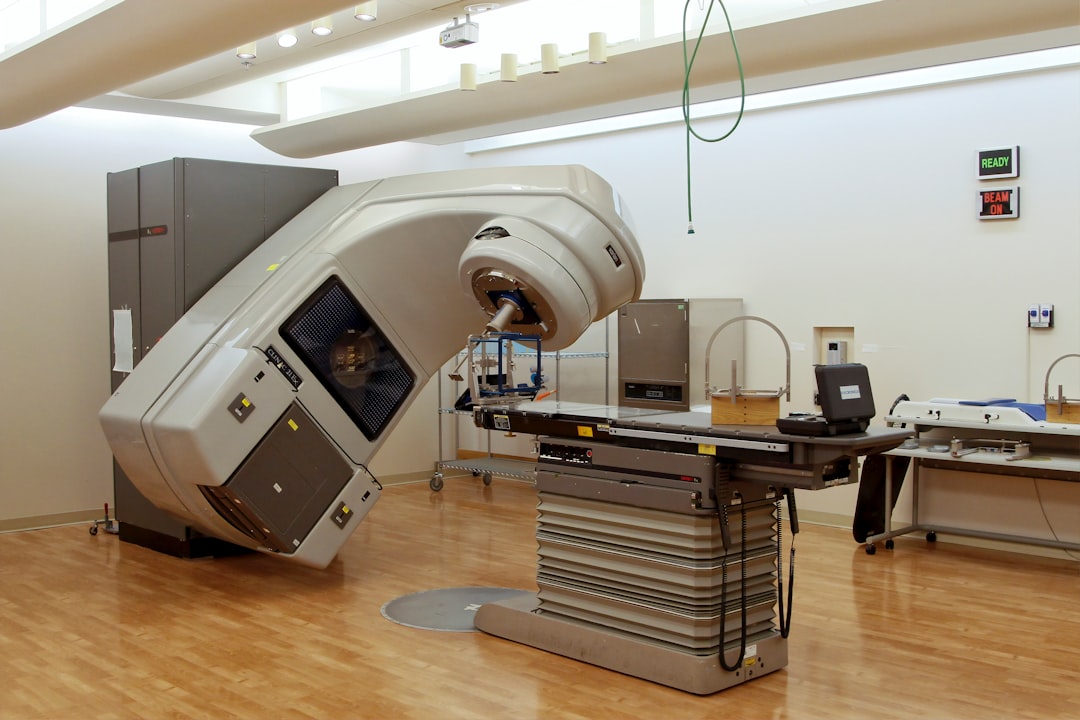
Invasive Lobular Carcinoma (ILC) is a distinct subtype of breast cancer characterized by its unique histological features and growth patterns. Unlike the more common invasive ductal carcinoma, ILC arises from the lobules of the breast, which are the glands responsible for milk production. This malignancy is known for its subtle presentation and often insidious growth, making early detection challenging.
The cancer cells in ILC tend to invade surrounding tissues in a single-file pattern, which can lead to a delayed diagnosis as it may not form a palpable mass. The incidence of ILC has been on the rise, accounting for approximately 10-15% of all breast cancer cases. It is more frequently diagnosed in postmenopausal women, although it can occur in younger individuals as well.
The histopathological examination reveals small, non-cohesive cells that invade the stroma, often leading to a desmoplastic reaction. This unique growth pattern can result in a higher likelihood of multifocality and bilaterality compared to other breast cancer types.
Key Takeaways
- Invasive Lobular Carcinoma is a type of breast cancer that starts in the lobules of the breast and can spread to other parts of the body.
- Signs and symptoms of invasive lobular carcinoma may include a thickening or swelling in the breast, changes in the skin, and nipple discharge.
- Risk factors for invasive lobular carcinoma include a family history of breast cancer, hormone replacement therapy, and genetic mutations such as BRCA1 and BRCA2.
- Diagnosis and staging of invasive lobular carcinoma involves imaging tests, biopsies, and determining the size and spread of the cancer.
- Treatment options for invasive lobular carcinoma may include surgery, radiation therapy, chemotherapy, hormone therapy, and targeted therapy.
Signs and Symptoms of Invasive Lobular Carcinoma
The clinical presentation of Invasive Lobular Carcinoma can be quite subtle, often leading to misdiagnosis or delayed detection. Patients may report symptoms such as a palpable lump, which may not be easily identifiable due to the diffuse nature of the tumor. Unlike other breast cancers that typically present as a distinct mass, ILC may manifest as thickening or changes in breast tissue texture.
Some patients may also experience changes in breast shape or size, which can be mistaken for benign conditions. In addition to physical changes, systemic symptoms may arise as the disease progresses. These can include unexplained weight loss, fatigue, and changes in appetite.
It is crucial for individuals to be vigilant about any alterations in their breast tissue and seek medical evaluation promptly. Regular self-examinations and clinical breast exams are essential for early detection, especially given the insidious nature of ILC.
Risk Factors for Invasive Lobular Carcinoma
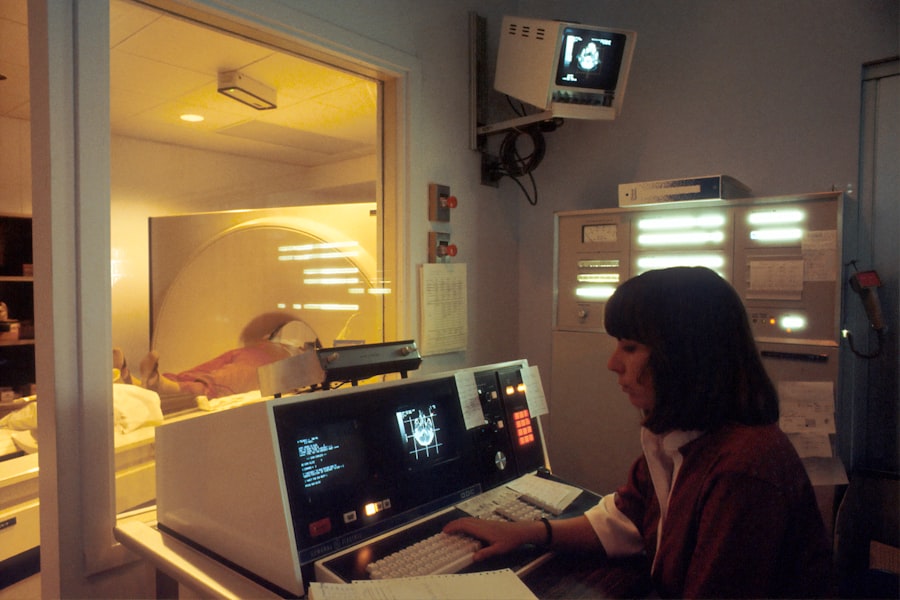
Several risk factors have been identified that may increase the likelihood of developing Invasive Lobular Carcinoma. Age is a significant factor, with the majority of cases occurring in women over 50 years old.
Genetic predispositions, particularly mutations in the BRCA1 and BRCA2 genes, have also been linked to an increased incidence of ILC. Hormonal factors are another critical aspect to consider.
Prolonged exposure to estrogen, whether through hormone replacement therapy or early menarche and late menopause, can elevate risk levels. Additionally, lifestyle factors such as obesity, sedentary behavior, and alcohol consumption have been associated with a higher likelihood of developing breast cancer, including ILUnderstanding these risk factors is vital for implementing preventive strategies and early screening measures.
Diagnosis and Staging of Invasive Lobular Carcinoma
| Diagnosis and Staging of Invasive Lobular Carcinoma | |
|---|---|
| Diagnostic Imaging | Mammogram, Ultrasound, MRI, Breast Biopsy |
| Pathology | Biopsy, Histological Examination, Hormone Receptor Testing |
| Staging | Tumor Size, Lymph Node Involvement, Metastasis, TNM Staging System |
| Prognostic Factors | Tumor Grade, Hormone Receptor Status, HER2 Status, Ki-67 Index |
The diagnostic process for Invasive Lobular Carcinoma typically begins with imaging studies such as mammography or ultrasound. These modalities may reveal abnormalities that warrant further investigation through biopsy. A core needle biopsy is often performed to obtain tissue samples for histopathological examination, which is essential for confirming the diagnosis.
The unique cellular characteristics of ILC can sometimes lead to misinterpretation; therefore, pathologists must be well-versed in recognizing its distinct features. Once diagnosed, staging is crucial for determining the extent of disease spread and guiding treatment decisions. The American Joint Committee on Cancer (AJCC) staging system is commonly utilized, which considers tumor size (T), lymph node involvement (N), and distant metastasis (M).
Staging helps clinicians assess prognosis and tailor treatment plans accordingly. Advanced imaging techniques such as MRI or PET scans may be employed to evaluate potential metastasis and provide a comprehensive overview of the disease.
Treatment Options for Invasive Lobular Carcinoma
The treatment landscape for Invasive Lobular Carcinoma is multifaceted and tailored to individual patient needs based on tumor characteristics and staging. Surgical intervention remains a cornerstone of treatment, with options including lumpectomy or mastectomy depending on tumor size and location. Sentinel lymph node biopsy may also be performed to assess lymphatic spread.
Adjuvant therapies play a significant role in managing ILC post-surgery. Hormonal therapy is particularly effective for hormone receptor-positive tumors, with agents such as tamoxifen or aromatase inhibitors being commonly prescribed. Chemotherapy may be indicated in cases with aggressive features or high-risk profiles, utilizing regimens tailored to the patient’s specific tumor biology.
Targeted therapies are also emerging as promising options, particularly for patients with specific genetic mutations.
Prognosis and Survival Rates for Invasive Lobular Carcinoma
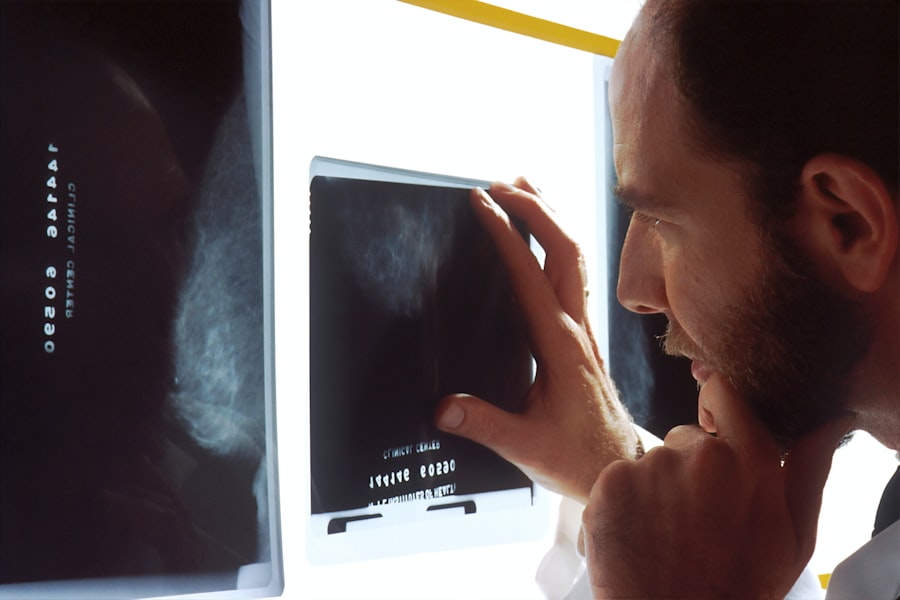
The prognosis for patients diagnosed with Invasive Lobular Carcinoma can vary significantly based on several factors, including tumor stage at diagnosis, hormone receptor status, and response to treatment. Generally, ILC has a favorable prognosis compared to other breast cancer subtypes when detected early. The five-year survival rate for localized ILC is approximately 90%, while advanced stages may see rates drop significantly.
Long-term outcomes are influenced by the tumor’s biological characteristics; hormone receptor-positive tumors tend to have better prognoses than triple-negative variants. Continuous advancements in treatment modalities and personalized medicine are contributing to improved survival rates over time. Regular follow-up care and monitoring are essential components of survivorship plans to detect any recurrence early.
Hormone Receptor Status and Invasive Lobular Carcinoma
Hormone receptor status plays a pivotal role in the management of Invasive Lobular Carcinoma. Approximately 70-80% of ILC cases are estrogen receptor-positive (ER+), making them amenable to hormonal therapies that target estrogen signaling pathways. The presence of progesterone receptors (PR) further influences treatment decisions; tumors that are both ER+ and PR+ generally respond well to hormonal therapies.
Understanding hormone receptor status is crucial not only for treatment planning but also for prognostic assessment. Patients with ER+ ILC often have better outcomes due to the effectiveness of adjuvant hormonal therapies such as tamoxifen or aromatase inhibitors. Conversely, hormone receptor-negative tumors may require more aggressive treatment approaches, including chemotherapy or targeted therapies.
Genetic Testing and Invasive Lobular Carcinoma
Genetic testing has become an integral part of managing Invasive Lobular Carcinoma, particularly for patients with a family history of breast cancer or those diagnosed at a young age. Testing for mutations in BRCA1 and BRCA2 genes can provide valuable insights into hereditary cancer risks and guide treatment decisions. Identifying these mutations allows healthcare providers to recommend preventive measures for at-risk family members.
Additionally, emerging genetic tests such as Oncotype DX or MammaPrint assess tumor gene expression profiles to predict recurrence risk and guide chemotherapy decisions. These tests help tailor treatment plans based on individual tumor biology rather than relying solely on traditional clinical factors.
Lifestyle Changes and Prevention of Invasive Lobular Carcinoma
Preventive strategies play a crucial role in reducing the risk of developing Invasive Lobular Carcinoma. Lifestyle modifications such as maintaining a healthy weight through regular physical activity and balanced nutrition can significantly impact overall breast cancer risk. Limiting alcohol consumption and avoiding tobacco use are also essential components of a preventive strategy.
Regular screening through mammograms is vital for early detection, especially for women with elevated risk factors. Genetic counseling and testing should be considered for individuals with a strong family history of breast cancer or known genetic mutations. Engaging in proactive health behaviors can empower individuals to take charge of their breast health and potentially reduce their risk of developing ILC.
Support and Resources for Invasive Lobular Carcinoma Patients
Navigating a diagnosis of Invasive Lobular Carcinoma can be overwhelming; therefore, support systems are essential for patients and their families. Numerous organizations provide resources tailored specifically for breast cancer patients, including educational materials, support groups, and counseling services. The American Cancer Society and Susan G.
Komen Foundation offer comprehensive resources that address various aspects of living with breast cancer. Connecting with other survivors through support groups can provide emotional support and practical advice on coping strategies during treatment and recovery.
Research and Advances in Invasive Lobular Carcinoma Treatment
Ongoing research into Invasive Lobular Carcinoma is paving the way for innovative treatment approaches that enhance patient outcomes. Clinical trials exploring novel targeted therapies and immunotherapies are underway, aiming to improve efficacy while minimizing side effects associated with traditional treatments. Investigations into the molecular underpinnings of ILC are also shedding light on potential biomarkers that could guide personalized treatment strategies.
Advancements in imaging techniques are enhancing early detection capabilities, allowing for more precise staging and treatment planning. As our understanding of the genetic landscape of ILC evolves, new therapeutic targets are being identified that hold promise for improving survival rates among patients diagnosed with this challenging subtype of breast cancer. In summary, Invasive Lobular Carcinoma represents a unique challenge within the realm of breast cancer due to its distinct biological behavior and presentation.
Early detection through vigilant screening practices remains paramount in improving outcomes for affected individuals. Understanding risk factors, hormone receptor status, and genetic predispositions can guide personalized treatment approaches while lifestyle modifications contribute to prevention efforts. Ongoing research continues to unveil new therapeutic avenues that hold promise for enhancing patient care in this complex disease landscape.
Invasive lobular carcinoma is a type of breast cancer that starts in the lobules of the breast. It is important for women to be aware of the signs and symptoms of this disease in order to catch it early and seek treatment. For more information on breast cancer awareness and prevention, check out this informative article on celebrating National traditions.
FAQs
What is invasive lobular carcinoma?
Invasive lobular carcinoma is a type of breast cancer that begins in the milk-producing glands (lobules) of the breast and then spreads to surrounding tissues.
How common is invasive lobular carcinoma?
Invasive lobular carcinoma accounts for about 10-15% of all breast cancers.
What are the symptoms of invasive lobular carcinoma?
Symptoms of invasive lobular carcinoma may include a thickening or swelling in the breast, changes in the shape or size of the breast, nipple discharge, or a new lump in the breast or underarm.
How is invasive lobular carcinoma diagnosed?
Invasive lobular carcinoma is typically diagnosed through a combination of physical examination, imaging tests (such as mammograms or ultrasounds), and a biopsy to examine the tissue for cancer cells.
What are the treatment options for invasive lobular carcinoma?
Treatment for invasive lobular carcinoma may include surgery, chemotherapy, radiation therapy, hormone therapy, and targeted therapy, depending on the stage and characteristics of the cancer.
What are the risk factors for invasive lobular carcinoma?
Risk factors for invasive lobular carcinoma include being female, increasing age, a family history of breast cancer, genetic mutations (such as BRCA1 or BRCA2), and hormone replacement therapy.
Can invasive lobular carcinoma be prevented?
While there is no guaranteed way to prevent invasive lobular carcinoma, maintaining a healthy lifestyle, limiting alcohol consumption, and avoiding hormone replacement therapy may help reduce the risk. Regular breast cancer screenings and self-exams are also important for early detection.