Now Reading: Understanding Hypertensive Heart Disease and Heart Failure
-
01
Understanding Hypertensive Heart Disease and Heart Failure
Understanding Hypertensive Heart Disease and Heart Failure
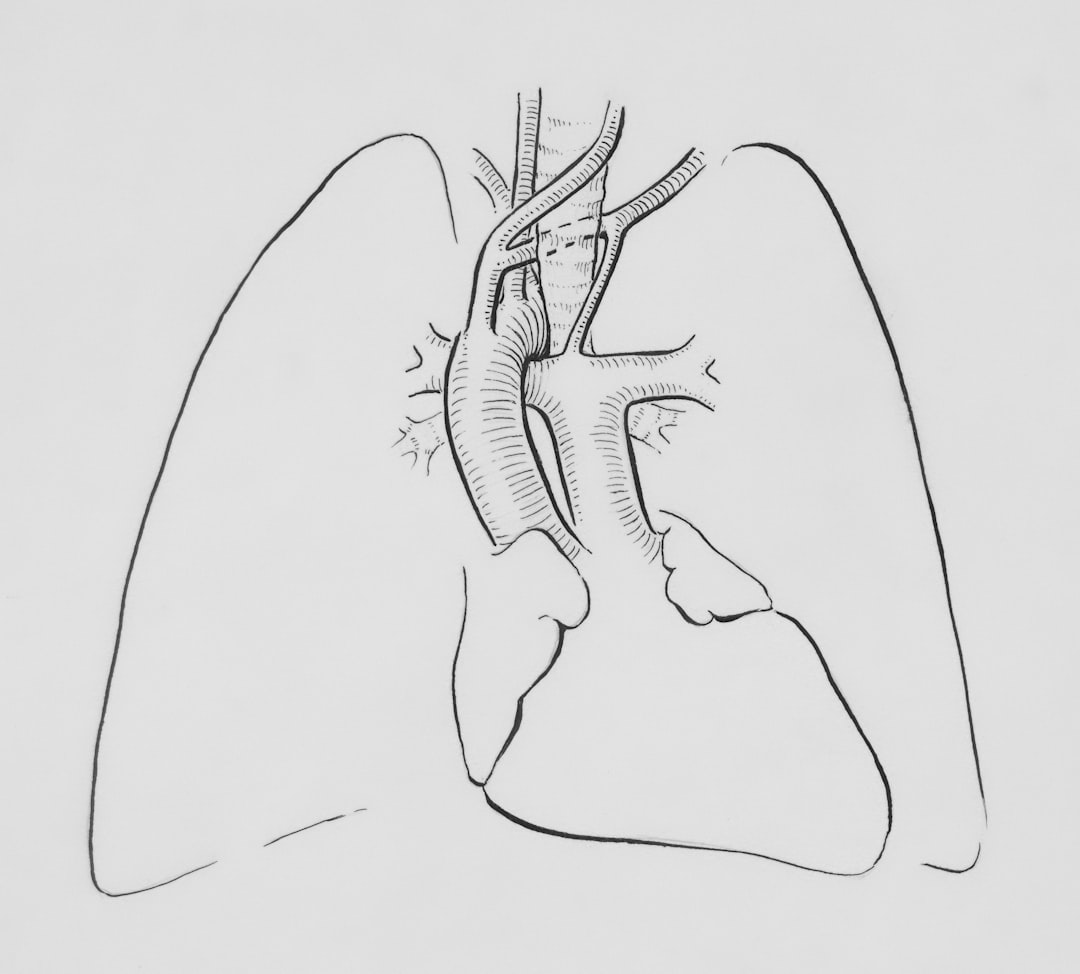
Hypertensive heart disease (HHD) is a term that encompasses a range of cardiovascular conditions that arise as a direct consequence of chronic hypertension, or high blood pressure. This condition is characterized by the heart’s adaptation to the increased workload imposed by elevated arterial pressure, leading to structural and functional changes in the heart muscle. The most common manifestations of HHD include left ventricular hypertrophy (LVH), heart failure, and ischemic heart disease.
The prevalence of hypertensive heart disease is alarming, with estimates suggesting that it affects approximately 30% of individuals with hypertension, making it a significant public health concern. The pathophysiology of hypertensive heart disease involves a complex interplay between hemodynamic stress and neurohormonal activation. Over time, the heart muscle thickens in response to the increased pressure, which can lead to reduced ventricular compliance and impaired diastolic filling.
As the disease progresses, the risk of arrhythmias, myocardial ischemia, and ultimately heart failure increases. Understanding the mechanisms underlying HHD is crucial for developing effective prevention and treatment strategies.
Key Takeaways
- Hypertensive Heart Disease is a condition that occurs when high blood pressure causes the heart to work harder than normal, leading to damage and strain on the heart muscle.
- Causes and risk factors for Hypertensive Heart Disease include high blood pressure, obesity, smoking, excessive alcohol consumption, and a family history of heart disease.
- Symptoms and signs of Hypertensive Heart Disease may include chest pain, shortness of breath, fatigue, swelling in the legs, and irregular heartbeat.
- Diagnosis and tests for Hypertensive Heart Disease may involve blood pressure monitoring, electrocardiogram (ECG), echocardiogram, and cardiac MRI.
- Treatment options for Hypertensive Heart Disease may include lifestyle changes, medication to lower blood pressure, and in severe cases, surgery to repair or replace damaged heart valves.
- Complications of Hypertensive Heart Disease can include heart failure, heart attack, stroke, and kidney damage.
- Heart failure is a condition where the heart is unable to pump enough blood to meet the body’s needs, leading to symptoms such as shortness of breath, fatigue, and swelling in the legs.
- Types and stages of heart failure include left-sided heart failure, right-sided heart failure, and stages ranging from A (at risk for heart failure) to D (advanced heart failure).
- Symptoms and signs of heart failure may include shortness of breath, fatigue, swelling in the legs, rapid or irregular heartbeat, and persistent coughing or wheezing.
- Diagnosis and tests for heart failure may involve blood tests, chest X-ray, electrocardiogram (ECG), echocardiogram, and cardiac MRI.
- Treatment options for heart failure may include lifestyle changes, medication, implantable devices, and in severe cases, heart transplant.
Causes and Risk Factors for Hypertensive Heart Disease
The primary cause of hypertensive heart disease is chronic hypertension, which can be classified as either primary (essential) or secondary hypertension. Primary hypertension has no identifiable cause and is influenced by genetic predisposition, lifestyle factors, and environmental influences. Secondary hypertension, on the other hand, results from identifiable conditions such as renal disease, endocrine disorders, or certain medications.
Several risk factors contribute to the development of hypertensive heart disease. These include: 1. **Age**: The risk of developing hypertension and its complications increases with age.
2.
**Obesity**: Excess body weight is associated with increased blood pressure and strain on the heart.
3. **Sedentary Lifestyle**: Physical inactivity contributes to obesity and poor cardiovascular health.
4. **Diet**: High sodium intake, low potassium consumption, and excessive alcohol use can elevate blood pressure.
5.
**Family History**: A genetic predisposition to hypertension can increase an individual’s risk.
6. **Smoking**: Tobacco use damages blood vessels and exacerbates hypertension.
7. **Chronic Stress**: Prolonged stress can lead to unhealthy coping mechanisms that contribute to hypertension.
Addressing these risk factors through lifestyle modifications and medical interventions is essential for preventing hypertensive heart disease.
Symptoms and Signs of Hypertensive Heart Disease
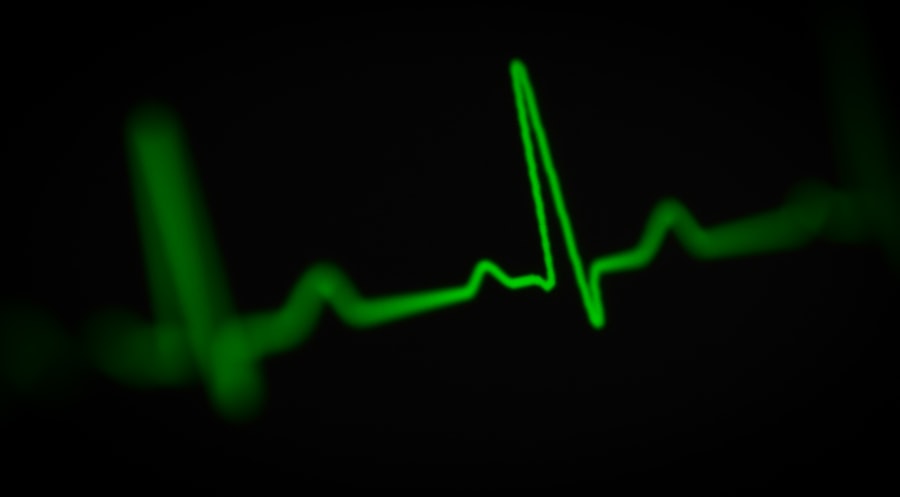
Hypertensive heart disease may remain asymptomatic in its early stages, making it challenging to detect without regular monitoring of blood pressure. However, as the condition progresses, patients may experience a range of symptoms that indicate cardiac dysfunction. Common signs include: 1.
2. **Chest Pain**: Angina pectoris may occur due to reduced blood flow to the myocardium.
3.
**Fatigue**: A general sense of tiredness can result from decreased cardiac output.
4. **Palpitations**: Irregular heartbeats or a racing heart may be experienced due to arrhythmias.
5. **Swelling**: Peripheral edema in the legs or abdomen can occur due to fluid retention.
Recognizing these symptoms early is vital for timely intervention and management of hypertensive heart disease.
Diagnosis and Tests for Hypertensive Heart Disease
| Diagnosis and Tests for Hypertensive Heart Disease |
|---|
| 1. Blood pressure measurement |
| 2. Echocardiogram |
| 3. Electrocardiogram (ECG or EKG) |
| 4. Stress test |
| 5. Cardiac catheterization |
The diagnosis of hypertensive heart disease typically begins with a thorough medical history and physical examination. Blood pressure measurements are essential for identifying hypertension, with readings consistently above 130/80 mmHg indicating potential issues. To further evaluate cardiac function and structure, healthcare providers may employ several diagnostic tests: 1.
**Electrocardiogram (ECG)**: This test assesses electrical activity in the heart and can reveal signs of left ventricular hypertrophy or arrhythmias.
2. **Echocardiogram**: An ultrasound of the heart provides detailed images of cardiac structure and function, allowing for assessment of ventricular size and wall thickness.
3. **Chest X-ray**: This imaging study can help identify cardiomegaly (enlarged heart) or pulmonary congestion.
4.
**Blood Tests**: Laboratory tests may be conducted to evaluate kidney function, electrolyte levels, and markers of cardiac stress such as B-type natriuretic peptide (BNP). These diagnostic tools are crucial for establishing a definitive diagnosis and guiding treatment decisions.
Treatment Options for Hypertensive Heart Disease
Management of hypertensive heart disease focuses on controlling blood pressure and alleviating symptoms while preventing further cardiac damage. Treatment strategies typically include lifestyle modifications and pharmacological interventions. 1. **Lifestyle Modifications**:
– **Dietary Changes**: Adopting a heart-healthy diet rich in fruits, vegetables, whole grains, lean proteins, and low in sodium can significantly lower blood pressure.
– **Regular Exercise**: Engaging in moderate physical activity for at least 150 minutes per week can improve cardiovascular health.
– **Weight Management**: Achieving and maintaining a healthy weight reduces strain on the heart.
– **Smoking Cessation**: Quitting tobacco use is essential for improving overall cardiovascular health. 2. **Pharmacological Treatments**:
– **Antihypertensives**: Medications such as ACE inhibitors (e.g., lisinopril), angiotensin II receptor blockers (e.g., losartan), beta-blockers (e.g., metoprolol), calcium channel blockers (e.g., amlodipine), and diuretics (e.g., hydrochlorothiazide) are commonly prescribed to manage blood pressure.
– **Heart Failure Medications**: In cases where heart failure develops, additional medications such as aldosterone antagonists (e.g., spironolactone) or beta-blockers may be indicated to improve cardiac function. Regular follow-up with healthcare providers is essential to monitor treatment efficacy and make necessary adjustments.
Complications of Hypertensive Heart Disease
Hypertensive heart disease can lead to several serious complications that significantly impact patient quality of life and longevity. Some of the most common complications include: 1. **Heart Failure**: The progressive nature of HHD can culminate in heart failure, characterized by the heart’s inability to pump sufficient blood to meet the body’s needs.
2.
**Coronary Artery Disease (CAD)**: Chronic hypertension contributes to atherosclerosis, increasing the risk of myocardial infarction (heart attack).
3.
4. **Stroke**: Hypertension is a major risk factor for both ischemic and hemorrhagic strokes due to its effects on vascular integrity.
Understanding these complications underscores the importance of early detection and management of hypertensive heart disease.
Understanding Heart Failure
Heart failure is a complex clinical syndrome that arises when the heart cannot pump enough blood to meet the body’s metabolic demands. It can result from various underlying conditions, including hypertensive heart disease, coronary artery disease, valvular heart disease, and cardiomyopathies. Heart failure can be classified into two main categories based on ejection fraction: heart failure with preserved ejection fraction (HFpEF) and heart failure with reduced ejection fraction (HFrEF).
The pathophysiology of heart failure involves neurohormonal activation, leading to fluid retention, increased vascular resistance, and ultimately further deterioration of cardiac function. Patients with heart failure often experience a decline in exercise tolerance, fatigue, and fluid overload symptoms such as edema.
Types and Stages of Heart Failure
Heart failure can be categorized into various types based on its etiology and functional status: 1. **Systolic Heart Failure**: Characterized by reduced ejection fraction (2. **Diastolic Heart Failure**: In this form, ejection fraction is preserved (>50%), but the heart’s ability to fill properly during diastole is impaired.
3.
**Acute Heart Failure**: This type presents suddenly and requires immediate medical attention; it may be precipitated by acute myocardial infarction or severe hypertension.
4. **Chronic Heart Failure**: A long-term condition that develops gradually over time; it often requires ongoing management. The New York Heart Association (NYHA) classification system further categorizes heart failure into four functional classes based on symptom severity during physical activity.
Symptoms and Signs of Heart Failure
Patients with heart failure may present with a variety of symptoms that reflect impaired cardiac function: 1. **Dyspnea**: Shortness of breath during exertion or at rest is a hallmark symptom.
2. **Fatigue**: A persistent sense of tiredness can result from inadequate cardiac output.
3.
**Edema**: Swelling in the legs, ankles, or abdomen due to fluid retention is common.
4. **Coughing or Wheezing**: Fluid accumulation in the lungs may lead to respiratory symptoms.
5. **Rapid or Irregular Heartbeat**: Palpitations may occur as the body attempts to compensate for reduced cardiac output.
Recognizing these symptoms early allows for prompt intervention and management.
Diagnosis and Tests for Heart Failure
Diagnosing heart failure involves a comprehensive evaluation that includes medical history, physical examination, and diagnostic testing: 1. **Physical Examination**: Clinicians assess for signs such as jugular venous distension, pulmonary crackles, and peripheral edema.
2. **Blood Tests**: Laboratory tests may include measuring BNP levels, which are elevated in heart failure.
3.
**Imaging Studies**: Echocardiography is crucial for assessing cardiac structure and function; it provides information on ejection fraction and wall motion abnormalities.
4. **Stress Testing**: Exercise or pharmacologic stress tests may be performed to evaluate functional capacity. These diagnostic modalities are essential for confirming the diagnosis of heart failure and determining its underlying cause.
Treatment Options for Heart Failure
Management strategies for heart failure focus on alleviating symptoms, improving quality of life, and prolonging survival: 1. **Lifestyle Modifications**:
– Adopting a low-sodium diet helps manage fluid retention.
– Engaging in regular physical activity tailored to individual tolerance levels can enhance functional capacity. 2. **Pharmacological Treatments**:
– **ACE Inhibitors** (e.g., lisinopril): These medications help relax blood vessels and reduce workload on the heart.
– **Beta-Blockers** (e.g., carvedilol): They improve survival rates by reducing heart rate and myocardial oxygen demand.
– **Diuretics** (e.g., furosemide): These agents help eliminate excess fluid from the body.
– **Aldosterone Antagonists** (e.g., spironolactone): They provide additional benefits in reducing morbidity and mortality in certain patients. In advanced cases of heart failure, options such as implantable devices (e.g., left ventricular assist devices) or heart transplantation may be considered. In summary, hypertensive heart disease represents a significant cardiovascular condition resulting from chronic hypertension that leads to various complications including heart failure. Understanding its causes, symptoms, diagnosis, treatment options, and potential complications is crucial for effective management. Early detection through regular monitoring and lifestyle modifications can significantly improve outcomes for individuals at risk for this condition.
For more information on hypertensive heart disease with heart failure, you can check out the article Amazon Stock Price Analysis for 2025. This article delves into the future trends and predictions for Amazon’s stock price, providing a detailed analysis that can help investors make informed decisions. Understanding the complexities of stock trends can be similar to understanding the complexities of heart disease, making this article a valuable resource for those looking to gain insight into both financial and medical matters.
FAQs
What is hypertensive heart disease with heart failure?
Hypertensive heart disease with heart failure is a condition where high blood pressure (hypertension) has caused damage to the heart, leading to heart failure. This means that the heart is unable to pump blood effectively, leading to symptoms such as shortness of breath, fatigue, and swelling in the legs and abdomen.
What causes hypertensive heart disease with heart failure?
Hypertensive heart disease with heart failure is primarily caused by long-term high blood pressure, which puts strain on the heart and can lead to thickening of the heart muscle, reduced blood flow to the heart, and ultimately heart failure.
What are the symptoms of hypertensive heart disease with heart failure?
Symptoms of hypertensive heart disease with heart failure can include shortness of breath, fatigue, swelling in the legs and abdomen, rapid or irregular heartbeat, and difficulty exercising.
How is hypertensive heart disease with heart failure diagnosed?
Diagnosis of hypertensive heart disease with heart failure typically involves a physical examination, medical history review, blood tests, imaging tests such as echocardiograms, and possibly a cardiac catheterization to assess the function of the heart.
What are the treatment options for hypertensive heart disease with heart failure?
Treatment for hypertensive heart disease with heart failure may include lifestyle changes, medications to lower blood pressure and improve heart function, and in some cases, procedures such as angioplasty or surgery to improve blood flow to the heart.
Can hypertensive heart disease with heart failure be prevented?
Hypertensive heart disease with heart failure can be prevented or its progression slowed by managing high blood pressure through lifestyle changes such as a healthy diet, regular exercise, limiting alcohol intake, and avoiding tobacco use. Regular monitoring and management of blood pressure is also important.