Now Reading: Understanding CVA in Cardiology
-
01
Understanding CVA in Cardiology
Understanding CVA in Cardiology
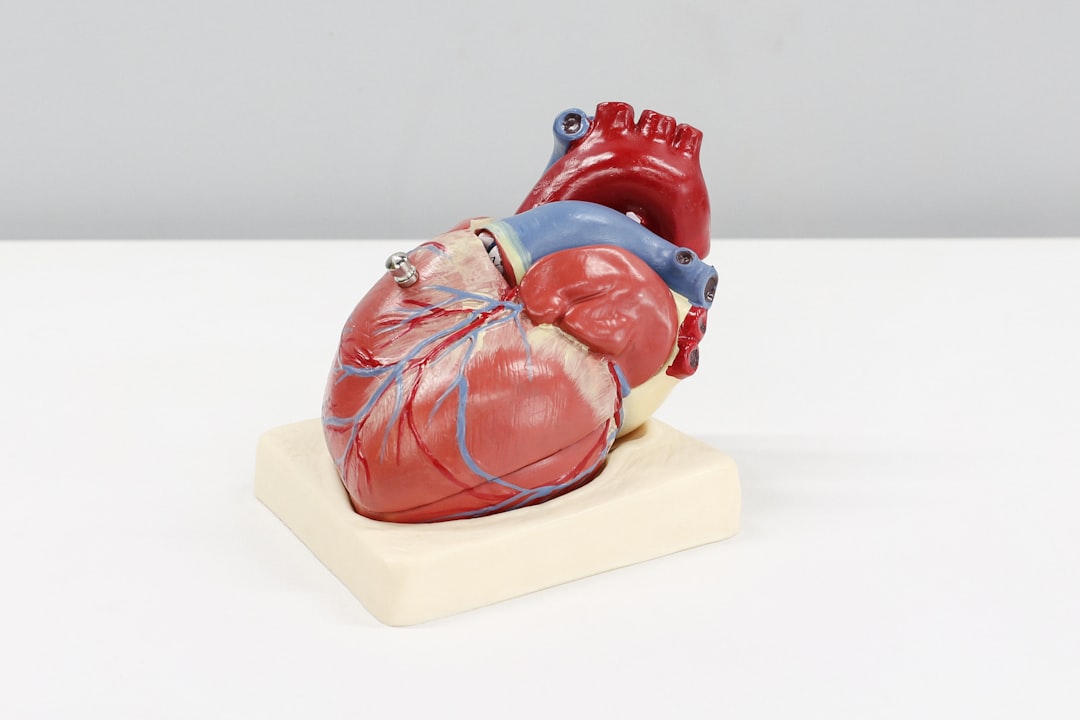
Cerebrovascular accident (CVA), commonly referred to as a stroke, represents a significant health concern within the realm of cardiology. This acute medical condition arises from the disruption of blood flow to the brain, leading to potential neurological deficits. The interplay between cardiovascular health and cerebrovascular incidents is profound, as underlying heart conditions can precipitate strokes.
Understanding the intricate relationship between these two domains is essential for effective prevention, diagnosis, and management strategies. The prevalence of CVA is alarming, with approximately 795,000 individuals experiencing a stroke annually in the United States alone. This statistic underscores the urgency for healthcare professionals to prioritize awareness and education regarding CVA in cardiology.
As the global population ages and lifestyle-related risk factors proliferate, the incidence of strokes is expected to rise, necessitating a comprehensive approach to address this multifaceted issue.
Key Takeaways
- CVA, or cerebrovascular accident, is a serious medical condition that affects the blood supply to the brain and can have significant impact on cardiovascular health.
- CVA is closely related to cardiology as it can be caused by cardiovascular diseases such as atherosclerosis, hypertension, and atrial fibrillation.
- Causes and risk factors for CVA in cardiology include high blood pressure, smoking, diabetes, and high cholesterol, among others.
- Symptoms and signs of CVA in cardiology may include sudden weakness or numbness, difficulty speaking or understanding speech, and severe headache.
- Diagnosis and testing for CVA in cardiology may involve imaging tests such as MRI or CT scans, as well as blood tests to assess risk factors and underlying conditions.
What is CVA and how does it relate to cardiology?
CVA refers to a sudden loss of brain function due to an interruption in blood supply, which can occur through two primary mechanisms: ischemic and hemorrhagic strokes. Ischemic strokes account for approximately 87% of all cases and result from arterial occlusion, often due to thrombosis or embolism. Conversely, hemorrhagic strokes arise from the rupture of blood vessels, leading to bleeding within or around the brain.
The relationship between CVA and cardiology is critical, as cardiovascular diseases such as hypertension, atrial fibrillation, and coronary artery disease significantly elevate the risk of stroke. For instance, individuals with atrial fibrillation are five times more likely to experience an ischemic stroke due to the formation of thrombi in the heart that can subsequently embolize to cerebral circulation. Thus, cardiologists play a pivotal role in identifying at-risk patients and implementing preventive measures.
Causes and risk factors for CVA in cardiology
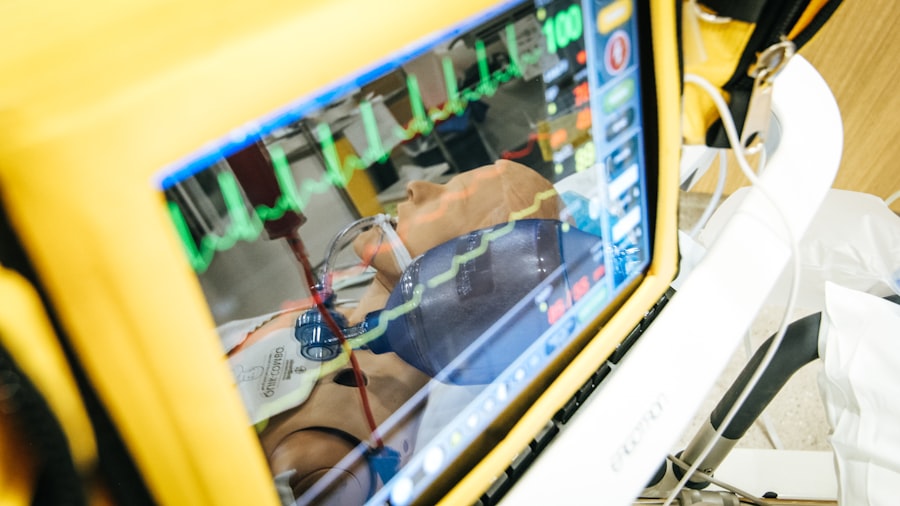
Several etiological factors contribute to the onset of CVA, many of which are intertwined with cardiovascular health. Hypertension stands out as the most significant modifiable risk factor, with studies indicating that each 10 mmHg increase in systolic blood pressure correlates with a 30-40% increase in stroke risk. Other notable contributors include hyperlipidemia, diabetes mellitus, smoking, obesity, and sedentary lifestyle.
Additionally, non-modifiable risk factors such as age, gender, and genetic predisposition also play a role in stroke susceptibility. For instance, individuals over the age of 55 are at a heightened risk, while men generally experience strokes at younger ages compared to women. Furthermore, a family history of cardiovascular disease can predispose individuals to both heart conditions and cerebrovascular events.
Symptoms and signs of CVA in cardiology
| Symptoms and signs of CVA in cardiology |
|---|
| Weakness or paralysis of the face, arm, or leg, typically on one side of the body |
| Sudden difficulty speaking or understanding speech |
| Loss of vision in one or both eyes |
| Sudden severe headache with no known cause |
| Dizziness, loss of balance, or coordination |
| Numbness or tingling, especially on one side of the body |
Recognizing the symptoms of CVA is crucial for timely intervention and minimizing long-term neurological damage. The American Stroke Association emphasizes the acronym FAST—Face drooping, Arm weakness, Speech difficulties, and Time to call emergency services—as a mnemonic for identifying stroke symptoms. Other manifestations may include sudden confusion, trouble seeing in one or both eyes, and loss of balance or coordination.
In some cases, transient ischemic attacks (TIAs) may precede a full-blown stroke. TIAs are characterized by temporary neurological deficits that resolve within 24 hours but serve as critical warning signs for impending cerebrovascular events. Patients experiencing TIAs should be evaluated promptly to mitigate the risk of subsequent strokes.
Diagnosis and testing for CVA in cardiology
The diagnostic process for CVA involves a combination of clinical assessment and advanced imaging techniques. Upon presentation, healthcare providers conduct a thorough neurological examination to assess cognitive function, motor skills, and sensory perception. The National Institutes of Health Stroke Scale (NIHSS) is often employed to quantify stroke severity.
Imaging modalities such as computed tomography (CT) scans and magnetic resonance imaging (MRI) are essential for differentiating between ischemic and hemorrhagic strokes. CT scans are typically performed first due to their rapid availability and ability to rule out hemorrhage. MRI provides more detailed information regarding brain tissue damage and can identify ischemic changes earlier than CT.
Additional tests may include carotid ultrasound to evaluate blood flow in the carotid arteries, echocardiography to assess cardiac function and identify potential sources of emboli, and blood tests to evaluate coagulation status and lipid profiles.
Treatment options for CVA in cardiology
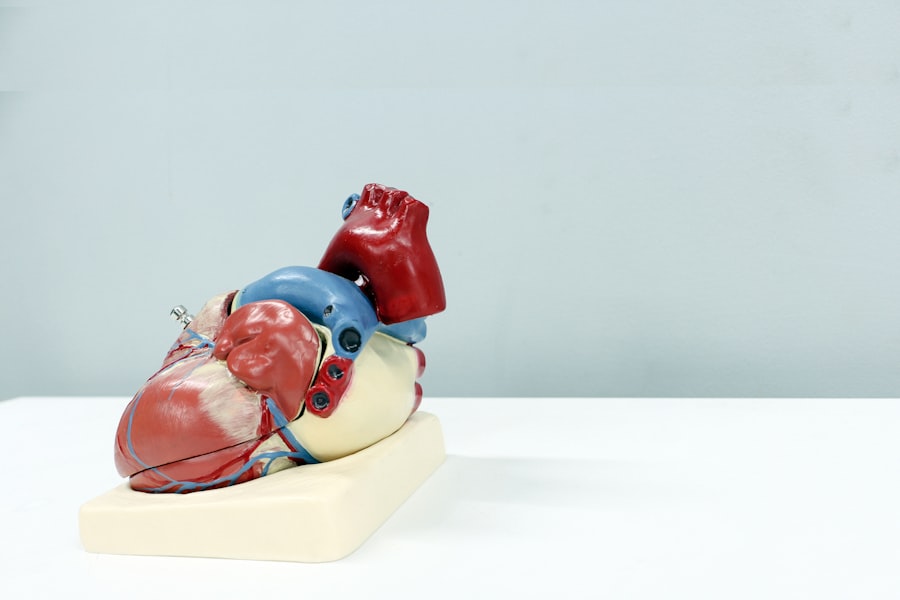
The treatment approach for CVA is contingent upon the type of stroke and the time elapsed since symptom onset. For ischemic strokes, intravenous thrombolysis with tissue plasminogen activator (tPA) is the gold standard if administered within a 3-4.5 hour window from symptom onset. This medication works by dissolving the clot obstructing blood flow to the brain.
In cases where tPA is contraindicated or not feasible, mechanical thrombectomy may be performed within 24 hours of symptom onset for eligible patients with large vessel occlusions. This minimally invasive procedure involves the removal of the clot using specialized devices. For hemorrhagic strokes, management focuses on controlling intracranial pressure and addressing the underlying cause of bleeding.
Surgical interventions may be necessary to repair ruptured vessels or evacuate hematomas.
Prevention strategies for CVA in cardiology
Preventive measures are paramount in reducing the incidence of CVA among at-risk populations. Lifestyle modifications play a crucial role; adopting a heart-healthy diet rich in fruits, vegetables, whole grains, and lean proteins can significantly lower stroke risk. Regular physical activity—aiming for at least 150 minutes of moderate exercise weekly—can also improve cardiovascular health.
Pharmacological interventions may be warranted for individuals with established risk factors. Antihypertensive medications are essential for managing high blood pressure, while statins can help control hyperlipidemia. Anticoagulants such as warfarin or direct oral anticoagulants (DOACs) are indicated for patients with atrial fibrillation to prevent thromboembolic events.
Education on smoking cessation is vital; tobacco use is a well-established risk factor for both cardiovascular disease and stroke. Support programs and pharmacotherapy can aid individuals in quitting smoking effectively.
Impact of CVA on cardiovascular health
CVA has profound implications for overall cardiovascular health. Survivors often experience significant morbidity, including physical disabilities, cognitive impairments, and emotional challenges such as depression and anxiety. These complications can lead to decreased quality of life and increased healthcare utilization.
Moreover, individuals who have experienced a stroke are at an elevated risk for subsequent cardiovascular events. The presence of cerebrovascular disease often correlates with systemic atherosclerosis, increasing susceptibility to myocardial infarction and other cardiovascular complications.
Complications and long-term effects of CVA in cardiology
The aftermath of a CVA can be multifaceted, with various complications arising during recovery. Common issues include spasticity, dysphagia (difficulty swallowing), aphasia (language impairment), and cognitive deficits that may hinder daily functioning. These complications necessitate comprehensive rehabilitation strategies tailored to individual needs.
Long-term effects may also encompass an increased risk of recurrent strokes or other cardiovascular events due to persistent risk factors that remain unaddressed post-stroke. Continuous monitoring and management of these factors are essential components of post-stroke care.
Rehabilitation and recovery after CVA in cardiology
Rehabilitation following a CVA is critical for maximizing recovery potential and enhancing quality of life. A multidisciplinary approach involving physical therapists, occupational therapists, speech-language pathologists, and neuropsychologists is often employed to address various aspects of recovery. Therapeutic interventions focus on regaining motor function, improving communication skills, and enhancing cognitive abilities.
Early initiation of rehabilitation services has been shown to yield better outcomes; therefore, timely referral to rehabilitation programs is essential. Family involvement in rehabilitation efforts can also facilitate emotional support and motivation for patients during their recovery journey.
Future research and developments in understanding CVA in cardiology
Ongoing research endeavors aim to elucidate the complex mechanisms underlying CVA and its relationship with cardiovascular health.
Additionally, advancements in neuroimaging techniques may enhance our understanding of cerebral perfusion dynamics during ischemic events.
The exploration of neuroprotective agents that could mitigate brain injury during acute strokes is another promising area of research. Furthermore, studies focusing on personalized medicine approaches may lead to tailored treatment strategies based on individual genetic profiles and specific risk factors.
By addressing modifiable risk factors through lifestyle changes and pharmacological interventions while promoting awareness of symptoms and timely diagnosis, healthcare professionals can significantly reduce the burden of CVA on individuals and society at large. Ongoing research will continue to enhance our understanding of this complex condition and improve outcomes for those affected by strokes.
If you’re looking to unwind and relax on Labor Day 2023, consider taking a break and celebrating the holiday with loved ones. In the midst of all the festivities, it’s important to prioritize your health, especially if you have a history of cardiovascular issues like CVA cardiology. One related article that may interest you is about mini Christmas trees, which can add a festive touch to any space during the holiday season. Check out the article here for some creative ideas on how to decorate with these charming trees.
FAQs
What is a CVA in cardiology?
A CVA, or cerebrovascular accident, is a medical term for a stroke. In cardiology, a CVA refers to a stroke that is caused by a problem with the blood vessels supplying the brain.
What are the risk factors for CVA in cardiology?
Risk factors for CVA in cardiology include high blood pressure, diabetes, high cholesterol, smoking, obesity, and a family history of stroke. Other risk factors may include age, gender, and race.
What are the symptoms of CVA in cardiology?
Symptoms of CVA in cardiology may include sudden weakness or numbness in the face, arm, or leg, especially on one side of the body; sudden confusion, trouble speaking, or understanding speech; sudden trouble seeing in one or both eyes; sudden trouble walking, dizziness, loss of balance, or coordination; and sudden severe headache with no known cause.
How is CVA diagnosed and treated in cardiology?
CVA is diagnosed through a physical examination, imaging tests such as CT scans or MRI, and other tests such as blood tests and electrocardiograms. Treatment for CVA in cardiology may include medications, surgery, and rehabilitation therapy.
How can CVA be prevented in cardiology?
Preventive measures for CVA in cardiology include managing risk factors such as high blood pressure, diabetes, and high cholesterol; maintaining a healthy diet and weight; exercising regularly; not smoking; and limiting alcohol consumption.