Now Reading: Understanding Craniopharyngioma: Symptoms and Treatments
-
01
Understanding Craniopharyngioma: Symptoms and Treatments
Understanding Craniopharyngioma: Symptoms and Treatments
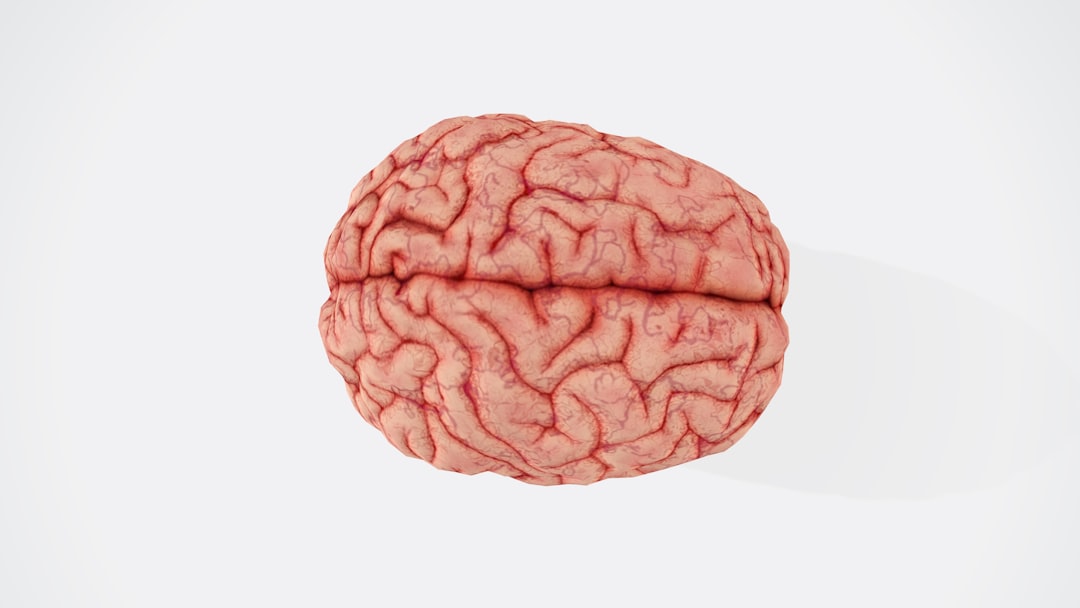
Craniopharyngioma is a rare, benign tumor that typically arises in the sellar region of the brain, near the pituitary gland. This tumor originates from remnants of the Rathke’s pouch, an embryonic structure that contributes to the formation of the pituitary gland. Although classified as benign, craniopharyngiomas can exert significant pressure on surrounding brain structures, leading to various neurological complications.
The tumor is most commonly diagnosed in children and young adults, although it can occur at any age. The growth of craniopharyngiomas is often slow, but their location can lead to serious health issues. These tumors can disrupt hormonal functions due to their proximity to the pituitary gland, which plays a crucial role in regulating various endocrine functions.
The two primary types of craniopharyngiomas are adamantinomatous and papillary, with the former being more prevalent in pediatric populations. Understanding the nature of this tumor is essential for effective management and treatment.
Key Takeaways
- Craniopharyngioma is a rare type of brain tumor that develops near the pituitary gland.
- Symptoms of Craniopharyngioma can include vision problems, headaches, hormonal imbalances, and cognitive issues.
- Diagnosis of Craniopharyngioma involves imaging tests such as MRI or CT scans, as well as hormone level testing.
- The exact causes of Craniopharyngioma are not fully understood, but it may be related to genetic mutations or abnormal development.
- Treatment options for Craniopharyngioma include surgery, radiation therapy, and medications, depending on the size and location of the tumor.
Symptoms of Craniopharyngioma
The clinical presentation of craniopharyngioma can vary significantly based on the tumor’s size and location. Common symptoms include headaches, visual disturbances, and hormonal imbalances. Patients may experience persistent headaches due to increased intracranial pressure caused by the tumor’s mass effect.
Visual symptoms often manifest as blurred vision or loss of peripheral vision, which occurs when the tumor compresses the optic chiasm. Hormonal dysfunction is another critical aspect of craniopharyngioma symptoms. Patients may present with signs of hypopituitarism, including growth hormone deficiency, adrenal insufficiency, and hypothyroidism.
In children, this can lead to stunted growth and delayed puberty. Adults may experience symptoms such as fatigue, weight gain, or loss of libido. Additionally, some patients may exhibit behavioral changes or cognitive difficulties due to the tumor’s impact on surrounding brain structures.
Diagnosis of Craniopharyngioma

Diagnosing craniopharyngioma typically involves a combination of clinical evaluation and advanced imaging techniques. A thorough medical history and neurological examination are essential first steps in identifying potential symptoms associated with this tumor. Following this initial assessment, magnetic resonance imaging (MRI) is the gold standard for visualizing craniopharyngiomas.
MRI provides detailed images of brain structures and can help determine the tumor’s size, location, and relationship to adjacent tissues. In some cases, computed tomography (CT) scans may also be utilized to assess calcifications within the tumor, which are characteristic of craniopharyngiomas. Additionally, hormonal assays may be performed to evaluate pituitary function and identify any deficiencies that may arise due to the tumor’s presence.
A definitive diagnosis often requires histopathological examination through biopsy or surgical resection.
Understanding the Causes of Craniopharyngioma
| Causes of Craniopharyngioma | Percentage |
|---|---|
| Genetic factors | 5-10% |
| Radiation exposure | 5-10% |
| Cellular abnormalities | Unknown |
| Age and gender | More common in children and older adults, slightly more common in males |
The exact etiology of craniopharyngioma remains largely unknown; however, several theories have been proposed regarding its development. The most widely accepted hypothesis suggests that these tumors arise from embryonic remnants of Rathke’s pouch during pituitary gland formation. Genetic factors may also play a role in the development of craniopharyngiomas, as certain genetic syndromes have been associated with an increased risk of these tumors.
While environmental factors have been investigated as potential contributors to craniopharyngioma development, no definitive links have been established. Research continues to explore the molecular pathways involved in tumorigenesis, with a focus on identifying specific genetic mutations that may predispose individuals to develop craniopharyngiomas.
Treatment Options for Craniopharyngioma
The management of craniopharyngioma typically involves a multidisciplinary approach tailored to each patient’s unique circumstances. Treatment options primarily include surgical resection, radiation therapy, and medical management for hormonal deficiencies. The choice of treatment depends on various factors such as tumor size, location, and the patient’s overall health status.
Surgical intervention is often the first-line treatment for symptomatic craniopharyngiomas. The goal is to achieve maximal safe resection while preserving surrounding brain structures and minimizing complications. In cases where complete resection is not feasible due to the tumor’s location or involvement with critical structures, adjuvant radiation therapy may be recommended to control tumor growth and alleviate symptoms.
Surgical Procedures for Craniopharyngioma

Surgical resection remains the cornerstone of treatment for craniopharyngioma. The two primary surgical approaches are transsphenoidal surgery and craniotomy. Transsphenoidal surgery involves accessing the tumor through the nasal cavity and sphenoid sinus, allowing for direct visualization and removal of the tumor while minimizing damage to surrounding tissues.
In cases where the tumor is larger or has extended beyond the sella turcica, a craniotomy may be necessary. This approach provides greater access to the tumor but carries a higher risk of complications such as infection or neurological deficits. The choice between these surgical techniques depends on factors such as tumor size, location, and the surgeon’s expertise.
Postoperative care is crucial for monitoring potential complications and managing hormonal deficiencies that may arise following surgery. Regular follow-up appointments are essential for assessing recovery and detecting any signs of tumor recurrence.
Radiation Therapy for Craniopharyngioma
Radiation therapy serves as an important adjunctive treatment for craniopharyngiomas, particularly in cases where complete surgical resection is not achievable or when there is a risk of recurrence. Stereotactic radiosurgery (SRS) is a highly precise form of radiation therapy that delivers targeted doses of radiation to the tumor while sparing surrounding healthy tissue. SRS can be particularly beneficial for patients who are not surgical candidates or those who prefer to avoid invasive procedures.
Fractionated external beam radiation therapy (EBRT) is another option that involves delivering radiation over multiple sessions to minimize side effects while effectively controlling tumor growth. While radiation therapy can be effective in managing craniopharyngiomas, it is not without risks. Potential side effects include fatigue, skin irritation at the treatment site, and long-term effects on cognitive function or hormonal balance.
Therefore, careful consideration must be given to the timing and dosage of radiation therapy in each patient’s treatment plan.
Medications for Craniopharyngioma
Pharmacological management plays a vital role in addressing hormonal deficiencies resulting from craniopharyngioma. Patients may require hormone replacement therapy to restore normal endocrine function following surgery or radiation therapy. Commonly prescribed medications include hydrocortisone for adrenal insufficiency, levothyroxine for hypothyroidism, and growth hormone replacement for those with growth hormone deficiency.
In addition to hormone replacement therapy, symptomatic management may involve analgesics for headache relief or medications to address visual disturbances. Ongoing monitoring of hormone levels is essential to ensure appropriate dosing and prevent complications associated with under- or overtreatment.
Managing Side Effects of Craniopharyngioma Treatment
The treatment of craniopharyngioma can lead to various side effects that require careful management. Postoperative complications may include infection, cerebrospinal fluid leaks, or neurological deficits depending on the extent of surgery performed. Patients should be educated about signs and symptoms that warrant immediate medical attention.
Radiation therapy can also result in side effects such as fatigue, skin irritation, or changes in cognitive function over time. Supportive care measures such as physical therapy, nutritional support, and psychological counseling can help patients cope with these challenges and improve their overall quality of life.
Prognosis and Long-Term Outlook for Craniopharyngioma Patients
The prognosis for patients diagnosed with craniopharyngioma varies based on several factors including age at diagnosis, tumor type, and treatment response. Generally, craniopharyngiomas have a favorable prognosis due to their benign nature; however, long-term follow-up is essential due to the potential for recurrence. Studies indicate that approximately 50-70% of patients experience tumor recurrence within 10 years post-treatment.
Regular imaging studies and hormonal assessments are crucial components of long-term management to detect any signs of recurrence early and initiate appropriate interventions.
Support and Resources for Craniopharyngioma Patients and Their Families
Navigating a diagnosis of craniopharyngioma can be overwhelming for both patients and their families. Support groups and resources are available to provide emotional support and practical assistance throughout the treatment journey. Organizations such as the Brain Tumor Foundation offer educational materials, counseling services, and connections to other patients facing similar challenges.
Additionally, healthcare providers play a critical role in guiding patients through their treatment options and addressing any concerns that arise during their care journey. Open communication with medical professionals fosters a supportive environment where patients feel empowered to make informed decisions about their health. In summary, craniopharyngioma is a rare but significant brain tumor that requires comprehensive management strategies tailored to individual patient needs.
Early diagnosis and intervention are crucial in mitigating complications associated with this condition while improving long-term outcomes for affected individuals. Through a combination of surgical intervention, radiation therapy, medication management, and supportive care resources, patients can navigate their treatment journey with greater confidence and hope for a positive prognosis.
Craniopharyngioma is a rare type of brain tumor that primarily affects children and adolescents. It can cause a variety of symptoms, including headaches, vision problems, and hormonal imbalances. For more information on brain tumors and their impact on young patients, check out this insightful article on MLK Day: A Federal Holiday for Equality. This article discusses the importance of equality and justice in healthcare and how we can work towards a more inclusive and equitable society for all individuals, including those affected by conditions like craniopharyngioma.
FAQs
What is a craniopharyngioma?
A craniopharyngioma is a rare type of brain tumor that develops near the pituitary gland at the base of the brain.
What are the symptoms of a craniopharyngioma?
Symptoms of a craniopharyngioma can include headaches, vision problems, hormonal imbalances, nausea, vomiting, and cognitive changes.
How is a craniopharyngioma diagnosed?
A craniopharyngioma is typically diagnosed through imaging tests such as MRI or CT scans, as well as a biopsy to confirm the presence of the tumor.
What are the treatment options for craniopharyngioma?
Treatment for craniopharyngioma may include surgery to remove the tumor, radiation therapy, and hormone replacement therapy to manage any hormonal imbalances caused by the tumor or its treatment.
What are the potential complications of a craniopharyngioma?
Complications of a craniopharyngioma can include vision loss, hormonal imbalances, cognitive impairment, and potential recurrence of the tumor.
What is the prognosis for someone with a craniopharyngioma?
The prognosis for a craniopharyngioma can vary depending on factors such as the size and location of the tumor, the age and overall health of the patient, and the success of treatment. It is important for individuals with a craniopharyngioma to work closely with a medical team to develop a personalized treatment plan and follow-up care.