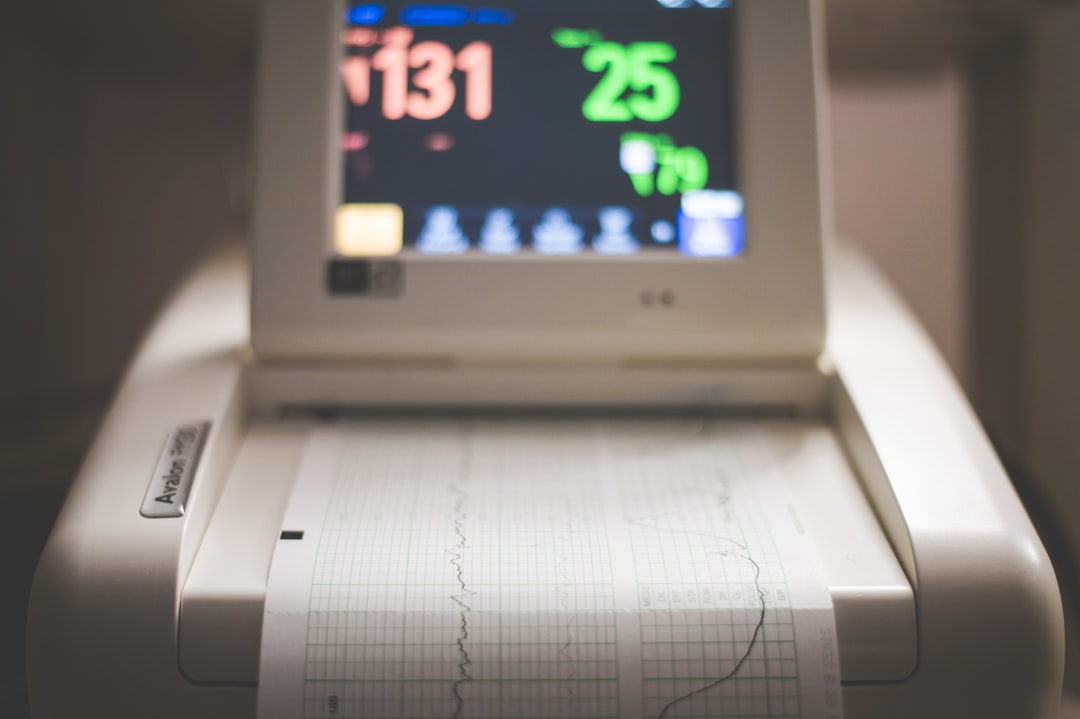
Now Reading: Understanding Common Heart Problems: A Guide
-
01
Understanding Common Heart Problems: A Guide
Understanding Common Heart Problems: A Guide
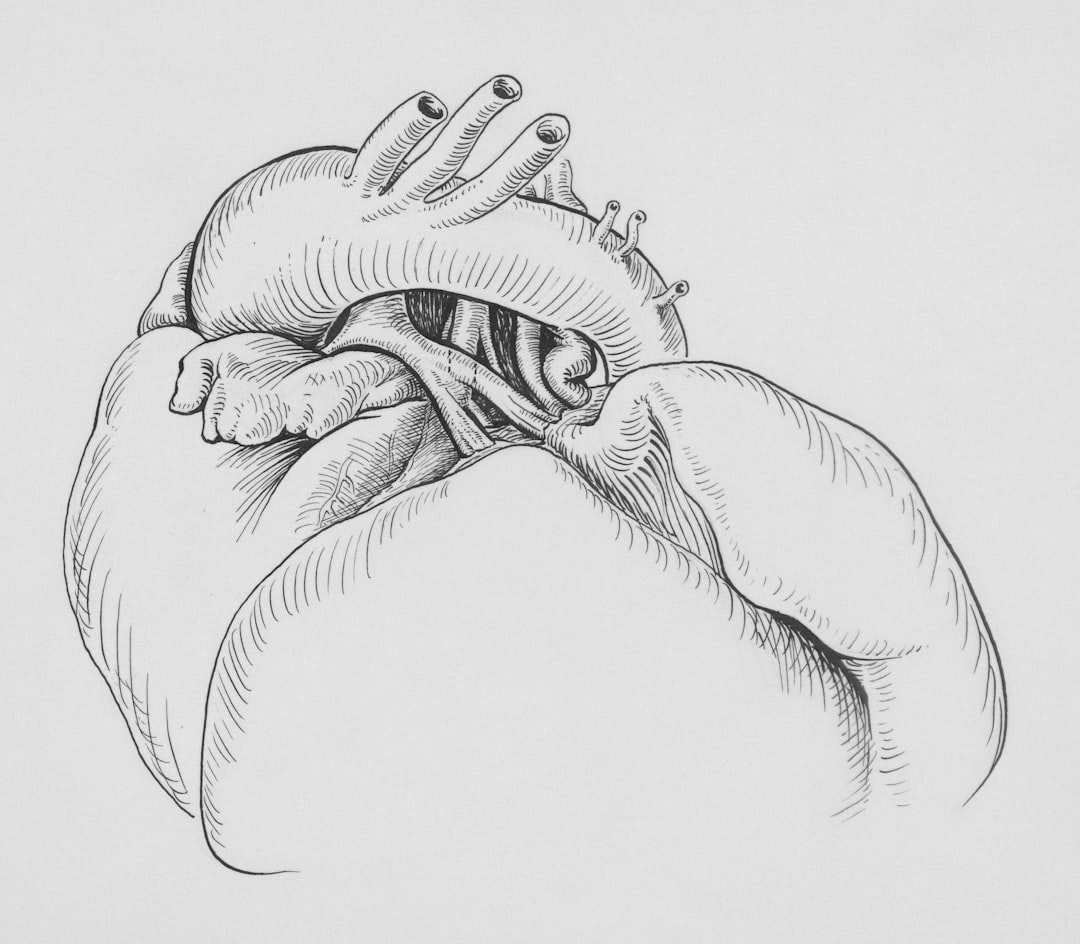
Heart problems encompass a wide array of conditions that affect the heart’s structure and function, leading to significant health implications. The heart, a muscular organ responsible for pumping blood throughout the body, is vital for sustaining life. When its functionality is compromised, it can result in various cardiovascular diseases, which are among the leading causes of morbidity and mortality worldwide.
According to the World Health Organization (WHO), cardiovascular diseases account for approximately 32% of all global deaths, underscoring the importance of understanding heart health. The complexity of heart problems necessitates a comprehensive approach to diagnosis, treatment, and prevention. From congenital defects present at birth to acquired conditions that develop over time, heart issues can manifest in numerous ways.
Key Takeaways
- Heart problems can encompass a wide range of conditions that affect the heart’s function and overall health.
- Common symptoms of heart problems include chest pain, shortness of breath, fatigue, and irregular heartbeat.
- High blood pressure, or hypertension, is a major risk factor for heart disease and can lead to serious complications if left untreated.
- Causes and risk factors for heart disease include smoking, high cholesterol, diabetes, and a family history of heart problems.
- Arrhythmias are abnormal heart rhythms that can have various effects on the heart, including palpitations, dizziness, and fainting.
Common Symptoms of Heart Problems
Recognizing the symptoms of heart problems is crucial for early intervention and effective management. Common manifestations include chest pain or discomfort, often described as pressure or squeezing, which may radiate to the arms, neck, jaw, or back. This symptom can indicate angina or even a myocardial infarction (heart attack).
Shortness of breath, particularly during physical activity or while lying flat, is another significant indicator of potential heart issues. Other symptoms may include palpitations, which are irregular heartbeats that can feel like fluttering or racing; fatigue that is disproportionate to activity levels; and swelling in the legs, ankles, or abdomen due to fluid retention. Additionally, dizziness or lightheadedness can occur, especially during exertion.
It is essential for individuals experiencing these symptoms to seek medical evaluation promptly to determine the underlying cause and initiate appropriate treatment.
Understanding High Blood Pressure

High blood pressure, or hypertension, is a chronic condition characterized by elevated pressure in the arteries. It is often referred to as a “silent killer” because it typically presents without noticeable symptoms until significant damage has occurred. Normal blood pressure is defined as being below 120/80 mmHg; however, readings consistently above this threshold can lead to serious health complications, including heart disease and stroke.
Hypertension can be classified into two categories: primary (essential) hypertension, which develops gradually over many years without a specific identifiable cause, and secondary hypertension, which results from an underlying condition such as kidney disease or hormonal disorders. Lifestyle factors such as obesity, sedentary behavior, excessive alcohol consumption, and high sodium intake can exacerbate hypertension. Regular monitoring and management are essential to mitigate risks associated with this condition.
Causes and Risk Factors for Heart Disease
| Cause/Risk Factor | Description |
|---|---|
| High blood pressure | Increases the workload of the heart and can lead to heart failure |
| High cholesterol | Buildup of cholesterol can block arteries and lead to heart attack |
| Smoking | Damages the blood vessels, increases heart rate, and reduces oxygen in the blood |
| Diabetes | Increases the risk of developing heart disease |
| Obesity | Increases the risk of developing high blood pressure, high cholesterol, and diabetes |
Heart disease arises from a combination of genetic predisposition and environmental influences. Key risk factors include age, with individuals over 45 for men and 55 for women being at increased risk. Family history of heart disease also plays a significant role; those with relatives who have experienced cardiovascular events are more likely to develop similar issues.
Other modifiable risk factors include smoking, which damages blood vessels and accelerates atherosclerosis; high cholesterol levels that contribute to plaque buildup in arteries; and diabetes mellitus, which increases the likelihood of cardiovascular complications. Additionally, chronic stress and poor dietary habits can further elevate the risk of developing heart disease. Understanding these factors is crucial for implementing effective prevention strategies.
Types of Arrhythmias and Their Effects on the Heart
Arrhythmias are irregularities in the heart’s rhythm that can significantly impact its efficiency. They can be classified into several types based on their origin and nature. Atrial fibrillation (AFib) is one of the most common forms, characterized by rapid and chaotic electrical signals in the atria, leading to an increased risk of stroke and heart failure.
Ventricular tachycardia (VT) involves rapid heartbeats originating from the ventricles and can be life-threatening if not treated promptly. Bradycardia refers to an abnormally slow heart rate, which may result in insufficient blood flow to vital organs. Each type of arrhythmia presents unique challenges and requires tailored management strategies.
Treatment options may include lifestyle modifications, medications such as beta-blockers or antiarrhythmics, and in some cases, procedures like catheter ablation or implantation of pacemakers.
Understanding Coronary Artery Disease

Coronary artery disease (CAD) is a condition characterized by the narrowing or blockage of coronary arteries due to atherosclerosis—a process where fatty deposits accumulate on arterial walls. This reduction in blood flow can lead to ischemia (insufficient blood supply) and result in angina or myocardial infarction. CAD is often asymptomatic until significant obstruction occurs.
Risk factors for CAD include high cholesterol levels, hypertension, smoking, diabetes, and sedentary lifestyle choices. Diagnosis typically involves non-invasive tests such as stress tests or imaging studies like coronary angiography. Treatment options range from lifestyle modifications and pharmacotherapy to invasive procedures like angioplasty or coronary artery bypass grafting (CABG) for severe cases.
Heart Valve Disorders and Their Impact on Heart Function
Heart valve disorders involve malfunctions of one or more of the four heart valves: aortic, mitral, pulmonary, and tricuspid valves. These conditions can lead to stenosis (narrowing) or regurgitation (leakage), impairing the heart’s ability to pump blood effectively. Symptoms may include fatigue, shortness of breath, palpitations, and swelling in the extremities.
Diagnosis often involves echocardiography to assess valve structure and function. Treatment options vary based on severity; mild cases may require regular monitoring while more severe cases may necessitate surgical intervention such as valve repair or replacement using mechanical or biological prostheses.
Heart Failure: Causes, Symptoms, and Treatment Options
Heart failure is a complex syndrome resulting from the heart’s inability to pump sufficient blood to meet the body’s needs. It can arise from various underlying conditions such as CAD, hypertension, or cardiomyopathy. Symptoms typically include dyspnea (shortness of breath), fatigue, fluid retention leading to edema, and reduced exercise tolerance.
Management strategies for heart failure focus on alleviating symptoms and improving quality of life. Pharmacological treatments often include diuretics to reduce fluid overload, ACE inhibitors to lower blood pressure and decrease strain on the heart, and beta-blockers to improve cardiac function. In advanced cases, devices such as implantable cardioverter-defibrillators (ICDs) or left ventricular assist devices (LVADs) may be indicated.
Understanding Cardiomyopathy
Cardiomyopathy refers to a group of diseases that affect the heart muscle’s structure and function. The most common types include dilated cardiomyopathy (DCM), hypertrophic cardiomyopathy (HCM), and restrictive cardiomyopathy (RCM). DCM is characterized by an enlarged heart that cannot pump effectively; HCM involves thickening of the heart muscle that obstructs blood flow; RCM leads to stiffness in the heart muscle that impairs filling during diastole.
Symptoms may vary but often include fatigue, palpitations, and shortness of breath. Diagnosis typically involves echocardiography and sometimes genetic testing for familial forms of cardiomyopathy. Treatment options may include lifestyle changes, medications such as beta-blockers or anticoagulants, and in severe cases, surgical interventions like septal myectomy or heart transplantation.
Prevention and Lifestyle Changes to Improve Heart Health
Preventing heart problems requires a multifaceted approach centered around lifestyle modifications. Regular physical activity—aiming for at least 150 minutes of moderate-intensity exercise weekly—can significantly reduce cardiovascular risk factors such as obesity and hypertension. A balanced diet rich in fruits, vegetables, whole grains, lean proteins, and healthy fats is essential for maintaining optimal cholesterol levels and overall heart health.
Additionally, smoking cessation is critical; tobacco use is a major contributor to cardiovascular disease. Managing stress through mindfulness practices such as yoga or meditation can also play a vital role in maintaining heart health. Regular health screenings for blood pressure, cholesterol levels, and diabetes are essential for early detection and management of potential risk factors.
Seeking Medical Help for Heart Problems
Prompt medical attention is crucial when experiencing symptoms indicative of heart problems. Individuals should not hesitate to consult healthcare professionals if they encounter chest pain, severe shortness of breath, or other concerning signs. Early diagnosis through comprehensive evaluations—including electrocardiograms (ECGs), echocardiograms, stress tests, and blood tests—can facilitate timely intervention.
Healthcare providers may recommend lifestyle changes alongside pharmacological treatments tailored to individual needs. Regular follow-ups are essential for monitoring progress and adjusting treatment plans as necessary. Engaging with healthcare teams ensures that patients receive holistic care aimed at improving their cardiovascular health outcomes.
In summary, understanding heart problems is vital for prevention and effective management. Recognizing symptoms early can lead to timely interventions that significantly improve outcomes. By addressing risk factors through lifestyle changes and seeking medical help when necessary, individuals can take proactive steps toward maintaining optimal heart health throughout their lives.
Heart disease is a prevalent health issue that affects many individuals worldwide. According to a recent article on Boogger, the most common heart problems include coronary artery disease, heart failure, and arrhythmias. These conditions can have serious consequences if left untreated, making it crucial for individuals to be aware of the symptoms and risk factors associated with heart disease. By understanding the significance of maintaining a healthy lifestyle and seeking medical attention when needed, individuals can reduce their risk of developing these common heart problems.
FAQs
What are the most common heart problems?
The most common heart problems include coronary artery disease, heart attack, heart failure, arrhythmias, and heart valve disease.
What are the risk factors for developing heart problems?
Risk factors for developing heart problems include high blood pressure, high cholesterol, smoking, diabetes, obesity, and a family history of heart disease.
What are the symptoms of heart problems?
Symptoms of heart problems can include chest pain or discomfort, shortness of breath, fatigue, dizziness, and irregular heartbeat.
How are heart problems diagnosed?
Heart problems are diagnosed through a combination of medical history, physical examination, and tests such as electrocardiogram (ECG), echocardiogram, stress test, and cardiac catheterization.
What are the treatment options for heart problems?
Treatment options for heart problems may include lifestyle changes, medications, medical procedures such as angioplasty or bypass surgery, and in some cases, heart transplantation.
How can heart problems be prevented?
Heart problems can be prevented by maintaining a healthy lifestyle, including regular exercise, a balanced diet, not smoking, and managing conditions such as high blood pressure and diabetes. Regular check-ups with a healthcare provider are also important for early detection and management of risk factors.