Now Reading: Understanding Cardiovascular System Disorders
-
01
Understanding Cardiovascular System Disorders
Understanding Cardiovascular System Disorders
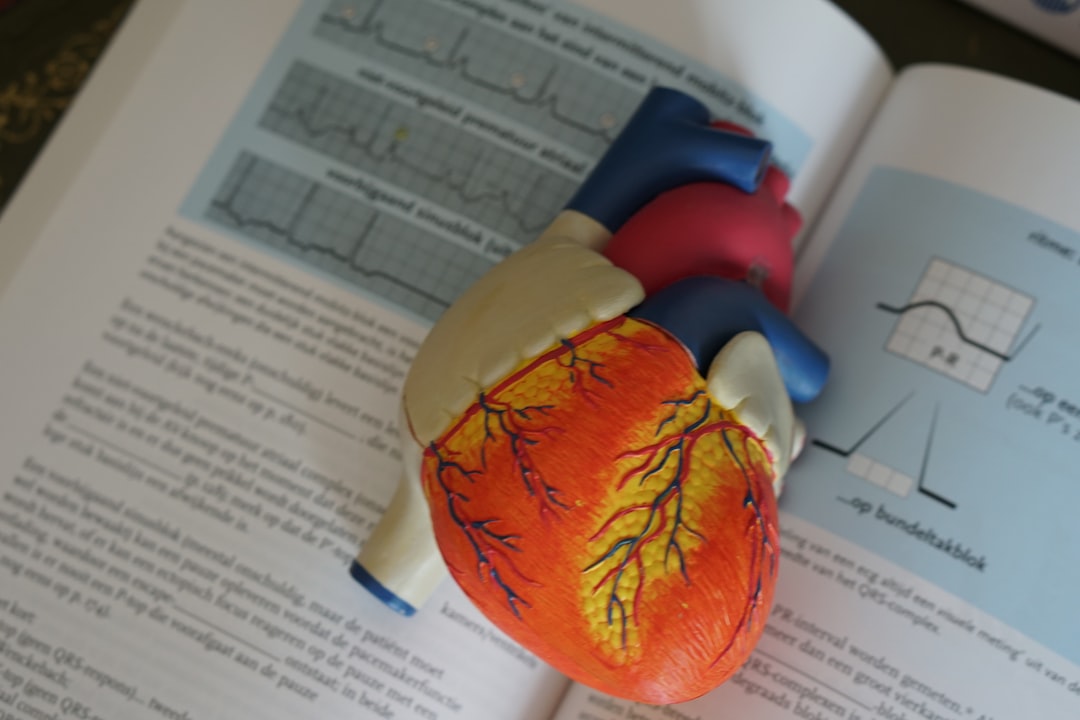
The cardiovascular system, comprising the heart and blood vessels, plays a pivotal role in maintaining homeostasis and ensuring the delivery of oxygen and nutrients to tissues throughout the body. Disorders of this system can lead to significant morbidity and mortality, making them a major public health concern globally. Cardiovascular diseases (CVDs) encompass a wide range of conditions, including coronary artery disease, heart failure, arrhythmias, and valvular heart diseases.
Understanding these disorders is crucial for effective management and prevention strategies. The complexity of the cardiovascular system necessitates a comprehensive approach to diagnosis and treatment. Advances in medical technology and pharmacology have improved outcomes for many patients; however, the prevalence of cardiovascular disorders continues to rise, driven by lifestyle factors and an aging population.
This article aims to provide an in-depth exploration of cardiovascular system disorders, their risk factors, symptoms, diagnostic methods, treatment options, and preventive measures.
Key Takeaways
- Cardiovascular system disorders affect the heart and blood vessels, leading to various health issues.
- Common disorders include hypertension, coronary artery disease, heart failure, and arrhythmias.
- Risk factors for cardiovascular disorders include high blood pressure, high cholesterol, smoking, and diabetes.
- Symptoms of cardiovascular disorders may include chest pain, shortness of breath, and dizziness.
- Diagnostic tests such as ECG, echocardiogram, and cardiac catheterization help in identifying cardiovascular disorders.
Common Cardiovascular System Disorders
Cardiovascular disorders can be classified into several categories based on their etiology and clinical presentation. Among the most prevalent are coronary artery disease (CAD), which results from the accumulation of atherosclerotic plaques in the coronary arteries, leading to ischemia and potential myocardial infarction. Heart failure, characterized by the heart’s inability to pump sufficient blood to meet the body’s needs, can arise from various causes, including hypertension, myocardial infarction, or valvular heart disease.
Arrhythmias represent another significant category of cardiovascular disorders, encompassing abnormal heart rhythms that can lead to palpitations, syncope, or even sudden cardiac death. Valvular heart diseases, such as aortic stenosis or mitral regurgitation, involve dysfunction of the heart valves, which can impair hemodynamics and lead to heart failure if left untreated. Each of these conditions presents unique challenges in terms of diagnosis and management.
Risk Factors for Cardiovascular System Disorders

The development of cardiovascular disorders is influenced by a multitude of risk factors that can be categorized into modifiable and non-modifiable types. Non-modifiable risk factors include age, gender, and family history. For instance, men are generally at a higher risk for developing CVDs at a younger age compared to women, although the risk for women increases post-menopause. Modifiable risk factors are critical targets for intervention and include hypertension, hyperlipidemia, diabetes mellitus, obesity, smoking, physical inactivity, and poor dietary habits. Elevated blood pressure can lead to endothelial dysfunction and increased arterial stiffness, while high cholesterol levels contribute to atherosclerosis.
Lifestyle modifications aimed at reducing these risk factors can significantly decrease the incidence of cardiovascular events.
Symptoms and Signs of Cardiovascular System Disorders
| Symptom/Sign | Description |
|---|---|
| Chest pain | Sharp, squeezing, or pressure-like pain in the chest |
| Shortness of breath | Difficulty breathing or feeling breathless |
| Irregular heartbeat | Heart palpitations or abnormal heart rhythm |
| Dizziness or lightheadedness | Feeling faint or dizzy, possibly leading to fainting |
| Swelling in the legs, ankles, or abdomen | Fluid retention leading to swelling in lower extremities |
The clinical presentation of cardiovascular disorders can vary widely depending on the specific condition and its severity. Common symptoms include chest pain or discomfort (angina), shortness of breath (dyspnea), fatigue, palpitations, and swelling in the legs or abdomen due to fluid retention. In some cases, patients may experience atypical symptoms such as nausea or lightheadedness.
It is essential for healthcare providers to recognize these signs early, as timely intervention can prevent complications such as myocardial infarction or stroke. Patients with chronic conditions may exhibit more subtle symptoms over time, making regular monitoring and assessment crucial for effective management.
Diagnostic Tests for Cardiovascular System Disorders
Accurate diagnosis of cardiovascular disorders relies on a combination of clinical evaluation and diagnostic testing. Initial assessments often include a thorough medical history and physical examination. Electrocardiography (ECG) is a fundamental tool used to evaluate heart rhythm abnormalities and detect ischemic changes.
Further diagnostic modalities may include echocardiography, which provides detailed images of cardiac structure and function; stress testing to assess exercise tolerance and ischemic response; and advanced imaging techniques such as cardiac MRI or CT angiography for detailed visualization of coronary arteries. Blood tests measuring cardiac biomarkers like troponin can also aid in diagnosing acute coronary syndromes.
Treatment Options for Cardiovascular System Disorders

Treatment strategies for cardiovascular disorders are multifaceted and tailored to individual patient needs.
Commonly prescribed medications include antihypertensives (e.g., ACE inhibitors, beta-blockers), statins for cholesterol management, and antiplatelet agents like aspirin to reduce thrombotic events.
In cases where medical management is insufficient, interventional procedures may be necessary. Percutaneous coronary interventions (PCI), such as angioplasty with stent placement, are commonly performed for patients with significant coronary artery disease. Surgical options like coronary artery bypass grafting (CABG) may be indicated for more extensive disease or when multiple vessels are involved.
Lifestyle Changes to Manage Cardiovascular System Disorders
In addition to pharmacological treatments, lifestyle modifications are paramount in managing cardiovascular disorders effectively. A heart-healthy diet rich in fruits, vegetables, whole grains, lean proteins, and healthy fats can help lower cholesterol levels and blood pressure. The Mediterranean diet has been shown to reduce cardiovascular risk significantly.
Regular physical activity is equally important; engaging in at least 150 minutes of moderate-intensity aerobic exercise per week can improve cardiovascular fitness and reduce weight. Smoking cessation is critical for all patients with cardiovascular disorders as tobacco use exacerbates vascular damage. Stress management techniques such as mindfulness or yoga can also contribute positively to overall cardiovascular health.
Complications of Cardiovascular System Disorders
Untreated or poorly managed cardiovascular disorders can lead to severe complications that significantly impact quality of life and longevity. Myocardial infarction remains one of the most serious outcomes associated with coronary artery disease, potentially resulting in irreversible damage to cardiac tissue. Heart failure can develop as a consequence of chronic ischemia or valvular dysfunction, leading to decreased exercise tolerance and increased hospitalizations.
Other complications include arrhythmias that may result in syncope or sudden cardiac death. Stroke is another critical concern linked to cardiovascular disorders due to embolic events arising from thrombus formation in diseased vessels.
Prevention of Cardiovascular System Disorders
Preventive strategies are essential in reducing the burden of cardiovascular diseases within populations. Public health initiatives aimed at promoting awareness about risk factors are vital in encouraging individuals to adopt healthier lifestyles. Regular screening for hypertension and hyperlipidemia allows for early detection and intervention.
Vaccination against influenza and pneumococcal infections is also recommended for individuals with existing cardiovascular conditions to prevent complications from respiratory illnesses.
The Role of Genetics in Cardiovascular System Disorders
Genetic predisposition plays a significant role in the development of various cardiovascular disorders. Familial hypercholesterolemia is an example where genetic mutations lead to elevated cholesterol levels from an early age, increasing the risk for premature coronary artery disease. Genetic testing can identify individuals at high risk for certain conditions, allowing for targeted prevention strategies.
Moreover, research into gene-environment interactions continues to shed light on how lifestyle factors may influence genetic predispositions toward cardiovascular diseases. Understanding these relationships can enhance personalized medicine approaches in treating and preventing CVDs.
Support and Resources for Individuals with Cardiovascular System Disorders
Individuals diagnosed with cardiovascular disorders often require comprehensive support systems to navigate their health journey effectively. Patient education programs provide essential information about managing their condition through lifestyle changes and medication adherence. Support groups offer emotional support and shared experiences among individuals facing similar challenges.
Healthcare providers should also facilitate access to resources such as nutritionists or exercise physiologists who specialize in cardiac rehabilitation programs designed to improve physical fitness post-event or surgery. Online platforms and community organizations can further enhance access to information and support networks for patients living with cardiovascular disorders. In summary, cardiovascular system disorders represent a complex interplay of genetic predisposition, lifestyle factors, and environmental influences that necessitate a multifaceted approach to management and prevention.
By understanding the various aspects of these conditions—from risk factors to treatment options—individuals can take proactive steps toward improving their cardiovascular health while healthcare providers can offer tailored interventions that address each patient’s unique needs effectively.
Cardiovascular system disorders can have a significant impact on an individual’s health and well-being. One related article that delves into the importance of maintaining a healthy heart is this guide for employers on paid legal holidays. Just as it is crucial for employers to provide paid time off for their employees to rest and recharge, it is equally important for individuals to take care of their cardiovascular health through regular exercise, a balanced diet, and routine check-ups with healthcare professionals. By prioritizing heart health, individuals can reduce their risk of developing cardiovascular system disorders and lead a healthier, more fulfilling life.
FAQs
What are common cardiovascular system disorders?
Some common cardiovascular system disorders include coronary artery disease, heart failure, arrhythmias, heart valve disorders, and peripheral artery disease.
What are the risk factors for developing cardiovascular system disorders?
Risk factors for developing cardiovascular system disorders include high blood pressure, high cholesterol, smoking, diabetes, obesity, and a sedentary lifestyle.
What are the symptoms of cardiovascular system disorders?
Symptoms of cardiovascular system disorders can include chest pain, shortness of breath, fatigue, dizziness, palpitations, and swelling in the legs or abdomen.
How are cardiovascular system disorders diagnosed?
Cardiovascular system disorders are diagnosed through a combination of physical exams, medical history, blood tests, imaging tests (such as echocardiograms or angiograms), and cardiac catheterization.
What are the treatment options for cardiovascular system disorders?
Treatment options for cardiovascular system disorders may include lifestyle changes (such as diet and exercise), medications, surgical procedures (such as angioplasty or bypass surgery), and cardiac rehabilitation programs.
How can cardiovascular system disorders be prevented?
Preventative measures for cardiovascular system disorders include maintaining a healthy lifestyle, managing risk factors such as high blood pressure and high cholesterol, not smoking, and getting regular check-ups with a healthcare provider.