Now Reading: Understanding CAD: The Silent Threat to Heart Health
-
01
Understanding CAD: The Silent Threat to Heart Health
Understanding CAD: The Silent Threat to Heart Health
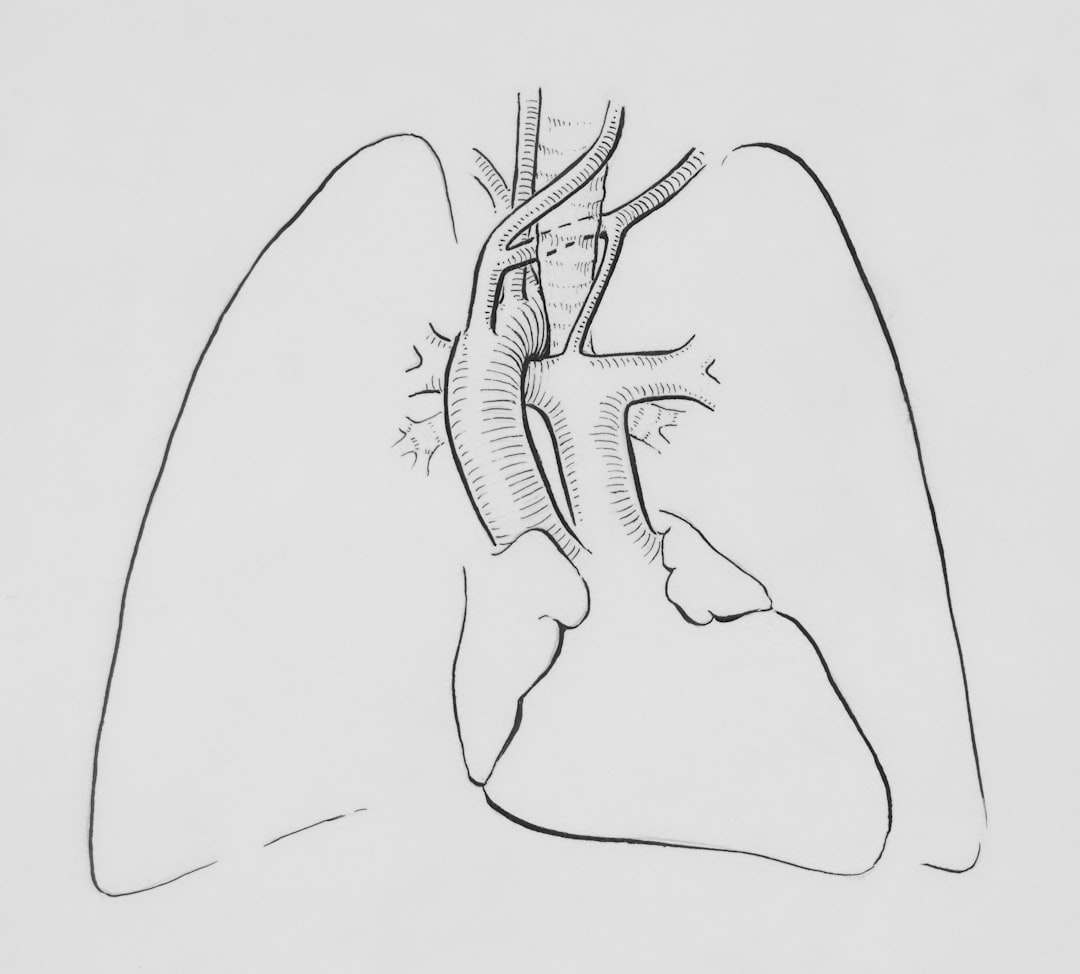
Coronary Artery Disease (CAD) is a prevalent cardiovascular condition characterized by the narrowing or blockage of the coronary arteries, which supply blood to the heart muscle. This obstruction is primarily caused by atherosclerosis, a process where fatty deposits, known as plaques, accumulate on the arterial walls. Over time, these plaques can harden and restrict blood flow, leading to ischemia, which can result in angina (chest pain) or myocardial infarction (heart attack).
CAD is a leading cause of morbidity and mortality worldwide, underscoring the importance of understanding its mechanisms and implications. The pathophysiology of CAD involves a complex interplay of genetic, environmental, and lifestyle factors.
Risk factors such as hypertension, hyperlipidemia, diabetes mellitus, and smoking contribute to the development of CAD by promoting endothelial dysfunction and inflammation. As the disease advances, it can lead to serious complications, including heart failure and arrhythmias, necessitating timely intervention and management.
Key Takeaways
- CAD is a condition where plaque builds up in the coronary arteries, restricting blood flow to the heart.
- Risk factors for developing CAD include high cholesterol, high blood pressure, smoking, diabetes, and a family history of heart disease.
- Symptoms of CAD can include chest pain, shortness of breath, and fatigue, while warning signs may include nausea and dizziness.
- CAD can lead to serious heart health issues such as heart attack, heart failure, and arrhythmias.
- Diagnostic tests for CAD include ECG, stress tests, and coronary angiography, while treatment options may include medication, angioplasty, and bypass surgery.
Risk Factors for Developing CAD
Several risk factors contribute to the development of CAD, which can be categorized into modifiable and non-modifiable factors. Non-modifiable risk factors include age, gender, and family history. As individuals age, the likelihood of developing CAD increases significantly.
Men are generally at a higher risk than premenopausal women; however, post-menopausal women experience an elevated risk due to hormonal changes that affect lipid metabolism. Modifiable risk factors encompass lifestyle choices and medical conditions that can be altered to reduce the likelihood of CAD. These include: 1.
**Hypertension**: Elevated blood pressure can damage arterial walls, making them more susceptible to plaque formation.
2. **Hyperlipidemia**: High levels of low-density lipoprotein (LDL) cholesterol contribute to plaque buildup in arteries.
3. **Diabetes Mellitus**: Insulin resistance and high blood sugar levels can accelerate atherosclerosis.
4.
**Smoking**: Tobacco use is a significant risk factor that promotes endothelial injury and inflammation.
5. **Sedentary Lifestyle**: Lack of physical activity contributes to obesity and other cardiovascular risk factors.
6. **Unhealthy Diet**: Diets high in saturated fats, trans fats, and sugars can lead to obesity and dyslipidemia.
Addressing these modifiable risk factors through lifestyle changes and medical management is crucial for reducing the incidence of CAD.
Symptoms and Warning Signs of CAD

The clinical presentation of CAD can vary widely among individuals. Some may experience classic symptoms such as chest pain or discomfort, often described as pressure or squeezing in the chest. This discomfort may radiate to the arms, neck, jaw, or back.
Other common symptoms include shortness of breath, fatigue during physical activity, and palpitations. However, it is essential to note that not all individuals with CAD will exhibit these symptoms; some may remain asymptomatic until a significant event occurs. In certain populations, particularly women and older adults, symptoms may be atypical or less pronounced.
For instance, women may experience fatigue, nausea, or indigestion rather than classic chest pain. This variability in symptomatology can lead to delays in diagnosis and treatment. Recognizing these warning signs is vital for timely intervention and reducing the risk of severe complications.
How CAD Affects Heart Health
| Factors | Impact on Heart Health |
|---|---|
| Cholesterol levels | Elevated CAD risk with high LDL and low HDL levels |
| Blood pressure | High blood pressure can lead to CAD |
| Smoking | Increases risk of CAD and heart disease |
| Physical activity | Regular exercise can reduce CAD risk |
| Diet | Unhealthy diet can contribute to CAD development |
Coronary Artery Disease has profound implications for overall heart health. The reduction in blood flow due to narrowed arteries can lead to myocardial ischemia, which compromises the heart’s ability to function effectively. Over time, this can result in left ventricular hypertrophy as the heart works harder to pump blood through narrowed vessels.
Chronic ischemia may also lead to myocardial infarction if blood supply is severely restricted or completely obstructed. Additionally, CAD can precipitate arrhythmias due to ischemic damage to the heart muscle. These irregular heartbeats can range from benign to life-threatening conditions such as ventricular fibrillation.
Furthermore, CAD is often associated with heart failure, a condition where the heart cannot pump sufficient blood to meet the body’s needs. The interplay between CAD and these complications underscores the importance of early detection and management.
Diagnostic Tests for CAD
Accurate diagnosis of Coronary Artery Disease is essential for effective management. Several diagnostic tests are employed to assess the presence and severity of CAD: 1. **Electrocardiogram (ECG)**: This test records the electrical activity of the heart and can identify abnormalities indicative of ischemia or previous myocardial infarction.
2.
**Stress Testing**: Exercise or pharmacologic stress tests evaluate how the heart responds to increased workload, helping to identify ischemic changes.
3. **Echocardiography**: This imaging technique uses ultrasound waves to visualize heart structures and assess function.
4. **Coronary Angiography**: Considered the gold standard for diagnosing CAD, this invasive procedure involves injecting contrast dye into coronary arteries to visualize blockages via X-ray imaging.
5.
**Computed Tomography (CT) Angiography**: A non-invasive imaging technique that provides detailed images of coronary arteries and can detect calcified plaques. These diagnostic modalities enable healthcare providers to formulate appropriate treatment strategies based on individual patient profiles.
Treatment Options for CAD

Management of Coronary Artery Disease encompasses lifestyle modifications, pharmacotherapy, and interventional procedures. Initial treatment often focuses on lifestyle changes aimed at reducing risk factors. This includes adopting a heart-healthy diet rich in fruits, vegetables, whole grains, lean proteins, and healthy fats while minimizing saturated fats and sugars.
Pharmacological interventions play a crucial role in managing CAD. Commonly prescribed medications include: 1. **Antiplatelet Agents**: Aspirin or clopidogrel helps prevent blood clots by inhibiting platelet aggregation.
2.
**Statins**: These lipid-lowering agents reduce LDL cholesterol levels and stabilize plaques.
3. **Beta-Blockers**: These medications decrease heart rate and myocardial oxygen demand, alleviating angina symptoms.
4. **ACE Inhibitors**: Angiotensin-converting enzyme inhibitors help lower blood pressure and reduce strain on the heart.
In cases where medical management is insufficient or when significant blockages are present, interventional procedures may be necessary: 1. **Percutaneous Coronary Intervention (PCI)**: Also known as angioplasty with stenting, this minimally invasive procedure opens narrowed arteries using a balloon catheter and places a stent to maintain patency.
2. **Coronary Artery Bypass Grafting (CABG)**: This surgical procedure involves creating a bypass around blocked arteries using grafts from other vessels in the body.
Lifestyle Changes to Prevent CAD
Preventing Coronary Artery Disease requires a multifaceted approach centered on lifestyle modifications that promote cardiovascular health. Key strategies include: 1. **Regular Physical Activity**: Engaging in at least 150 minutes of moderate-intensity aerobic exercise weekly can improve cardiovascular fitness and reduce risk factors.
2.
**Healthy Eating Habits**: Adopting a Mediterranean-style diet rich in omega-3 fatty acids, fiber, antioxidants, and low in processed foods can significantly lower cholesterol levels and improve overall heart health.
3. **Weight Management**: Maintaining a healthy body weight reduces strain on the heart and lowers the risk of hypertension and diabetes.
4. **Smoking Cessation**: Quitting smoking is one of the most effective ways to reduce CAD risk; numerous resources are available to assist individuals in this endeavor.
5.
**Stress Management**: Techniques such as mindfulness meditation, yoga, or cognitive-behavioral therapy can help mitigate stress-related cardiovascular risks. Implementing these lifestyle changes not only aids in preventing CAD but also enhances overall well-being.
The Link Between CAD and Other Health Conditions
Coronary Artery Disease is often associated with various comorbidities that exacerbate its effects on health. Conditions such as hypertension, diabetes mellitus, obesity, and chronic kidney disease frequently coexist with CAD, creating a complex interplay that complicates management strategies. For instance, individuals with diabetes are at a significantly higher risk for developing CAD due to factors such as dyslipidemia and endothelial dysfunction associated with insulin resistance.
Similarly, hypertension accelerates atherosclerosis by increasing arterial wall stress and promoting plaque formation.
Understanding the Silent Threat of CAD
Coronary Artery Disease is often referred to as a “silent killer” due to its insidious nature; many individuals remain unaware of their condition until they experience severe symptoms or complications. This silent progression emphasizes the importance of regular cardiovascular screenings for at-risk populations. Asymptomatic individuals may benefit from risk assessment tools that evaluate their likelihood of developing CAD based on personal and family history, lifestyle factors, and laboratory results such as lipid profiles and glucose levels.
The Importance of Early Detection and Intervention
Early detection of Coronary Artery Disease is paramount for effective management and improved prognosis. Regular check-ups with healthcare providers allow for timely identification of risk factors and initiation of preventive measures before significant damage occurs. Screening tests such as lipid panels and blood pressure measurements should be part of routine health assessments for individuals over 40 or those with known risk factors for CAD.
Resources for Managing CAD and Improving Heart Health
Numerous resources are available for individuals seeking to manage Coronary Artery Disease effectively: 1. **Cardiac Rehabilitation Programs**: These structured programs provide supervised exercise training, education on heart-healthy living, and counseling to support lifestyle changes.
2. **Support Groups**: Connecting with others facing similar challenges can provide emotional support and motivation for making necessary changes.
3.
**Educational Materials**: Many organizations offer brochures, websites, and workshops focused on heart health education.
4. **Healthcare Providers**: Regular consultations with cardiologists or primary care physicians are essential for ongoing management and monitoring of CAD. In summary, Coronary Artery Disease represents a significant public health challenge characterized by its multifactorial etiology and potential for severe complications if left untreated.
Understanding its risk factors, symptoms, diagnostic modalities, treatment options, and preventive strategies is crucial for improving outcomes in affected individuals. Early detection through regular screenings combined with comprehensive management approaches can significantly enhance heart health and quality of life for those at risk or diagnosed with CAD.
According to a recent article on boogger.com, the holiday season can be a time for rest and celebration, but it is also important to be mindful of our health, especially when it comes to cardiovascular disease. It is crucial to prioritize self-care and stress management during this time to prevent the risk of heart-related issues. Additionally, another article on the same website discusses the importance of making informed decisions when it comes to investments, such as purchasing Amazon stock in 2025. Taking care of our financial health can also have a positive impact on our overall well-being, including our heart health.
FAQs
What is cardiovascular disease (CVD)?
Cardiovascular disease (CVD) refers to a group of conditions that affect the heart and blood vessels, including coronary artery disease, heart failure, and stroke.
What are the risk factors for developing CVD?
Risk factors for developing CVD include high blood pressure, high cholesterol, smoking, diabetes, obesity, and a sedentary lifestyle.
What are the symptoms of CVD?
Symptoms of CVD can include chest pain or discomfort, shortness of breath, fatigue, and irregular heartbeat. However, some people with CVD may not experience any symptoms.
How is CVD diagnosed?
CVD can be diagnosed through a combination of medical history, physical examination, and diagnostic tests such as electrocardiogram (ECG), echocardiogram, and cardiac catheterization.
What are the treatment options for CVD?
Treatment for CVD may include lifestyle changes (such as diet and exercise), medications (such as statins and blood thinners), and in some cases, surgical procedures (such as angioplasty or bypass surgery).
How can CVD be prevented?
Preventative measures for CVD include maintaining a healthy lifestyle, managing risk factors such as high blood pressure and cholesterol, and avoiding smoking. Regular medical check-ups and screenings are also important for early detection and prevention of CVD.