Now Reading: Understanding Atypical Squamous Cells: What You Need to Know
-
01
Understanding Atypical Squamous Cells: What You Need to Know
Understanding Atypical Squamous Cells: What You Need to Know
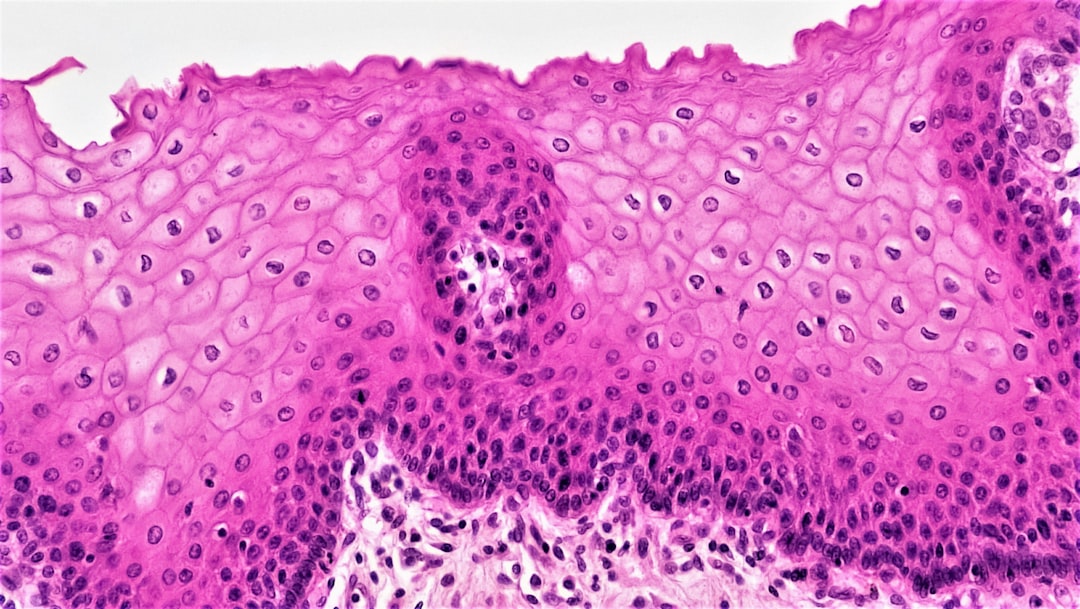
Atypical squamous cells (ASC) are abnormal cells that arise from the squamous epithelium, which is a type of tissue that lines various organs and structures in the body, including the cervix, skin, and respiratory tract. These cells can be identified through cytological examinations, such as Pap smears, where they may indicate the presence of precancerous changes or other pathological conditions. The term “atypical” signifies that these cells exhibit variations in size, shape, and organization compared to normal squamous cells, which can be a cause for concern in clinical settings.
The presence of atypical squamous cells does not automatically imply cancer; however, it necessitates further investigation to determine the underlying cause. The classification of these cells can range from mild abnormalities to more severe dysplastic changes, which may indicate a higher risk for developing malignancies. Understanding the nature of atypical squamous cells is crucial for effective diagnosis and management.
Key Takeaways
- Atypical squamous cells are abnormal cells found in the outer layer of the skin or in the lining of certain organs.
- There are two types of atypical squamous cells: squamous intraepithelial lesion (SIL) and atypical squamous cells of undetermined significance (ASCUS).
- Causes of atypical squamous cells can include infections, inflammation, and exposure to certain chemicals or irritants.
- Symptoms of atypical squamous cells may include abnormal bleeding, pain, or changes in the skin or organ lining.
- Diagnosis of atypical squamous cells involves a physical exam, pap smear, and possibly a biopsy to confirm the presence of abnormal cells.
Types of Atypical Squamous Cells
Atypical squamous cells can be categorized into several types based on their degree of abnormality. The most common classifications include: 1. **Atypical Squamous Cells of Undetermined Significance (ASC-US)**: This is the most frequently encountered category in Pap test results.
It indicates that the cells are abnormal but do not clearly suggest a high-grade lesion or malignancy. ASC-US often requires follow-up testing to monitor any changes. 2.
**Atypical Squamous Cells – Cannot Exclude High-Grade Squamous Intraepithelial Lesion (ASC-H)**: This classification suggests that while the cells are atypical, there is a possibility of a high-grade lesion that could progress to cancer. Patients with ASC-H results typically undergo further diagnostic procedures, such as colposcopy. 3.
**Low-Grade Squamous Intraepithelial Lesion (LSIL)**: This indicates mild dysplasia and is often associated with human papillomavirus (HPV) infection. LSIL may resolve spontaneously but requires monitoring due to its potential progression. 4.
**High-Grade Squamous Intraepithelial Lesion (HSIL)**: This category indicates more severe dysplastic changes and carries a higher risk for cervical cancer. HSIL typically necessitates immediate intervention. Each type of atypical squamous cell carries different implications for patient management and treatment strategies.
Causes of Atypical Squamous Cells
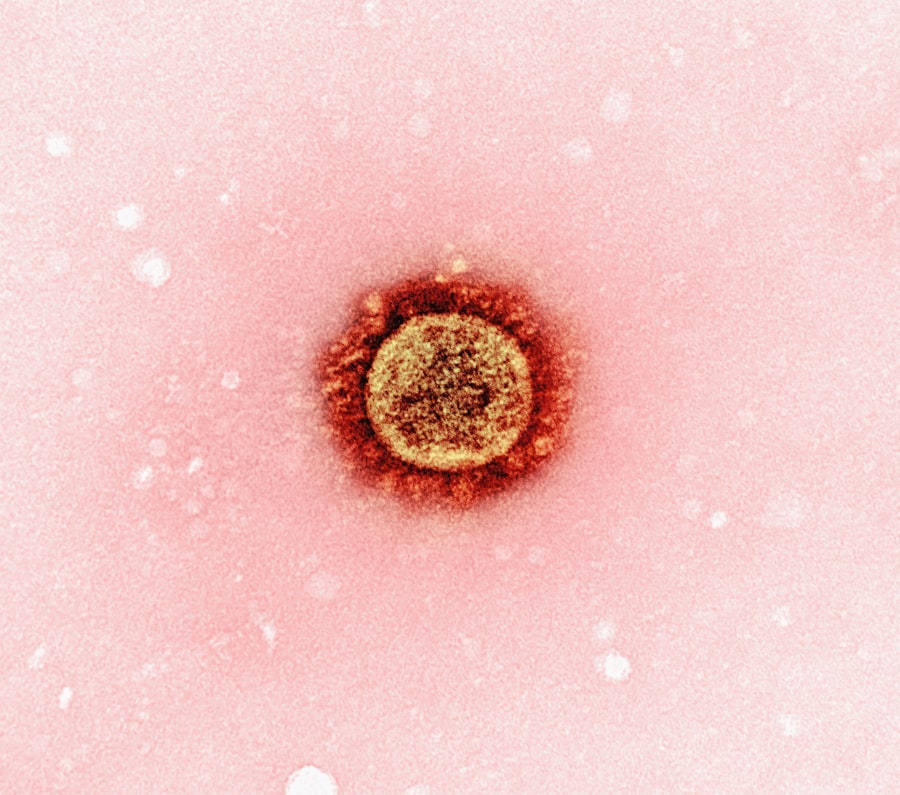
The development of atypical squamous cells can be attributed to various factors, with viral infections being one of the most significant contributors. Human papillomavirus (HPV) is a well-known causative agent, particularly in cervical lesions. HPV is a sexually transmitted virus that can lead to cellular changes in the squamous epithelium, resulting in atypical cell formation.
Other potential causes include chronic inflammation, hormonal imbalances, and exposure to carcinogenic substances such as tobacco smoke or certain chemicals. Additionally, immunosuppression, whether due to medical conditions or treatments, can increase susceptibility to infections and abnormal cell growth. Understanding these causes is essential for developing effective prevention and treatment strategies.
Symptoms of Atypical Squamous Cells
| Symptoms | Description |
|---|---|
| Abnormal vaginal bleeding | Unusual bleeding between periods or after menopause |
| Pain during intercourse | Discomfort or pain during sexual intercourse |
| Unusual vaginal discharge | Changes in color, odor, or amount of vaginal discharge |
| Pelvic pain | Unexplained pelvic pain |
Atypical squamous cells themselves do not typically present with specific symptoms; rather, they are often discovered incidentally during routine screenings such as Pap smears. However, the underlying conditions associated with these atypical cells may manifest symptoms that warrant attention. For instance, patients with HPV-related lesions may experience abnormal vaginal bleeding, unusual discharge, or pelvic pain.
In cases where atypical squamous cells progress to more severe dysplasia or cancer, symptoms may become more pronounced. These can include persistent pelvic pain, significant changes in menstrual cycles, or discomfort during intercourse. It is crucial for individuals to be aware of these potential symptoms and seek medical evaluation if they arise.
Diagnosis of Atypical Squamous Cells
The diagnosis of atypical squamous cells primarily involves cytological analysis through Pap smears or liquid-based cytology. During these procedures, samples of cervical cells are collected and examined under a microscope for any abnormalities. If atypical squamous cells are detected, further diagnostic steps may include HPV testing to identify the presence of high-risk strains associated with cervical cancer.
Colposcopy is another critical diagnostic tool used when atypical results are obtained. This procedure involves the use of a specialized microscope to closely examine the cervix and surrounding tissues for any lesions or abnormalities.
Treatment Options for Atypical Squamous Cells

The treatment approach for atypical squamous cells largely depends on the type and severity of the abnormalities detected. For cases classified as ASC-US, management may involve repeat Pap testing after a specified interval to monitor any changes. If HPV testing reveals high-risk strains, further evaluation may be warranted.
For LSIL, observation is often recommended as many cases resolve spontaneously without intervention. However, regular follow-up is essential to ensure that any progression is detected early. In contrast, HSIL typically requires more aggressive treatment options due to its higher risk for progression to cervical cancer.
Treatment modalities may include: 1. **Loop Electrosurgical Excision Procedure (LEEP)**: This minimally invasive procedure involves using a thin wire loop heated by electric current to remove abnormal tissue from the cervix. 2.
**Cold Knife Conization**: This surgical procedure involves excising a cone-shaped section of cervical tissue for diagnostic and therapeutic purposes. 3. **Cryotherapy**: This technique uses extreme cold to destroy abnormal cervical tissue.
4. **Laser Therapy**: Focused laser beams can be employed to vaporize or excise abnormal areas. The choice of treatment will depend on various factors, including the patient’s age, reproductive plans, and overall health status.
Complications of Atypical Squamous Cells
While atypical squamous cells themselves may not lead directly to complications, their presence can indicate underlying conditions that pose risks if left untreated. The most significant concern is the potential progression to cervical cancer, particularly in cases classified as HSIL or those associated with high-risk HPV strains. Other complications may arise from treatment procedures themselves.
For instance, surgical interventions such as LEEP or conization can lead to complications like cervical incompetence in future pregnancies or increased risk of preterm birth. Additionally, patients may experience psychological distress related to their diagnosis and treatment decisions.
Prevention of Atypical Squamous Cells
Preventive measures play a crucial role in reducing the incidence of atypical squamous cells and their associated complications. Key strategies include: 1. **Regular Screening**: Routine Pap smears and HPV testing are essential for early detection of abnormalities and timely intervention.
2. **HPV Vaccination**: Vaccines such as Gardasil and Cervarix protect against high-risk HPV strains responsible for most cervical cancers. Vaccination is recommended for preteens and young adults before they become sexually active.
3. **Safe Sexual Practices**: Engaging in safe sex practices, including the use of condoms and limiting the number of sexual partners, can reduce the risk of HPV transmission. 4.
**Healthy Lifestyle Choices**: Maintaining a balanced diet, exercising regularly, and avoiding tobacco use can bolster immune function and reduce cancer risk.
Risk Factors for Atypical Squamous Cells
Several risk factors have been identified that increase the likelihood of developing atypical squamous cells: 1. **HPV Infection**: The presence of high-risk HPV strains significantly elevates the risk for cervical dysplasia and cancer. 2. **Age**: Women aged 30 years and older are at higher risk for developing significant cervical lesions. 3. **Immunosuppression**: Conditions such as HIV/AIDS or immunosuppressive therapies can increase susceptibility to HPV-related changes. 4. **Smoking**: Tobacco use has been linked to an increased risk of cervical cancer and may exacerbate the effects of HPV infection. 5. **Multiple Sexual Partners**: Having numerous sexual partners increases exposure to HPV and other sexually transmitted infections.
When to See a Doctor for Atypical Squamous Cells
Individuals should seek medical attention if they receive abnormal Pap smear results indicating atypical squamous cells or if they experience symptoms such as unusual vaginal bleeding or pelvic pain. Regular gynecological check-ups are essential for monitoring cervical health and addressing any concerns promptly. Additionally, those with known risk factors for cervical dysplasia should maintain open communication with their healthcare providers regarding appropriate screening intervals and preventive measures.
Living with Atypical Squamous Cells
Living with atypical squamous cells requires vigilance and proactive management to mitigate potential risks associated with abnormal cell changes. Early detection through regular screenings and appropriate follow-up care is paramount in preventing progression to more severe conditions such as cervical cancer. By understanding the nature of atypical squamous cells, their causes, symptoms, diagnosis, treatment options, and preventive measures, individuals can take informed steps toward maintaining their health and well-being.
Collaboration with healthcare providers ensures that patients receive personalized care tailored to their unique circumstances, ultimately fostering a proactive approach to reproductive health management. In summary, atypical squamous cells represent a spectrum of cellular abnormalities that necessitate careful evaluation and management strategies aimed at preventing serious complications while promoting overall health awareness among individuals at risk.
If you are dealing with atypical squamous cells of undetermined significance, it is important to stay informed about your health and treatment options. One related article that may be helpful is Creating the Ultimate Christmas List, which discusses the importance of planning and organization in various aspects of life, including healthcare. By staying organized and proactive in your approach to managing your health, you can ensure that you are taking the necessary steps to address any concerns related to atypical squamous cells.
FAQs
What are atypical squamous cells of undetermined significance (ASC-US)?
Atypical squamous cells of undetermined significance (ASC-US) are abnormal cells found on a Pap smear test. These cells appear slightly abnormal, but the changes are not definitive enough to be classified as precancerous or cancerous.
What causes atypical squamous cells of undetermined significance (ASC-US)?
ASC-US can be caused by various factors, including infections such as human papillomavirus (HPV), inflammation, or other non-cancerous conditions. It can also be a result of technical issues during the collection or processing of the Pap smear sample.
What is the significance of atypical squamous cells of undetermined significance (ASC-US)?
ASC-US is considered a borderline abnormal result on a Pap smear. While it is not a definitive sign of precancerous or cancerous changes, it does indicate the need for further evaluation and monitoring to rule out any potential issues.
What is the follow-up for atypical squamous cells of undetermined significance (ASC-US)?
The follow-up for ASC-US typically involves a repeat Pap smear, HPV testing, or colposcopy (a procedure to closely examine the cervix). The specific follow-up recommendations may vary depending on individual factors such as age, medical history, and HPV status.
Is atypical squamous cells of undetermined significance (ASC-US) a cause for concern?
While ASC-US itself is not a definitive sign of cancer, it is important to follow up with the recommended testing and monitoring to ensure early detection and appropriate management if any underlying issues are present. It is not a cause for panic, but it should be taken seriously and addressed promptly.