Now Reading: Understanding Atherosclerosis: Causes and Treatments
-
01
Understanding Atherosclerosis: Causes and Treatments
Understanding Atherosclerosis: Causes and Treatments
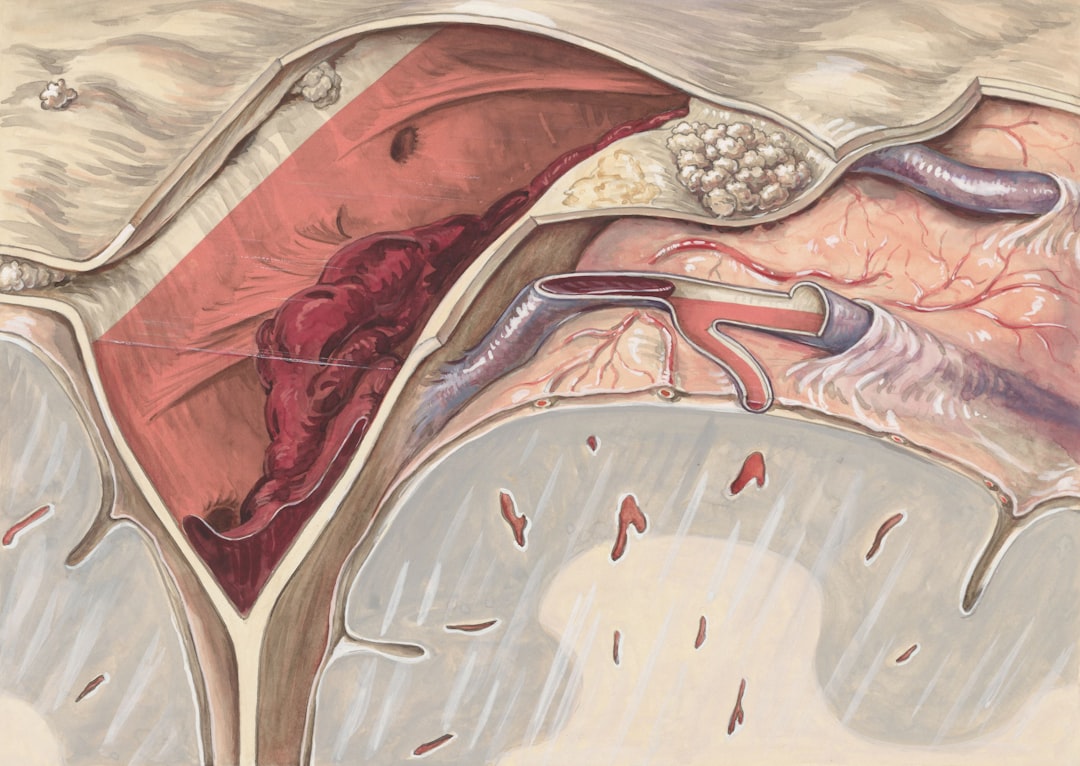
Atherosclerosis is a chronic inflammatory condition characterized by the accumulation of lipids, inflammatory cells, and fibrous elements within the arterial walls. This pathological process leads to the formation of atherosclerotic plaques, which can significantly narrow the arterial lumen, impeding blood flow. The condition is often asymptomatic in its early stages, making it a silent yet progressive disease that can culminate in severe cardiovascular events such as myocardial infarction or stroke.
The pathophysiology of atherosclerosis involves a complex interplay between endothelial dysfunction, lipid metabolism, and immune response. Endothelial cells lining the arteries become damaged due to various factors, including hypertension, hyperlipidemia, and smoking. This damage facilitates the infiltration of low-density lipoprotein (LDL) cholesterol into the arterial wall, where it undergoes oxidation and triggers an inflammatory response.
Macrophages engulf oxidized LDL, transforming into foam cells that contribute to plaque formation. Over time, these plaques can calcify and rupture, leading to acute vascular complications.
Key Takeaways
- Atherosclerosis is a condition where plaque builds up in the arteries, leading to restricted blood flow and potential complications.
- Risk factors for atherosclerosis include high cholesterol, high blood pressure, smoking, diabetes, and obesity.
- Diet and lifestyle play a crucial role in the development and progression of atherosclerosis, with a healthy diet and regular exercise being key factors in prevention.
- Atherosclerosis is closely linked to heart disease, as the buildup of plaque in the arteries can lead to heart attacks and other cardiovascular issues.
- Atherosclerosis develops in the arteries due to the accumulation of cholesterol, fat, and other substances, leading to the hardening and narrowing of the arteries.
Risk Factors for Atherosclerosis
Several risk factors contribute to the development of atherosclerosis, which can be categorized into modifiable and non-modifiable factors. Non-modifiable risk factors include age, gender, and genetic predisposition. As individuals age, the likelihood of developing atherosclerosis increases due to cumulative exposure to risk factors over time.
Men are generally at a higher risk than premenopausal women, although this risk equalizes post-menopause. Modifiable risk factors encompass lifestyle choices and medical conditions that can be altered to reduce the likelihood of atherosclerosis. These include hypertension, hyperlipidemia, diabetes mellitus, obesity, smoking, and physical inactivity.
Elevated blood pressure can damage arterial walls, while high levels of LDL cholesterol contribute to plaque formation. Diabetes accelerates atherosclerosis through glycation of proteins and increased oxidative stress. Smoking introduces harmful substances that promote endothelial injury and inflammation.
Addressing these modifiable factors is crucial for reducing the incidence of atherosclerosis.
The Role of Diet and Lifestyle in Atherosclerosis

Dietary habits play a pivotal role in the development and progression of atherosclerosis. A diet high in saturated fats, trans fats, and cholesterol can elevate LDL cholesterol levels, promoting plaque formation. Conversely, a diet rich in fruits, vegetables, whole grains, and healthy fats—such as those found in fish and nuts—can help lower cholesterol levels and reduce inflammation.
The Mediterranean diet, characterized by its emphasis on plant-based foods and healthy fats, has been associated with a lower risk of cardiovascular diseases. Lifestyle choices also significantly impact the risk of developing atherosclerosis. Regular physical activity helps maintain a healthy weight, lowers blood pressure, and improves lipid profiles.
Engaging in at least 150 minutes of moderate-intensity aerobic exercise per week is recommended for optimal cardiovascular health. Additionally, managing stress through mindfulness practices or relaxation techniques can mitigate the adverse effects of chronic stress on cardiovascular health.
The Connection Between Atherosclerosis and Heart Disease
| Connection Between Atherosclerosis and Heart Disease |
|---|
| Atherosclerosis is a condition where the arteries become narrowed and hardened due to a buildup of plaque. |
| Heart disease is a broad term used to describe a range of conditions that affect the heart, including coronary artery disease, heart attack, and heart failure. |
| Atherosclerosis is a major cause of heart disease as it can restrict blood flow to the heart, leading to various heart-related conditions. |
| Risk factors for atherosclerosis and heart disease include high cholesterol, high blood pressure, smoking, diabetes, and obesity. |
| Preventive measures for atherosclerosis and heart disease include maintaining a healthy diet, regular exercise, not smoking, and managing risk factors such as cholesterol and blood pressure. |
Atherosclerosis is intrinsically linked to heart disease, particularly coronary artery disease (CAD). As plaques accumulate in the coronary arteries, they can restrict blood flow to the heart muscle, leading to ischemia and angina pectoris. In severe cases, plaque rupture can result in thrombosis, causing complete occlusion of the artery and subsequent myocardial infarction.
The relationship between atherosclerosis and heart disease underscores the importance of early detection and intervention. Individuals with established atherosclerosis are at an increased risk for heart-related complications. Therefore, understanding the mechanisms by which atherosclerosis contributes to heart disease is essential for developing effective prevention strategies.
How Atherosclerosis Develops in the Arteries
The development of atherosclerosis is a multi-step process that begins with endothelial injury.
This allows LDL cholesterol to infiltrate the arterial wall, where it becomes oxidized—a critical step in plaque formation.
Once oxidized LDL is present, it triggers an inflammatory response characterized by the recruitment of immune cells such as monocytes and T-lymphocytes. Monocytes differentiate into macrophages upon entering the arterial wall and engulf oxidized LDL particles, forming foam cells that accumulate within the intima layer of the artery. As foam cells die and release their contents, they contribute to further inflammation and plaque growth.
Over time, smooth muscle cells migrate from the media layer to the intima, proliferating and forming a fibrous cap over the growing plaque. This cap stabilizes the plaque but can also become vulnerable to rupture.
Symptoms and Complications of Atherosclerosis
Symptoms of Atherosclerosis
Common manifestations of atherosclerosis include chest pain (angina), shortness of breath during exertion, fatigue, or even heart palpitations. These symptoms can be indicative of a more serious underlying condition.
Complications of Advanced Atherosclerosis
When blood flow to critical organs is compromised due to significant plaque buildup or rupture, serious complications can arise. These include myocardial infarction (heart attack), stroke due to cerebral artery occlusion, peripheral artery disease (PAD), and aneurysms resulting from weakened arterial walls.
The Consequences of Untreated Atherosclerosis
If left unaddressed, these complications can lead to significant morbidity and mortality. It is essential to seek prompt medical attention to prevent or manage the progression of atherosclerosis and its associated complications.
Diagnosing Atherosclerosis
Diagnosing atherosclerosis typically involves a combination of clinical evaluation, imaging studies, and laboratory tests. Healthcare providers will assess risk factors through patient history and physical examination. Blood tests measuring lipid profiles can help identify dyslipidemia.
Imaging techniques such as ultrasound, computed tomography (CT) angiography, or magnetic resonance angiography (MRA) are employed to visualize arterial structures and detect plaque presence or stenosis. In some cases, invasive procedures like coronary angiography may be necessary for definitive diagnosis and assessment of coronary artery involvement.
Preventing Atherosclerosis
Preventive measures are crucial for reducing the incidence of atherosclerosis and its associated complications. Primary prevention strategies focus on lifestyle modifications aimed at minimizing risk factors. These include adopting a heart-healthy diet low in saturated fats and high in fiber-rich foods; engaging in regular physical activity; maintaining a healthy weight; managing stress; avoiding tobacco use; and controlling blood pressure and blood sugar levels.
Secondary prevention strategies target individuals with established risk factors or early signs of atherosclerosis. Regular monitoring through medical check-ups allows for timely intervention when necessary. Pharmacological treatments may also be initiated to manage cholesterol levels or hypertension effectively.
Medications for Atherosclerosis
Pharmacological management plays an essential role in treating atherosclerosis by targeting underlying risk factors and preventing disease progression. Statins are among the most commonly prescribed medications for lowering LDL cholesterol levels; they work by inhibiting HMG-CoA reductase, an enzyme involved in cholesterol synthesis in the liver. Other classes of medications include fibrates (which lower triglycerides), niacin (which raises HDL cholesterol), and PCSK9 inhibitors (which further reduce LDL cholesterol levels).
Antiplatelet agents such as aspirin may also be prescribed to reduce thrombotic events associated with plaque rupture.
Procedures and Surgeries for Atherosclerosis
In cases where medical management is insufficient or when significant arterial blockage occurs, interventional procedures may be necessary. Angioplasty involves inserting a catheter with a balloon into the affected artery to widen it; often accompanied by stent placement to maintain patency. Coronary artery bypass grafting (CABG) is another surgical option for patients with severe coronary artery disease; it involves creating new pathways for blood flow using grafts from other vessels in the body.
These procedures aim to restore adequate blood flow to affected areas while minimizing complications associated with advanced atherosclerosis.
Lifestyle Changes for Managing Atherosclerosis
Managing atherosclerosis effectively requires comprehensive lifestyle changes that address both dietary habits and physical activity levels. Individuals should focus on consuming nutrient-dense foods while limiting processed foods high in sugars and unhealthy fats. Incorporating regular exercise into daily routines not only aids weight management but also improves cardiovascular fitness.
Additionally, stress management techniques such as yoga or meditation can enhance overall well-being while reducing cardiovascular strain. Regular health screenings are vital for monitoring progress and adjusting treatment plans as necessary. In summary, atherosclerosis is a complex condition that poses significant risks for cardiovascular health due to its silent progression and potential complications.
Understanding its risk factors—both modifiable and non-modifiable—alongside lifestyle influences is crucial for prevention and management strategies. Early diagnosis through imaging techniques combined with pharmacological interventions can mitigate risks associated with this disease. Ultimately, adopting healthier lifestyle choices remains paramount in managing atherosclerosis effectively while reducing its impact on overall health outcomes.
According to a recent article on pet insurance, the same risk factors that contribute to atherosclerosis in humans, such as high cholesterol and obesity, can also affect our furry friends. It’s important to be aware of the potential health risks associated with atherosclerosis and take steps to prevent it in both ourselves and our pets.
FAQs
What is atherosclerosis disease?
Atherosclerosis is a condition in which the arteries become narrowed and hardened due to a buildup of plaque. This can restrict blood flow and lead to various cardiovascular problems.
What causes atherosclerosis disease?
Atherosclerosis is primarily caused by the buildup of cholesterol, fat, and other substances in the walls of arteries. This buildup, known as plaque, can restrict blood flow and lead to complications such as heart attack and stroke.
What are the risk factors for developing atherosclerosis disease?
Risk factors for atherosclerosis include high cholesterol, high blood pressure, smoking, diabetes, obesity, and a sedentary lifestyle. Genetics and family history also play a role in the development of the disease.
What are the symptoms of atherosclerosis disease?
In the early stages, atherosclerosis may not cause any symptoms. As the condition progresses, symptoms may include chest pain, shortness of breath, fatigue, and leg pain or numbness. In severe cases, atherosclerosis can lead to heart attack or stroke.
How is atherosclerosis disease diagnosed?
Atherosclerosis can be diagnosed through various tests, including blood tests to check cholesterol levels, imaging tests such as ultrasound or CT scans to visualize the arteries, and angiography to directly visualize the arteries using a contrast dye.
What are the treatment options for atherosclerosis disease?
Treatment for atherosclerosis may include lifestyle changes such as diet and exercise, medications to control cholesterol and blood pressure, and in some cases, surgical procedures such as angioplasty or bypass surgery to improve blood flow to the affected areas.