Now Reading: Understanding Arteriosclerotic Disease: Causes and Treatment
-
01
Understanding Arteriosclerotic Disease: Causes and Treatment
Understanding Arteriosclerotic Disease: Causes and Treatment

Arteriosclerotic disease, commonly referred to as atherosclerosis, is a progressive condition characterized by the thickening and hardening of arterial walls due to the accumulation of lipids, inflammatory cells, and fibrous elements. This pathological process leads to the formation of plaques within the arterial lumen, which can significantly impede blood flow. The disease primarily affects large and medium-sized arteries, including the coronary, carotid, and peripheral arteries, and is a leading contributor to cardiovascular morbidity and mortality worldwide.
The clinical implications of arteriosclerotic disease are profound, as it can result in serious complications such as myocardial infarction (heart attack), cerebrovascular accidents (strokes), and peripheral artery disease (PAD). The gradual nature of this condition often means that individuals may remain asymptomatic for years, only to experience acute events when the arterial blockage becomes critical. Understanding the intricacies of arteriosclerotic disease is essential for effective prevention, diagnosis, and management.
Key Takeaways
- Arteriosclerotic Disease is a condition characterized by the hardening and narrowing of the arteries, which can lead to serious health complications.
- Risk factors for Arteriosclerotic Disease include high blood pressure, high cholesterol, smoking, diabetes, obesity, and a sedentary lifestyle.
- The causes of Arteriosclerotic Disease are complex and can involve a combination of genetic, environmental, and lifestyle factors.
- Diet and lifestyle play a crucial role in the development and progression of Arteriosclerotic Disease, with a healthy diet and regular exercise being key preventive measures.
- Arteriosclerotic Disease can affect the body in various ways, including increasing the risk of heart attack, stroke, and peripheral artery disease.
Risk Factors for Arteriosclerotic Disease
Several risk factors contribute to the development of arteriosclerotic disease, which can be categorized into modifiable and non-modifiable factors. Non-modifiable risk factors include age, gender, and genetic predisposition. As individuals age, the likelihood of developing atherosclerosis increases due to cumulative exposure to various risk elements.
Men are generally at a higher risk than premenopausal women; however, this risk equalizes post-menopause. Modifiable risk factors encompass lifestyle choices and medical conditions that can be altered to reduce the likelihood of developing arteriosclerotic disease. Key modifiable factors include hypertension, hyperlipidemia (elevated cholesterol levels), smoking, diabetes mellitus, obesity, and physical inactivity.
Each of these factors contributes to endothelial dysfunction, inflammation, and lipid accumulation within arterial walls. Addressing these modifiable risk factors through lifestyle changes and medical interventions is crucial in mitigating the progression of arteriosclerosis.
Understanding the Causes of Arteriosclerotic Disease
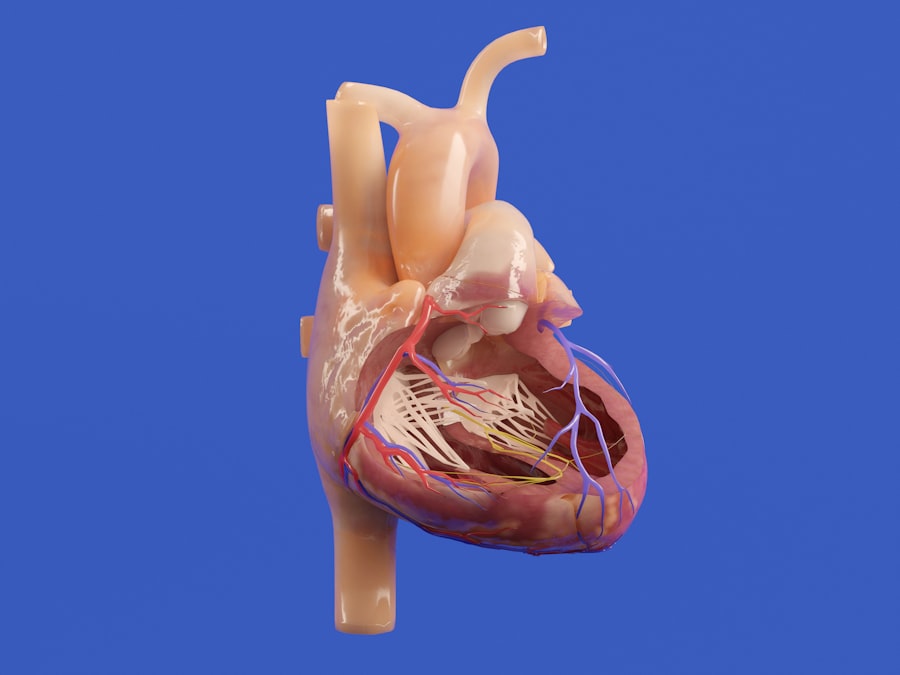
The etiology of arteriosclerotic disease is multifactorial, involving a complex interplay between genetic predisposition and environmental influences. The initial insult often begins with endothelial injury, which can be triggered by factors such as hypertension, hyperglycemia, or exposure to tobacco smoke. This endothelial dysfunction leads to increased permeability and the recruitment of inflammatory cells to the site of injury.
Once inflammation is established, low-density lipoprotein (LDL) cholesterol infiltrates the arterial wall, where it undergoes oxidation. Oxidized LDL is particularly atherogenic, promoting further inflammation and attracting macrophages that engulf the lipid particles. These macrophages transform into foam cells, contributing to plaque formation.
Over time, smooth muscle cells migrate to the intima layer of the artery, proliferating and producing extracellular matrix components that stabilize the plaque but also contribute to arterial stiffness.
The Role of Diet and Lifestyle in Arteriosclerotic Disease
| Factors | Impact |
|---|---|
| Diet high in saturated fats | Increases LDL cholesterol levels |
| Low fruit and vegetable intake | Decreases antioxidant intake |
| Physical inactivity | Increases risk of obesity and high blood pressure |
| Smoking | Increases risk of atherosclerosis and blood clots |
| Excessive alcohol consumption | Raises blood pressure and increases triglyceride levels |
Dietary habits play a pivotal role in the development and progression of arteriosclerotic disease. A diet high in saturated fats, trans fats, and refined carbohydrates can exacerbate dyslipidemia and promote inflammation. Conversely, a heart-healthy diet rich in fruits, vegetables, whole grains, lean proteins, and healthy fats—such as those found in fish and nuts—can significantly reduce cardiovascular risk.
Physical activity is another critical component in managing arteriosclerotic disease. Regular exercise helps maintain a healthy weight, lowers blood pressure, improves lipid profiles, and enhances overall cardiovascular health. The American Heart Association recommends at least 150 minutes of moderate-intensity aerobic activity per week for adults.
Additionally, stress management techniques such as mindfulness meditation or yoga can also contribute positively to cardiovascular health by reducing stress-induced inflammation.
How Arteriosclerotic Disease Affects the Body
Arteriosclerotic disease has far-reaching effects on various organ systems due to its impact on blood flow. When coronary arteries become narrowed or blocked by atherosclerotic plaques, myocardial ischemia can occur, leading to angina pectoris or myocardial infarction. Similarly, when carotid arteries are affected, there is an increased risk of transient ischemic attacks (TIAs) or strokes due to reduced cerebral perfusion.
Peripheral artery disease manifests as claudication—pain or cramping in the legs during physical activity—due to inadequate blood supply to the muscles. Chronic ischemia can lead to critical limb ischemia and even necessitate amputation in severe cases. Furthermore, systemic effects such as chronic inflammation associated with atherosclerosis can contribute to other conditions like chronic kidney disease and metabolic syndrome.
Symptoms and Diagnosis of Arteriosclerotic Disease
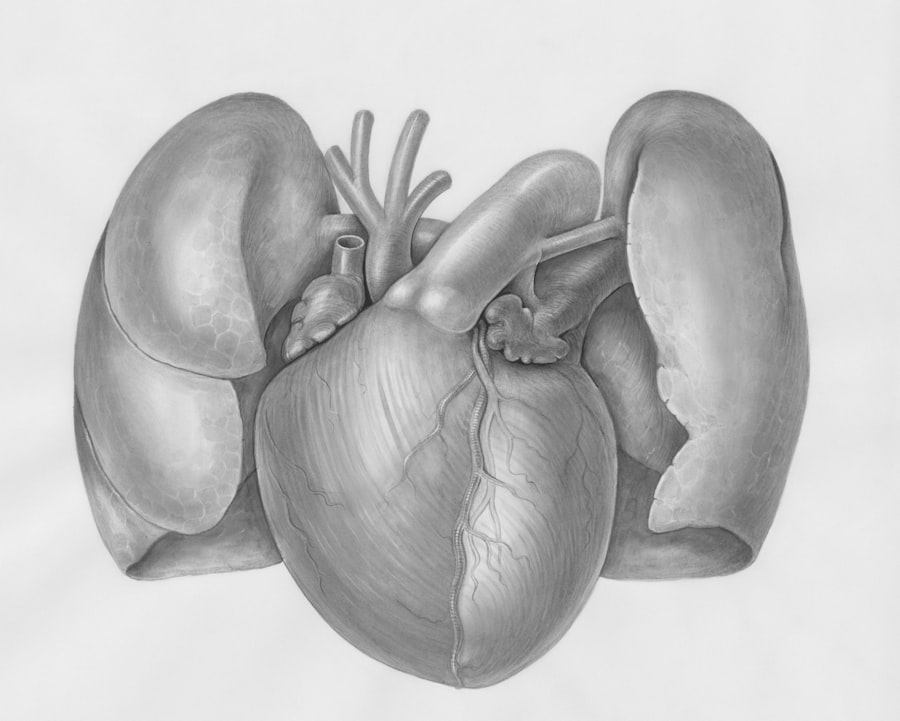
The symptoms of arteriosclerotic disease can vary widely depending on the affected arteries and the severity of the condition. Many individuals remain asymptomatic until significant arterial blockage occurs. Common symptoms include chest pain (angina), shortness of breath during exertion, fatigue, leg pain during walking (claudication), or neurological deficits in cases involving cerebral circulation.
Diagnosis typically involves a combination of patient history assessment, physical examination, and diagnostic imaging techniques. Non-invasive tests such as Doppler ultrasound can evaluate blood flow in peripheral arteries, while coronary angiography remains the gold standard for assessing coronary artery disease. Other imaging modalities like computed tomography (CT) angiography or magnetic resonance angiography (MRA) may also be employed to visualize arterial blockages.
Treatment Options for Arteriosclerotic Disease
The treatment approach for arteriosclerotic disease is multifaceted and tailored to individual patient needs based on the severity of the condition and associated risk factors. Initial management often focuses on lifestyle modifications aimed at reducing cardiovascular risk factors. This includes dietary changes, increased physical activity, smoking cessation, and weight management.
In cases where lifestyle modifications alone are insufficient or when significant arterial blockage is present, pharmacological interventions may be necessary. Statins are commonly prescribed to lower cholesterol levels and stabilize plaques. Antiplatelet agents such as aspirin or clopidogrel may also be utilized to reduce thrombotic events associated with plaque rupture.
Medications for Arteriosclerotic Disease
Medications play a crucial role in managing arteriosclerotic disease by targeting specific risk factors and preventing complications. Statins are among the most widely used medications for lowering low-density lipoprotein (LDL) cholesterol levels. They work by inhibiting HMG-CoA reductase, an enzyme involved in cholesterol synthesis in the liver.
Statins not only lower cholesterol but also possess anti-inflammatory properties that stabilize atherosclerotic plaques. Other classes of medications include antihypertensives such as ACE inhibitors or beta-blockers that help manage blood pressure effectively. Antiplatelet agents are essential for preventing thrombus formation on unstable plaques; they inhibit platelet aggregation and reduce the risk of acute cardiovascular events.
In some cases, newer agents like PCSK9 inhibitors may be prescribed for patients with familial hypercholesterolemia or those who do not achieve adequate LDL reduction with statins alone.
Lifestyle Changes to Manage Arteriosclerotic Disease
Implementing lifestyle changes is paramount in managing arteriosclerotic disease effectively. A heart-healthy diet should emphasize whole foods while minimizing processed foods high in sugars and unhealthy fats. The Mediterranean diet is often recommended due to its emphasis on fruits, vegetables, whole grains, fish, nuts, and olive oil.
Regular physical activity is equally important; incorporating aerobic exercises such as walking, cycling, or swimming into daily routines can enhance cardiovascular fitness and improve overall health outcomes. Additionally, stress management techniques such as yoga or mindfulness meditation can help mitigate stress-related inflammation that exacerbates atherosclerosis.
Surgical Procedures for Arteriosclerotic Disease
In cases where medical management fails or significant arterial blockages threaten vital organ perfusion, surgical interventions may be warranted. Angioplasty with stent placement is a minimally invasive procedure that involves inserting a balloon catheter into the affected artery to widen it and placing a stent to keep it open. Coronary artery bypass grafting (CABG) is another surgical option for patients with severe coronary artery disease; it involves creating a bypass around blocked arteries using grafts from other vessels in the body.
Endarterectomy may be performed on carotid arteries to remove plaque buildup directly from the arterial wall.
Preventing Arteriosclerotic Disease
Preventing arteriosclerotic disease requires a proactive approach focused on modifying risk factors early in life. Regular health screenings for blood pressure, cholesterol levels, and glucose levels are essential for early detection of potential issues. Individuals should aim for a balanced diet rich in antioxidants while avoiding excessive salt intake.
Engaging in regular physical activity—at least 150 minutes per week—can significantly reduce cardiovascular risk. Smoking cessation programs are vital for those who smoke; even reducing tobacco use can yield substantial health benefits. Lastly, managing stress through relaxation techniques can further enhance overall well-being and reduce cardiovascular risks.
In summary, arteriosclerotic disease represents a significant health challenge characterized by arterial plaque formation leading to serious cardiovascular complications. Understanding its risk factors—including both modifiable and non-modifiable elements—is crucial for effective prevention and management strategies. Lifestyle modifications play an essential role alongside pharmacological treatments aimed at controlling cholesterol levels and blood pressure.
Surgical interventions may be necessary for advanced cases where medical management is insufficient. Ultimately, adopting a comprehensive approach that includes dietary changes, regular exercise, stress management techniques, and routine medical check-ups can significantly reduce the burden of this pervasive condition on individuals and society at large.
Arteriosclerotic disease, also known as atherosclerosis, is a condition that affects the arteries and can lead to serious health complications. One related article that delves into the importance of maintaining a healthy lifestyle to prevent arteriosclerosis is Is Now the Right Time to Buy Amazon Stock?. This article discusses the impact of lifestyle choices on overall health and how investing in one’s health can help prevent diseases like arteriosclerosis. It emphasizes the importance of making informed decisions for long-term well-being.
FAQs
What is arteriosclerotic disease?
Arteriosclerotic disease, also known as atherosclerosis, is a condition in which the arteries become narrowed and hardened due to a buildup of plaque. This can restrict blood flow and lead to various cardiovascular problems.
What are the risk factors for arteriosclerotic disease?
Risk factors for arteriosclerotic disease include high cholesterol, high blood pressure, smoking, diabetes, obesity, and a sedentary lifestyle. Genetics and age also play a role in the development of the disease.
What are the symptoms of arteriosclerotic disease?
Symptoms of arteriosclerotic disease can vary depending on the affected arteries, but may include chest pain, shortness of breath, fatigue, leg pain, and numbness or weakness in the extremities. In some cases, the disease may be asymptomatic until a serious event such as a heart attack or stroke occurs.
How is arteriosclerotic disease diagnosed?
Arteriosclerotic disease can be diagnosed through a combination of medical history, physical examination, and diagnostic tests such as blood tests, imaging studies (e.g., ultrasound, CT scan, MRI), and angiography.
What are the treatment options for arteriosclerotic disease?
Treatment for arteriosclerotic disease may include lifestyle changes (e.g., diet, exercise, smoking cessation), medications to control risk factors (e.g., cholesterol-lowering drugs, blood pressure medications), and in some cases, surgical procedures such as angioplasty or bypass surgery.
Can arteriosclerotic disease be prevented?
Arteriosclerotic disease can be prevented or delayed by maintaining a healthy lifestyle, including a balanced diet, regular physical activity, not smoking, and managing conditions such as high cholesterol and high blood pressure. Regular medical check-ups and screenings are also important for early detection and intervention.