Now Reading: Uncovering Crime: The Power of the Police Scanner
-
01
Uncovering Crime: The Power of the Police Scanner
Uncovering Crime: The Power of the Police Scanner
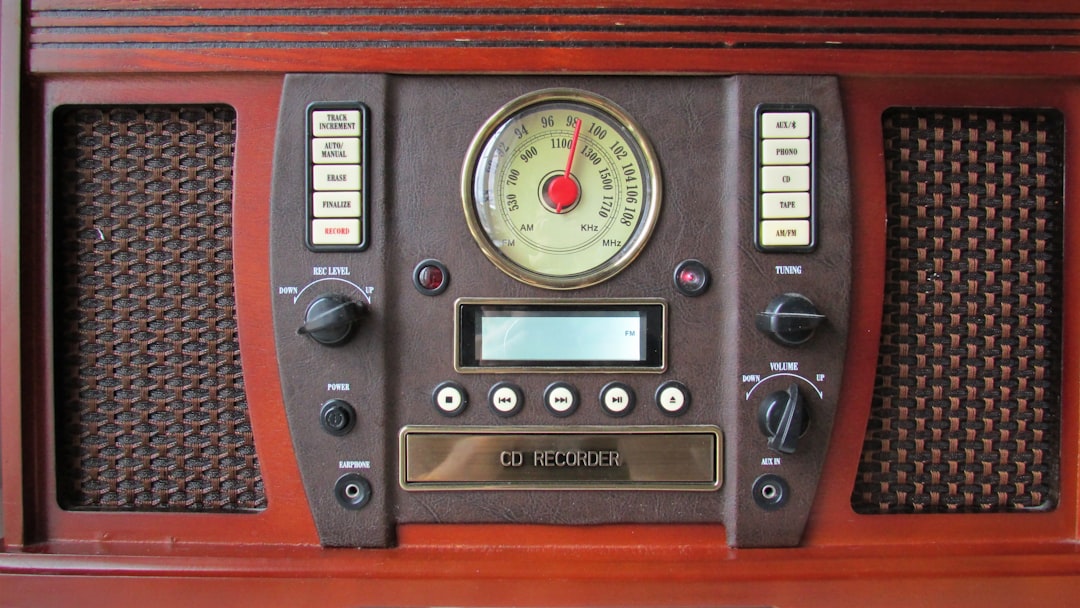
The evolution of police scanners is a fascinating journey that reflects the broader advancements in communication technology and public safety. The inception of radio communication in the early 20th century marked the beginning of a new era for law enforcement agencies. Initially, police departments utilized two-way radios for internal communication, which allowed officers to relay information quickly and efficiently.
By the 1930s, the introduction of the first police scanner, known as a “police radio receiver,” enabled civilians to listen in on police communications, thus igniting public interest in monitoring law enforcement activities. As technology progressed, so did the sophistication of police scanners. The 1960s saw the advent of multi-band receivers, which allowed users to access a wider range of frequencies.
This period also marked the transition from analog to digital communication systems, enhancing clarity and reducing interference. By the 1990s, the introduction of trunked radio systems revolutionized police communications, allowing multiple agencies to share frequencies without interference. Today, modern police scanners are equipped with advanced features such as digital decoding, GPS tracking, and even smartphone connectivity, making them more accessible and user-friendly than ever before.
Key Takeaways
- Police scanners have a long history dating back to the early 20th century, evolving from simple radio receivers to sophisticated digital devices.
- Police scanners work by receiving radio signals from law enforcement agencies and translating them into audible sound, allowing users to listen in on police communications.
- Police scanners play a crucial role in law enforcement by enabling real-time information sharing, coordination, and situational awareness among officers and agencies.
- Technology has significantly impacted police scanners, with advancements in digital encryption and radio systems posing challenges for scanner users.
- Using police scanners for crime prevention offers benefits such as community engagement, increased public safety awareness, and the potential for citizen involvement in reporting suspicious activities.
How Police Scanners Work
Police scanners operate by receiving radio signals transmitted by law enforcement agencies. These signals are typically broadcast on specific frequencies allocated for public safety communications. The scanners are designed to tune into these frequencies, allowing users to listen to real-time communications between police officers, dispatchers, and other emergency services.
Most modern scanners can automatically search for active frequencies, making it easier for users to find relevant channels. The technology behind police scanners has evolved significantly over the years. Traditional analog scanners utilized simple circuitry to demodulate radio signals, while contemporary digital scanners employ advanced digital signal processing (DSP) techniques.
This allows them to decode complex digital transmissions, such as those used in Project 25 (P25) systems, which are widely adopted by law enforcement agencies across North America. Additionally, many scanners now feature trunking capabilities, enabling users to follow conversations across multiple channels seamlessly.
The Role of Police Scanners in Law Enforcement
Police scanners play a crucial role in enhancing situational awareness for law enforcement agencies. By providing real-time updates on incidents, officers can respond more effectively to emergencies and coordinate their efforts with other units. Scanners also facilitate communication between different agencies during multi-jurisdictional operations, ensuring that all parties are informed and can collaborate efficiently. Moreover, police scanners serve as a valuable tool for community engagement.
By allowing citizens to listen in on police communications, these devices foster transparency and accountability within law enforcement. This open line of communication can help build trust between the police and the communities they serve, as residents feel more informed about local safety issues and police activities.
The Impact of Technology on Police Scanners
| Impact of Technology on Police Scanners |
|---|
| 1. Improved Communication |
| 2. Enhanced Encryption |
| 3. Digital Trunking Systems |
| 4. Interoperability |
| 5. Real-time Data Sharing |
The rapid advancement of technology has significantly transformed the landscape of police scanners. The integration of digital technology has improved audio quality and expanded the range of frequencies that can be monitored. Additionally, the development of software-defined radios (SDRs) has revolutionized how scanners operate, allowing users to customize their listening experience and access a broader spectrum of signals.
Furthermore, mobile applications have emerged as a popular alternative to traditional handheld scanners. These apps enable users to stream police communications directly to their smartphones or tablets, providing convenience and accessibility. The rise of social media platforms has also facilitated real-time sharing of information related to police activity, further enhancing public awareness and engagement.
The Benefits of Using Police Scanners for Crime Prevention
Utilizing police scanners can significantly contribute to crime prevention efforts within communities. By monitoring police communications, citizens can stay informed about ongoing incidents and potential threats in their area. This heightened awareness allows individuals to take proactive measures to protect themselves and their property.
Moreover, the presence of active listeners can deter criminal activity. When potential offenders are aware that their actions may be monitored by vigilant citizens or law enforcement agencies, they may think twice before engaging in illegal behavior. This community vigilance fosters a sense of safety and security, ultimately contributing to lower crime rates.
The Ethical Considerations of Police Scanner Use
While police scanners offer numerous benefits, their use raises important ethical considerations.
Sensitive situations, such as domestic disputes or medical emergencies, may be broadcast over police frequencies, leading to unintended exposure for those involved.
Additionally, the misuse of information obtained from police scanners can pose risks to both law enforcement personnel and civilians. For instance, individuals may use scanner information to interfere with police operations or engage in criminal activities. Therefore, it is essential for users to approach scanner monitoring with a sense of responsibility and ethical awareness.
The Legalities of Accessing Police Scanner Frequencies
Accessing police scanner frequencies is generally legal in many jurisdictions; however, specific regulations may vary by region. In the United States, federal law permits individuals to listen to public safety communications without a license. Nonetheless, some states have enacted laws prohibiting the use of scanners during the commission of a crime or while operating a vehicle.
It is crucial for users to familiarize themselves with local laws regarding scanner usage to avoid potential legal repercussions. Additionally, some jurisdictions may encrypt their communications for security reasons, making it illegal for civilians to intercept these transmissions. Understanding these legalities is essential for responsible scanner use.
The Role of Citizen Journalists in Monitoring Police Scanners
Citizen journalists have emerged as vital contributors to public discourse surrounding law enforcement activities through their monitoring of police scanners. Equipped with scanners or mobile apps, these individuals provide real-time updates on incidents and share information with their communities via social media platforms or blogs. This grassroots journalism fosters transparency and accountability within law enforcement agencies.
Moreover, citizen journalists often play a critical role during high-profile events or protests by documenting police interactions with the public. Their presence can help ensure that law enforcement actions are conducted fairly and ethically while providing an additional layer of oversight that may deter misconduct.
The Challenges of Interpreting Police Scanner Communications
Interpreting police scanner communications can be challenging due to various factors such as jargon, codes, and rapid speech patterns used by law enforcement personnel. Officers often employ ten-codes or 10 signals (e.g., “10-4” for acknowledgment) that may not be familiar to the general public. This specialized language can create confusion for those attempting to follow along with ongoing incidents.
Additionally, the fast-paced nature of police communications can make it difficult for listeners to grasp the full context of a situation. Without proper training or experience in interpreting these communications, individuals may misinterpret critical information or draw incorrect conclusions about ongoing events.
The Future of Police Scanners in Law Enforcement
As technology continues to advance at an unprecedented pace, the future of police scanners appears promising yet complex. Innovations such as artificial intelligence (AI) and machine learning may enhance the capabilities of scanners by enabling them to analyze patterns in communications and predict potential incidents before they occur. Moreover, as law enforcement agencies increasingly adopt encrypted communication systems for security purposes, the accessibility of scanner frequencies may diminish.
This shift could lead to a greater reliance on official channels for information dissemination and potentially limit public access to real-time updates on police activities.
The Importance of Transparency in Police Scanner Usage
Transparency is paramount in fostering trust between law enforcement agencies and the communities they serve. By maintaining open lines of communication through police scanners, agencies can demonstrate accountability and responsiveness to public concerns. This transparency not only enhances community relations but also encourages citizen engagement in public safety initiatives.
Furthermore, law enforcement agencies should consider implementing policies that govern scanner usage among officers and ensure that sensitive information is handled appropriately. Establishing clear guidelines can help mitigate ethical concerns while promoting responsible use of technology within policing practices. In summary, police scanners have evolved significantly since their inception, becoming essential tools for both law enforcement agencies and citizens alike.
Their ability to provide real-time information enhances situational awareness and fosters community engagement while raising important ethical considerations regarding privacy and misuse. As technology continues to shape the landscape of policing, maintaining transparency and accountability will be crucial in ensuring that these tools serve their intended purpose effectively and ethically.
If you are interested in staying informed about local law enforcement activities, a police scanner can be a valuable tool. With a police scanner, you can listen to live police communications and stay up to date on what is happening in your community. For more information on the benefits of hiring a local lawyer in 2025, check out this article.
FAQs
What is a police scanner?
A police scanner is a radio receiver that allows users to listen to a variety of radio transmissions, including those from law enforcement agencies, fire departments, and emergency medical services.
How does a police scanner work?
Police scanners work by receiving radio signals from various agencies and translating them into audible sound. Users can tune into specific frequencies to listen to different types of transmissions.
What can you listen to on a police scanner?
On a police scanner, users can listen to a wide range of radio transmissions, including police communications, fire department dispatches, emergency medical services calls, and other public safety communications.
Is it legal to own and use a police scanner?
In the United States, it is generally legal to own and use a police scanner for personal use. However, there are restrictions on using scanners in the commission of a crime or to aid criminal activity.
Are there different types of police scanners?
Yes, there are different types of police scanners, including handheld scanners, mobile scanners for use in vehicles, and desktop/base scanners for home or office use. Some scanners also offer digital capabilities for listening to digital radio systems.
Can I listen to encrypted police communications on a police scanner?
No, encrypted police communications cannot be listened to on a standard police scanner. Encrypted transmissions require special authorization and equipment to decode and listen to.