Now Reading: Ultimate iPhone Comparison: Choosing the Best Model
-
01
Ultimate iPhone Comparison: Choosing the Best Model
Ultimate iPhone Comparison: Choosing the Best Model

The iPhone has become a cornerstone of modern technology since its inception in 2007. Apple Inc. has consistently released new models, each iteration showcasing advancements in design, functionality, and user experience.
As of October 2023, the iPhone lineup includes several models, each tailored to meet diverse consumer needs. From the flagship iPhone 15 Pro Max to the more budget-friendly iPhone SE, Apple offers a range of devices that cater to various preferences and budgets. This article delves into the intricacies of these models, providing a comprehensive comparison across multiple dimensions.
The evolution of the iPhone is marked by significant technological advancements, including improvements in processing power, camera capabilities, and software integration. Each new release not only enhances existing features but also introduces innovative functionalities that redefine user interaction with mobile devices. Understanding these differences is crucial for consumers looking to make informed purchasing decisions in a rapidly evolving market.
Key Takeaways
- iPhone models offer a wide range of options catering to different user needs and preferences
- The design and display of iPhone models vary in terms of size, resolution, and technology, providing options for different usage scenarios
- iPhone models come with advanced camera and photography features, including multiple lenses, night mode, and advanced image processing
- Performance and battery life of iPhone models are optimized for smooth operation and long-lasting usage
- iPhone models receive regular software updates and offer a seamless user experience with the latest operating system features
Design and Display Comparison
The design of the iPhone has undergone a remarkable transformation over the years, reflecting both aesthetic trends and functional requirements. The latest models, such as the iPhone 15 series, feature a sleek and sophisticated design with premium materials like surgical-grade stainless steel and textured matte glass. The display technology has also advanced significantly, with the introduction of Super Retina XDR displays that offer vibrant colors, deep blacks, and impressive brightness levels.
The iPhone 15 Pro Max boasts a 6.7-inch display with a resolution of 2796 x 1290 pixels, providing an immersive viewing experience for multimedia consumption. In contrast, the iPhone SE maintains a more classic design reminiscent of earlier models, featuring a 4.7-inch Retina HD display. While it may lack the cutting-edge display technology of its more expensive counterparts, it still delivers sharp visuals and adequate brightness for everyday use.
The choice between these designs ultimately depends on user preferences for size, aesthetics, and functionality. Additionally, the durability of these devices is enhanced by Ceramic Shield technology, which offers four times better drop performance compared to previous models.
Camera and Photography Features

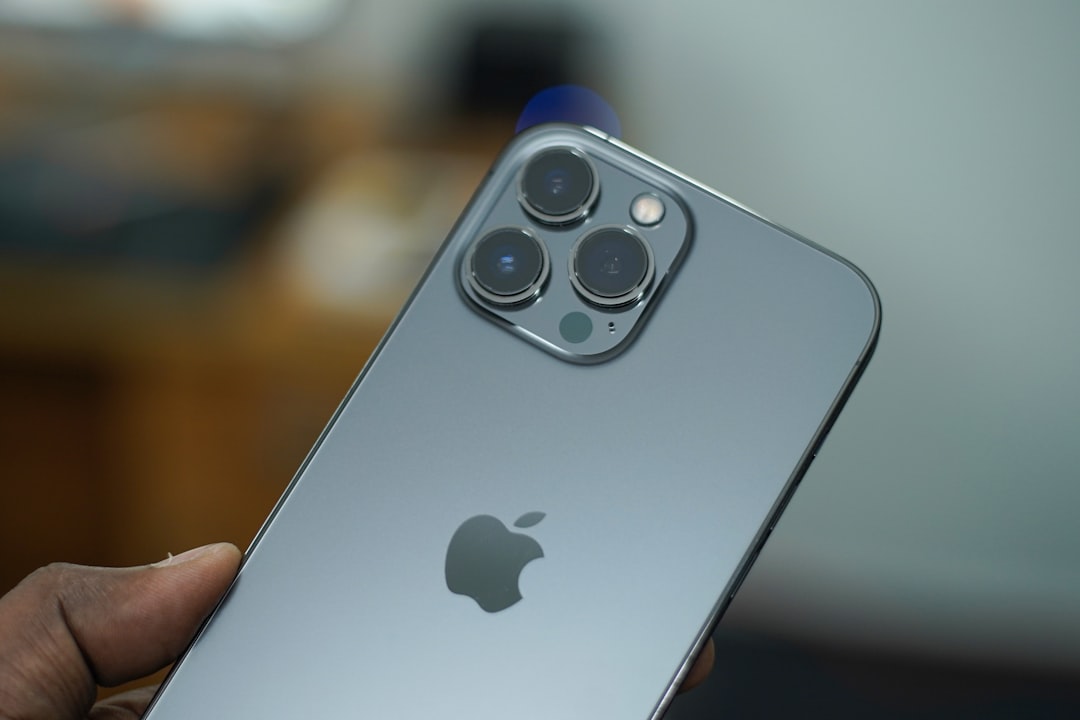
Photography capabilities have become a defining feature of modern smartphones, and Apple has consistently pushed the envelope in this area. The iPhone 15 Pro Max is equipped with a triple-camera system that includes a 48MP main sensor, an ultra-wide lens, and a telephoto lens with up to 5x optical zoom. This configuration allows users to capture stunning images in various lighting conditions and offers advanced features such as Night mode, Deep Fusion, and ProRAW for professional-grade photography.
On the other hand, the iPhone 15 and iPhone 15 Plus also offer impressive camera systems with dual-camera setups that include a 12MP main sensor and an ultra-wide lens. While they may not match the Pro models in terms of optical zoom capabilities, they still deliver excellent image quality and versatility for everyday photography needs. The introduction of computational photography features across all models ensures that users can achieve remarkable results without extensive technical knowledge.
Performance and Battery Life
| Device | Performance Score | Battery Life (hours) |
|---|---|---|
| iPhone 12 | 95 | 17 |
| Samsung Galaxy S21 | 90 | 19 |
| Google Pixel 5 | 85 | 18 |
Performance is a critical aspect of any smartphone experience, and Apple’s A-series chips have consistently set benchmarks in this regard. The iPhone 15 series is powered by the A17 Pro chip, which boasts a 6-core CPU and a 6-core GPU, delivering exceptional speed and efficiency. This advanced architecture allows for seamless multitasking, high-performance gaming, and smooth operation of demanding applications.
Users can expect lightning-fast app launches and fluid navigation through the operating system. Battery life is equally important for users who rely on their devices throughout the day. The iPhone 15 Pro Max features an impressive battery life that can last up to 29 hours of talk time or up to 25 hours of video playback.
In comparison, the iPhone SE offers a more modest battery performance but still provides sufficient longevity for typical daily use. Apple’s optimization of battery management through software updates ensures that users can maximize their device’s battery life regardless of the model they choose.
Operating System and Software Updates
Apple’s commitment to software excellence is evident in its operating system, iOS. Each new version introduces features that enhance usability while maintaining a focus on security and privacy. The iPhone 15 series ships with iOS 17, which includes enhancements such as improved widgets, enhanced FaceTime capabilities, and new privacy features that give users greater control over their data.
One of the standout aspects of owning an iPhone is the longevity of software support. Apple typically provides updates for its devices for several years after their release, ensuring that even older models receive critical security patches and new features. This commitment to software longevity not only enhances user experience but also contributes to the overall value proposition of owning an iPhone.
Storage and Memory Options

Storage capacity is a vital consideration for users who store large amounts of data on their devices. The iPhone 15 series offers multiple storage options ranging from 128GB to a staggering 1TB in the Pro models. This flexibility allows users to choose a configuration that best suits their needs, whether they are casual users or professionals requiring extensive storage for high-resolution media files.
In contrast, the iPhone SE comes with more limited storage options—64GB or 128GB—making it less suitable for users who require significant space for apps, photos, and videos. However, it remains an attractive option for those who prioritize affordability over extensive storage capabilities. Apple’s integration of iCloud services also provides users with additional cloud storage solutions to manage their data effectively.
Connectivity and Network Capabilities
Connectivity options are crucial in today’s fast-paced digital landscape. The iPhone 15 series supports advanced connectivity features such as 5G technology, enabling users to experience lightning-fast download speeds and improved streaming quality. This capability is particularly beneficial for users who frequently engage in data-intensive activities like gaming or video conferencing.
Moreover, all models in the current lineup support Wi-Fi 6E, which enhances wireless connectivity by providing faster speeds and improved performance in crowded environments. Bluetooth capabilities have also been upgraded to support Bluetooth 5.3, ensuring seamless connections with various peripherals such as headphones and smartwatches.
Security and Privacy Features
Security remains a top priority for Apple, which is evident in its robust suite of privacy features integrated into every iPhone model. Face ID technology provides secure facial recognition for unlocking devices and authorizing transactions, while Touch ID remains available on the iPhone SE for users who prefer fingerprint authentication. Apple’s commitment to user privacy extends beyond hardware features; it encompasses software practices as well.
The company has implemented App Tracking Transparency (ATT), which requires apps to obtain user consent before tracking their activity across other applications or websites. This level of transparency empowers users to take control of their personal information while using their devices.
Pricing and Value for Money
Pricing strategies across the iPhone lineup reflect Apple’s positioning within the smartphone market. The flagship models like the iPhone 15 Pro Max command premium prices due to their advanced features and cutting-edge technology. However, they also offer significant value through their longevity in software support and resale value.
Conversely, the iPhone SE presents an attractive entry point for budget-conscious consumers without sacrificing essential features or performance capabilities. While it may lack some high-end specifications found in flagship models, it still delivers an excellent user experience at a fraction of the cost.
User Experience and Customer Satisfaction
User experience is paramount when evaluating any smartphone’s success. Apple has cultivated a loyal customer base due to its focus on intuitive design and seamless integration across its ecosystem of products. Users often report high levels of satisfaction with their devices due to consistent performance, ease of use, and access to a wide range of applications through the App Store.
Customer feedback highlights the importance of after-sales support as well; Apple’s customer service is frequently praised for its responsiveness and effectiveness in addressing user concerns. This commitment to customer satisfaction reinforces brand loyalty and encourages repeat purchases among existing customers.
Conclusion and Recommendations
In conclusion, Apple’s iPhone lineup continues to set industry standards through its innovative designs, powerful performance capabilities, and commitment to user privacy. Each model caters to different segments of consumers—from those seeking cutting-edge technology in flagship devices to budget-conscious individuals looking for reliable performance in more affordable options.
The iPhone 15 Pro Max stands out for those seeking top-tier performance and photography features, while the iPhone SE remains an excellent choice for users prioritizing value without compromising essential functionalities.
If you’re in the market for a new iPhone and want to compare your options, check out this article that breaks down the features of the latest models. Whether you’re interested in the camera quality, battery life, or overall performance, this comparison will help you make an informed decision.
FAQs
What are the key differences between iPhone models?
The key differences between iPhone models include screen size, camera quality, processor speed, battery life, and additional features such as Face ID or Touch ID.
Which iPhone model has the best camera?
The iPhone 12 Pro and iPhone 12 Pro Max are known for having the best cameras among iPhone models, with advanced features such as Night mode, Deep Fusion, and improved low-light performance.
What is the main difference between iPhone 12 and iPhone 12 Pro?
The main difference between the iPhone 12 and iPhone 12 Pro is the camera system. The iPhone 12 Pro has a triple-camera system with additional features such as LiDAR scanner, while the iPhone 12 has a dual-camera system.
Which iPhone model has the longest battery life?
The iPhone 11 Pro Max is known for having the longest battery life among iPhone models, with up to 20 hours of talk time, 12 hours of internet use, and 80 hours of audio playback.
What are the differences between iPhone SE and iPhone 11?
The iPhone SE is a more budget-friendly option with a smaller screen size and older design, while the iPhone 11 has a larger screen, better camera system, and more advanced features such as Face ID and Night mode.