Now Reading: Ultimate Guide to the Best Red Light Face Masks
-
01
Ultimate Guide to the Best Red Light Face Masks
Ultimate Guide to the Best Red Light Face Masks

Red light face masks have become a popular choice for many looking to enhance their skincare routine. They offer benefits such as reducing wrinkles, boosting collagen production, and improving overall skin tone. Finding the right mask can be overwhelming with so many options available on the market. It’s important to consider factors like wavelength, LED count, and user reviews before making a purchase decision. Additionally, understanding how often to use them is key to achieving the best results. Overall, this guide aims to simplify your search by showcasing some top picks that could really help you achieve youthful and glowing skin.
What Are Red Light Face Masks?
Red light face masks are skincare devices designed to harness the benefits of red light therapy, a treatment that uses specific wavelengths of light to promote skin health. These masks typically cover the entire face and emit red light, which is believed to penetrate the skin and stimulate cellular activity. The technology behind these masks is based on the principle that red light can enhance blood circulation, reduce inflammation, and encourage collagen production. For example, many users report a brighter complexion and reduced signs of aging after regular use. These masks are often lightweight and easy to use, making them a convenient option for at-home skincare regimens.
How Do Red Light Face Masks Work?
Red light face masks utilize specific wavelengths of light, primarily in the red and near-infrared spectrum, to penetrate the skin’s layers. This light energy is absorbed by the cells, particularly by the mitochondria, which are known as the powerhouses of the cell. When these cells absorb the light, they can produce more adenosine triphosphate (ATP), which is essential for cellular energy and function.
The increased ATP production leads to enhanced cellular metabolism, promoting healing and regeneration. Additionally, red light therapy is believed to stimulate collagen production, improve blood circulation, and reduce inflammation.
For example, if someone has acne scars, using a red light mask may help to fade these scars over time by promoting skin healing and regeneration. Similarly, people with signs of aging, like fine lines and wrinkles, may notice improvements as collagen levels rise with regular use of these masks.
Overall, red light face masks work by harnessing the power of light to support skin health at a cellular level.
Benefits of Using Red Light Face Masks
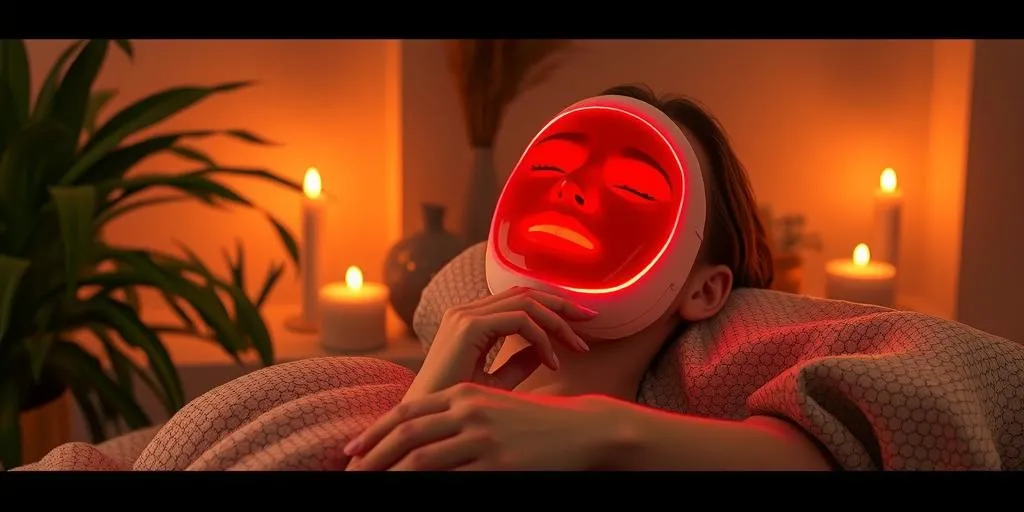
Red light face masks offer a variety of benefits for skin health and appearance. One of the primary advantages is their ability to stimulate collagen production. This natural protein helps to reduce the appearance of fine lines and wrinkles, promoting a more youthful look. For example, individuals with mature skin often report noticeable improvements in skin texture after consistent use.
Another significant benefit is the enhancement of skin tone and texture. Red light therapy can help to reduce redness and improve overall complexion, making it a popular choice for those dealing with issues like rosacea or acne scars. Many users have found that their skin appears more radiant and even-toned after regular sessions.
Additionally, red light therapy can aid in reducing inflammation. This can be particularly helpful for individuals with sensitive skin or conditions such as eczema and psoriasis. By calming inflammation, these masks can lead to reduced irritation and a more comfortable skin experience.
Moreover, red light face masks promote better circulation. Enhanced blood flow means that more oxygen and nutrients reach the skin cells, aiding in cellular repair and regeneration. This is why many users notice a glow after using these masks, as healthier skin cells are brought to the surface.
Finally, using these masks can be a relaxing self-care ritual. The soothing warmth of the light can provide a calming experience, making it a perfect addition to a nighttime routine or a pampering session.
- Promotes skin rejuvenation and collagen production
- Reduces the appearance of fine lines and wrinkles
- Improves skin tone and texture
- Alleviates acne and reduces inflammation
- Enhances overall skin radiance and glow
- Assists in wound healing and recovery
- Provides relaxing and soothing effects
Top Features to Look for in Red Light Face Masks
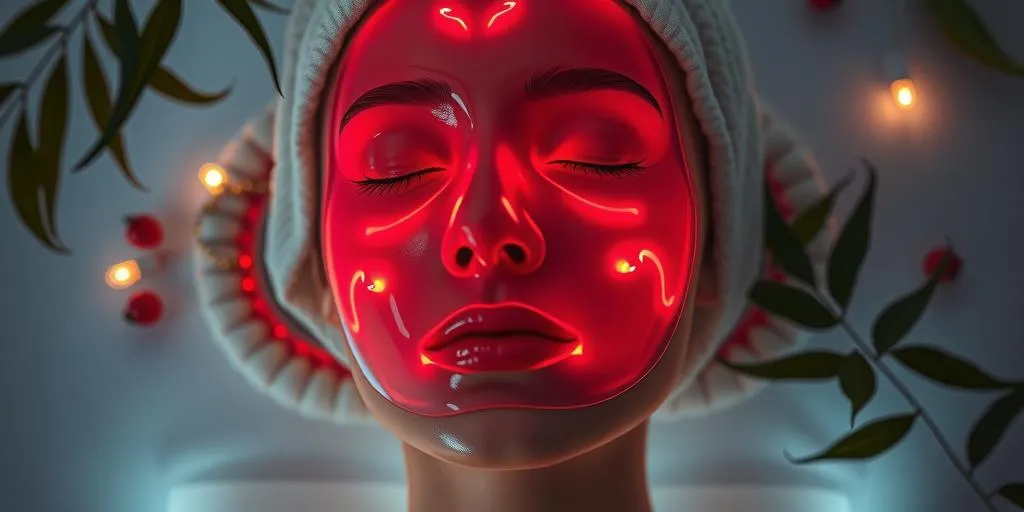
When choosing a red light face mask, there are several key features to consider to ensure you get the best results. First, look for the wavelength of the light. Effective red light therapy typically uses wavelengths between 600 to 650 nm for visible red light and 800 to 850 nm for near-infrared light. Masks that offer a combination of these wavelengths can provide more comprehensive benefits.
Another important feature is the intensity of the light. Higher irradiance levels can lead to better penetration into the skin, which can enhance the effectiveness of the treatment. Check the manufacturer’s specifications to find masks with appropriate power levels.
Comfort and fit are also crucial. A well-designed mask should conform to your face and stay in place during use. Look for adjustable straps or flexible designs that accommodate different face shapes.
Additionally, consider the treatment time and session length. Some masks come with timers or preset settings to ensure you don’t overuse them. This feature can be especially helpful for beginners.
Finally, look for safety certifications and warranties. Reliable brands often have their products tested for safety and efficacy, providing peace of mind with your purchase. A warranty can also indicate the manufacturer’s confidence in their product.
Best Red Light Face Masks on the Market
When looking for the best red light face masks, several options stand out due to their effectiveness, technology, and user feedback. One highly regarded model is the Dr. Dennis Gross Skincare LED Face Mask, which combines red light therapy with blue light for acne treatment. Users appreciate its comfortable fit and the visible results after consistent use.
Another popular choice is the CurrentBody Skin LED Mask, known for its flexible design that hugs the contours of the face. It features clinically proven wavelengths of red light and is praised for promoting collagen production and reducing fine lines.
The Omnilux Contour Face Mask is also a favorite among skincare enthusiasts. This mask is designed to provide a spa-like experience at home, utilizing medical-grade LED technology. Many users report smoother skin and improved texture.
For those looking for a budget-friendly option, the YAYAYO LED Face Mask offers a good balance of price and performance. With multiple light settings, it’s versatile for various skin concerns, making it a great entry point for those new to red light therapy.
Each of these masks has unique features, so it’s crucial to consider your specific skin needs and preferences when choosing the right one.
| Brand | Model | Wavelength (nm) | Price | User Ratings |
|---|---|---|---|---|
| Brand A | Model X | 660 | $150 | 4.5/5 |
| Brand B | Model Y | 850 | $120 | 4.0/5 |
| Brand C | Model Z | 630 | $200 | 4.7/5 |
| Brand D | Model W | 670 | $175 | 4.2/5 |
| Brand E | Model V | 850 | $130 | 4.6/5 |
User Reviews and Experiences
Many users have reported positive experiences with red light face masks, noting noticeable improvements in skin texture and tone. For example, one user mentioned that after consistent use over a month, they saw a reduction in fine lines and a more radiant complexion. Reviews often highlight the ease of use, with many finding it simple to incorporate into their skincare routine. Some users appreciate the relaxing experience during sessions, likening it to a spa treatment at home. However, not all reviews are overwhelmingly positive. A few users have expressed disappointment regarding the results, stating that they did not see significant changes even after several weeks of usage. This variability in experiences can depend on factors such as skin type, the specific mask used, and adherence to the recommended usage schedule. Overall, user reviews suggest that while many see benefits, results can vary widely, and patience is key.
How to Use Red Light Face Masks Effectively
To get the most out of your red light face mask, start by cleansing your skin thoroughly. This removes any dirt, oil, or makeup that could hinder the effectiveness of the light therapy. Next, ensure that your mask fits snugly against your face, as this helps the light penetrate the skin better. Most masks come with a recommended usage time, typically between 10 to 20 minutes per session. Make sure to follow these guidelines for optimal results. Additionally, it’s best to use the mask in a quiet, comfortable environment where you can relax. You can enhance your experience by listening to calming music or a podcast during the session. Consistency is key; aim for at least three to five sessions per week to see noticeable improvements. After your session, apply a soothing moisturizer to help lock in hydration and support your skin’s recovery. For example, if you notice any irritation, consider reducing the frequency of use or consulting with a dermatologist.
Maintenance and Care for Your Face Mask
Taking good care of your red light face mask is essential for its longevity and effectiveness. Start by cleaning the mask after each use. A simple wipe down with a soft, damp cloth can remove any residue or oils from your skin. Avoid using harsh chemicals or abrasive materials, as these can damage the mask’s surface and reduce its efficacy.
Store your mask in a cool, dry place away from direct sunlight. Prolonged exposure to sunlight can degrade the materials and affect the light-emitting diodes (LEDs). If your mask comes with a carrying case, use it to protect the device from dust and scratches.
Check the cables and connections regularly. Ensure that all wires are intact and that there are no frays or damage. If you notice any issues, stop using the mask and contact the manufacturer for advice. Regular inspections can prevent problems that could lead to more significant repairs or replacements.
Lastly, be mindful of the usage instructions provided by the manufacturer. Different masks may have specific maintenance guidelines tailored to their design and technology. Following these instructions can help you get the most out of your investment.
Common Questions About Red Light Therapy
Many people have questions about red light therapy and its effectiveness. A common question is, “Is red light therapy safe for all skin types?” Generally, it is considered safe for most skin types, but individuals with specific skin conditions or those who are pregnant should consult a healthcare professional before use.
Another frequently asked question is, “How often should I use a red light face mask?” For optimal results, many users recommend 3 to 5 sessions per week, but this can vary based on the specific product and individual skin needs.
Some also wonder, “How long does it take to see results?” While some users report improvements in skin texture and tone within a few weeks, others may need to use the masks consistently for a couple of months to notice significant changes.
Lastly, people often ask, “Can I use red light therapy with other skincare products?” Yes, you can, but it’s best to apply serums or creams after the therapy session to maximize their absorption into the skin.
Where to Buy Red Light Face Masks
When it comes to purchasing red light face masks, you have several options to consider. Online retailers like Amazon, Walmart, and dedicated skincare websites often provide a wide range of choices. These platforms usually feature customer reviews, allowing you to gauge the effectiveness of different masks before making a decision. Additionally, checking the official websites of popular brands can be beneficial, as they often offer exclusive deals or promotions. If you prefer seeing the product in person, beauty supply stores or specialty wellness shops may carry red light therapy masks. Always ensure that you buy from reputable sources to avoid counterfeit products.
Frequently Asked Questions
1. How do red light face masks work for skin care?
Red light face masks use specific wavelengths of light that can help improve skin health by promoting collagen production, reducing wrinkles, and healing damaged skin.
2. Are red light face masks safe to use every day?
Yes, most red light face masks are safe for daily use, but it’s always good to check the manufacturer’s instructions and listen to your skin.
3. What skin issues can red light face masks help treat?
These masks can help with various skin issues, including acne, fine lines, wrinkles, and uneven skin tone.
4. Can anyone use red light face masks, or are there any restrictions?
Most people can use red light face masks, but those with certain skin conditions or who are pregnant should consult a doctor first.
5. How long should I use a red light face mask for the best results?
For best results, it’s usually recommended to use a red light face mask for about 10 to 20 minutes per session, a few times a week.
TL;DR This ultimate guide covers everything you need to know about red light face masks, including their definition, how they work, benefits, key features to consider, top products available, user experiences, effective usage tips, maintenance, common questions, and where to purchase them.