Now Reading: UEFA Champions League: The Ultimate Football Showdown
-
01
UEFA Champions League: The Ultimate Football Showdown
UEFA Champions League: The Ultimate Football Showdown
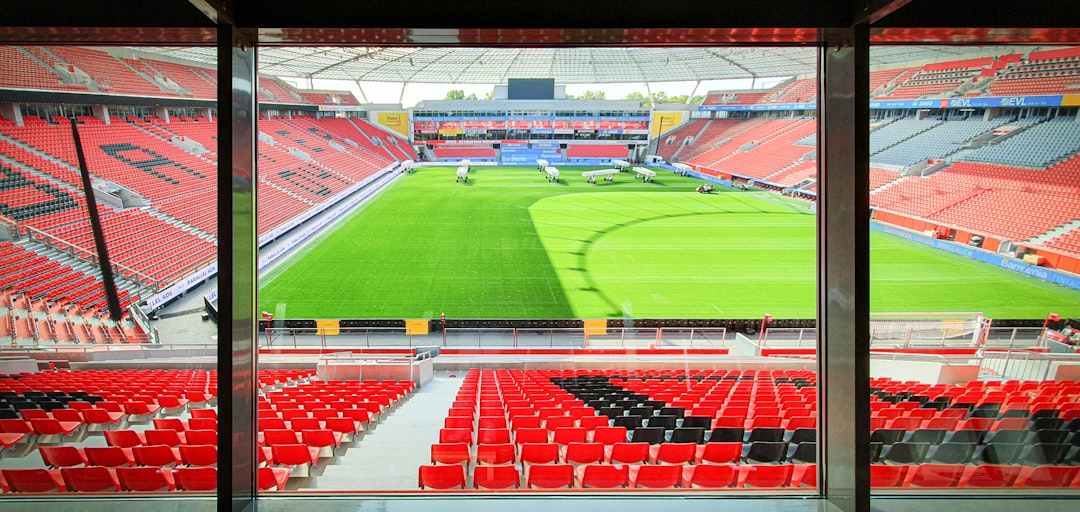
The UEFA Champions League, established in 1955, has evolved into the pinnacle of club football in Europe. Originally known as the European Cup, the tournament was conceived to create a competitive platform for the continent’s elite clubs. The inaugural season featured 16 teams, with Real Madrid emerging as the first champion after defeating Stade de Reims in the final.
This initial success set a precedent for the tournament, which quickly gained prestige and popularity among fans and clubs alike. In 1992, the competition underwent a significant transformation, rebranding itself as the UEFA Champions League. This change introduced a group stage format, allowing more teams to participate and increasing the number of matches played.
The new structure not only enhanced the tournament’s competitiveness but also expanded its global reach. Over the decades, the Champions League has become synonymous with high-stakes football, showcasing some of the most thrilling matches and legendary players in history.
Key Takeaways
- The UEFA Champions League has evolved from its origins in the 1950s to become Europe’s premier club football competition.
- The tournament features a group stage followed by knockout rounds, involving top clubs from various European leagues.
- Clubs like Real Madrid and AC Milan have been historically dominant, winning multiple titles.
- The Champions League significantly influences European football’s competitive landscape, finances, and global popularity.
- Iconic matches and star players have shaped the tournament’s legacy, while controversies and commercial growth continue to impact its future.
The Format and Structure of the Tournament
The UEFA Champions League features a meticulously structured format that ensures a fair and competitive environment for all participating clubs. The tournament begins with a qualification phase, where teams from various European leagues compete for a place in the group stage. A total of 32 teams enter the group stage, divided into eight groups of four.
Each team plays home and away matches against the others in their group, with the top two from each group advancing to the knockout stage. The knockout phase consists of four rounds: the Round of 16, quarter-finals, semi-finals, and the final. Matches in this stage are played over two legs, with aggregate scores determining which teams progress.
The climax of the tournament occurs in May, when the two finalists face off in a single match at a neutral venue. This format not only heightens the drama but also allows clubs from smaller leagues to compete against Europe’s elite, fostering a sense of inclusivity within the tournament.
The Most Successful Clubs in Champions League History

Throughout its illustrious history, certain clubs have distinguished themselves as powerhouses within the UEFA Champions League. Real Madrid holds the record for the most titles, having lifted the trophy an astonishing 14 times as of 2023. Their dominance is underscored by their ability to consistently perform at the highest level, showcasing a blend of tactical acumen and individual brilliance.
AC Milan follows closely behind with seven titles, while Liverpool and Bayern Munich have each claimed six championships. These clubs have not only excelled on the pitch but have also cultivated rich legacies that resonate with fans worldwide. Their success stories are often characterized by memorable matches, iconic players, and a relentless pursuit of excellence that continues to inspire future generations.
The Impact of the Champions League on European Football
The UEFA Champions League has profoundly influenced European football, shaping both domestic leagues and international competitions. The tournament’s financial implications are significant; clubs participating in the Champions League benefit from lucrative broadcasting rights and sponsorship deals that can bolster their revenues substantially.
Moreover, the Champions League has fostered a competitive spirit among clubs, prompting them to enhance their performance levels to qualify for this prestigious tournament. The allure of competing against Europe’s best has led to increased investment in youth academies and scouting networks, ensuring that clubs remain competitive on both domestic and international fronts. As a result, the Champions League has become a catalyst for growth and development within European football.
Memorable Moments and Iconic Matches in Champions League History
| Metric | Value | Description |
|---|---|---|
| Number of Teams | 32 | Teams participating in the group stage |
| Matches Played | 125 | Total matches in a full tournament season |
| Top Scorer (All-time) | Cristiano Ronaldo | Player with the most goals scored in Champions League history |
| Most Titles (Club) | Real Madrid (14) | Club with the most UEFA Champions League titles |
| Current Champions | Manchester City | Winner of the latest completed season |
| Average Goals per Match | 2.9 | Average number of goals scored per match in recent seasons |
| Prize Money for Winner | €19 million | Base prize money awarded to the champion team |
The UEFA Champions League is replete with unforgettable moments that have etched themselves into football folklore. One such instance is Liverpool’s remarkable comeback against AC Milan in the 2005 final held in Istanbul. Trailing 3-0 at halftime, Liverpool staged one of the greatest comebacks in sports history, equalizing within six minutes of the second half and ultimately winning on penalties.
Another iconic match occurred in 1999 when Manchester United faced Bayern Munich in the final at Camp Nou. With just seconds remaining on the clock and trailing 1-0, United scored two late goals to clinch victory in dramatic fashion.
These moments not only highlight individual brilliance but also encapsulate the unpredictability and excitement that make the Champions League a must-watch event for football enthusiasts around the globe.
The Role of Star Players in the Champions League
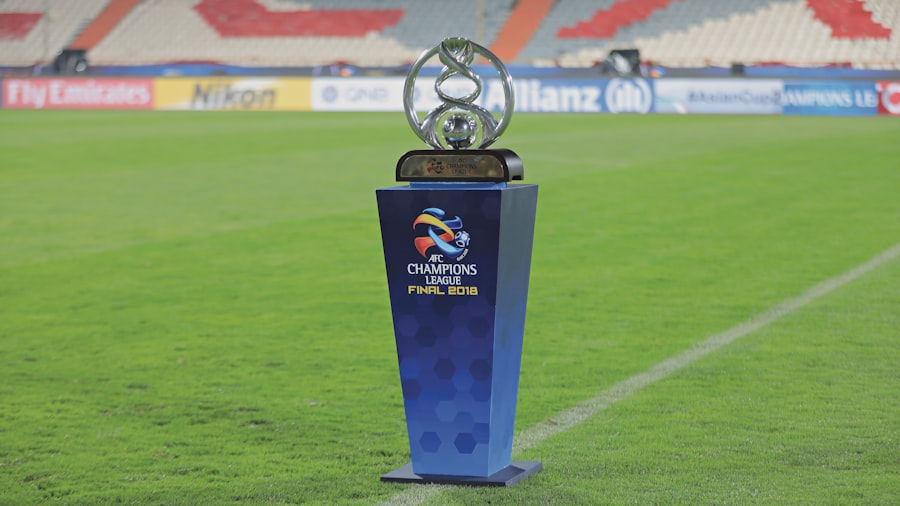
Star players have always played a pivotal role in shaping the narrative of the UEFA Champions League. Icons such as Lionel Messi and Cristiano Ronaldo have consistently delivered breathtaking performances on this grand stage, breaking records and setting new benchmarks for excellence. Their ability to perform under pressure has not only propelled their respective clubs to success but has also captivated audiences worldwide.
The presence of these elite athletes elevates the tournament’s profile, drawing attention from fans and media alike. Their rivalries and individual accolades often become focal points during discussions surrounding the competition. As such, star players are not merely participants; they are integral to the fabric of the Champions League, embodying its spirit and allure.
The Financial and Commercial Aspects of the Champions League
The UEFA Champions League represents one of the most lucrative competitions in world football, generating substantial revenue through various channels. Broadcasting rights are a primary source of income, with networks bidding billions for exclusive coverage of matches. In addition to television deals, sponsorship agreements with global brands further enhance financial prospects for participating clubs.
Clubs that perform well in the tournament can expect significant financial rewards, which can be reinvested into player acquisitions and infrastructure improvements. This financial ecosystem creates a competitive advantage for successful teams while simultaneously raising standards across European football. The commercial success of the Champions League has transformed it into a global brand that resonates with millions of fans.
The Global Appeal and Audience of the Champions League
The UEFA Champions League boasts an extensive global audience that transcends geographical boundaries. Matches are broadcasted in over 200 countries, reaching an estimated audience of more than 400 million viewers per game during key fixtures. This widespread appeal is attributed to several factors: high-quality football, star-studded lineups, and dramatic narratives that unfold throughout each season.
The tournament’s ability to attract fans from diverse backgrounds is further enhanced by its digital presence. Social media platforms provide real-time updates and highlights, allowing fans to engage with content regardless of their location. This global reach not only amplifies interest in individual matches but also fosters a sense of community among supporters worldwide.
The Evolution of the Champions League Brand and Logo
Since its inception, the UEFA Champions League brand has undergone significant evolution to reflect its growing stature within global sports culture. The iconic star ball logo symbolizes excellence and prestige, becoming synonymous with high-quality football. Over time, branding strategies have adapted to incorporate modern design elements while maintaining a connection to tradition.
The league’s marketing campaigns have also evolved to resonate with younger audiences through innovative digital content and interactive experiences. By embracing technology and social media trends, UEFA has successfully positioned the Champions League as a contemporary brand that appeals to both traditional fans and new generations alike.
Controversies and Scandals in Champions League History
Despite its prestige, the UEFA Champions League has not been immune to controversies and scandals throughout its history. Issues such as match-fixing allegations, financial irregularities, and disputes over officiating decisions have occasionally marred its reputation. One notable incident occurred during a match between Manchester City and Paris Saint-Germain when allegations surfaced regarding financial fair play violations.
These controversies often prompt discussions about governance within football organizations and highlight the need for transparency and accountability at all levels. While such incidents can tarnish reputations temporarily, they also serve as catalysts for reform within governing bodies like UEFA.
The Future of the UEFA Champions League
Looking ahead, the future of the UEFA Champions League appears promising yet challenging amid evolving dynamics within global football. As clubs continue to seek greater financial stability through lucrative broadcasting deals and sponsorships, maintaining competitive balance will be crucial for preserving the tournament’s integrity. Additionally, discussions surrounding potential reforms—such as expanding participation or altering qualification criteria—are ongoing as stakeholders seek to adapt to changing market conditions.
Embracing innovation while honoring tradition will be essential for ensuring that the UEFA Champions League remains at the forefront of club football for years to come. In summary, the UEFA Champions League stands as a testament to excellence in European football, boasting a rich history marked by memorable moments and iconic players. Its structured format fosters competitiveness while its financial implications shape club strategies across Europe.
As it continues to evolve amidst challenges and controversies, its global appeal remains unwavering—a true celebration of football at its finest.
As the UEFA Champions League progresses, fans are eagerly anticipating the thrilling matches that showcase the best of European football. For those interested in the financial side of sports, it’s worth considering how major events like the Champions League can impact stock prices of companies associated with broadcasting and sponsorship. For a deeper dive into investment opportunities, you can check out this article on the potential of Amazon stock: Should You Invest in Amazon Stock?.
FAQs
What is the UEFA Champions League?
The UEFA Champions League is an annual club football competition organized by the Union of European Football Associations (UEFA) and contested by top-division European clubs. It is one of the most prestigious tournaments in the world and the most prestigious club competition in European football.
When was the UEFA Champions League founded?
The competition was founded in 1955, originally known as the European Champion Clubs’ Cup or simply the European Cup. It was rebranded as the UEFA Champions League in the 1992-1993 season.
How do teams qualify for the UEFA Champions League?
Teams qualify for the UEFA Champions League based on their performance in their respective national leagues and cup competitions. The number of teams from each country depends on the UEFA coefficient rankings, which assess the strength of each league.
How is the UEFA Champions League structured?
The competition consists of several stages: a group stage followed by knockout rounds including the Round of 16, quarter-finals, semi-finals, and the final. The group stage features 32 teams divided into eight groups of four, with the top two teams from each group advancing to the knockout phase.
Where is the UEFA Champions League final held?
The final is held at a pre-selected neutral venue, which changes every year. The host city and stadium are chosen by UEFA well in advance of the final match.
Which club has won the most UEFA Champions League titles?
Real Madrid holds the record for the most UEFA Champions League titles, having won the competition 14 times as of 2024.
Can teams from outside Europe participate in the UEFA Champions League?
No, the UEFA Champions League is exclusively for clubs from UEFA member associations, which are primarily European countries.
What is the prize for winning the UEFA Champions League?
The winning team receives the UEFA Champions League trophy, prize money, and qualification for the UEFA Super Cup and the FIFA Club World Cup.
How are matches in the UEFA Champions League decided if teams are tied?
In the knockout stages, if teams are tied on aggregate after two legs, the match may go to extra time and, if necessary, a penalty shootout to determine the winner. The away goals rule was abolished starting from the 2021-2022 season.
Where can I watch UEFA Champions League matches?
UEFA Champions League matches are broadcast worldwide on various sports networks and streaming platforms, depending on the country. UEFA also offers official streaming services in some regions.