Now Reading: Tropical Storm Chantal: What You Need to Know
-
01
Tropical Storm Chantal: What You Need to Know
Tropical Storm Chantal: What You Need to Know
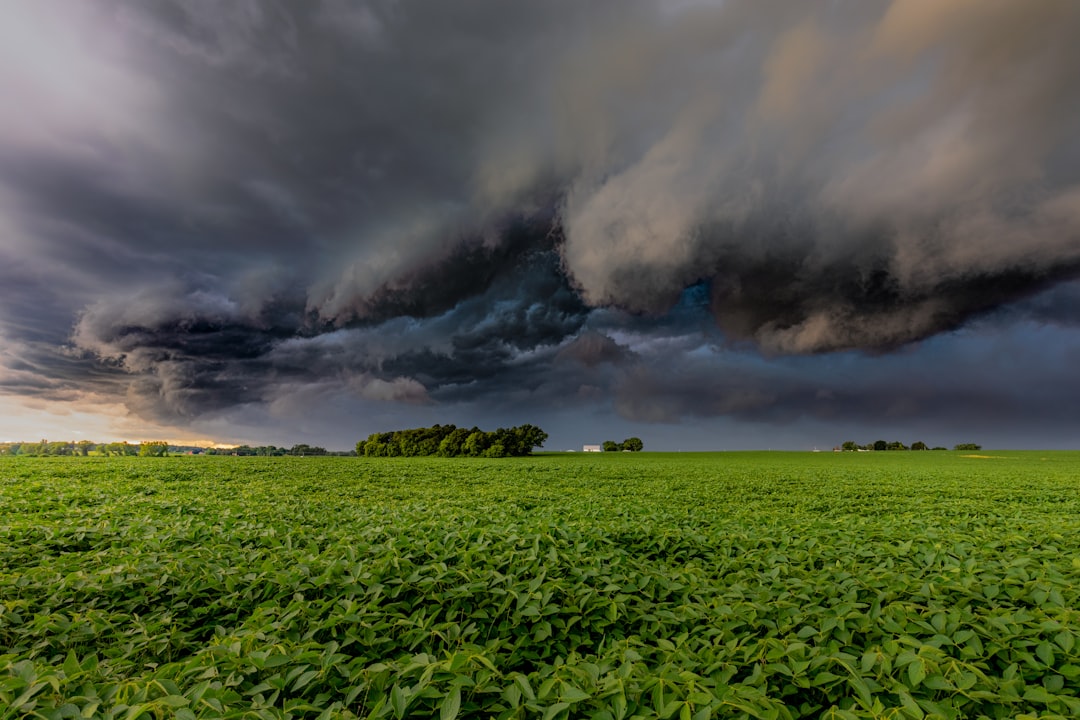
Tropical Storm Chantal emerged as a significant weather event, capturing the attention of meteorologists and residents alike. This storm, classified within the Atlantic hurricane season, is characterized by its potential to develop into a more severe system, impacting coastal and inland areas. The formation of such storms is a natural phenomenon, yet their unpredictability poses challenges for communities in their path.
Understanding the dynamics of Tropical Storm Chantal is crucial for effective preparedness and response strategies. The storm’s development is influenced by various meteorological factors, including sea surface temperatures, atmospheric pressure systems, and wind patterns. As Chantal progresses, it serves as a reminder of the power of nature and the importance of vigilance in the face of impending weather events.
This article aims to provide a comprehensive overview of Tropical Storm Chantal, detailing its formation, projected path, potential risks, and the necessary precautions to ensure safety.
Key Takeaways
- Tropical Storm Chantal is a weather system that has formed in the Atlantic Ocean and is currently moving towards the Caribbean.
- The storm has developed from a tropical depression into a tropical storm, with sustained winds of 39-73 mph.
- The current path of Tropical Storm Chantal is projected to impact the Caribbean islands, with potential for heavy rainfall, strong winds, and storm surges.
- Safety measures and evacuation plans are being put in place to prepare for the potential impact of Tropical Storm Chantal, including securing loose objects and stocking up on emergency supplies.
- Potential risks and hazards associated with Tropical Storm Chantal include flooding, landslides, power outages, and damage to infrastructure.
Formation and Development of Tropical Storm Chantal
Tropical Storm Chantal formed in the Atlantic Ocean, fueled by warm ocean waters and conducive atmospheric conditions. The initial stages of its development involved the organization of thunderstorms around a defined center of low pressure. As these thunderstorms intensified, they began to exhibit rotation, a hallmark of tropical cyclones.
The storm’s classification as a tropical storm occurred when sustained winds reached 39 mph (63 km/h), marking a significant milestone in its evolution. Meteorological data indicates that Chantal’s formation was influenced by the presence of a tropical wave, which is a disturbance in the atmosphere that can lead to cyclonic activity. The interaction between this wave and favorable upper-level winds allowed for the storm’s rapid intensification.
As Chantal continued to develop, forecasters monitored its trajectory closely, utilizing satellite imagery and computer models to predict its path and potential impact on land.
Current Path and Projected Impact of Tropical Storm Chantal

As of the latest updates, Tropical Storm Chantal is moving westward at a speed of approximately 15 mph (24 km/h). Meteorologists have projected that the storm will continue on this trajectory, potentially making landfall in coastal regions within the next few days. The National Hurricane Center (NHC) has issued advisories outlining the expected path and intensity changes, emphasizing the need for residents in affected areas to remain alert.
The projected impact of Chantal includes heavy rainfall, strong winds, and coastal flooding. Areas within the storm’s projected path may experience rainfall accumulations exceeding 6 inches (15 cm), leading to flash flooding and landslides in vulnerable regions. Wind gusts could reach up to 60 mph (97 km/h), posing risks to structures and vegetation.
Communities are urged to stay informed through official channels as updates on the storm’s path are released.
Preparing for Tropical Storm Chantal: Safety Measures and Evacuation Plans
| Category | Metrics |
|---|---|
| Evacuation Plan | Number of designated evacuation routes |
| Shelter Locations | Number of available shelters |
| Emergency Supplies | Amount of food and water stockpiled |
| Communication | Number of emergency alert systems in place |
| Safety Measures | Number of designated safe zones |
Preparation is key when facing a tropical storm like Chantal. Residents in affected areas should take proactive measures to ensure their safety and that of their families. Creating an emergency kit is essential; this kit should include non-perishable food items, water (at least one gallon per person per day), medications, flashlights, batteries, and important documents.
Additionally, having a communication plan in place can facilitate coordination among family members during emergencies. Evacuation plans are critical for those living in low-lying or flood-prone areas. Local authorities often issue evacuation orders based on the storm’s projected impact.
It is advisable for residents to familiarize themselves with designated evacuation routes and shelters ahead of time. Staying informed through local news outlets and official social media channels can provide real-time updates on evacuation procedures and safety measures.
Potential Risks and Hazards Associated with Tropical Storm Chantal
Tropical Storm Chantal presents several risks and hazards that can significantly impact communities in its path. One of the primary concerns is flooding, which can occur due to heavy rainfall and storm surges along coastal areas. Flash floods can develop rapidly, posing life-threatening situations for those caught unprepared.
It is crucial for residents to heed warnings from local authorities regarding flood risks. In addition to flooding, strong winds associated with Chantal can cause extensive damage to infrastructure, including power lines, trees, and buildings. Wind gusts can lead to falling debris, creating hazardous conditions for individuals outdoors.
Furthermore, the storm may spawn tornadoes in some regions, adding another layer of danger. Awareness of these potential hazards is vital for ensuring personal safety during the storm.
Emergency Response and Relief Efforts in Affected Areas

In anticipation of Tropical Storm Chantal’s impact, emergency response teams are mobilizing resources to assist affected communities. Local governments are coordinating with state and federal agencies to implement disaster response plans. This includes deploying first responders, establishing emergency shelters, and ensuring that essential services remain operational during the storm.
Relief efforts will focus on providing immediate assistance to those displaced by flooding or structural damage. Organizations such as the American Red Cross are often involved in these efforts, offering shelter, food, and medical care to those in need. Community volunteers also play a crucial role in supporting relief initiatives by distributing supplies and providing emotional support to affected individuals.
Impact on Infrastructure and Utilities in the Path of Tropical Storm Chantal
The infrastructure within the path of Tropical Storm Chantal is at risk of significant disruption due to high winds and flooding. Power outages are a common consequence of severe storms; fallen trees and debris can damage power lines, leaving thousands without electricity. Utility companies typically prepare for such events by pre-positioning crews and equipment to restore services as quickly as possible.
Transportation networks may also be affected by the storm’s impact. Flooded roads can hinder access to emergency services and impede evacuation efforts. Airports may suspend operations due to safety concerns related to high winds or flooding at runways.
Residents should remain informed about transportation updates from local authorities to ensure safe travel during this time.
Economic and Environmental Consequences of Tropical Storm Chantal
The economic ramifications of Tropical Storm Chantal can be profound, particularly for communities reliant on tourism or agriculture. Flooding can damage crops and disrupt supply chains, leading to financial losses for farmers and businesses alike. Additionally, infrastructure repairs following the storm can strain local budgets and divert resources from other essential services.
Environmental consequences are also a concern during tropical storms. Heavy rainfall can lead to soil erosion and water contamination, impacting local ecosystems. Coastal areas may experience habitat destruction due to storm surges and flooding.
Long-term monitoring will be necessary to assess the full extent of environmental damage caused by Chantal.
Historical Context: Previous Tropical Storms in the Region
Understanding the historical context of tropical storms in the region provides valuable insights into potential impacts from Tropical Storm Chantal. The Atlantic hurricane season has seen numerous storms over the years, with varying degrees of intensity and damage. Historical data indicates that certain areas are more susceptible to severe weather events due to geographical factors such as elevation and proximity to water bodies.
Previous storms have prompted changes in building codes and emergency response protocols aimed at enhancing community resilience. Lessons learned from past events inform current preparedness strategies, emphasizing the importance of ongoing education about tropical storm risks.
Lessons Learned and Future Preparedness for Tropical Storms
The experience gained from previous tropical storms underscores the necessity for continuous improvement in preparedness efforts. Communities are encouraged to conduct regular drills that simulate emergency scenarios related to tropical storms. Engaging residents in preparedness initiatives fosters a culture of resilience that can mitigate risks associated with future storms.
This includes upgrading drainage systems to manage heavy rainfall effectively and reinforcing buildings to withstand high winds. Collaboration between government agencies, non-profit organizations, and community members is essential for developing comprehensive preparedness plans.
Staying Informed and Staying Safe During Tropical Storm Chantal
As Tropical Storm Chantal approaches, staying informed is paramount for ensuring safety during this weather event. Residents should monitor updates from reliable sources such as the National Hurricane Center and local meteorological services. Adhering to safety measures, including evacuation orders when issued, can save lives.
Preparedness is not just about having supplies; it involves understanding risks and taking proactive steps to protect oneself and loved ones. By learning from past experiences and implementing effective strategies for future storms, communities can enhance their resilience against tropical weather events like Chantal. In summary, Tropical Storm Chantal serves as a reminder of nature’s unpredictability and power.
Through informed preparation, effective response strategies, and community collaboration, individuals can navigate the challenges posed by such storms while prioritizing safety above all else.
Tropical Storm Chantal is currently making headlines, but if you’re looking for a break from the weather news, check out this article on the 25 most popular series to binge on Amazon Prime Video. It’s always nice to have some entertainment options lined up for when the storm passes.
FAQs
What is a tropical storm Chantal?
Tropical storm Chantal is a weather system characterized by strong winds and heavy rainfall. It is a type of tropical cyclone that forms over warm ocean waters and can cause significant damage to coastal areas.
When did tropical storm Chantal occur?
The specific occurrence of tropical storm Chantal can vary, as tropical storms are a common occurrence during the Atlantic hurricane season, which runs from June 1st to November 30th.
Where did tropical storm Chantal occur?
Tropical storm Chantal can occur in the Atlantic Ocean, typically affecting areas such as the Caribbean, the Gulf of Mexico, and the eastern coast of the United States.
What are the potential impacts of tropical storm Chantal?
Tropical storm Chantal can bring strong winds, heavy rainfall, and storm surges, leading to flooding, power outages, and damage to infrastructure and property. It can also pose a threat to human safety and well-being.
How is tropical storm Chantal different from a hurricane?
Tropical storm Chantal is a precursor to a hurricane, characterized by lower wind speeds and less organized structure. As a tropical storm gains strength, it can develop into a hurricane if conditions are favorable.