Now Reading: Topical Retinoids (Vitamin A Creams): An Overview
-
01
Topical Retinoids (Vitamin A Creams): An Overview
Topical Retinoids (Vitamin A Creams): An Overview

Topical retinoids are important in dermatology, primarily derived from Vitamin A, and used for treating conditions like acne and photoaging. They work by binding to specific nuclear receptors that influence gene expression, which boosts cell turnover and helps shed dead skin cells. This process prevents clogged pores, reducing acne formation. There are different types of topical retinoids, such as tretinoin, adapalene, and tazarotene. Each has its own benefits and side effects; for example, tretinoin is effective for photoaging but might irritate sensitive skin more than adapalene. Overall, these creams offer significant advantages in managing various skin issues while requiring proper application techniques to avoid irritation or photosensitivity.
What Are Topical Retinoids?
Topical retinoids are compounds derived from Vitamin A, which play a significant role in dermatology. They come in various formulations, including creams and gels, and are primarily used to treat skin conditions such as acne, signs of aging, and psoriasis. These agents work by promoting skin cell turnover and encouraging the shedding of dead skin cells, which helps to prevent clogged pores. This action not only aids in reducing acne lesions but also contributes to improving overall skin texture and tone. Common examples of topical retinoids include tretinoin, adapalene, and tazarotene, each with its unique properties and uses.
How Do Topical Retinoids Work?
Topical retinoids work by interacting with specific receptors in the skin cells known as retinoic acid receptors. These receptors play a crucial role in regulating gene expression, which influences various skin processes. When retinoids bind to these receptors, they promote faster cell turnover, meaning that dead skin cells are shed more quickly and new cells are generated. This helps to prevent clogged pores, a common cause of acne. Additionally, retinoids help to modulate the differentiation of keratinocytes, which are the primary cells in the outer layer of skin, thereby reducing the formation of acne lesions.
The effects of topical retinoids extend beyond acne treatment; they also play a significant role in anti-aging. By stimulating collagen production and enhancing skin elasticity, they improve skin texture and reduce the appearance of fine lines and wrinkles. Furthermore, retinoids can help fade hyperpigmentation and sun damage, leading to a more even skin tone. Overall, their multifaceted action makes topical retinoids a valuable option in addressing various skin concerns.
Different Types of Topical Retinoids
Topical retinoids come in several forms, each with unique characteristics and applications.
Tretinoin, also known as all-trans retinoic acid, was the first topical retinoid developed and is widely used to treat acne and signs of photoaging. It is available in various formulations, including gels and creams, allowing patients to choose what works best for their skin type.
Adapalene is a synthetic retinoid that has gained popularity due to its more favorable side effect profile. It is less irritating than tretinoin, making it an excellent option for individuals with sensitive skin. Adapalene is primarily used for acne treatment and is often found in over-the-counter products.
Tazarotene represents a newer generation of retinoids and is effective for both acne and psoriasis. Although it is known for its potency, it may cause more irritation compared to adapalene, so patients should use it with caution.
While isotretinoin is not a topical retinoid, it is worth mentioning as it is an oral retinoid prescribed for severe cases of acne. This highlights the broader category of retinoids and their importance in dermatological treatments.
| Type | Description | Effectiveness | Irritation Level |
|---|---|---|---|
| Tretinoin (All-trans retinoic acid) | First topical retinoid developed. Available in gel and cream formulations. | Effective for acne and photoaging. | Moderate irritation. |
| Adapalene | Synthetic retinoid with a more favorable side effect profile. | Effective for acne treatment. | Low irritation, suitable for sensitive skin. |
| Tazarotene | Newer generation retinoid used for acne and psoriasis. | Known for its potency. | Higher irritation potential. |
| Isotretinoin | Oral retinoid primarily for severe acne. | Not applicable as a topical treatment. | N/A |
Benefits of Using Topical Retinoids
Topical retinoids offer numerous benefits for skin health. One of their primary advantages is in acne treatment; they help reduce the severity and frequency of acne lesions by promoting cell turnover and preventing clogged pores. Additionally, these compounds are well-known for their anti-aging properties. They can improve skin texture, reduce fine lines and wrinkles, and enhance overall skin tone, making the skin appear more youthful.
Topical retinoids also play a significant role in addressing hyperpigmentation and sun damage. They can help even out skin tone and reduce dark spots, making them a valuable option for those looking to improve their skin’s appearance. Furthermore, certain retinoids, like tazarotene, have proven effective in managing psoriasis by reducing scaling and inflammation.
Overall, the versatility of topical retinoids makes them a cornerstone in dermatological care, addressing a variety of skin concerns efficiently.
Common Side Effects of Topical Retinoids
Topical retinoids can cause a range of side effects, particularly as the skin adjusts to the treatment. Commonly reported issues include skin irritation, which may manifest as redness, peeling, and dryness. These symptoms are often most pronounced during the initial weeks of use. Photosensitivity is another concern, meaning that the skin may become more susceptible to sun damage, making sunscreen essential during treatment. Additionally, some users may experience a temporary worsening of acne, known as ‘purging,’ as the retinoid increases cell turnover and brings underlying impurities to the surface. Over time, long-term users might develop a tolerance, which can result in reduced effectiveness of the treatment.
- Redness
- Dryness
- Peeling
- Itching
- Burning sensation
- Increased sensitivity to sunlight
- Initial worsening of acne
How to Apply Topical Retinoids Effectively
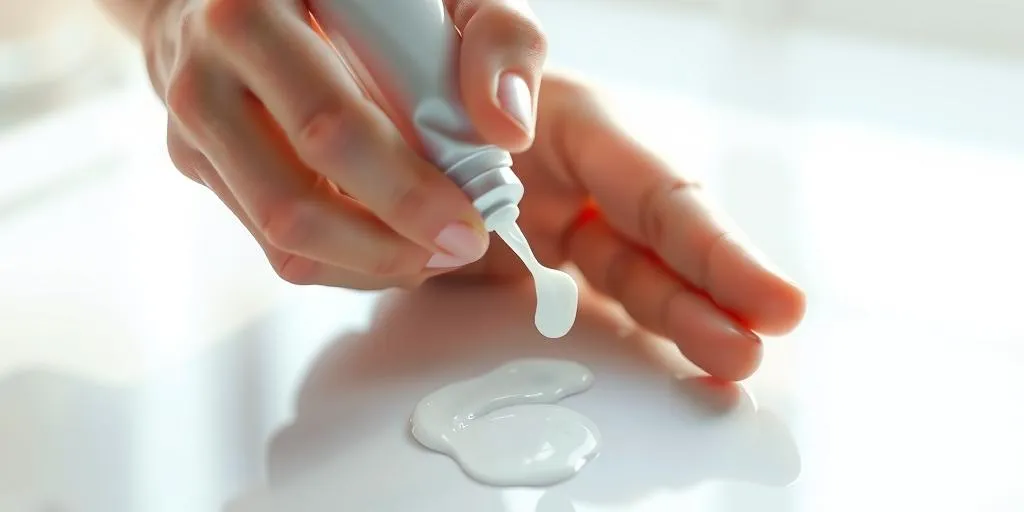
To apply topical retinoids effectively, start with a clean, dry face. Use a gentle cleanser to wash your skin, and allow it to dry completely, as applying retinoids to damp skin can increase irritation. Begin with a low strength retinoid to assess how your skin reacts, and gradually increase the frequency of application as your skin builds tolerance. A pea-sized amount is enough for the whole face; apply it evenly, avoiding sensitive areas like the eyes and corners of the mouth.
It’s best to use retinoids at night since they can make your skin more sensitive to sunlight. After applying, wait at least 20 minutes before using any other skincare products, such as moisturizers or serums, to minimize irritation. If your skin becomes too dry or irritated, consider reducing the frequency of application or using a moisturizer before applying the retinoid. Remember to apply sunscreen during the day, as retinoids can increase photosensitivity, and reapply it every two hours if you’re outdoors.
Research and Guidelines on Topical Retinoids
Numerous studies have demonstrated the efficacy of topical retinoids in treating acne and signs of aging. Guidelines from organizations such as the American Academy of Dermatology recommend the use of these agents as first-line treatments for acne due to their ability to reduce lesions and inflammation. For photoaging, retinoids are often prescribed as part of a comprehensive skincare regimen that includes sun protection. Research also suggests that patients using topical retinoids should be informed about the potential for initial irritation and the importance of gradual introduction into their skincare routine. For optimal results, dermatologists often advise combining topical retinoids with other treatments, such as benzoyl peroxide or alpha hydroxy acids, to enhance efficacy while minimizing irritation. Furthermore, clinical guidelines encourage regular follow-ups to assess treatment response and adjust therapy as needed.
Frequently Asked Questions
1. What are topical retinoids and how do they work?
Topical retinoids are creams or gels that contain vitamin A. They help improve skin by speeding up cell turnover, which means they help remove dead skin cells and promote new ones.
2. Who can benefit from using topical retinoids?
Many people can benefit from topical retinoids, especially those with acne, fine lines, or uneven skin tone. They are often recommended by dermatologists for clearer and healthier skin.
3. Are there any side effects of using topical retinoids?
Yes, some common side effects include skin dryness, redness, and peeling, especially when first starting the treatment. These symptoms often improve as your skin gets used to the retinoid.
4. How should I apply topical retinoids for best results?
Apply a pea-sized amount of the retinoid to clean, dry skin in the evening. Start by using it a few times a week and gradually increase as your skin adjusts.
5. Can I use topical retinoids with other skin care products?
Yes, but be careful. Some products like those with exfoliating acids or benzoyl peroxide can irritate your skin when used with retinoids. It’s best to consult a dermatologist for personalized advice.
TL;DR Topical retinoids are Vitamin A derivatives widely used for acne, photoaging, and some psoriasis types. They work by promoting cell turnover and regulating skin cell differentiation, ultimately reducing acne lesions and improving skin texture. The main types include tretinoin, adapalene, and tazarotene, each with varying strengths and side effects. Benefits include reduced acne, anti-aging effects, and hyperpigmentation treatment, though common side effects are skin irritation and photosensitivity. For best results, use a pea-sized amount at night and apply sunscreen during the day.