Now Reading: The Vital Role of the Cardiovascular System
-
01
The Vital Role of the Cardiovascular System
The Vital Role of the Cardiovascular System

The cardiovascular system, often referred to as the circulatory system, is a complex network that plays a pivotal role in sustaining life. It comprises the heart, blood vessels, and blood, working in concert to transport essential substances throughout the body. This intricate system is responsible for delivering oxygen and nutrients to tissues, removing metabolic waste, and facilitating communication between various organs through hormonal signals.
Understanding the cardiovascular system’s anatomy and functions is crucial for recognizing its significance in overall health and well-being. The cardiovascular system is not merely a collection of organs; it is a dynamic entity that adapts to the body’s needs. For instance, during physical exertion, the heart rate increases to supply more oxygen to muscles, while blood vessels dilate to enhance blood flow.
Conversely, during periods of rest, the system conserves energy by reducing heart rate and constricting blood vessels. This adaptability underscores the importance of maintaining cardiovascular health through lifestyle choices and medical interventions.
Key Takeaways
- The cardiovascular system is responsible for circulating blood throughout the body, delivering oxygen and nutrients to cells and removing waste products.
- The heart is a vital organ in the cardiovascular system, pumping blood through the body and ensuring proper circulation.
- Blood vessels play a crucial role in the cardiovascular system, carrying blood to and from the heart and throughout the body.
- Blood is essential for the cardiovascular system, carrying oxygen, nutrients, and hormones to cells, and removing waste products.
- Regulation of blood pressure is important for maintaining cardiovascular health, as high blood pressure can lead to various health issues.
Anatomy and Function of the Heart
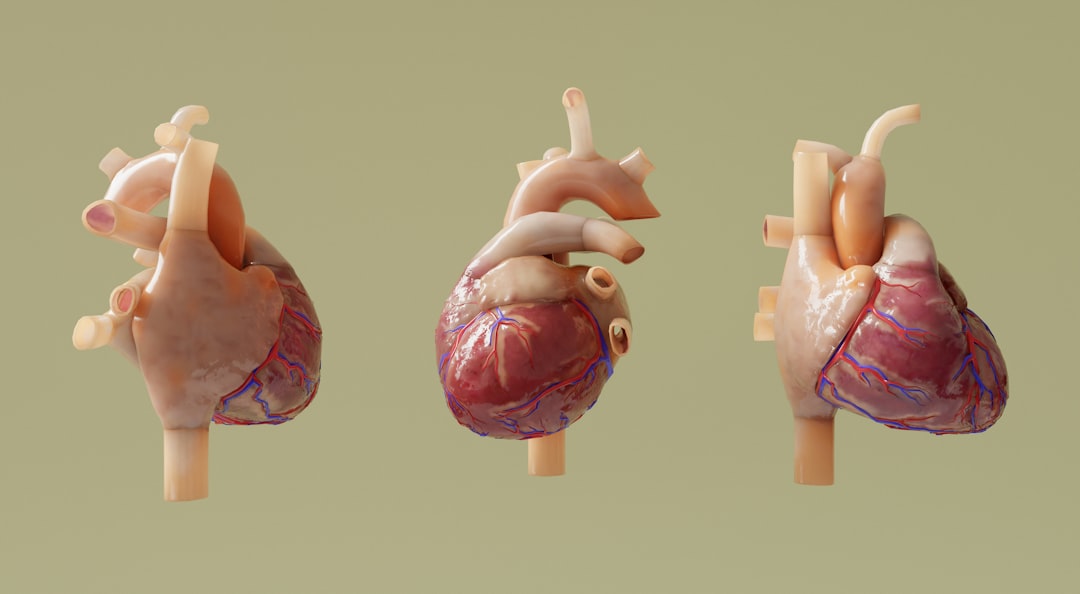
The heart is a muscular organ located in the thoracic cavity, encased within the pericardium. It consists of four chambers: the right atrium, right ventricle, left atrium, and left ventricle. The right atrium receives deoxygenated blood from the body via the superior and inferior vena cavae, while the right ventricle pumps this blood to the lungs through the pulmonary arteries for oxygenation.
In contrast, oxygen-rich blood returns to the left atrium from the lungs via the pulmonary veins and is subsequently pumped into systemic circulation by the left ventricle. The heart’s functionality is enhanced by its electrical conduction system, which includes the sinoatrial (SA) node, atrioventricular (AV) node, and bundle branches. The SA node acts as the natural pacemaker, initiating electrical impulses that trigger heartbeats.
This coordinated contraction ensures efficient blood flow throughout the body. Additionally, heart valves—namely the tricuspid, pulmonary, mitral, and aortic valves—regulate blood flow direction and prevent backflow, maintaining optimal circulation.
The Importance of Blood Vessels

Blood vessels are integral components of the cardiovascular system, comprising arteries, veins, and capillaries. Arteries transport oxygenated blood away from the heart under high pressure, while veins return deoxygenated blood back to the heart at lower pressure. Capillaries serve as microscopic vessels where gas and nutrient exchange occurs between blood and tissues.
The structure of blood vessels is tailored to their specific functions. Arteries possess thick, elastic walls that can withstand high pressure and facilitate rapid blood flow. In contrast, veins have thinner walls with valves that prevent backflow, ensuring unidirectional blood movement toward the heart.
Capillaries are characterized by their thin walls, allowing for efficient diffusion of oxygen, carbon dioxide, nutrients, and waste products.
The Role of Blood in the Cardiovascular System
| Aspect | Function |
|---|---|
| Transportation | Carries oxygen, nutrients, hormones, and waste products to and from cells |
| Regulation | Regulates body temperature, pH levels, and fluid balance |
| Protection | Defends against infections and helps in blood clotting |
| Volume | Adult human body contains about 4-6 liters of blood |
Blood is a specialized connective tissue composed of plasma, red blood cells (erythrocytes), white blood cells (leukocytes), and platelets (thrombocytes). Plasma constitutes approximately 55% of blood volume and serves as a medium for transporting nutrients, hormones, proteins, and waste products. Red blood cells are responsible for oxygen transport via hemoglobin, while white blood cells play a crucial role in immune defense against pathogens.
Platelets are essential for hemostasis—the process of blood clotting—preventing excessive bleeding following vascular injury.
Any disruption in blood composition can lead to various health issues, including anemia, clotting disorders, or immune deficiencies.
Regulation of Blood Pressure
Blood pressure is a critical parameter that reflects the force exerted by circulating blood on vessel walls. It is regulated by a complex interplay of neural, hormonal, and renal mechanisms. The autonomic nervous system modulates heart rate and vascular tone in response to physiological demands.
For instance, during stress or physical activity, sympathetic stimulation increases heart rate and constricts blood vessels to elevate blood pressure. Hormonal regulation involves substances such as renin-angiotensin-aldosterone system (RAAS) components that influence fluid balance and vascular resistance. Additionally, the kidneys play a vital role in regulating blood volume through fluid retention or excretion.
Maintaining optimal blood pressure is essential for preventing cardiovascular diseases such as hypertension, which can lead to stroke or heart failure.
The Cardiovascular System’s Role in Oxygen Delivery

Oxygen delivery is one of the primary functions of the cardiovascular system. The process begins when deoxygenated blood enters the right atrium and is pumped into the right ventricle. From there, it travels to the lungs via pulmonary arteries where gas exchange occurs in alveoli—tiny air sacs where oxygen diffuses into the bloodstream while carbon dioxide is expelled.
Once oxygenated, blood returns to the left atrium through pulmonary veins before being pumped into systemic circulation by the left ventricle. Hemoglobin within red blood cells binds to oxygen molecules, facilitating their transport to tissues throughout the body. This efficient delivery mechanism ensures that every cell receives adequate oxygen for metabolic processes.
The Cardiovascular System’s Role in Nutrient Delivery
In addition to oxygen transport, the cardiovascular system plays a crucial role in delivering essential nutrients to tissues. Nutrient-rich blood from the digestive tract enters systemic circulation via the hepatic portal vein after absorption in the intestines.
The capillary network facilitates nutrient exchange at the cellular level through diffusion and active transport mechanisms. Cells utilize these nutrients for energy production, growth, and repair processes. Any disruption in nutrient delivery can lead to deficiencies that compromise overall health.
The Cardiovascular System’s Role in Waste Removal
The cardiovascular system also plays a vital role in waste removal from metabolic processes. Carbon dioxide—a byproduct of cellular respiration—is transported from tissues back to the lungs via venous circulation for exhalation. Additionally, metabolic waste products such as urea and creatinine are carried to the kidneys for filtration and excretion through urine.
Efficient waste removal is essential for maintaining homeostasis and preventing toxic buildup within the body. Impaired cardiovascular function can lead to inadequate waste clearance, resulting in conditions such as uremia or respiratory acidosis.
The Role of the Cardiovascular System in Immune Function
The cardiovascular system is intricately linked to immune function through its role in transporting leukocytes and antibodies throughout the body. White blood cells circulate within the bloodstream and migrate to sites of infection or inflammation in response to chemical signals released by damaged tissues or pathogens. Additionally, lymphatic vessels—part of the immune system—interconnect with blood vessels to facilitate fluid drainage and immune cell transport.
This collaboration ensures a rapid response to infections while maintaining fluid balance within tissues.
The Cardiovascular System’s Role in Hormone Transport
Hormones are chemical messengers produced by endocrine glands that regulate various physiological processes within the body. The cardiovascular system serves as a conduit for hormone transport from glands such as the pituitary, thyroid, adrenal glands, and pancreas to target organs. For instance, insulin released from the pancreas enters circulation to regulate glucose metabolism in muscle and adipose tissues.
Similarly, adrenaline secreted by adrenal glands during stress prepares the body for “fight or flight” responses by increasing heart rate and redirecting blood flow to essential organs.
Maintaining Cardiovascular Health
Maintaining cardiovascular health is paramount for overall well-being and longevity. Lifestyle modifications such as regular physical activity, a balanced diet rich in fruits and vegetables, smoking cessation, and stress management can significantly reduce the risk of cardiovascular diseases. Regular health screenings for blood pressure and cholesterol levels are also essential for early detection and intervention.
In cases where lifestyle changes are insufficient or when individuals are at high risk for cardiovascular conditions, pharmacological treatments may be necessary. Medications such as statins for cholesterol management or antihypertensives for blood pressure control can be effective in mitigating risks associated with cardiovascular diseases. In summary, understanding the intricacies of the cardiovascular system—from its anatomy and functions to its roles in oxygen delivery, nutrient transport, waste removal, immune function, and hormone distribution—is crucial for appreciating its significance in maintaining health.
By prioritizing cardiovascular wellness through proactive measures and medical care when needed, individuals can enhance their quality of life and reduce their risk of serious health complications associated with this vital system.
One interesting article related to cardiovascular system function can be found at this link. This article discusses the importance of understanding the stock market and how it can impact the healthcare industry, including advancements in cardiovascular treatments. Understanding the financial side of healthcare can provide valuable insights into the future of cardiovascular care and research.
FAQs
What is the cardiovascular system?
The cardiovascular system, also known as the circulatory system, is a network of organs and vessels that is responsible for the circulation of blood and the transportation of nutrients, oxygen, carbon dioxide, and waste products throughout the body.
What are the main components of the cardiovascular system?
The main components of the cardiovascular system include the heart, blood vessels (arteries, veins, and capillaries), and blood.
What is the function of the cardiovascular system?
The primary function of the cardiovascular system is to deliver oxygen and nutrients to the body’s tissues and organs, and to remove waste products and carbon dioxide from the body.
How does the cardiovascular system function?
The heart pumps oxygen-rich blood to the body’s tissues through the arteries, and then the deoxygenated blood returns to the heart through the veins. The blood vessels, including the capillaries, facilitate the exchange of nutrients, oxygen, and waste products between the blood and the body’s tissues.
What are some common cardiovascular system disorders?
Common cardiovascular system disorders include hypertension (high blood pressure), coronary artery disease, heart failure, arrhythmias, and peripheral artery disease.
How can I maintain a healthy cardiovascular system?
Maintaining a healthy cardiovascular system involves regular exercise, a balanced diet, maintaining a healthy weight, not smoking, managing stress, and getting regular check-ups with a healthcare provider.