Now Reading: The Ultimate Stealth Bomber: Unseen and Unstoppable
-
01
The Ultimate Stealth Bomber: Unseen and Unstoppable
The Ultimate Stealth Bomber: Unseen and Unstoppable
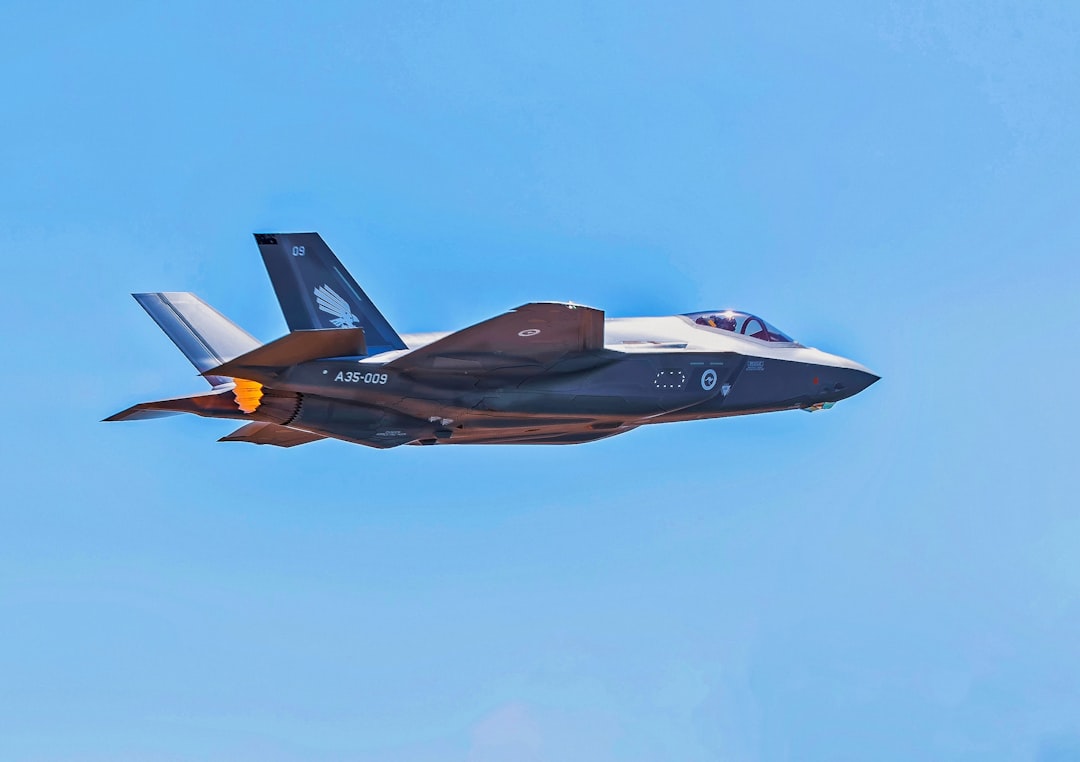
The Ultimate Stealth Bomber represents a pinnacle of military aviation technology, embodying the convergence of advanced engineering, cutting-edge materials, and sophisticated electronic warfare capabilities. Designed to penetrate enemy airspace undetected, this aircraft is a formidable asset in modern warfare, capable of delivering precision strikes with minimal risk of interception.
As nations continue to invest in their military capabilities, understanding the intricacies of stealth bombers becomes essential for grasping their role in global security dynamics. Stealth bombers are not merely aircraft; they symbolize a strategic shift in how military operations are conducted. Their ability to operate in hostile environments without being easily detected has revolutionized air combat and ground support missions.
The implications of this technology extend beyond the battlefield, influencing geopolitical relations and defense policies worldwide. As we delve deeper into the history, design, and operational significance of stealth bombers, it becomes evident that these aircraft are not just tools of war but also instruments of deterrence and power projection.
Key Takeaways
- The Ultimate Stealth Bomber is a cutting-edge aircraft designed for covert military operations.
- Stealth technology has evolved over the years, with aircraft like the B-2 Spirit leading the way.
- The Ultimate Stealth Bomber features advanced design and features to evade detection and enemy defenses.
- Stealth bombers provide a strategic advantage in modern warfare, allowing for precision strikes and reduced risk to pilots.
- Stealth bombers play a crucial role in military operations, including strategic bombing and reconnaissance missions.
History of Stealth Technology in Aircraft
The origins of stealth technology can be traced back to the Cold War era when the need for advanced reconnaissance and strike capabilities became paramount. The development of radar systems during this period prompted military strategists to seek ways to counteract detection. Early experiments with radar-absorbing materials (RAM) and innovative shapes laid the groundwork for what would eventually evolve into modern stealth technology.
The Lockheed U-2 and later the SR-71 Blackbird were among the first aircraft to incorporate elements of stealth, utilizing high altitudes and speed to evade enemy radar. The true breakthrough in stealth technology came with the introduction of the F-117 Nighthawk in the 1980s. This aircraft was the first operational stealth fighter, employing a faceted design that deflected radar waves away from the source.
Its successful deployment during the Gulf War demonstrated the effectiveness of stealth in combat, leading to increased investment in similar technologies for bombers. The B-2 Spirit, introduced shortly thereafter, further refined these principles, combining advanced aerodynamics with state-of-the-art materials to achieve unprecedented levels of invisibility to radar.
Design and Features of the Ultimate Stealth Bomber
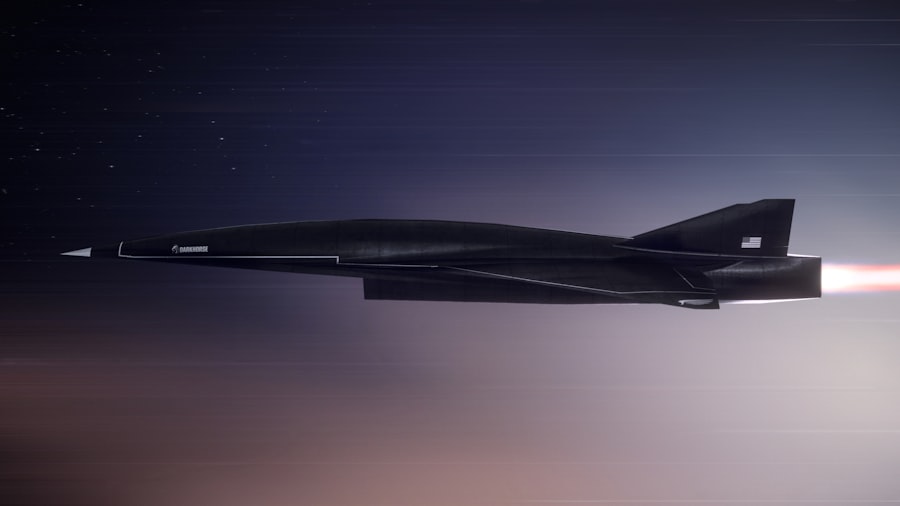
The design of the Ultimate Stealth Bomber is characterized by its unique aerodynamic shape, which minimizes its radar signature while maximizing performance. The aircraft typically features a flying wing configuration, eliminating vertical stabilizers that can create radar reflections. This design not only enhances stealth capabilities but also improves fuel efficiency and payload capacity.
The use of composite materials and radar-absorbing coatings further reduces detectability, allowing the bomber to operate effectively in contested environments. In addition to its physical attributes, the Ultimate Stealth Bomber is equipped with an array of advanced technologies that enhance its operational effectiveness. These include sophisticated avionics systems that provide real-time situational awareness, advanced navigation systems that enable precision targeting, and electronic warfare capabilities designed to disrupt enemy radar and communication systems.
The integration of artificial intelligence (AI) into mission planning and execution is also becoming increasingly prevalent, allowing for more adaptive and responsive operations in dynamic combat scenarios.
Advantages of Stealth Bombers in Modern Warfare
| Advantages of Stealth Bombers in Modern Warfare |
|---|
| 1. Low Radar Visibility |
| 2. Reduced Detection by Enemy Defense Systems |
| 3. Enhanced Survivability in Hostile Environments |
| 4. Ability to Infiltrate Enemy Airspace Undetected |
| 5. Increased Precision in Striking Targets |
The advantages offered by stealth bombers are manifold, significantly altering the landscape of modern warfare. One of the primary benefits is their ability to conduct deep penetration missions into heavily defended airspace without being detected. This capability allows for strategic strikes against high-value targets such as command centers, missile silos, and critical infrastructure, thereby crippling an adversary’s operational capabilities before they can respond effectively.
Moreover, stealth bombers provide a psychological edge in military operations. Their mere presence can deter potential aggressors from engaging in hostile actions, as the threat of undetected strikes looms large. This deterrent effect is amplified by the bombers’ ability to carry a diverse array of munitions, including precision-guided bombs and nuclear payloads, making them versatile tools for both conventional and unconventional warfare scenarios.
The combination of these factors positions stealth bombers as indispensable assets in a nation’s military arsenal.
The Role of Stealth Bombers in Military Operations
Stealth bombers play a crucial role in various military operations, ranging from strategic bombing campaigns to close air support missions. Their ability to deliver precision strikes with minimal collateral damage makes them ideal for targeting enemy installations while minimizing civilian casualties. This capability is particularly important in contemporary conflicts where public perception and international scrutiny are paramount.
In addition to offensive operations, stealth bombers also serve as vital components of deterrence strategies. By maintaining a fleet of advanced bombers capable of striking anywhere on the globe within hours, nations can project power and influence without resorting to overt military action. This strategic flexibility allows for rapid responses to emerging threats while maintaining a posture of readiness that can dissuade adversaries from aggressive behavior.
Challenges and Limitations of Stealth Technology
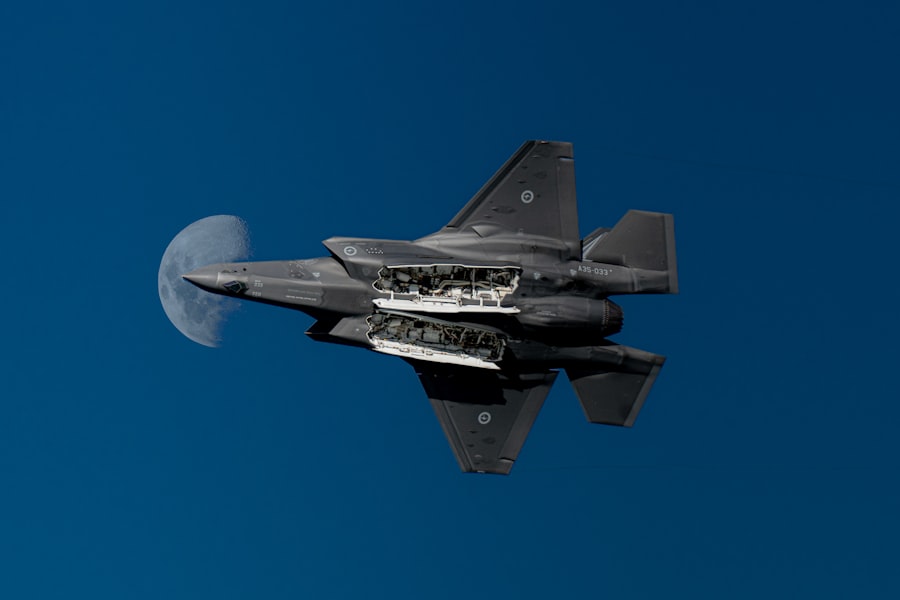
Despite their numerous advantages, stealth bombers are not without challenges and limitations. One significant hurdle is the ever-evolving nature of radar technology. As adversaries invest in advanced detection systems, including low-frequency radars and infrared tracking technologies, the effectiveness of traditional stealth measures may diminish over time.
This necessitates continuous innovation and adaptation in stealth design and materials to maintain operational superiority. Additionally, the high cost associated with developing and maintaining stealth bombers poses a significant challenge for many nations. The complexity of these aircraft requires extensive training for pilots and support personnel, as well as substantial investments in maintenance and upgrades.
As defense budgets come under scrutiny, balancing the need for advanced capabilities with fiscal responsibility becomes a critical consideration for military planners.
Comparison with Other Bomber Aircraft
When comparing stealth bombers with traditional bomber aircraft, several key differences emerge that highlight their unique capabilities. Conventional bombers such as the B-52 Stratofortress or B-1 Lancer rely on speed, altitude, and firepower to achieve their objectives but lack the inherent stealth features that characterize modern designs. While these aircraft can deliver significant payloads over long distances, they are more susceptible to enemy defenses due to their larger radar signatures.
In contrast, stealth bombers prioritize evasion over sheer firepower. Their ability to penetrate enemy airspace undetected allows them to engage high-value targets that would be inaccessible to conventional bombers. Furthermore, advancements in precision-guided munitions have diminished the need for large payloads; instead, a smaller number of highly accurate bombs can achieve strategic objectives effectively.
The Future of Stealth Bomber Technology
The future of stealth bomber technology is poised for significant advancements as military research continues to evolve. Emerging technologies such as hypersonic flight capabilities promise to enhance speed and maneuverability while maintaining low observability. Additionally, advancements in materials science may lead to even more effective radar-absorbing coatings that further reduce detectability.
Moreover, the integration of unmanned aerial vehicles (UAVs) into bomber operations is likely to reshape how missions are conducted. Autonomous systems can be deployed alongside manned bombers to gather intelligence or conduct diversionary tactics, enhancing overall mission success while minimizing risk to human pilots. As nations strive for technological superiority in aerial warfare, the evolution of stealth bomber capabilities will remain at the forefront of military innovation.
Training and Skills Required for Stealth Bomber Pilots
Operating a stealth bomber requires a unique set of skills and extensive training due to the complexity of these advanced aircraft. Pilots must undergo rigorous flight training that encompasses not only standard flying techniques but also specialized instruction on navigating low-altitude terrain while avoiding detection. Proficiency in utilizing advanced avionics systems is essential for effective mission planning and execution.
Furthermore, pilots must develop strong situational awareness skills to adapt quickly to changing combat environments. This includes understanding enemy tactics and employing countermeasures effectively during missions. Continuous training exercises simulate real-world scenarios, ensuring that pilots remain proficient in their skills and capable of executing complex missions under pressure.
Global Impact of Stealth Bombers on Defense Strategies
The deployment of stealth bombers has had a profound impact on global defense strategies, reshaping how nations approach military preparedness and deterrence. Countries with advanced stealth capabilities can project power beyond their borders while maintaining a strategic advantage over potential adversaries. This has led to an arms race in stealth technology as nations seek to develop or acquire similar capabilities.
Moreover, the presence of stealth bombers influences international relations by altering power dynamics between nations. Countries may feel compelled to enhance their own military capabilities or form alliances with others possessing advanced technologies to counterbalance perceived threats. As a result, stealth bombers play a pivotal role not only in military operations but also in shaping geopolitical landscapes.
Ethical and Moral Considerations of Stealth Bomber Deployment
The deployment of stealth bombers raises important ethical and moral considerations that warrant careful examination. While these aircraft offer significant advantages in terms of precision strikes and reduced collateral damage, their use also raises questions about accountability and transparency in military operations. The ability to conduct strikes without detection can lead to concerns about civilian casualties and adherence to international humanitarian law.
The fear associated with undetected strikes may contribute to long-term instability in affected regions, complicating post-conflict recovery efforts. As nations grapple with these ethical dilemmas, it becomes imperative to establish clear guidelines governing the use of stealth technology in warfare.
In summary, the Ultimate Stealth Bomber represents a remarkable achievement in military aviation technology that has transformed modern warfare dynamics. Its history reflects ongoing advancements in stealth technology that have evolved from early reconnaissance aircraft to sophisticated strike platforms capable of penetrating enemy defenses undetected. The design features and operational advantages offered by these bombers underscore their significance in contemporary military strategies while also highlighting challenges related to evolving detection technologies and ethical considerations surrounding their deployment.
As nations continue to invest in their defense capabilities, understanding the implications of stealth bombers on global security will remain crucial for policymakers and military strategists alike. The future promises further innovations that will shape how these aircraft operate within an increasingly complex geopolitical landscape.
If you are interested in learning more about advanced military technology, you may want to check out this article on why you should consider umbrella insurance for extra protection. Just like the stealth bomber, umbrella insurance provides an extra layer of security and coverage in case of unexpected events. Both topics involve the importance of being prepared and protected in different scenarios.
FAQs
What is a stealth bomber?
A stealth bomber is a type of military aircraft designed to avoid detection by radar and other forms of enemy detection.
What are the advantages of a stealth bomber?
Stealth bombers have the advantage of being able to penetrate enemy defenses without being detected, allowing them to carry out strategic bombing missions with reduced risk of interception.
What is the most well-known stealth bomber in use today?
The most well-known stealth bomber in use today is the Northrop Grumman B-2 Spirit, also known as the “Stealth Bomber.”
How does a stealth bomber achieve its stealth capabilities?
Stealth bombers achieve their stealth capabilities through a combination of specialized design features, such as smooth surfaces and special coatings, as well as advanced radar-absorbing materials.
What role do stealth bombers play in modern warfare?
Stealth bombers play a crucial role in modern warfare by providing the ability to strike deep into enemy territory with minimal risk of detection, thereby serving as a deterrent and a means of projecting military power.