Now Reading: The Silent Killer: Hypertensive Cardiovascular Disease
-
01
The Silent Killer: Hypertensive Cardiovascular Disease
The Silent Killer: Hypertensive Cardiovascular Disease

Hypertensive cardiovascular disease (HCD) encompasses a spectrum of heart conditions that arise as a direct consequence of chronic hypertension, or high blood pressure. This condition is characterized by the sustained elevation of arterial pressure, which exerts undue stress on the cardiovascular system. Over time, the heart and blood vessels undergo structural and functional changes, leading to complications such as left ventricular hypertrophy, heart failure, and ischemic heart disease.
The World Health Organization (WHO) estimates that hypertension affects approximately 1.
The pathophysiology of HCD involves complex interactions between genetic predispositions, environmental factors, and lifestyle choices. Chronic elevation of blood pressure leads to endothelial dysfunction, increased vascular resistance, and ultimately, atherosclerosis.
The heart compensates for increased workload by hypertrophying, which can initially maintain cardiac output but eventually leads to decreased efficiency and heart failure. Understanding these mechanisms is crucial for developing effective prevention and treatment strategies.
Key Takeaways
- Hypertensive cardiovascular disease is a condition that affects the heart and blood vessels due to high blood pressure.
- Risk factors for hypertensive cardiovascular disease include obesity, smoking, high salt intake, and family history of the condition.
- Symptoms of hypertensive cardiovascular disease may include chest pain, shortness of breath, and irregular heartbeat.
- Diagnosis and testing for hypertensive cardiovascular disease may involve blood pressure monitoring, electrocardiogram, and echocardiogram.
- Complications of hypertensive cardiovascular disease can include heart attack, stroke, and heart failure.
Risk Factors for Hypertensive Cardiovascular Disease
Several risk factors contribute to the development of hypertensive cardiovascular disease, which can be categorized into modifiable and non-modifiable factors. Non-modifiable risk factors include age, gender, and family history.
Men are generally at a higher risk than women until menopause, after which the risk levels tend to equalize. Modifiable risk factors encompass lifestyle choices and medical conditions that can be altered or managed. These include obesity, physical inactivity, excessive alcohol consumption, smoking, high sodium intake, and poor dietary habits.
Additionally, conditions such as diabetes mellitus and dyslipidemia significantly increase the likelihood of developing HCD. Addressing these modifiable factors through lifestyle changes can substantially reduce the risk of hypertension and its associated cardiovascular complications.
Symptoms of Hypertensive Cardiovascular Disease

Hypertensive cardiovascular disease often presents with subtle or nonspecific symptoms, making early detection challenging. Many individuals may remain asymptomatic for years while experiencing significant cardiovascular damage. However, as the disease progresses, symptoms may manifest in various forms.
Common complaints include chest pain or discomfort, shortness of breath during exertion or at rest, palpitations, fatigue, and dizziness. In more advanced stages, patients may experience symptoms indicative of heart failure, such as edema in the lower extremities or abdominal swelling due to fluid retention. It is essential for individuals with risk factors for hypertension to be vigilant about their health and seek medical attention if they experience any concerning symptoms.
Early intervention can prevent further complications and improve overall outcomes.
Diagnosis and Testing for Hypertensive Cardiovascular Disease
| Diagnosis and Testing for Hypertensive Cardiovascular Disease |
|---|
| Blood pressure measurement |
| Electrocardiogram (ECG or EKG) |
| Echocardiogram |
| Stress test |
| Blood tests (e.g., cholesterol levels) |
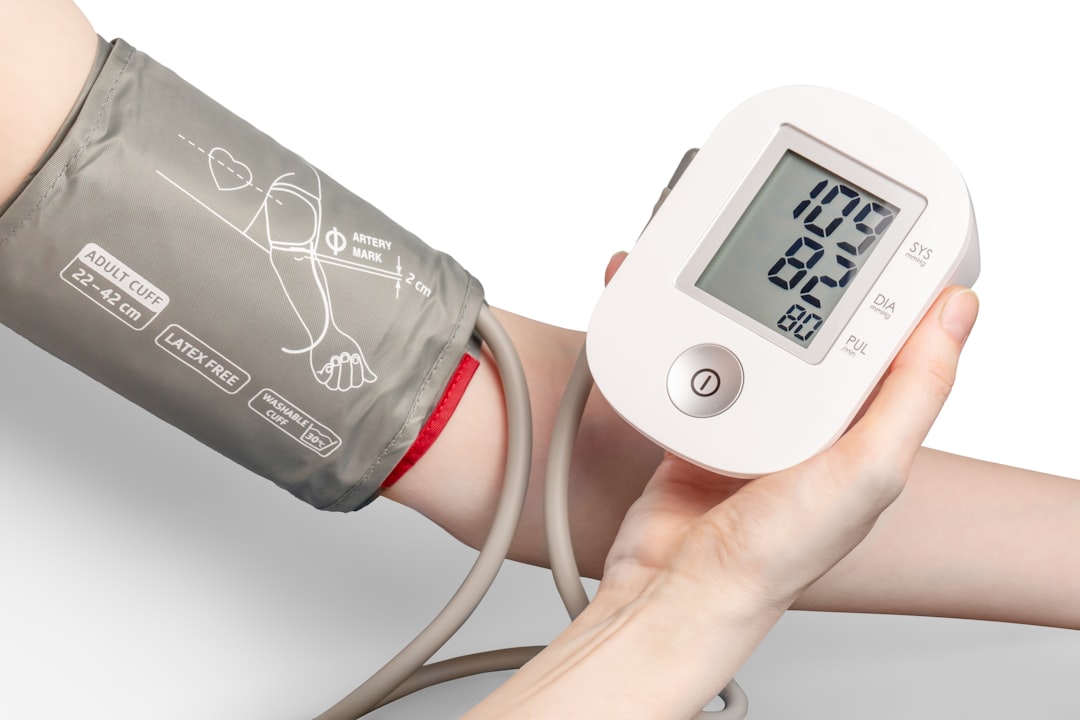
The diagnosis of hypertensive cardiovascular disease begins with a thorough medical history and physical examination. Blood pressure measurements are taken using a sphygmomanometer to confirm hypertension. A diagnosis of hypertension is typically made when blood pressure readings consistently exceed 130/80 mmHg.
Further diagnostic testing may include electrocardiograms (ECGs) to assess heart rhythm and detect left ventricular hypertrophy or ischemic changes. Echocardiography is another critical tool that provides detailed images of cardiac structure and function, allowing for the evaluation of ventricular size and wall motion abnormalities. Additional tests such as stress testing or cardiac imaging may be warranted based on clinical suspicion of coronary artery disease or heart failure.
Complications of Hypertensive Cardiovascular Disease
The complications associated with hypertensive cardiovascular disease are numerous and can significantly impact morbidity and mortality rates. One of the most severe consequences is heart failure, which occurs when the heart’s ability to pump blood effectively is compromised due to prolonged pressure overload. This condition can lead to pulmonary congestion and systemic fluid retention.
Other complications include myocardial infarction (heart attack), stroke, and peripheral artery disease. The risk of developing these conditions increases with the duration and severity of hypertension. Additionally, chronic hypertension can lead to renal impairment due to damage to renal vasculature, resulting in chronic kidney disease.
Understanding these potential complications underscores the importance of early detection and management of hypertension.
Treatment Options for Hypertensive Cardiovascular Disease

The treatment of hypertensive cardiovascular disease focuses on controlling blood pressure and mitigating associated risks. Lifestyle modifications are often the first line of defense and include dietary changes such as adopting a DASH (Dietary Approaches to Stop Hypertension) diet rich in fruits, vegetables, whole grains, and low-fat dairy products while reducing sodium intake. Pharmacological interventions may be necessary for individuals who do not achieve adequate blood pressure control through lifestyle changes alone.
The choice of antihypertensive medication depends on individual patient characteristics and comorbidities. Common classes of medications include diuretics, ACE inhibitors, angiotensin II receptor blockers (ARBs), calcium channel blockers, and beta-blockers. Each class has unique mechanisms of action that target different aspects of blood pressure regulation.
Lifestyle Changes to Manage Hypertensive Cardiovascular Disease
Implementing lifestyle changes is paramount in managing hypertensive cardiovascular disease effectively. Regular physical activity is essential; engaging in at least 150 minutes of moderate-intensity aerobic exercise per week can help lower blood pressure and improve cardiovascular health. Activities such as walking, swimming, or cycling are excellent options.
Dietary modifications play a crucial role in managing hypertension. Reducing sodium intake to less than 2,300 mg per day is recommended for most adults; however, an even lower limit of 1,500 mg may be beneficial for those with existing hypertension. Incorporating potassium-rich foods like bananas, oranges, and spinach can also help counteract sodium’s effects on blood pressure.
Medications for Hypertensive Cardiovascular Disease
Pharmacological treatment for hypertensive cardiovascular disease is tailored to individual patient needs based on their specific health profiles. Diuretics are often prescribed as first-line agents due to their effectiveness in reducing blood volume and lowering blood pressure. Thiazide diuretics like hydrochlorothiazide are commonly used.
ACE inhibitors such as lisinopril or enalapril work by inhibiting the renin-angiotensin-aldosterone system (RAAS), leading to vasodilation and reduced blood pressure. ARBs like losartan or valsartan serve a similar purpose but with fewer side effects related to cough. Calcium channel blockers like amlodipine relax vascular smooth muscle and decrease peripheral resistance, while beta-blockers such as metoprolol reduce heart rate and myocardial oxygen demand.
Combination therapy may be necessary for patients with resistant hypertension or those who do not achieve target blood pressure with monotherapy.
Prevention of Hypertensive Cardiovascular Disease
Preventing hypertensive cardiovascular disease requires a multifaceted approach that emphasizes awareness and proactive management of risk factors. Regular monitoring of blood pressure is essential for early detection; individuals should have their blood pressure checked at least once every two years if it remains within normal limits. Public health initiatives aimed at promoting healthy lifestyles can significantly reduce the incidence of hypertension-related complications.
Educational programs focusing on nutrition, physical activity, smoking cessation, and stress management can empower individuals to make informed choices about their health.
Support and Resources for Those Living with Hypertensive Cardiovascular Disease
Living with hypertensive cardiovascular disease can be challenging; however, numerous resources are available to support patients in managing their condition effectively. Support groups provide a platform for individuals to share experiences and coping strategies while fostering a sense of community. Educational resources from organizations such as the American Heart Association offer valuable information on managing hypertension through lifestyle changes and medication adherence.
Additionally, healthcare providers play a crucial role in guiding patients through their treatment journey by providing personalized care plans and regular follow-up appointments.
The Importance of Regular Check-ups for Hypertensive Cardiovascular Disease
Regular check-ups are vital for individuals diagnosed with hypertensive cardiovascular disease or those at risk for developing it. Routine visits allow healthcare providers to monitor blood pressure trends, assess treatment efficacy, and make necessary adjustments to management plans. These appointments also provide an opportunity for patients to discuss any new symptoms or concerns that may arise over time.
Early intervention in response to changes in health status can prevent complications from worsening and improve overall quality of life. In summary, hypertensive cardiovascular disease represents a significant health challenge characterized by elevated blood pressure leading to various cardiovascular complications. Understanding risk factors, symptoms, diagnosis methods, treatment options, lifestyle modifications, prevention strategies, support resources, and the importance of regular check-ups is essential for effective management of this condition.
By adopting a proactive approach towards health maintenance and seeking timely medical intervention when necessary, individuals can significantly reduce their risk of developing severe complications associated with hypertensive cardiovascular disease.
A related article to hypertensive cardiovascular disease can be found at this link. This article discusses the importance of recognizing federal holidays that honor our nation and the impact they have on our overall well-being. Understanding the significance of these holidays can help individuals manage stress and potentially reduce their risk of developing conditions like hypertensive cardiovascular disease. By taking time to reflect and celebrate these holidays, individuals can prioritize their mental and physical health, ultimately leading to a healthier lifestyle.
FAQs
What is hypertensive cardiovascular disease?
Hypertensive cardiovascular disease refers to a group of conditions that affect the heart and blood vessels due to high blood pressure. These conditions may include heart failure, coronary artery disease, and stroke.
What causes hypertensive cardiovascular disease?
Hypertensive cardiovascular disease is primarily caused by long-term high blood pressure, which puts strain on the heart and blood vessels. Over time, this can lead to damage and dysfunction in the cardiovascular system.
What are the symptoms of hypertensive cardiovascular disease?
Symptoms of hypertensive cardiovascular disease may include chest pain, shortness of breath, fatigue, irregular heartbeat, and swelling in the legs or abdomen. However, some individuals may not experience any symptoms until the condition has progressed.
How is hypertensive cardiovascular disease diagnosed?
Hypertensive cardiovascular disease is typically diagnosed through a combination of medical history, physical examination, blood pressure measurements, and diagnostic tests such as electrocardiogram (ECG), echocardiogram, and cardiac MRI.
What are the treatment options for hypertensive cardiovascular disease?
Treatment for hypertensive cardiovascular disease may include lifestyle modifications (such as diet and exercise), medication to lower blood pressure, and in some cases, surgical procedures to repair or replace damaged blood vessels or heart valves.
Can hypertensive cardiovascular disease be prevented?
Preventive measures for hypertensive cardiovascular disease include maintaining a healthy lifestyle, managing stress, monitoring blood pressure regularly, and seeking prompt medical attention for any signs of high blood pressure or cardiovascular problems.