Now Reading: The Pros and Cons of Big Beautiful Bill Pros: Attracts attention, stands out, visually appealing Cons: May be difficult to manage, expensive to produce
-
01
The Pros and Cons of Big Beautiful Bill Pros: Attracts attention, stands out, visually appealing Cons: May be difficult to manage, expensive to produce
The Pros and Cons of Big Beautiful Bill Pros: Attracts attention, stands out, visually appealing Cons: May be difficult to manage, expensive to produce

In the competitive landscape of modern commerce, capturing consumer attention is paramount. Businesses are constantly seeking innovative ways to stand out in a saturated market. The ability to create an attention-grabbing product or marketing strategy can significantly influence consumer behavior and drive sales.
This phenomenon is particularly evident in industries such as fashion, technology, and entertainment, where visual appeal and uniqueness play a crucial role in attracting potential customers. The psychological impact of eye-catching designs and compelling narratives cannot be overstated; they serve as the first point of contact between a brand and its audience. Moreover, the importance of attention-grabbing elements extends beyond mere aesthetics.
It encompasses the strategic use of colors, shapes, and textures that resonate with target demographics. For instance, vibrant colors can evoke emotions, while unique shapes can stimulate curiosity. Brands that successfully harness these elements often experience increased engagement, leading to higher conversion rates.
In an era where consumers are bombarded with information, the ability to stand out is not just advantageous; it is essential for survival in the marketplace.
Key Takeaways
- Attention-grabbing designs can captivate customers and draw them in
- Unique and eye-catching displays can set a business apart from competitors
- Visually stunning presentations can leave a lasting impression on customers
- Potential for increased sales with the use of captivating displays and designs
- Expensive production costs may be a barrier for some businesses
- Maintenance and upkeep are necessary to preserve the quality of the display
- Potential for limited mobility may restrict the versatility of the display
- Limited placement options may impact the effectiveness of the display
- High shipping costs can add to the overall expense of the display
- Limited storage options may pose a challenge for businesses
- Limited resale value may affect the long-term investment in the display
Unique and Eye-Catching
Uniqueness is a critical factor that differentiates a product from its competitors. A unique offering not only piques interest but also fosters brand loyalty among consumers. When a product possesses distinctive features or an innovative design, it creates a memorable impression that can lead to repeat purchases.
For example, companies like Apple have thrived by consistently delivering products that are not only functional but also aesthetically pleasing and unique in their design philosophy. The concept of uniqueness extends beyond physical attributes; it also encompasses the brand’s story and values. Consumers today are increasingly drawn to brands that resonate with their personal beliefs and lifestyles.
A product that tells a compelling story or aligns with social causes can create a deeper connection with consumers, enhancing its appeal. This emotional engagement is often what transforms a casual buyer into a loyal advocate for the brand.
Visually Stunning

Visual appeal is a cornerstone of effective marketing and product design. A visually stunning product captures attention and invites exploration, making it more likely for consumers to engage with it. The use of high-quality imagery, striking graphics, and thoughtful design elements can elevate a product’s perceived value.
In industries such as cosmetics, fashion, and home decor, visual aesthetics play a pivotal role in influencing purchasing decisions. Furthermore, the integration of visual storytelling can enhance the overall consumer experience. Brands that utilize captivating visuals in their advertising campaigns often see improved brand recognition and recall.
For instance, social media platforms like Instagram have become essential tools for brands to showcase their visually stunning products, allowing them to reach wider audiences and create buzz around new launches. The impact of visual appeal cannot be underestimated; it is a powerful tool that can drive consumer interest and ultimately lead to increased sales.
Potential for Increased Sales
| Metrics | Data |
|---|---|
| Customer Engagement | High |
| Market Demand | Increasing |
| Competitor Analysis | Favorable |
| Product Quality | High |
The correlation between attention-grabbing designs and increased sales is well-documented in marketing research. Products that stand out visually are more likely to attract consumers’ attention, leading to higher foot traffic in retail environments or increased clicks in online settings. This heightened visibility can translate into significant sales growth for businesses willing to invest in unique and eye-catching designs.
Moreover, the potential for increased sales is not limited to initial purchases; it can also extend to upselling and cross-selling opportunities. When consumers are drawn to a visually appealing product, they may be more inclined to explore complementary items or premium versions of the product. This behavior underscores the importance of creating an engaging shopping experience that encourages exploration and discovery.
Expensive Production Costs
While the benefits of creating unique and visually stunning products are clear, businesses must also consider the associated production costs. High-quality materials, intricate designs, and advanced manufacturing techniques often come with a hefty price tag. For instance, luxury brands frequently invest in premium materials and skilled craftsmanship to ensure their products meet consumer expectations for quality and exclusivity.
Additionally, the costs of research and development can be significant when striving for innovation. Companies must allocate resources to design prototypes, conduct market testing, and refine their offerings based on consumer feedback. These expenses can add up quickly, particularly for small businesses or startups with limited budgets.
Therefore, it is crucial for companies to carefully assess their financial capabilities before embarking on ambitious product development projects.
Maintenance and Upkeep
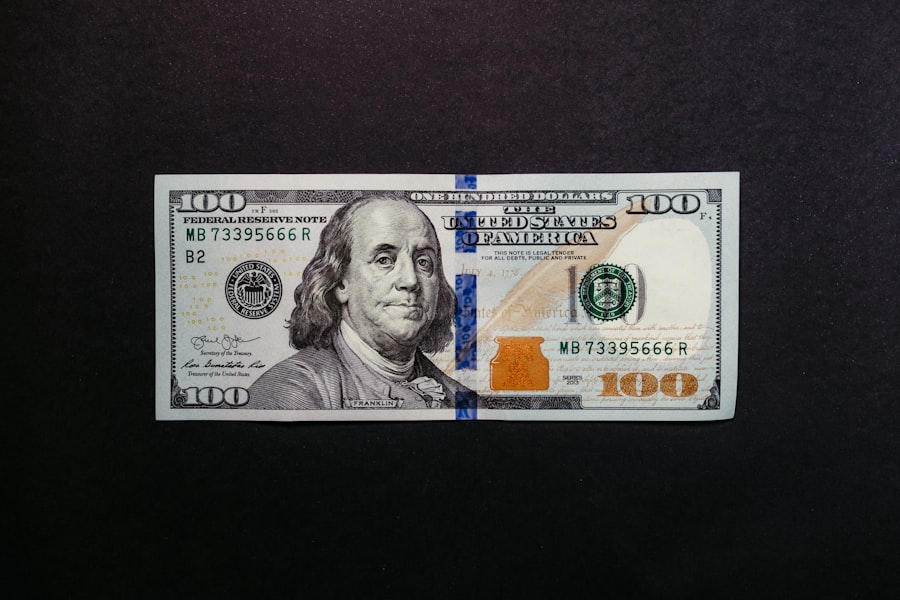
The maintenance and upkeep of unique products can pose challenges for both businesses and consumers. Products that require specialized care or handling may deter potential buyers who are concerned about the long-term viability of their investment. For example, high-end fashion items often necessitate specific cleaning methods or storage conditions to preserve their quality.
From a business perspective, companies must consider the implications of maintenance on customer satisfaction. Providing clear care instructions and support can enhance the consumer experience and mitigate potential issues related to upkeep. Additionally, offering warranties or guarantees can instill confidence in buyers, reassuring them that their investment is protected against unforeseen circumstances.
Potential for Limited Mobility
In some cases, unique products may be designed with specific functionalities that limit their mobility or versatility. For instance, large-scale art installations or bespoke furniture pieces may be visually stunning but challenging to transport or relocate. This limitation can impact consumer interest, particularly among those who prioritize practicality alongside aesthetics.
Businesses must carefully evaluate the mobility of their products during the design phase. Offering modular designs or lightweight alternatives can enhance usability while maintaining visual appeal. By addressing potential mobility concerns upfront, companies can broaden their target audience and increase the likelihood of successful sales.
Potential for Limited Placement Options
The placement of unique products within retail environments or online platforms can significantly influence their visibility and sales potential. Products that require specific display conditions may face limitations in terms of placement options. For example, oversized items may not fit well in traditional retail spaces, while intricate designs may necessitate specialized lighting to showcase their features effectively.
To overcome these challenges, businesses should consider innovative display solutions that highlight their products’ unique attributes while maximizing visibility.
Potential for High Shipping Costs
Shipping costs represent another critical consideration for businesses offering unique products. Items that are larger or more fragile may incur higher shipping fees due to their size or the need for special handling during transit. This factor can deter potential buyers who are sensitive to additional costs associated with their purchases.
To mitigate high shipping costs, companies can explore various strategies such as optimizing packaging materials or negotiating bulk shipping rates with carriers. Additionally, offering free shipping thresholds or promotional shipping rates can incentivize consumers to complete their purchases despite potential shipping fees.
Potential for Limited Storage Options
Unique products often require specific storage conditions to maintain their quality and integrity over time. For instance, delicate items may need climate-controlled environments to prevent damage from humidity or temperature fluctuations. This requirement can pose challenges for both retailers and consumers who may lack adequate storage solutions.
Businesses should consider providing guidance on proper storage practices alongside their products to enhance customer satisfaction. Additionally, offering compact or stackable designs can help alleviate storage concerns for consumers who may have limited space available.
Potential for Limited Resale Value
The resale value of unique products can vary significantly based on factors such as brand reputation, market demand, and condition at the time of resale. While some items may appreciate over time due to their rarity or desirability, others may depreciate quickly if they do not maintain consumer interest. To enhance resale value, businesses should focus on building strong brand equity through quality craftsmanship and effective marketing strategies.
Additionally, creating limited edition releases or collaborations with renowned artists can generate buzz and increase perceived value among collectors. In summary, creating attention-grabbing products requires a delicate balance between uniqueness, visual appeal, production costs, maintenance considerations, mobility limitations, placement options, shipping expenses, storage solutions, and resale value potential. By addressing these factors strategically, businesses can position themselves for success in an increasingly competitive marketplace while fostering lasting connections with consumers through innovative offerings that resonate on multiple levels.
If you are considering purchasing a big beautiful bill, it is important to weigh the pros and cons before making a decision. One related article that may be helpful in making an informed choice is How to Choose a Lawyer for Your Needs in 2025. This article provides valuable insights on selecting the right professional to assist you with legal matters, which can be crucial when dealing with the complexities of purchasing a high-value item like a big beautiful bill. By considering all aspects of the decision-making process, you can ensure that you make the best choice for your specific needs.
FAQs
What are the pros of having a big beautiful bill?
– A big beautiful bill can attract attention and make a statement.
– It can be a great marketing tool for businesses, events, or promotions.
– It can be easily seen from a distance, making it effective for outdoor advertising.
What are the cons of having a big beautiful bill?
– Big bills can be more expensive to produce and install.
– They may not be suitable for all advertising purposes, such as in indoor spaces with limited wall space.
– Some people may find big bills to be visually intrusive or overwhelming.