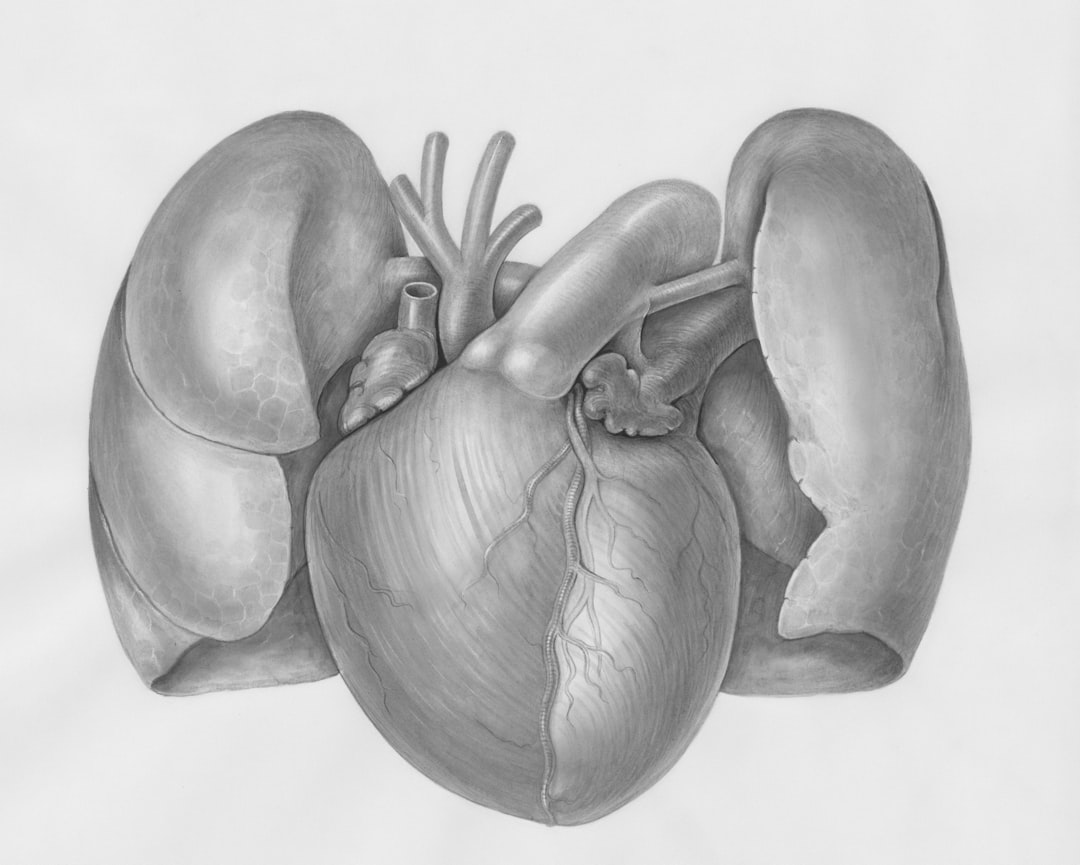
Now Reading: The Link Between Drinking and Heart Disease
-
01
The Link Between Drinking and Heart Disease
The Link Between Drinking and Heart Disease

The intricate relationship between alcohol consumption and cardiovascular health has garnered significant attention in recent years. Heart disease remains a leading cause of morbidity and mortality worldwide, prompting researchers to explore various lifestyle factors that contribute to its development. Among these, alcohol consumption stands out as a double-edged sword; while moderate intake may offer some protective benefits, excessive drinking poses substantial risks.
Understanding this complex interplay is crucial for individuals seeking to maintain optimal heart health. Alcohol’s effects on the cardiovascular system are multifaceted, influenced by factors such as quantity, frequency, and individual health status. Epidemiological studies have consistently demonstrated a correlation between heavy drinking and an increased incidence of heart disease.
Conversely, moderate consumption has been associated with certain protective effects, particularly in older adults. This article delves into the nuances of alcohol consumption and its implications for heart health, providing insights into both the risks and potential benefits.
Key Takeaways
- Excessive alcohol consumption is linked to an increased risk of heart disease.
- Alcohol can affect the heart by raising blood pressure and increasing the levels of triglycerides in the blood.
- Moderate drinking may have a protective effect on heart health, but excessive consumption can lead to cardiovascular disease.
- Reducing alcohol consumption can have positive effects on heart health, including lowering the risk of developing heart disease.
- Binge drinking and excessive alcohol intake can contribute to other risk factors for heart disease, such as obesity and diabetes.
Understanding the Risks of Excessive Alcohol Consumption
Excessive alcohol consumption is defined as the intake of more than two drinks per day for men and more than one drink per day for women. This level of consumption is linked to a myriad of health complications, particularly concerning cardiovascular health.
The American Heart Association emphasizes that these conditions can arise from both direct toxic effects on cardiac tissue and indirect effects through lifestyle changes associated with heavy drinking. Moreover, binge drinking—characterized by consuming large quantities of alcohol in a short period—exacerbates these risks. Studies indicate that binge drinkers are at a heightened risk for acute cardiovascular events, including myocardial infarction and sudden cardiac death.
The physiological mechanisms underlying these risks include increased blood pressure, elevated triglyceride levels, and the promotion of atherosclerosis. Understanding these risks is essential for individuals aiming to make informed decisions about their alcohol consumption.
How Alcohol Affects the Heart

The impact of alcohol on the heart is complex and varies significantly based on the amount consumed. At moderate levels, alcohol may exert beneficial effects by increasing high-density lipoprotein (HDL) cholesterol and promoting endothelial function. However, as consumption escalates, the detrimental effects become pronounced.
Additionally, alcohol can disrupt the electrical conduction system of the heart, leading to arrhythmias such as atrial fibrillation.
This condition not only increases the risk of stroke but also contributes to heart failure over time. Furthermore, chronic alcohol consumption can lead to nutritional deficiencies, particularly in thiamine (vitamin B1), which is essential for proper cardiac function. The interplay between these factors underscores the importance of understanding how alcohol affects cardiovascular health.
The Role of Alcohol in Developing Cardiovascular Disease
| Alcohol Consumption | Cardiovascular Disease Risk |
|---|---|
| Abstainers | Higher risk compared to moderate drinkers |
| Moderate Drinkers | Lower risk compared to heavy drinkers and abstainers |
| Heavy Drinkers | Higher risk compared to moderate drinkers |
The development of cardiovascular disease (CVD) is influenced by a multitude of factors, with alcohol consumption being a significant modifiable risk factor. Research indicates that heavy drinking can lead to structural changes in the heart, including left ventricular hypertrophy and fibrosis. These alterations compromise cardiac function and increase susceptibility to heart failure.
Moreover, alcohol’s role in promoting inflammation and oxidative stress further exacerbates cardiovascular risk. Chronic alcohol exposure can lead to endothelial dysfunction, characterized by impaired vasodilation and increased vascular resistance. This dysfunction is a precursor to atherosclerosis, where plaque builds up in the arteries, narrowing them and increasing the risk of coronary artery disease.
Understanding these mechanisms is vital for developing effective prevention strategies against CVD.
The Impact of Moderate Drinking on Heart Health
Moderate alcohol consumption has been associated with certain cardiovascular benefits, particularly among older adults. Studies suggest that moderate drinkers may experience a lower risk of coronary artery disease compared to non-drinkers or heavy drinkers. The proposed mechanisms include improved lipid profiles, enhanced insulin sensitivity, and reduced inflammation.
However, it is essential to define what constitutes moderate drinking accurately. The Centers for Disease Control and Prevention (CDC) defines moderate drinking as up to one drink per day for women and up to two drinks per day for men. It is crucial to note that these potential benefits do not apply universally; individual factors such as genetics, existing health conditions, and lifestyle choices play a significant role in determining how alcohol affects heart health.
Identifying the Relationship Between Alcohol and Specific Heart Conditions

The relationship between alcohol consumption and specific heart conditions is complex and varies across different populations. For instance, individuals with pre-existing conditions such as hypertension or diabetes may experience exacerbated effects from alcohol intake. In patients with atrial fibrillation, even moderate drinking can trigger episodes of arrhythmia.
Furthermore, research has shown that individuals with a family history of heart disease may be more susceptible to the adverse effects of alcohol. Conditions such as congestive heart failure and coronary artery disease have been linked to both heavy drinking and binge drinking patterns. Understanding these relationships is crucial for healthcare providers when advising patients on alcohol consumption in the context of their overall cardiovascular risk profile.
Exploring the Benefits of Reducing Alcohol Consumption for Heart Health
Reducing alcohol intake can yield significant benefits for cardiovascular health. Studies have shown that even modest reductions in consumption can lead to improvements in blood pressure, lipid profiles, and overall heart function. For individuals who engage in heavy drinking or binge drinking patterns, cessation or moderation can dramatically decrease their risk of developing heart disease.
Moreover, reducing alcohol intake can enhance overall well-being by improving sleep quality, mental health, and physical fitness—all factors that contribute to heart health. Engaging in regular physical activity and adopting a balanced diet rich in fruits, vegetables, whole grains, and lean proteins can further amplify these benefits. The synergistic effect of lifestyle changes alongside reduced alcohol consumption creates a robust strategy for promoting cardiovascular health.
Strategies for Moderating Alcohol Intake to Reduce Heart Disease Risk
Implementing effective strategies for moderating alcohol intake is essential for reducing the risk of heart disease. Individuals can start by setting clear goals regarding their drinking habits—whether that involves limiting the number of drinks per week or designating specific days as alcohol-free. Keeping a journal to track consumption can also provide valuable insights into patterns and triggers.
Additionally, seeking support from healthcare professionals or support groups can facilitate behavior change. Cognitive-behavioral therapy (CBT) has proven effective in helping individuals modify their drinking behaviors by addressing underlying psychological factors. Incorporating alternative activities that do not involve alcohol—such as exercise or socializing in non-drinking environments—can also help reinforce moderation.
Addressing the Connection Between Binge Drinking and Heart Disease
Binge drinking poses significant risks for cardiovascular health due to its acute effects on the body. Defined as consuming five or more drinks on a single occasion for men and four or more for women, binge drinking can lead to immediate increases in blood pressure and heart rate. These physiological changes can precipitate serious cardiovascular events such as arrhythmias or myocardial infarction.
Long-term binge drinking patterns are associated with chronic health issues such as cardiomyopathy and hypertension. Addressing this behavior requires targeted interventions that focus on education about the risks associated with binge drinking and promoting healthier coping mechanisms for stress or social situations that may trigger excessive drinking.
The Influence of Alcohol on Other Risk Factors for Heart Disease
Alcohol consumption interacts with various other risk factors for heart disease, compounding its effects on cardiovascular health. For instance, excessive drinking is often linked to poor dietary choices, leading to obesity—a significant risk factor for CVD. Additionally, alcohol can exacerbate conditions such as diabetes by impairing glucose metabolism.
Furthermore, smoking—a common co-occurring behavior with heavy drinking—significantly increases cardiovascular risk when combined with alcohol consumption. Addressing these interconnected factors through comprehensive lifestyle modifications is essential for reducing overall heart disease risk.
Promoting Heart-Healthy Habits and Responsible Drinking
In conclusion, understanding the relationship between alcohol consumption and heart disease is vital for promoting cardiovascular health. While moderate drinking may offer some protective benefits, excessive intake poses significant risks that cannot be overlooked. Individuals should be encouraged to adopt heart-healthy habits that include moderation in alcohol consumption alongside regular physical activity and a balanced diet.
Healthcare providers play a crucial role in educating patients about responsible drinking practices and the importance of lifestyle modifications in reducing cardiovascular risk. By fostering awareness and providing support for healthier choices, we can collectively work towards reducing the burden of heart disease in our communities. In summary, while moderate alcohol consumption may have some benefits for heart health, excessive intake significantly increases the risk of cardiovascular disease through various mechanisms including hypertension and arrhythmias.
Strategies such as setting clear goals for moderation, seeking support from professionals or groups, and addressing binge drinking behaviors are essential steps toward promoting heart-healthy habits and responsible drinking practices.
According to a recent study highlighted in an article on boogger.com, excessive alcohol consumption has been linked to an increased risk of heart disease. Researchers found that individuals who regularly consumed large amounts of alcohol were more likely to develop cardiovascular issues, including hypertension and heart failure. This serves as a reminder of the importance of moderation when it comes to alcohol consumption for maintaining heart health.
FAQs
What is the relationship between drinking and heart disease?
Drinking alcohol in moderation has been associated with a lower risk of heart disease. However, excessive alcohol consumption can increase the risk of developing heart disease.
How does alcohol affect the heart?
Moderate alcohol consumption can raise levels of high-density lipoprotein (HDL) cholesterol, which is known as “good” cholesterol, and may have a protective effect on the heart. Excessive alcohol consumption, on the other hand, can lead to high blood pressure, cardiomyopathy, and an increased risk of heart attack and stroke.
What is considered moderate alcohol consumption?
Moderate alcohol consumption is defined as up to one drink per day for women and up to two drinks per day for men. One drink is equivalent to 12 ounces of beer, 5 ounces of wine, or 1.5 ounces of distilled spirits.
Are there specific types of alcohol that are better for the heart?
Research suggests that red wine, in moderation, may have heart-healthy benefits due to its high levels of antioxidants. However, any type of alcohol, when consumed in moderation, may have similar heart-protective effects.
Can non-alcoholic beverages have the same heart-healthy benefits?
Certain non-alcoholic beverages, such as grape juice and purple grape juice, contain similar antioxidants to those found in red wine. These antioxidants may offer some heart-healthy benefits, but more research is needed to fully understand their effects.