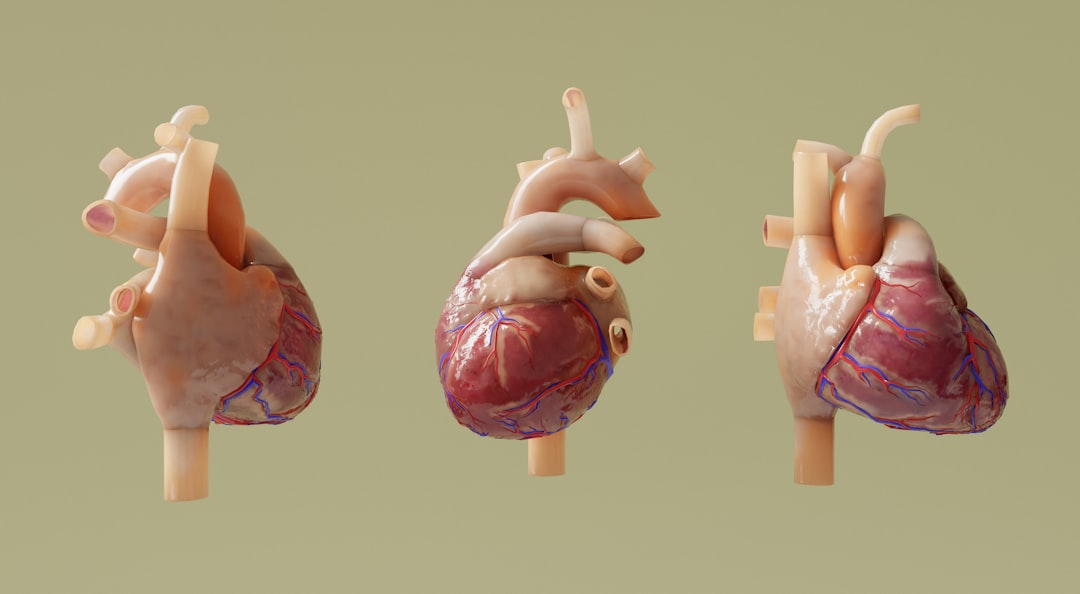
Now Reading: The Link Between Atherosclerosis and Cardiovascular Disease
-
01
The Link Between Atherosclerosis and Cardiovascular Disease
The Link Between Atherosclerosis and Cardiovascular Disease
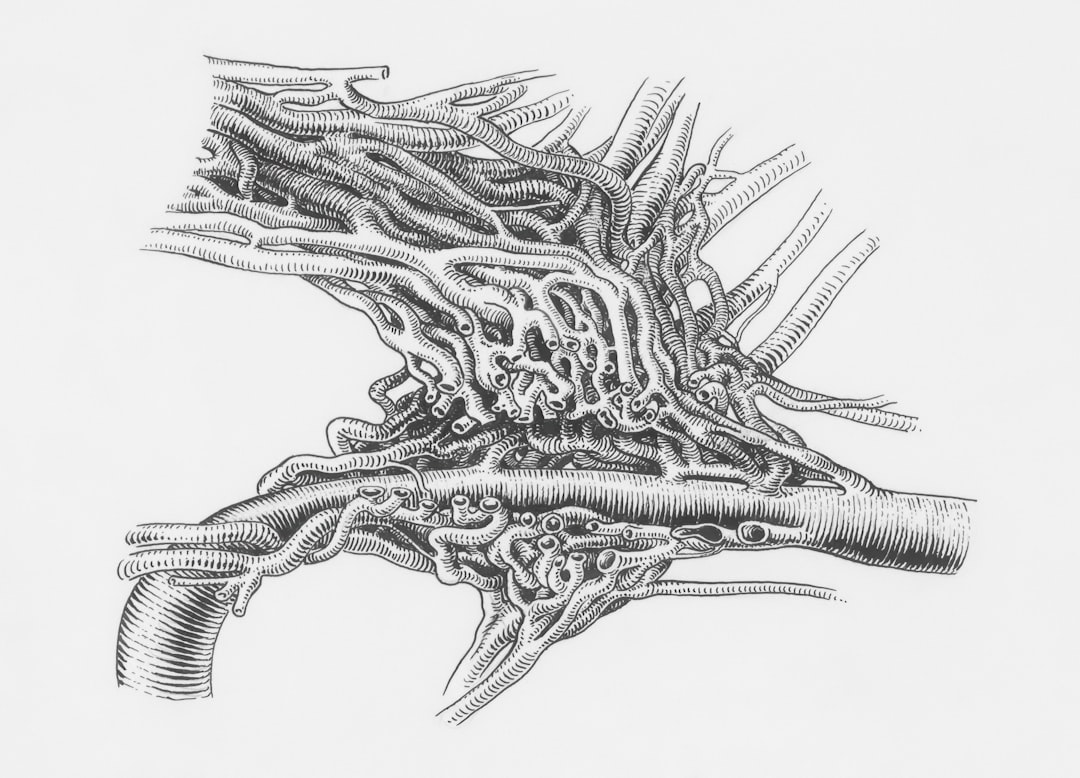
Atherosclerosis is a chronic inflammatory condition characterized by the accumulation of lipids, inflammatory cells, and fibrous elements within the arterial wall. This pathological process leads to the formation of atherosclerotic plaques, which can significantly narrow the arterial lumen, impeding blood flow. The development of atherosclerosis is multifactorial, involving a complex interplay between genetic predisposition, environmental factors, and lifestyle choices.
The initial stage often begins with endothelial injury, which can be triggered by factors such as hypertension, hyperlipidemia, and smoking. Once the endothelium is compromised, low-density lipoprotein (LDL) cholesterol infiltrates the arterial wall, where it undergoes oxidation and incites an inflammatory response. As the disease progresses, smooth muscle cells migrate to the site of injury, proliferating and contributing to plaque formation.
Over time, these plaques can become unstable, leading to rupture and subsequent thrombus formation. This process is not merely a passive accumulation of lipids but rather an active and dynamic interaction between various cellular components and signaling pathways. The progression of atherosclerosis can remain asymptomatic for years, making early detection and intervention crucial for preventing severe cardiovascular events.
Key Takeaways
- Atherosclerosis is a condition where plaque builds up in the arteries, leading to reduced blood flow and increased risk of cardiovascular disease.
- Atherosclerosis plays a key role in the development of cardiovascular disease, including heart attacks and strokes.
- Risk factors for atherosclerosis and cardiovascular disease include high cholesterol, high blood pressure, smoking, diabetes, and obesity.
- Atherosclerosis is closely linked to heart attacks, as the plaque buildup can lead to a blockage in the coronary arteries.
- Atherosclerosis is also linked to strokes, as plaque buildup can lead to reduced blood flow to the brain.
The Role of Atherosclerosis in Cardiovascular Disease
Atherosclerosis serves as a primary contributor to cardiovascular disease (CVD), which encompasses a range of conditions affecting the heart and blood vessels. The presence of atherosclerotic plaques can lead to coronary artery disease (CAD), peripheral artery disease (PAD), and cerebrovascular disease, all of which are significant causes of morbidity and mortality worldwide. According to the World Health Organization (WHO), CVD accounts for approximately 32% of all global deaths, underscoring the critical need for effective management strategies.
The pathophysiological mechanisms linking atherosclerosis to cardiovascular events involve reduced blood flow and oxygen delivery to vital organs. In CAD, for instance, the narrowing of coronary arteries can lead to angina pectoris or myocardial infarction (heart attack). Similarly, in PAD, reduced blood flow to the extremities can result in claudication and, in severe cases, limb ischemia.
Understanding the intricate relationship between atherosclerosis and cardiovascular disease is essential for developing targeted therapeutic interventions aimed at mitigating risk factors and improving patient outcomes.
Risk Factors for Atherosclerosis and Cardiovascular Disease
Identifying risk factors for atherosclerosis is paramount in both prevention and management strategies. Major modifiable risk factors include hyperlipidemia, hypertension, smoking, diabetes mellitus, obesity, and physical inactivity. Elevated levels of LDL cholesterol are particularly concerning as they contribute to plaque formation.
Hypertension exerts mechanical stress on arterial walls, promoting endothelial dysfunction and facilitating atherogenesis. In addition to these modifiable factors, non-modifiable risk factors such as age, gender, and family history play a significant role in an individual’s susceptibility to atherosclerosis. For instance, men are generally at higher risk at an earlier age compared to women, although post-menopausal women experience an increased risk due to hormonal changes.
Genetic predispositions can also influence lipid metabolism and inflammatory responses, further complicating the risk landscape. Comprehensive risk assessment should involve evaluating both modifiable and non-modifiable factors to tailor individualized prevention strategies effectively.
The Connection Between Atherosclerosis and Heart Attacks
| Connection Between Atherosclerosis and Heart Attacks |
|---|
| Atherosclerosis is the buildup of plaque in the arteries, narrowing the blood vessels and reducing blood flow to the heart. |
| Plaque buildup can lead to the formation of blood clots, which can block blood flow to the heart and cause a heart attack. |
| Risk factors for atherosclerosis and heart attacks include high cholesterol, high blood pressure, smoking, diabetes, and obesity. |
| Preventive measures include a healthy diet, regular exercise, not smoking, and managing conditions like high cholesterol and high blood pressure. |
The relationship between atherosclerosis and heart attacks is well-established; myocardial infarction often occurs as a direct consequence of plaque rupture within coronary arteries. When an atherosclerotic plaque ruptures, it exposes thrombogenic material to the bloodstream, leading to platelet activation and clot formation. This thrombus can occlude the coronary artery, resulting in ischemia and subsequent myocardial cell death if not promptly addressed.
Clinical manifestations of a heart attack may include chest pain, shortness of breath, nausea, and diaphoresis. Timely intervention is critical; the “golden hour” refers to the first hour following symptom onset when treatment can significantly improve outcomes. Therapeutic options such as percutaneous coronary intervention (PCI) or thrombolytic therapy aim to restore blood flow rapidly.
Understanding the mechanisms underlying plaque instability can inform preventive measures aimed at reducing the incidence of heart attacks among at-risk populations.
Atherosclerosis and Stroke: How They Are Linked
Atherosclerosis is also intricately linked to cerebrovascular accidents (strokes), particularly ischemic strokes caused by reduced blood flow to brain tissue. Similar to myocardial infarction, strokes can occur when an atherosclerotic plaque ruptures or when emboli from other vascular territories occlude cerebral arteries. The consequences of stroke can be devastating, leading to long-term disability or death.
Risk factors for stroke overlap significantly with those for atherosclerosis and include hypertension, diabetes mellitus, hyperlipidemia, and smoking. The clinical presentation of stroke may vary depending on the affected brain region but often includes sudden onset of weakness, speech difficulties, or visual disturbances. Rapid recognition and treatment are essential; interventions such as intravenous thrombolysis or mechanical thrombectomy can significantly improve outcomes if administered within appropriate time frames.
Diagnosing Atherosclerosis and Assessing Cardiovascular Risk

Diagnosing atherosclerosis typically involves a combination of clinical evaluation, imaging studies, and laboratory tests. A thorough medical history and physical examination can reveal risk factors and symptoms suggestive of cardiovascular disease. Non-invasive imaging modalities such as ultrasound, computed tomography (CT) angiography, or magnetic resonance angiography (MRA) can visualize arterial plaques and assess their severity.
Laboratory tests play a crucial role in evaluating lipid profiles and other biomarkers associated with cardiovascular risk. High-sensitivity C-reactive protein (hs-CRP) is one such marker that reflects systemic inflammation and may indicate increased cardiovascular risk. The Framingham Risk Score or other cardiovascular risk calculators can help stratify patients based on their likelihood of experiencing adverse cardiovascular events within specific time frames.
Treatment Options for Atherosclerosis and Cardiovascular Disease
Management of atherosclerosis involves both pharmacological and non-pharmacological approaches aimed at reducing cardiovascular risk factors and preventing disease progression. Pharmacotherapy often includes statins—HMG-CoA reductase inhibitors that effectively lower LDL cholesterol levels while providing additional anti-inflammatory benefits. Other medications may include antiplatelet agents like aspirin or clopidogrel to reduce thrombotic events.
In cases where lifestyle modifications alone are insufficient, more invasive procedures such as angioplasty with stent placement or coronary artery bypass grafting (CABG) may be warranted. These interventions aim to restore adequate blood flow in severely narrowed or occluded arteries. Ongoing monitoring and adjustment of treatment regimens are essential for optimizing patient outcomes.
Lifestyle Changes to Prevent Atherosclerosis and Cardiovascular Disease
Preventing atherosclerosis necessitates comprehensive lifestyle modifications that target its underlying risk factors. Adopting a heart-healthy diet rich in fruits, vegetables, whole grains, lean proteins, and healthy fats can significantly impact lipid levels and overall cardiovascular health. The Mediterranean diet has garnered attention for its cardioprotective effects due to its emphasis on omega-3 fatty acids from fish sources.
Regular physical activity is equally vital; engaging in at least 150 minutes of moderate-intensity aerobic exercise weekly can help maintain healthy body weight and improve lipid profiles. Smoking cessation is paramount; tobacco use is one of the most significant modifiable risk factors for both atherosclerosis and cardiovascular disease. Stress management techniques such as mindfulness meditation or yoga may also contribute positively to cardiovascular health by reducing systemic inflammation.
The Importance of Managing High Cholesterol in Atherosclerosis and Cardiovascular Disease
Managing hyperlipidemia is critical in mitigating the progression of atherosclerosis and reducing cardiovascular risk. Elevated LDL cholesterol levels are directly associated with plaque formation; thus, lowering these levels through lifestyle changes or pharmacotherapy is essential for prevention efforts. Statins remain the cornerstone of lipid-lowering therapy due to their proven efficacy in reducing cardiovascular events.
In addition to statins, other lipid-modifying agents such as ezetimibe or PCSK9 inhibitors may be considered for patients who do not achieve adequate LDL reduction with statins alone or who experience statin intolerance. Regular monitoring of lipid levels allows healthcare providers to tailor treatment plans effectively while ensuring optimal management of cardiovascular risk.
Research and Advances in Understanding the Link Between Atherosclerosis and Cardiovascular Disease
Ongoing research continues to elucidate the complex mechanisms underlying atherosclerosis and its association with cardiovascular disease. Recent studies have focused on the role of inflammation in plaque development and stability; targeting inflammatory pathways may offer novel therapeutic avenues for managing atherosclerosis. Additionally, advancements in imaging technologies have improved our ability to detect early-stage atherosclerotic changes before they lead to significant clinical events.
Genetic research has also provided insights into familial hypercholesterolemia and other inherited conditions that predispose individuals to premature atherosclerosis. Understanding these genetic underpinnings may facilitate early identification and intervention strategies for at-risk populations.
The Future of Atherosclerosis and Cardiovascular Disease Prevention and Treatment
The future landscape of atherosclerosis prevention and treatment holds promise with emerging therapies aimed at addressing both traditional risk factors and novel targets. Personalized medicine approaches that consider genetic predispositions may enhance treatment efficacy while minimizing adverse effects. Additionally, advancements in telemedicine could facilitate remote monitoring of patients’ cardiovascular health, allowing for timely interventions.
Public health initiatives aimed at promoting awareness about cardiovascular health will be crucial in reducing the burden of atherosclerosis-related diseases globally. As research continues to unveil new insights into this complex condition, healthcare providers will be better equipped to implement evidence-based strategies that improve patient outcomes. In summary, atherosclerosis is a multifaceted condition that plays a pivotal role in cardiovascular disease development.
Understanding its pathophysiology, risk factors, diagnostic methods, treatment options, and preventive measures is essential for effective management strategies aimed at reducing morbidity and mortality associated with this prevalent condition. Ongoing research will continue to shape our understanding of atherosclerosis while paving the way for innovative therapeutic approaches that enhance patient care.
A recent study published in the Journal of the American College of Cardiology found a strong link between atherosclerosis and cardiovascular disease. The researchers discovered that individuals with atherosclerosis were at a significantly higher risk of developing heart disease and suffering from heart attacks or strokes. This study highlights the importance of early detection and treatment of atherosclerosis to prevent the progression of cardiovascular disease. To learn more about federal holidays in April and how to take time off for important health screenings like those for atherosclerosis, check out this informative article com/federal-holidays-in-april-a-guide-for-time-off/’>here.
FAQs
What is atherosclerosis?
Atherosclerosis is a condition where the arteries become narrowed and hardened due to a buildup of plaque. This plaque is made up of cholesterol, fatty substances, cellular waste products, calcium, and fibrin.
What causes atherosclerosis?
Atherosclerosis is primarily caused by risk factors such as high cholesterol, high blood pressure, smoking, diabetes, and obesity. These factors can damage the inner layers of the arteries, leading to the buildup of plaque.
What are the symptoms of atherosclerosis?
Atherosclerosis often does not cause symptoms until it leads to complications such as heart attack or stroke. However, some people may experience chest pain, shortness of breath, fatigue, and leg pain.
How is atherosclerosis diagnosed?
Atherosclerosis can be diagnosed through various tests including blood tests to check cholesterol levels, imaging tests such as ultrasound or CT scans, and procedures like angiography to visualize the arteries.
What are the complications of atherosclerosis?
Complications of atherosclerosis include coronary artery disease, peripheral artery disease, carotid artery disease, and an increased risk of heart attack, stroke, and other cardiovascular diseases.
How is atherosclerosis treated?
Treatment for atherosclerosis may include lifestyle changes such as a healthy diet and regular exercise, medications to control cholesterol and blood pressure, and in some cases, surgical procedures such as angioplasty or bypass surgery.