Now Reading: The Innovations of Apple: A Legacy of Excellence
-
01
The Innovations of Apple: A Legacy of Excellence
The Innovations of Apple: A Legacy of Excellence
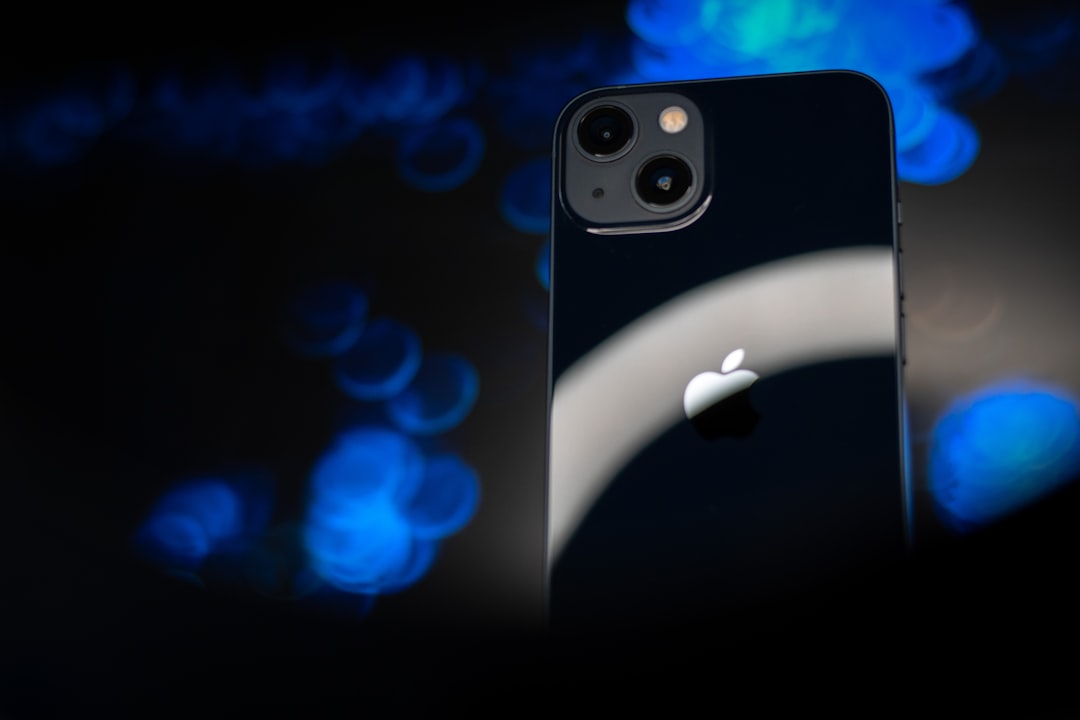
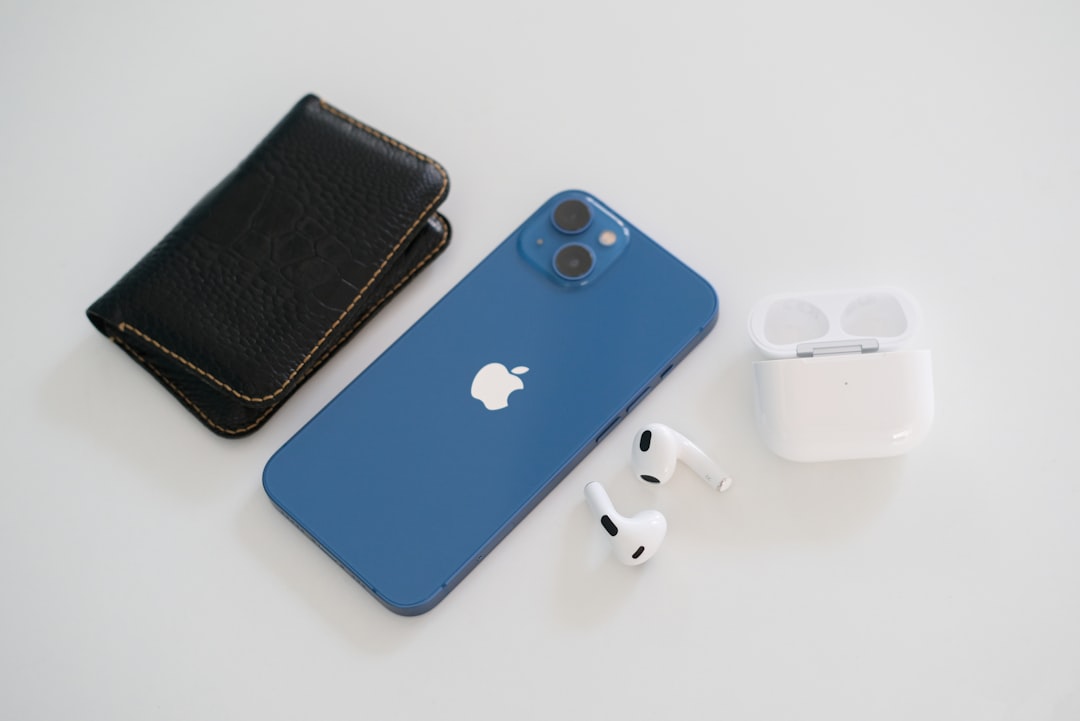
Apple Inc. stands as a paragon of innovation in the technology sector, consistently pushing the boundaries of what is possible in personal computing and consumer electronics. Founded in 1976 by Steve Jobs, Steve Wozniak, and Ronald Wayne, the company has evolved from a small startup into one of the most valuable corporations globally.
Apple’s legacy is characterized by its commitment to design excellence, user-centric interfaces, and groundbreaking technology that has transformed entire industries. The company’s ethos revolves around creating products that not only meet consumer needs but also enhance their daily lives through intuitive design and seamless integration. Over the decades, Apple has introduced a series of revolutionary products that have redefined how we interact with technology.
From the early days of the Macintosh to the latest iterations of the iPhone and beyond, each innovation has been marked by a distinctive approach to usability and aesthetics. This article delves into the pivotal moments in Apple’s history, exploring how each product has contributed to its legacy and shaped the landscape of modern technology.
Key Takeaways
- Apple’s legacy of innovation has revolutionized personal computing, music listening, smartphone industry, and created new categories of devices.
- The birth of the Macintosh revolutionized personal computing, making it more accessible and user-friendly.
- The iPod changed the way we listen to music, making it more portable and convenient.
- The iPhone redefined the smartphone industry with its innovative design and user experience.
- The iPad created a new category of devices, bridging the gap between smartphones and laptops.
The Birth of the Macintosh: Revolutionizing Personal Computing
The introduction of the Macintosh in 1984 marked a watershed moment in personal computing. With its graphical user interface (GUI) and mouse-driven navigation, the Macintosh made computing accessible to a broader audience, moving away from the command-line interfaces that dominated the era. This innovation was not merely a technical advancement; it represented a paradigm shift in how users interacted with computers.
The Macintosh’s design philosophy emphasized simplicity and ease of use, allowing individuals without technical expertise to harness the power of computing. The Macintosh also pioneered several features that have become standard in modern computing, such as desktop publishing capabilities and multimedia integration. Its introduction of software like MacPaint and MacWrite showcased the potential for creative applications on personal computers, inspiring a generation of graphic designers and writers.
The impact of the Macintosh extended beyond its immediate user base; it laid the groundwork for future innovations in software development and user interface design, influencing competitors and shaping industry standards.
The iPod: Changing the Way We Listen to Music
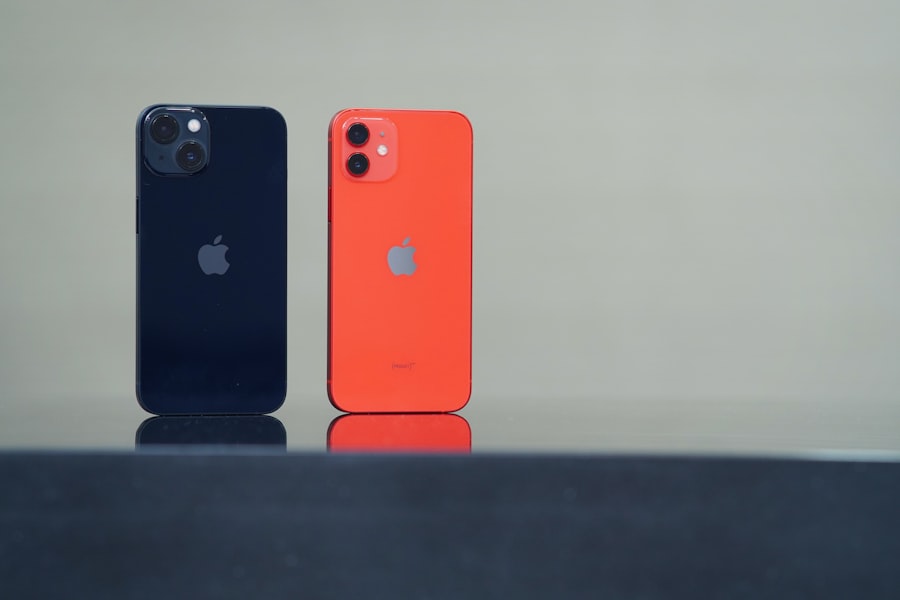
Launched in 2001, the iPod revolutionized the music industry by providing a portable solution for music consumption. With its sleek design and user-friendly interface, the iPod allowed users to carry thousands of songs in their pockets, fundamentally altering how music was distributed and consumed.
The iPod’s success can be attributed to its innovative features, such as the click wheel and later touch interface, which made navigation intuitive and enjoyable. Apple’s marketing strategy also played a crucial role; iconic advertising campaigns positioned the iPod as a cultural phenomenon, appealing to a diverse demographic. The device not only changed consumer behavior but also prompted significant shifts within the music industry, leading to the decline of physical media sales and the rise of digital downloads and streaming services.
The iPhone: Redefining the Smartphone Industry
| Year | iPhone Model | Units Sold (millions) | Market Share (%) |
|---|---|---|---|
| 2007 | iPhone 2G | 1.39 | 3.1% |
| 2008 | iPhone 3G | 11.63 | 12.9% |
| 2009 | iPhone 3GS | 20.73 | 14.4% |
| 2010 | iPhone 4 | 47.5 | 16.2% |
| 2011 | iPhone 4S | 72.29 | 18.7% |
| 2012 | iPhone 5 | 135.8 | 22.6% |
| 2013 | iPhone 5S | 150.26 | 15.5% |
| 2014 | iPhone 6/6 Plus | 192.7 | 14.8% |
| 2015 | iPhone 6S/6S Plus | 231.22 | 15.9% |
| 2016 | iPhone 7/7 Plus | 211.88 | 14.5% |
The launch of the iPhone in 2007 marked a seismic shift in mobile technology. Combining a phone, an iPod, and an internet communicator into one device, Apple redefined what a smartphone could be. The iPhone’s multi-touch interface allowed for unprecedented interaction with applications and content, setting new standards for mobile usability.
Its App Store, introduced in 2008, created an entirely new economy for app developers and transformed how users engaged with their devices. The iPhone’s impact on communication cannot be overstated; it facilitated instant connectivity through social media, messaging apps, and video calls, reshaping interpersonal interactions. Furthermore, its influence extended beyond personal use; businesses began to adopt smartphones for productivity, leading to a surge in mobile applications designed for professional environments.
The iPhone’s continuous evolution has kept it at the forefront of technology, with each iteration introducing advanced features such as facial recognition, augmented reality capabilities, and enhanced camera systems.
The iPad: Creating a New Category of Devices
Introduced in 2010, the iPad created an entirely new category of devices that bridged the gap between smartphones and laptops. With its larger screen size and touch interface, the iPad offered a unique experience for consuming content, whether it be reading e-books, watching videos, or browsing the web. Its versatility made it appealing to various demographics, from students to professionals seeking a portable computing solution.
The iPad’s impact on education has been particularly noteworthy; it has transformed traditional learning environments by providing interactive tools that enhance student engagement. Educational apps have flourished on the platform, enabling personalized learning experiences that cater to individual needs. Additionally, industries such as healthcare have adopted iPads for patient management and telemedicine applications, showcasing their adaptability across various sectors.
Apple Watch: Pioneering Wearable Technology
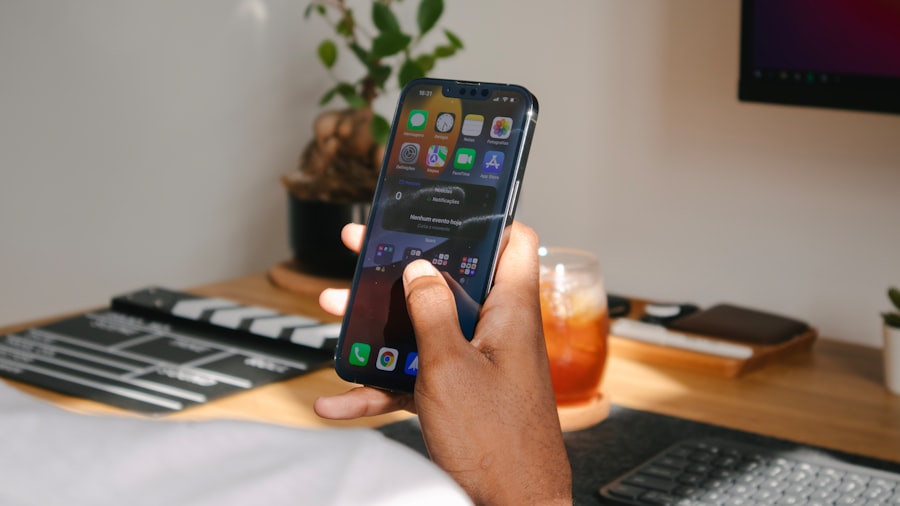
Launched in 2015, the Apple Watch marked Apple’s entry into wearable technology, combining fitness tracking with smart features that integrate seamlessly with other Apple devices. Its health-focused capabilities include heart rate monitoring, activity tracking, and even ECG functionality, positioning it as a vital tool for personal health management. The Apple Watch has empowered users to take control of their fitness journeys while providing critical health insights.
Beyond fitness tracking, the Apple Watch has evolved into a comprehensive smartwatch that supports notifications, messaging, and app integration directly on the wrist. Its customizable watch faces and bands allow users to express their personal style while benefiting from advanced technology. The device has also played a significant role in promoting awareness around health issues; features like fall detection and emergency SOS have proven invaluable in critical situations.
Apple Pay: Transforming Mobile Payments
Apple Pay was introduced in 2014 as a secure mobile payment solution that revolutionized how consumers conduct transactions. By leveraging Near Field Communication (NFC) technology and biometric authentication through Touch ID or Face ID, Apple Pay offers a seamless payment experience while prioritizing security. Users can make purchases in-store or online with just a tap or click, eliminating the need for physical wallets.
The adoption of Apple Pay has grown rapidly among retailers and consumers alike due to its convenience and security features. It has also spurred competition in the mobile payment space, prompting other companies to innovate their payment solutions. As digital wallets become increasingly prevalent, Apple Pay continues to expand its capabilities by integrating loyalty programs and transit systems into its platform.
Apple TV: Revolutionizing Home Entertainment
Apple TV has transformed home entertainment since its launch in 2007 by providing users with access to streaming services, movies, and television shows all in one device. With each iteration, Apple has enhanced its capabilities by introducing features such as 4K resolution support and integration with smart home devices through HomeKit. The Apple TV app consolidates content from various streaming platforms into a single interface, simplifying content discovery for users.
The introduction of Apple TV+ in 2019 marked Apple’s foray into original content production, competing with established streaming giants like Netflix and Amazon Prime Video. By investing heavily in high-quality programming featuring renowned creators and actors, Apple aims to carve out its niche in an increasingly crowded market. This strategic move not only diversifies Apple’s offerings but also reinforces its commitment to delivering exceptional entertainment experiences.
Apple’s Commitment to Sustainability and Environmental Innovation
Apple has made significant strides toward sustainability and environmental responsibility over recent years. The company is committed to reducing its carbon footprint through initiatives such as using recycled materials in product manufacturing and transitioning to renewable energy sources across its global operations. By 2030, Apple aims to have its entire supply chain carbon neutral—a bold goal that reflects its dedication to environmental stewardship.
In addition to reducing emissions, Apple is focused on responsible sourcing of materials used in its products. The company actively works to eliminate harmful substances from its supply chain while promoting recycling programs that encourage consumers to return old devices for proper disposal or refurbishment. These efforts not only contribute to environmental conservation but also set an industry standard for corporate responsibility.
Apple’s Impact on Design and User Experience
Apple’s influence on design extends far beyond aesthetics; it encompasses user experience (UX) principles that prioritize functionality and accessibility. The company’s design philosophy emphasizes simplicity and elegance while ensuring that products are intuitive for users of all skill levels. This approach has led to innovations such as the minimalist design of macOS and iOS interfaces that prioritize ease of navigation.
Moreover, Apple’s commitment to accessibility ensures that individuals with disabilities can fully engage with technology. Features like VoiceOver for visually impaired users and hearing aid compatibility demonstrate Apple’s dedication to inclusivity in design. By prioritizing user experience across all products, Apple has set benchmarks that competitors strive to achieve.
The Future of Apple: Anticipating the Next Wave of Innovation
As Apple continues to evolve, anticipation builds around what innovations lie ahead. With advancements in artificial intelligence (AI), augmented reality (AR), and machine learning (ML), Apple is poised to integrate these technologies into future products seamlessly. Speculation about potential developments includes enhanced AR capabilities through wearable devices or further integration of AI into everyday applications.
Additionally, Apple’s focus on health technology may lead to groundbreaking advancements in personal health monitoring through wearables or new health-related applications on existing devices. As consumer needs evolve alongside technological advancements, Apple’s commitment to innovation ensures that it will remain at the forefront of shaping future trends in technology. In summary, Apple’s legacy is defined by its relentless pursuit of innovation across various product categories—from personal computing with the Macintosh to mobile communication with the iPhone and beyond.
Each product has not only transformed consumer behavior but also influenced entire industries while setting new standards for design and user experience. As we look toward the future, Apple’s commitment to sustainability and technological advancement promises continued evolution that will shape our interaction with technology for years to come.
Apple company has been known for its innovative products and services, but they have also made headlines for their stance on federal paid holidays. In a recent article on Boogger, it was discussed how companies like Apple are adapting to the new federal holiday of Indigenous Peoples Day. This change reflects a growing awareness and respect for the history and culture of indigenous communities. To read more about this topic, check out the article here.
FAQs
What is Apple Inc.?
Apple Inc. is a multinational technology company that designs, manufactures, and markets consumer electronics, computer software, and online services. It is best known for its hardware products such as the iPhone, iPad, Mac computers, and Apple Watch.
When was Apple Inc. founded?
Apple Inc. was founded on April 1, 1976, by Steve Jobs, Steve Wozniak, and Ronald Wayne. The company was initially focused on developing and selling personal computers.
Where is Apple Inc. headquartered?
Apple Inc. is headquartered in Cupertino, California, at the Apple Park campus.
What are some of Apple’s most popular products?
Some of Apple’s most popular products include the iPhone, iPad, Mac computers, Apple Watch, and AirPods. The company also offers a range of software and services such as iOS, macOS, iCloud, and the App Store.
How does Apple Inc. make money?
Apple Inc. generates revenue primarily through the sale of its hardware products, including the iPhone, iPad, and Mac computers. The company also earns money from services such as the App Store, Apple Music, iCloud, and AppleCare.
What is Apple’s market capitalization?
As of [current date], Apple Inc.’s market capitalization is [current market cap], making it one of the most valuable publicly traded companies in the world.
Does Apple Inc. have a philanthropic arm?
Yes, Apple Inc. has a philanthropic arm called Apple Giving, which focuses on supporting education, environmental conservation, and access to technology. The company also matches employee donations to charitable organizations.