Now Reading: The Influenza Epidemic: What You Need to Know
-
01
The Influenza Epidemic: What You Need to Know
The Influenza Epidemic: What You Need to Know

Influenza, commonly referred to as the flu, is a highly contagious viral infection that primarily affects the respiratory system. It is caused by influenza viruses, which are classified into four main types: A, B, C, and D. Influenza A and B are responsible for the seasonal flu epidemics that occur annually, while type C typically causes milder respiratory illness and type D primarily affects cattle.
The flu virus is characterized by its ability to mutate rapidly, leading to variations in its genetic makeup, which complicates vaccine development and public health responses. Transmission of the influenza virus occurs through respiratory droplets when an infected person coughs, sneezes, or talks. These droplets can be inhaled by individuals nearby or can land on surfaces, where the virus can survive for several hours.
Touching contaminated surfaces and then touching the face—particularly the mouth, nose, or eyes—can also facilitate infection. The flu is most contagious in the first three to four days after symptoms appear, although individuals can spread the virus even before they exhibit symptoms.
Key Takeaways
- Influenza is a contagious respiratory illness that spreads mainly through droplets from coughs and sneezes.
- Past influenza epidemics provide valuable lessons for managing current and future outbreaks.
- Recognizing flu symptoms early, such as fever, cough, and body aches, is key to timely treatment.
- Vaccination is the most effective way to prevent influenza and protect vulnerable populations.
- Public health efforts and reliable information sources are essential for controlling the flu epidemic and minimizing its impact.
The History of Influenza Epidemics: What we can learn from past outbreaks
The history of influenza epidemics is marked by several significant outbreaks that have shaped public health responses and vaccine development. One of the most notable was the 1918 Spanish flu pandemic, which infected approximately one-third of the global population and resulted in an estimated 50 million deaths worldwide. This pandemic highlighted the importance of surveillance and rapid response to emerging infectious diseases.
The lessons learned from this outbreak emphasized the need for effective communication strategies and the establishment of public health infrastructures capable of managing widespread illness. Subsequent influenza pandemics, such as the Asian flu in 1957 and the Hong Kong flu in 1968, further underscored the necessity for ongoing research into influenza viruses and their transmission dynamics. These events prompted the World Health Organization (WHO) to implement global surveillance systems to monitor influenza activity and facilitate timely vaccine production.
Understanding the patterns of past outbreaks has been instrumental in shaping current public health policies and preparedness plans.
The Current Influenza Epidemic: What you need to know about the latest outbreak
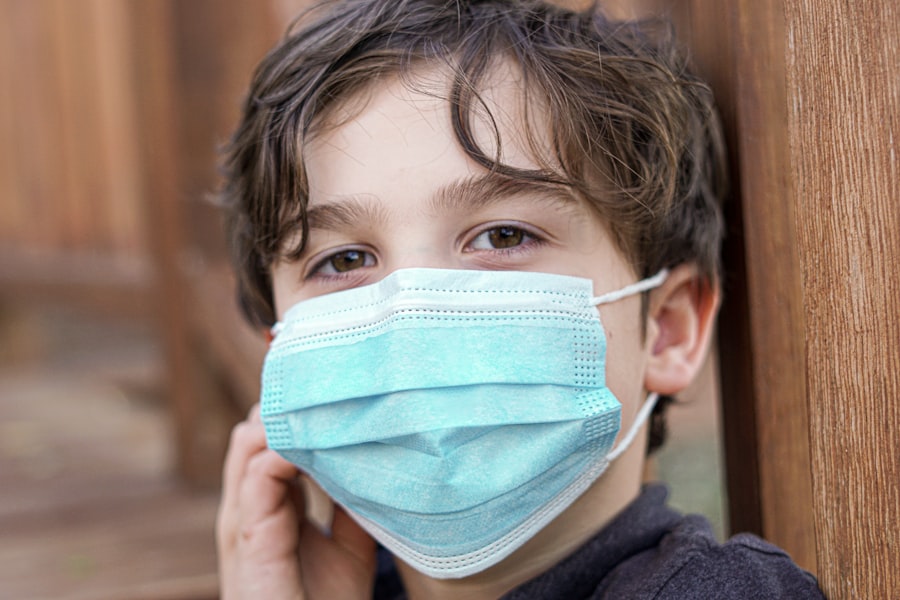
As of October 2023, the current influenza epidemic is characterized by a resurgence of influenza A (H3N2) strains, which have shown increased virulence compared to previous seasons. Public health officials are closely monitoring this outbreak due to its potential impact on vulnerable populations, including the elderly and those with underlying health conditions. The Centers for Disease Control and Prevention (CDC) has reported a rise in hospitalizations related to influenza, prompting heightened awareness and preventive measures across communities.
In addition to traditional surveillance methods, genomic sequencing of circulating strains has become crucial in understanding the evolution of the virus. This information aids in predicting which strains are likely to dominate in upcoming seasons, thereby informing vaccine formulation. Public health campaigns are emphasizing the importance of early detection and reporting of flu cases to mitigate transmission rates and reduce strain on healthcare systems.
Symptoms of Influenza: How to recognize if you have the flu
Recognizing influenza symptoms is essential for timely intervention and treatment. Common manifestations include sudden onset of fever, chills, body aches, fatigue, sore throat, cough, and headache. Gastrointestinal symptoms such as nausea or diarrhea may also occur, particularly in children.
Unlike a common cold, which typically presents with milder symptoms, influenza can lead to severe complications such as pneumonia or exacerbation of chronic conditions. The flu’s incubation period ranges from one to four days, with most individuals experiencing symptoms within two days after exposure. It is crucial for individuals experiencing these symptoms to seek medical advice promptly, especially if they belong to high-risk groups or if symptoms worsen over time.
Early diagnosis can facilitate appropriate antiviral treatment and reduce the risk of complications.
Who is at Risk: Understanding the groups most vulnerable to influenza
| Year | Number of Cases | Number of Deaths | Vaccination Coverage (%) | Peak Month |
|---|---|---|---|---|
| 2018 | 150,000 | 1,200 | 35 | February |
| 2019 | 180,000 | 1,500 | 38 | January |
| 2020 | 90,000 | 800 | 45 | March |
| 2021 | 120,000 | 1,000 | 50 | February |
| 2022 | 200,000 | 1,800 | 42 | January |
Certain populations are at a heightened risk for severe influenza-related complications. These include older adults aged 65 years and above, young children under five years old, pregnant women, and individuals with chronic medical conditions such as asthma, diabetes, or heart disease. Additionally, immunocompromised individuals—whether due to medical conditions or treatments—are also more susceptible to severe illness from influenza.
Healthcare professionals play a critical role in identifying at-risk patients and recommending preventive measures such as vaccination and antiviral prophylaxis when necessary. Public health initiatives aim to educate these vulnerable groups about recognizing symptoms early and seeking prompt medical attention to mitigate risks associated with influenza.
Preventing Influenza: Tips for avoiding the flu and staying healthy

Preventing influenza requires a multifaceted approach that includes both individual actions and community-wide strategies. Key preventive measures include: 1. **Vaccination**: Annual flu vaccination remains the most effective way to prevent infection.
2.
**Hygiene Practices**: Regular handwashing with soap and water or using alcohol-based hand sanitizers can significantly reduce transmission.
3. **Respiratory Etiquette**: Covering coughs and sneezes with a tissue or elbow helps prevent droplet spread.
4. **Avoiding Crowded Places**: Limiting exposure during peak flu season can reduce infection risk.
5.
**Staying Home When Sick**: Individuals exhibiting flu symptoms should refrain from attending work or school to prevent spreading the virus. Public health campaigns often emphasize these strategies during flu season to encourage community participation in reducing transmission rates.
Treatment Options: What to do if you or a loved one gets the flu
If you or a loved one contracts influenza, several treatment options are available to alleviate symptoms and reduce the duration of illness. Antiviral medications such as oseltamivir (Tamiflu), zanamivir (Relenza), peramivir (Rapivab), and baloxavir marboxil (Xofluza) are effective when administered within 48 hours of symptom onset. These medications work by inhibiting viral replication, thereby shortening the duration of illness and reducing complications.
In addition to antiviral therapy, symptomatic treatment is essential for managing discomfort associated with influenza. Over-the-counter medications such as acetaminophen or ibuprofen can help alleviate fever and body aches. Staying hydrated and resting are also critical components of recovery.
For individuals at high risk for complications, healthcare providers may recommend hospitalization for more intensive care.
The Importance of Vaccination: Why getting the flu shot is crucial
Vaccination against influenza is paramount in controlling seasonal outbreaks and protecting public health. The flu vaccine is formulated annually based on predictions of circulating strains, making it essential for individuals to receive their shot each year. Vaccination not only reduces the likelihood of contracting influenza but also lessens the severity of illness in those who do become infected.
Studies have shown that flu vaccination can reduce hospitalizations by up to 40% among adults and 60% among children during peak seasons. Furthermore, widespread vaccination contributes to herd immunity, protecting those who cannot be vaccinated due to medical reasons. Public health campaigns advocate for increased vaccination rates among all eligible populations as a critical strategy in combating influenza epidemics.
The Economic Impact of Influenza: How the flu epidemic affects society and the economy
The economic burden of influenza extends beyond healthcare costs; it encompasses lost productivity due to illness-related absenteeism from work or school. According to estimates from the CDC, seasonal influenza results in approximately $87 billion in direct medical costs annually in the United States alone. This figure includes hospitalizations, outpatient visits, and prescription medications.
Moreover, indirect costs associated with lost productivity can significantly impact businesses and economies at large. During peak flu seasons, absenteeism rates can rise dramatically, leading to decreased workforce efficiency and increased operational costs for employers. Understanding these economic implications underscores the importance of preventive measures such as vaccination programs and public health initiatives aimed at reducing transmission rates.
The Role of Public Health: How officials are working to control and prevent the spread of influenza
Public health officials play a vital role in managing influenza outbreaks through surveillance, education, and response strategies.
These agencies collaborate with local health departments to implement vaccination campaigns targeting high-risk populations.
In addition to vaccination efforts, public health initiatives focus on educating communities about preventive measures such as hygiene practices and recognizing symptoms early. During outbreaks, officials may issue guidelines for schools and workplaces to minimize transmission risks. Effective communication strategies are essential for ensuring that communities remain informed about ongoing public health efforts.
Staying Informed: Where to find reliable information and updates about the influenza epidemic
Staying informed about influenza outbreaks is crucial for individuals seeking to protect themselves and their families. Reliable sources of information include: 1. **Centers for Disease Control and Prevention (CDC)**: Offers comprehensive resources on flu prevention, treatment options, and vaccination.
2.
**World Health Organization (WHO)**: Provides global updates on influenza activity and public health recommendations.
3.
4. **Healthcare Providers**: Consult your physician for personalized advice regarding vaccination and treatment options.
By utilizing these resources, individuals can stay updated on current trends in influenza activity and make informed decisions regarding their health. In summary, understanding influenza’s nature, history, current trends, symptoms, risk factors, prevention strategies, treatment options, economic impact, public health roles, and reliable information sources is essential for managing this pervasive viral infection effectively. Vaccination remains a cornerstone of prevention efforts while ongoing public health initiatives aim to mitigate its impact on society at large.
The influenza epidemic, commonly known as the flu, can have significant impacts on public health, especially during the colder months. For those interested in understanding how to navigate the challenges posed by seasonal illnesses, it may be helpful to explore related topics. For instance, you can read about the importance of community support during festive times in the article Christmas Day: A Time for Joy and Celebration, which highlights the role of social connections in maintaining well-being during the holiday season, a period when flu outbreaks often peak.
FAQs
What is an influenza epidemic?
An influenza epidemic is a widespread outbreak of the flu virus that affects a large number of people within a community, region, or country over a short period of time.
What causes an influenza epidemic?
Influenza epidemics are caused by the rapid spread of influenza viruses, which mutate frequently, allowing new strains to infect people who may have little or no immunity.
How does the flu virus spread during an epidemic?
The flu virus spreads mainly through respiratory droplets when an infected person coughs, sneezes, or talks. It can also spread by touching surfaces contaminated with the virus and then touching the face.
What are common symptoms of the flu during an epidemic?
Common symptoms include fever, cough, sore throat, runny or stuffy nose, body aches, headache, chills, and fatigue. Some people may also experience vomiting and diarrhea.
Who is most at risk during an influenza epidemic?
High-risk groups include young children, elderly adults, pregnant women, and individuals with chronic health conditions or weakened immune systems.
How can influenza epidemics be prevented?
Prevention measures include annual flu vaccination, practicing good hand hygiene, avoiding close contact with sick individuals, covering coughs and sneezes, and staying home when ill.
What treatments are available during an influenza epidemic?
Treatment primarily involves rest, hydration, and over-the-counter medications to relieve symptoms. Antiviral drugs may be prescribed in some cases to reduce severity and duration.
When should someone seek medical attention during a flu epidemic?
Medical attention should be sought if symptoms worsen, if there is difficulty breathing, chest pain, persistent high fever, confusion, or if high-risk individuals develop flu symptoms.
How do public health authorities respond to influenza epidemics?
Authorities monitor flu activity, promote vaccination campaigns, provide public information, and may implement measures such as school closures or travel advisories to control the spread.
Can influenza epidemics lead to pandemics?
Yes, if a new influenza virus strain emerges that spreads easily between people worldwide, it can lead to a pandemic, which is a global outbreak affecting many countries.