Now Reading: The Importance of Breast Health for Women
-
01
The Importance of Breast Health for Women
The Importance of Breast Health for Women
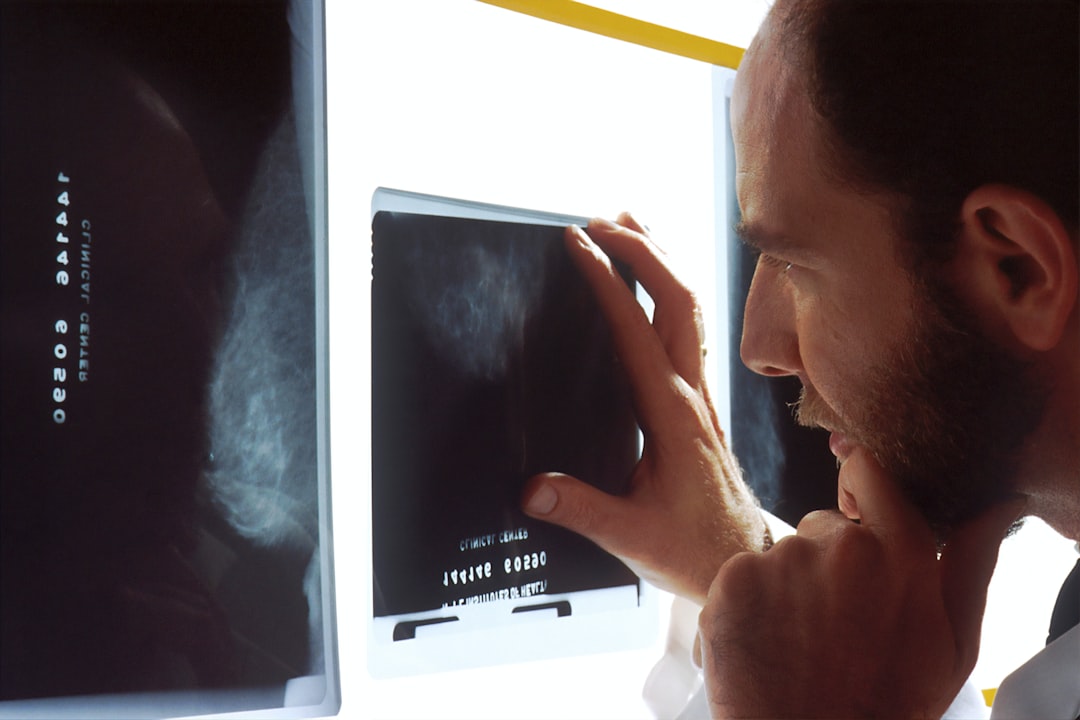
Breast health encompasses a wide array of physiological, psychological, and social factors that contribute to the overall well-being of individuals with breast tissue. The breasts are composed of glandular tissue, adipose tissue, and connective tissue, all of which play critical roles in their function and health. The primary function of breast tissue is to produce milk during lactation, but they also serve as an important indicator of overall health.
Regular monitoring and understanding of breast health can lead to early detection of abnormalities, including benign conditions and malignancies. Breast health is influenced by hormonal fluctuations throughout a person’s life, particularly during puberty, menstruation, pregnancy, and menopause. Hormones such as estrogen and progesterone significantly affect breast tissue composition and function.
Understanding these hormonal influences is crucial for recognizing normal changes versus pathological conditions. For instance, cyclical breast pain or tenderness is often linked to hormonal changes during the menstrual cycle, while persistent lumps or changes in breast appearance may warrant further investigation.
Key Takeaways
- Understanding breast health is crucial for women of all ages
- Early detection and prevention can save lives
- Knowing the risk factors for breast health is important for proactive care
- Regular breast exams are essential for maintaining good breast health
- Lifestyle choices can impact breast health and overall wellbeing
Early Detection and Prevention
Early detection of breast abnormalities is paramount in improving outcomes for individuals diagnosed with breast cancer. Mammography remains the gold standard for screening, recommended annually for women starting at age 40 or earlier for those with elevated risk factors. This imaging technique can identify tumors that are too small to be felt during a physical examination, allowing for timely intervention.
Additionally, clinical breast exams performed by healthcare professionals can complement self-examinations and mammograms. Preventive measures extend beyond screening; lifestyle modifications can significantly reduce the risk of developing breast cancer. Regular physical activity, maintaining a healthy weight, and adhering to a balanced diet rich in fruits, vegetables, and whole grains are essential components of a preventive strategy.
Furthermore, limiting alcohol consumption and avoiding tobacco use are critical in minimizing risk factors associated with breast malignancies. Genetic counseling and testing for BRCA1 and BRCA2 mutations can also inform individuals about their risk levels and guide preventive options such as prophylactic mastectomy or chemoprevention.
Risk Factors for Breast Health

Understanding the multifactorial nature of breast health involves recognizing various risk factors that may predispose individuals to breast-related conditions. These factors can be categorized into non-modifiable and modifiable risks. Non-modifiable factors include age, gender, family history of breast cancer, and genetic predispositions.
Women aged 55 and older are at a higher risk due to cumulative exposure to estrogen over time. Conversely, modifiable risk factors present opportunities for intervention. Obesity has been linked to an increased risk of postmenopausal breast cancer due to elevated estrogen levels produced by adipose tissue.
Additionally, sedentary lifestyles contribute to obesity and should be addressed through regular exercise. Hormone replacement therapy (HRT) during menopause has also been associated with an increased risk of breast cancer; thus, discussing alternatives with healthcare providers is essential for informed decision-making.
Importance of Regular Breast Exams
| Age Group | Frequency of Exams | Importance |
|---|---|---|
| 20-39 | Every 3 years | Early detection of abnormalities |
| 40 and above | Yearly | Increased risk of breast cancer |
| Pregnant or breastfeeding | Regular self-exams | Changes in breast tissue |
Regular breast examinations are vital for maintaining breast health and facilitating early detection of abnormalities. Self-exams empower individuals to become familiar with their breast tissue, enabling them to identify any changes such as lumps, swelling, or skin alterations. The American Cancer Society recommends performing self-exams monthly, ideally a few days after menstruation when breasts are less likely to be tender.
Clinical breast exams conducted by healthcare professionals provide an additional layer of assessment. These exams involve a thorough evaluation of the breasts and surrounding lymph nodes to identify any suspicious findings. Healthcare providers may also recommend imaging studies based on clinical findings or individual risk factors.
The combination of self-exams, clinical evaluations, and mammography creates a comprehensive approach to breast health monitoring.
Lifestyle Choices and Breast Health
Lifestyle choices play a pivotal role in influencing breast health outcomes. A diet rich in antioxidants, fiber, and healthy fats can help mitigate the risk of developing breast cancer. Foods such as berries, leafy greens, nuts, and fatty fish provide essential nutrients that support overall health while potentially reducing cancer risk.
Physical activity is another critical component of maintaining breast health. Engaging in at least 150 minutes of moderate-intensity aerobic exercise weekly can help regulate weight and improve hormonal balance.
Exercise has been shown to reduce the risk of breast cancer by promoting healthy metabolism and reducing insulin resistance. Furthermore, stress management techniques such as yoga or meditation can enhance mental well-being while contributing positively to physical health.
Breast Health and Mental Wellbeing

The intersection between breast health and mental well-being cannot be overlooked. A diagnosis of breast cancer or even the fear of potential abnormalities can lead to significant psychological distress. Anxiety, depression, and body image issues are common among individuals facing breast health challenges.
It is essential for healthcare providers to address these mental health aspects alongside physical assessments. Support systems play a crucial role in promoting mental well-being during challenging times. Support groups provide a platform for individuals to share experiences and coping strategies while fostering a sense of community.
Integrating mental health support into routine care can enhance overall quality of life for those affected.
Breast Health and Reproductive Health
Breast health is intricately linked to reproductive health throughout various life stages. Hormonal fluctuations during menstruation, pregnancy, and lactation significantly impact breast tissue composition and function. For instance, during pregnancy, the breasts undergo extensive changes in preparation for lactation, including increased glandular tissue development.
Breastfeeding has been associated with numerous benefits for both mother and child. It not only provides optimal nutrition for infants but also reduces the mother’s risk of developing certain types of breast cancer later in life. The act of breastfeeding helps regulate hormonal levels and promotes uterine contraction post-delivery, contributing to maternal recovery.
Understanding these connections emphasizes the importance of supporting breastfeeding initiatives as part of comprehensive reproductive health care.
Breast Health and Aging
As individuals age, the risk of developing breast-related conditions increases significantly due to cumulative exposure to risk factors over time. Postmenopausal women experience hormonal changes that can lead to alterations in breast tissue density and composition. These changes may affect the sensitivity of mammograms in detecting abnormalities; thus, healthcare providers must remain vigilant in monitoring older patients.
Additionally, aging can bring about other health concerns that may indirectly impact breast health. Conditions such as osteoporosis or cardiovascular disease may necessitate medication regimens that could influence hormonal balance or weight management strategies. Regular consultations with healthcare providers can help navigate these complexities while ensuring that breast health remains a priority throughout the aging process.
Breast Health and Family History
Family history plays a significant role in assessing an individual’s risk for developing breast cancer. First-degree relatives with a history of breast cancer substantially increase one’s likelihood of being diagnosed with the disease due to shared genetic predispositions and environmental factors. Genetic testing for mutations in BRCA1 and BRCA2 genes can provide valuable insights into hereditary risks.
Individuals with a strong family history should engage in proactive discussions with healthcare providers regarding personalized screening protocols and preventive measures. This may include earlier initiation of mammography or consideration of prophylactic surgeries for those at high risk. Understanding family history empowers individuals to take charge of their breast health proactively.
Breast Health and Breastfeeding
Breastfeeding is not only beneficial for infants but also plays a protective role in maternal breast health. Research indicates that women who breastfeed have a lower risk of developing premenopausal and postmenopausal breast cancer compared to those who do not engage in breastfeeding practices. The duration of breastfeeding appears to correlate with reduced risk; longer breastfeeding periods confer greater protective benefits.
Moreover, breastfeeding promotes healthy bonding between mother and child while providing essential nutrients that support infant growth and development. It also aids in postpartum recovery by facilitating uterine contractions and reducing postpartum bleeding. Healthcare providers should encourage breastfeeding as part of comprehensive maternal care while addressing any challenges mothers may face during this process.
Resources for Breast Health Awareness
Numerous resources are available to promote awareness about breast health among individuals and communities alike. Organizations such as the American Cancer Society (ACS) provide educational materials on screening guidelines, risk factors, and preventive measures related to breast cancer. The National Breast Cancer Foundation offers support services for patients navigating diagnosis and treatment options.
Local healthcare facilities often host workshops or seminars focused on breast health education, providing opportunities for individuals to engage with healthcare professionals directly. Online platforms also serve as valuable resources for accessing information about breast health topics ranging from self-examination techniques to nutritional guidance. In summary, understanding breast health involves recognizing its multifaceted nature encompassing physiological changes, lifestyle choices, mental well-being, reproductive factors, aging considerations, family history implications, breastfeeding benefits, and available resources for awareness.
Early detection through regular examinations remains crucial in mitigating risks associated with breast-related conditions while empowering individuals to take proactive steps toward maintaining optimal breast health throughout their lives.
Check out this fascinating article on the importance of breast self-exams for women’s health here. It discusses the significance of early detection in preventing breast cancer and emphasizes the need for regular screenings. This article provides valuable information on how women can take charge of their own health and well-being by being proactive about their breast health.
FAQs
What is the purpose of women’s breasts?
Women’s breasts serve the purpose of producing milk to feed infants. They also play a role in sexual attraction and arousal.
What are the different sizes and shapes of women’s breasts?
Women’s breasts come in a variety of sizes and shapes. They can range from small to large, and can be round, teardrop-shaped, asymmetrical, or have other variations in shape.
What factors can affect the size and shape of women’s breasts?
Factors such as genetics, hormonal changes, weight fluctuations, pregnancy, and breastfeeding can all affect the size and shape of women’s breasts.
What are common breast health concerns for women?
Common breast health concerns for women include breast cancer, fibrocystic breast changes, breast pain, and breast lumps. It is important for women to perform regular breast self-exams and to seek medical attention if they notice any changes in their breasts.
What are some common misconceptions about women’s breasts?
Some common misconceptions about women’s breasts include the belief that breast size determines a woman’s worth, that breastfeeding in public is inappropriate, and that all women’s breasts should look a certain way. It’s important to recognize and challenge these misconceptions.