Now Reading: The Impact of Ovary Removal on Women’s Health
-
01
The Impact of Ovary Removal on Women’s Health
The Impact of Ovary Removal on Women’s Health
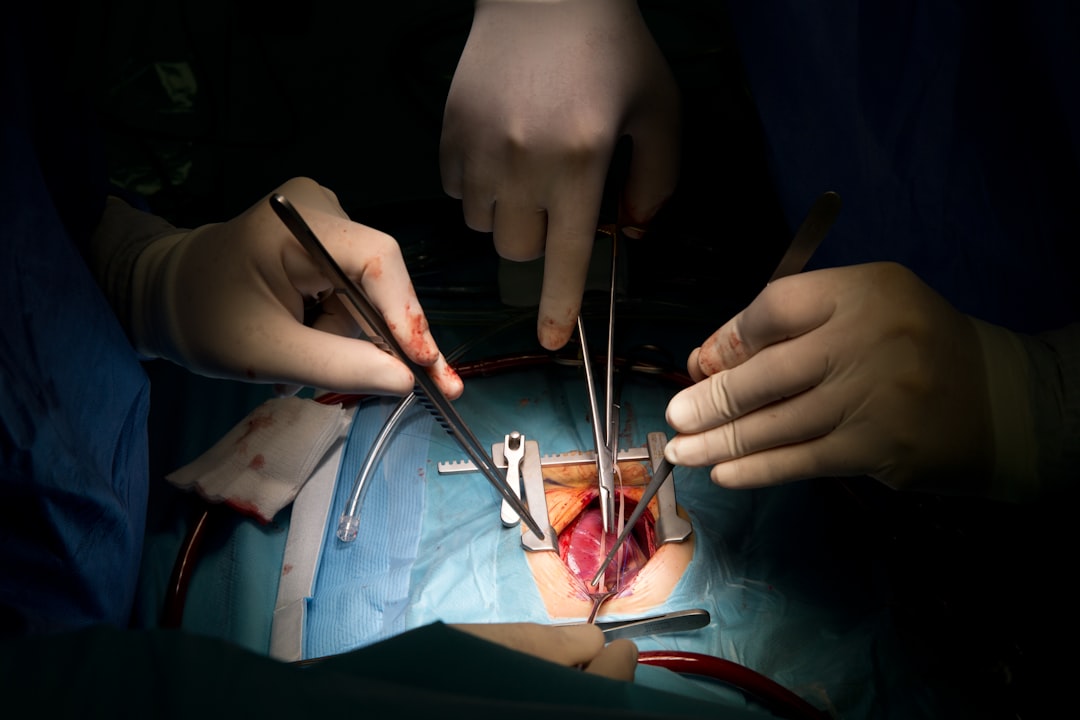
Ovary removal, medically termed oophorectomy, is a surgical procedure that involves the excision of one or both ovaries. This intervention is often performed as a treatment for various gynecological conditions, including ovarian cysts, endometriosis, and certain types of cancer. In some cases, it may also be a preventive measure for women with a high genetic predisposition to ovarian or breast cancer, particularly those with BRCA1 or BRCA2 gene mutations.
The decision to undergo oophorectomy is multifaceted and requires careful consideration of the potential benefits and risks associated with the procedure. The implications of ovary removal extend beyond the immediate surgical outcomes. The ovaries play a crucial role in hormone production, particularly estrogen and progesterone, which are vital for regulating numerous bodily functions.
Consequently, the removal of these organs can lead to significant physiological changes that may affect a woman’s overall health and quality of life. Understanding these changes is essential for women considering this surgery, as it can help them make informed decisions regarding their health management post-procedure.
Key Takeaways
- Ovary removal can lead to hormonal changes and early menopause
- Ovary removal can increase the risk of osteoporosis and bone fractures
- Ovary removal may increase the risk of heart disease and cardiovascular issues
- Ovary removal can impact sexual function and libido
- Ovary removal may have implications for cognitive function, emotional well-being, and mental health
Hormonal Changes and Menopause
Following oophorectomy, women experience abrupt hormonal changes due to the sudden decrease in estrogen and progesterone levels. This hormonal shift can induce symptoms akin to those experienced during natural menopause, including hot flashes, night sweats, mood swings, and vaginal dryness. The onset of these symptoms can occur immediately after surgery, leading to what is often referred to as “surgical menopause.” Unlike natural menopause, which occurs gradually over several years, surgical menopause can present a more intense and immediate set of challenges.
The impact of these hormonal changes on a woman’s health can be profound. Estrogen is not only crucial for reproductive health but also plays a significant role in maintaining bone density, cardiovascular health, and cognitive function. Therefore, the abrupt cessation of estrogen production can lead to various long-term health issues that require careful monitoring and management.
Bone Health and Osteoporosis Risk

One of the most significant long-term consequences of ovary removal is the increased risk of osteoporosis. Estrogen is essential for maintaining bone density; its deficiency can lead to accelerated bone loss and an increased likelihood of fractures. Studies indicate that women who undergo oophorectomy before the age of 45 are at a particularly heightened risk for developing osteoporosis later in life.
The loss of bone mass can begin within the first few years following surgery, making early intervention critical. To mitigate the risk of osteoporosis, women are encouraged to engage in weight-bearing exercises, maintain a diet rich in calcium and vitamin D, and consider regular bone density screenings. Pharmacological interventions may also be necessary for some individuals.
Bisphosphonates, selective estrogen receptor modulators (SERMs), and hormone replacement therapy (HRT) are among the treatment options available to help preserve bone health post-oophorectomy.
Cardiovascular Health and Risk of Heart Disease
| Metrics | Values |
|---|---|
| Blood Pressure | 120/80 mmHg (normal) |
| Cholesterol Level | Less than 200 mg/dL (desirable) |
| Body Mass Index (BMI) | 18.5-24.9 kg/m2 (normal) |
| Physical Activity | At least 150 minutes of moderate-intensity exercise per week |
| Diet | Low in saturated fats, trans fats, cholesterol, and sodium |
The relationship between ovary removal and cardiovascular health is complex. Estrogen has protective effects on the cardiovascular system; its absence can lead to an increased risk of heart disease. Research indicates that women who undergo oophorectomy before menopause may experience a higher incidence of cardiovascular events compared to their peers who retain their ovaries.
Factors such as age at surgery, lifestyle choices, and pre-existing health conditions can further influence this risk. To address cardiovascular health post-oophorectomy, women should adopt heart-healthy lifestyle practices. This includes regular physical activity, a balanced diet low in saturated fats and high in fruits and vegetables, smoking cessation, and routine health screenings to monitor blood pressure and cholesterol levels.
In some cases, healthcare providers may recommend medications such as statins or antihypertensives to manage cardiovascular risk factors effectively.
Sexual Function and Libido
Ovary removal can significantly impact sexual function and libido due to hormonal changes that affect vaginal lubrication and overall sexual desire. Many women report experiencing decreased libido, discomfort during intercourse, and changes in sexual arousal following oophorectomy. These changes can be distressing and may affect intimate relationships.
To address sexual dysfunction post-surgery, women are encouraged to communicate openly with their partners and healthcare providers. Various treatment options are available, including vaginal moisturizers and lubricants to alleviate dryness, as well as medications such as flibanserin or bremelanotide that may enhance sexual desire. Additionally, counseling or sex therapy can provide valuable support for couples navigating these challenges.
Cognitive Function and Memory
Emerging research suggests that the removal of ovaries may have implications for cognitive function and memory. Estrogen is believed to play a protective role in brain health; its deficiency has been associated with an increased risk of cognitive decline and dementia in some studies. Women who undergo oophorectomy at a younger age may be particularly vulnerable to these cognitive changes.
To promote cognitive health post-oophorectomy, engaging in mentally stimulating activities such as puzzles, reading, or learning new skills is beneficial.
Some studies suggest that HRT may also have neuroprotective effects; however, this should be discussed thoroughly with a healthcare provider to weigh the benefits against potential risks.
Emotional Well-being and Mental Health
The emotional impact of ovary removal can be significant. Many women experience feelings of loss related to their reproductive capabilities, which can lead to anxiety or depression. The sudden hormonal changes associated with surgical menopause may exacerbate these feelings, making it essential for women to prioritize their mental health during this transition.
Support systems play a crucial role in emotional well-being post-oophorectomy. Women are encouraged to seek counseling or join support groups where they can share experiences with others who have undergone similar procedures. Mindfulness practices such as yoga or meditation may also help alleviate stress and improve overall emotional resilience.
Cancer Risk and Ovarian Cancer
While oophorectomy is often performed as a preventive measure against ovarian cancer in high-risk individuals, it is essential to understand the implications for cancer risk in general. The removal of ovaries significantly reduces the risk of developing ovarian cancer; however, it does not eliminate the risk of other cancers entirely. For instance, women who have undergone oophorectomy may still be at risk for breast cancer if they have not undergone a mastectomy.
Regular screenings and discussions with healthcare providers about individual cancer risk factors remain crucial for women post-oophorectomy. Genetic counseling may also be beneficial for those with a family history of cancer or known genetic mutations.
Long-term Health Considerations
Long-term health considerations following ovary removal encompass various aspects of physical and mental well-being. Women must remain vigilant about monitoring their health through regular check-ups that include assessments of bone density, cardiovascular health, cognitive function, and emotional well-being. Lifestyle modifications such as maintaining a healthy weight, engaging in regular exercise, and adhering to a balanced diet are vital components of long-term health management.
Additionally, women should remain informed about potential complications associated with oophorectomy and engage in proactive discussions with their healthcare providers regarding any emerging symptoms or concerns.
Hormone Replacement Therapy Options
Hormone replacement therapy (HRT) is often considered for women who experience significant symptoms following oophorectomy due to hormonal deficiency. HRT aims to alleviate symptoms such as hot flashes, mood swings, and vaginal dryness by supplementing estrogen levels in the body. Various forms of HRT are available, including systemic estrogen therapy (oral tablets or transdermal patches) and localized treatments (vaginal creams or rings).
The decision to initiate HRT should be made collaboratively between the patient and healthcare provider after evaluating individual risks and benefits. While HRT can provide substantial relief from menopausal symptoms, it is essential to consider factors such as personal medical history and family history of hormone-sensitive cancers when determining the appropriateness of this treatment.
Conclusion and Recommendations
In conclusion, ovary removal presents numerous challenges that extend beyond the surgical procedure itself. Women must navigate significant hormonal changes that impact various aspects of their health, including bone density, cardiovascular function, sexual health, cognitive abilities, and emotional well-being.
For those experiencing debilitating symptoms post-oophorectomy, hormone replacement therapy may offer relief but should be approached with caution after thorough discussion with medical professionals. Ultimately, understanding the implications of ovary removal empowers women to make informed decisions about their health care journey while fostering resilience in the face of change.
If you are considering ovary removal surgery, it is important to educate yourself on the potential risks and benefits. One related article that may be helpful to read is Honoring Veterans: Celebrating Nov 11 Holiday, which discusses the importance of recognizing and honoring those who have served in the military. This article may provide insight into the significance of making informed decisions about your health and well-being.
FAQs
What is ovary removal?
Ovary removal, also known as oophorectomy, is a surgical procedure to remove one or both ovaries.
Why is ovary removal performed?
Ovary removal may be performed to treat or prevent conditions such as ovarian cancer, ovarian cysts, endometriosis, or to reduce the risk of developing ovarian cancer in high-risk individuals.
What are the potential risks and complications of ovary removal?
Potential risks and complications of ovary removal include infection, bleeding, damage to surrounding organs, early menopause, and an increased risk of osteoporosis and heart disease.
What are the different types of ovary removal procedures?
There are two main types of ovary removal procedures: unilateral oophorectomy, which involves removing one ovary, and bilateral oophorectomy, which involves removing both ovaries.
What is the recovery process after ovary removal?
Recovery after ovary removal may involve a hospital stay, pain management, and a period of rest and limited physical activity. Hormone replacement therapy may also be prescribed to manage symptoms of menopause.
What are the long-term effects of ovary removal?
Long-term effects of ovary removal may include menopausal symptoms, such as hot flashes, vaginal dryness, and mood changes, as well as an increased risk of osteoporosis and heart disease.