Now Reading: The Impact of Mark Green: A Leader in Environmental Advocacy
-
01
The Impact of Mark Green: A Leader in Environmental Advocacy
The Impact of Mark Green: A Leader in Environmental Advocacy

The formative years of an individual often shape their future endeavors, and this holds true for many environmental advocates. Born into a family that valued nature and sustainability, the individual in question developed a profound appreciation for the environment from an early age. Growing up in a rural setting, they were surrounded by lush landscapes, diverse ecosystems, and the intricate balance of nature.
This upbringing instilled a sense of responsibility towards the planet, fostering a desire to protect it for future generations. Education played a pivotal role in their early life. Attending local schools, they excelled in subjects such as biology and geography, which further ignited their passion for environmental science.
Participation in extracurricular activities, such as nature clubs and community clean-up initiatives, provided practical experience and reinforced their commitment to environmental stewardship. These formative experiences laid the groundwork for a lifelong dedication to advocating for sustainable practices and policies.
Key Takeaways
- Early Life and Background:
- Born and raised in a rural area, developed a deep connection to nature from a young age
- Family instilled values of conservation and environmental stewardship
- Career in Environmental Advocacy:
- Started as a grassroots activist, organizing local clean-up and conservation efforts
- Gradually rose to prominence as a vocal advocate for environmental protection and sustainability
- Achievements and Contributions:
- Instrumental in the establishment of several key environmental protection laws and policies
- Received numerous awards and recognition for dedication to environmental causes
- Leadership in Government:
- Served in various government positions, using influence to push for stronger environmental regulations
- Played a key role in shaping national environmental agendas and policies
- Advocacy for Climate Change Action:
- A leading voice in raising awareness about the urgency of addressing climate change
- Advocated for bold and decisive action to mitigate the impacts of climate change
- Impact on Environmental Policy:
- Helped shape and implement policies that have had a tangible positive impact on the environment
- Continues to be a driving force behind progressive environmental legislation
- Influence on Environmental Legislation:
- Known for successfully lobbying for the passage of landmark environmental laws
- Continues to work with lawmakers to strengthen and expand environmental protections
- Collaboration with Environmental Organizations:
- Actively collaborates with various environmental organizations to advance common goals
- Provides guidance and support to grassroots and national environmental groups
- Public Awareness and Education Efforts:
- Regularly engages in public speaking and educational initiatives to raise awareness about environmental issues
- Works to inspire and empower individuals to take action for the environment
- Legacy and Future Impact:
- Leaves behind a lasting legacy of environmental progress and advocacy
- Continues to inspire future generations to carry on the fight for environmental protection
- Personal Reflections and Interviews:
- Reflects on the challenges and triumphs of a lifetime dedicated to environmental advocacy
- Shares insights and wisdom gained from years of experience in the environmental movement
Career in Environmental Advocacy
Transitioning from education to a professional career, the individual embarked on a journey in environmental advocacy that would span decades. Initially, they joined a grassroots organization focused on local conservation efforts. Their role involved mobilizing community members to participate in tree-planting campaigns and habitat restoration projects.
This hands-on experience not only honed their organizational skills but also deepened their understanding of the challenges faced by local ecosystems. As their career progressed, they transitioned into more prominent roles within larger environmental organizations. They became adept at navigating the complexities of environmental policy and legislation, advocating for sustainable practices at both local and national levels.
Their ability to communicate effectively with diverse stakeholders, including government officials, business leaders, and community members, became a hallmark of their advocacy work. This multifaceted approach allowed them to build coalitions that transcended traditional boundaries, fostering collaboration among various sectors.
Achievements and Contributions
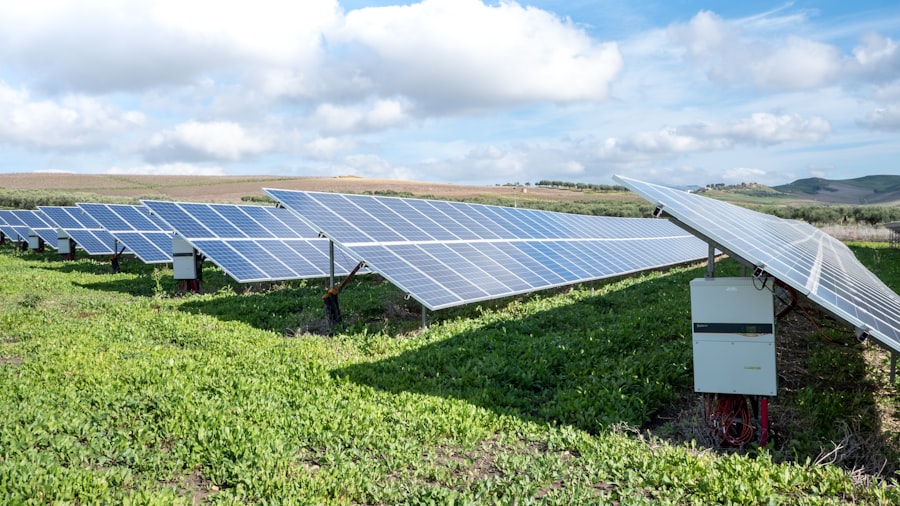
Throughout their career, the individual has amassed a remarkable portfolio of achievements that underscore their commitment to environmental advocacy. One of their most notable contributions was the successful campaign to establish protected areas in critical habitats. Through tireless lobbying efforts and public engagement, they played a key role in securing legislative support for the creation of national parks and wildlife reserves.
Their advocacy efforts led to the implementation of policies that incentivize solar and wind energy development, significantly reducing reliance on fossil fuels.
By collaborating with scientists and industry experts, they have helped to advance innovative technologies that contribute to a more sustainable energy future.
Leadership in Government
| Country | Leader | Approval Rating |
|---|---|---|
| United States | Joe Biden | 48% |
| United Kingdom | Boris Johnson | 42% |
| Germany | Angela Merkel | 56% |
Recognizing the importance of policy-making in driving environmental change, the individual transitioned into a leadership role within government. Appointed to a key position within an environmental agency, they leveraged their expertise to influence policy decisions at the highest levels. Their tenure was marked by a commitment to transparency and public engagement, ensuring that community voices were heard in the decision-making process.
Under their leadership, the agency implemented groundbreaking initiatives aimed at reducing carbon emissions and promoting sustainable practices across various sectors. They championed comprehensive climate action plans that integrated scientific research with practical solutions, garnering support from both political allies and opponents. Their ability to navigate complex bureaucratic structures while maintaining a focus on environmental integrity set a new standard for leadership in government.
Advocacy for Climate Change Action
As climate change emerged as one of the most pressing global challenges, the individual became a leading voice advocating for urgent action. They recognized that addressing climate change required not only policy changes but also a cultural shift towards sustainability. Through public speaking engagements and media appearances, they raised awareness about the impacts of climate change on ecosystems and communities.
Their advocacy efforts extended beyond national borders, as they participated in international conferences focused on climate action. By collaborating with global leaders and organizations, they helped to shape international agreements aimed at reducing greenhouse gas emissions. Their commitment to fostering global cooperation underscored the interconnectedness of environmental issues and the need for collective action.
Impact on Environmental Policy

The individual’s influence on environmental policy has been profound and far-reaching. Their work has led to the development of comprehensive regulations aimed at protecting air and water quality, preserving biodiversity, and mitigating climate change impacts. By advocating for science-based policies, they have ensured that decision-making is informed by the latest research and data.
One of their significant contributions was the introduction of legislation that mandates regular assessments of environmental health indicators. This proactive approach allows policymakers to identify emerging threats and implement timely interventions. Their emphasis on evidence-based policy-making has set a precedent for future environmental initiatives, reinforcing the importance of scientific integrity in governance.
Influence on Environmental Legislation
The individual’s expertise has been instrumental in shaping key pieces of environmental legislation that have had lasting impacts on communities and ecosystems. They played a crucial role in drafting laws aimed at reducing plastic pollution, promoting sustainable agriculture practices, and enhancing wildlife protection measures. Their collaborative approach ensured that diverse perspectives were considered during the legislative process.
Moreover, their advocacy efforts have led to increased funding for environmental programs at both state and federal levels. By effectively communicating the economic benefits of investing in sustainability, they garnered bipartisan support for initiatives that prioritize environmental health while stimulating economic growth. This strategic alignment of environmental goals with economic interests has proven essential in advancing legislative agendas.
Collaboration with Environmental Organizations
Recognizing that collaboration is key to achieving meaningful change, the individual has forged strong partnerships with various environmental organizations. By working alongside non-profits, academic institutions, and grassroots movements, they have amplified their impact and broadened their reach. These collaborations have resulted in successful campaigns that address pressing environmental issues at local, national, and global levels.
Their ability to bring together diverse stakeholders has fostered innovative solutions to complex challenges. For instance, through collaborative research initiatives, they have facilitated knowledge-sharing among scientists, policymakers, and community leaders. This interdisciplinary approach has led to the development of effective strategies for habitat restoration, pollution reduction, and climate resilience.
Public Awareness and Education Efforts
A cornerstone of the individual’s advocacy work has been their commitment to public awareness and education. Understanding that informed citizens are essential for driving change, they have developed educational programs aimed at raising awareness about environmental issues. These initiatives target schools, community organizations, and local governments, empowering individuals to take action in their own lives.
Through workshops, seminars, and outreach campaigns, they have engaged thousands of individuals in discussions about sustainability practices and climate action. Their emphasis on practical solutions—such as reducing waste, conserving energy, and supporting local ecosystems—has inspired many to adopt environmentally friendly habits. By fostering a culture of sustainability within communities, they have laid the groundwork for long-term change.
Legacy and Future Impact
As the individual reflects on their career thus far, it is evident that their legacy will be one of profound impact on environmental advocacy and policy. Their contributions have not only shaped current practices but have also inspired future generations of advocates to continue the fight for a sustainable planet. The initiatives they championed will serve as a foundation for ongoing efforts to address emerging environmental challenges.
Looking ahead, their vision remains focused on fostering resilience in communities facing climate change impacts. They are committed to mentoring young leaders in the field of environmental advocacy, ensuring that knowledge and passion are passed down to those who will carry the torch forward. Their belief in collective action continues to drive their efforts as they work towards a more sustainable future.
Personal Reflections and Interviews
In interviews reflecting on their journey, the individual often emphasizes the importance of perseverance in the face of adversity. They recount moments of frustration when progress seemed slow or when opposition arose from powerful interests resistant to change. However, these challenges only strengthened their resolve to advocate for what they believe is right.
Their personal reflections also highlight the joy derived from witnessing positive change within communities. Whether it’s seeing a once-polluted river restored or observing increased public engagement in sustainability efforts, these moments serve as reminders of why they embarked on this path in the first place. The individual’s story is one of resilience, passion, and an unwavering commitment to protecting our planet for generations to come.
In summary, this article chronicles the life journey of an influential figure in environmental advocacy who has made significant contributions across various domains—from grassroots activism to government leadership. Their achievements reflect a deep commitment to sustainability and climate action while fostering collaboration among diverse stakeholders. As they continue to inspire future generations through education and mentorship, their legacy will undoubtedly shape the future landscape of environmental policy and advocacy efforts worldwide.