Now Reading: The History of Coca Cola: From Soda Fountain to Global Icon
-
01
The History of Coca Cola: From Soda Fountain to Global Icon
The History of Coca Cola: From Soda Fountain to Global Icon

Coca-Cola’s inception can be traced back to the late 19th century, specifically to 1886, when Dr. John Stith Pemberton, a pharmacist in Atlanta, Georgia, concocted a syrup intended to serve as a medicinal tonic. Initially marketed as a cure for various ailments, including headaches and nervous disorders, the original formula contained coca leaf extract and kola nuts, which provided caffeine.
This unique blend was sold at Jacobs’ Pharmacy, where it was mixed with carbonated water and served as a refreshing beverage. The drink quickly gained popularity among patrons seeking relief from their ailments, marking the transition from a patent medicine to a soda fountain staple. The early marketing strategies employed by Pemberton were innovative for the time.
He offered free samples and utilized local advertising to promote his product. By 1888, Pemberton had sold the rights to Coca-Cola to Asa Candler, who recognized the potential for mass production and distribution. Candler’s aggressive marketing tactics transformed Coca-Cola into a household name, establishing it as a refreshing beverage rather than merely a medicinal tonic.
This shift laid the groundwork for Coca-Cola’s future success and its evolution into one of the most recognized brands globally.
Key Takeaways
- Coca Cola originated as a patent medicine before becoming a popular soda fountain drink.
- The company grew from a local business in Atlanta to a global beverage corporation.
- Coca Cola’s branding evolved with packaging changes, from glass bottles to aluminum cans.
- The brand has played a significant role in American culture through iconic advertising and media presence.
- Coca Cola continues to innovate with new flavors, sustainable packaging, and global philanthropic efforts.
The Coca Cola Company: From Local Business to Global Corporation
The Coca-Cola Company began as a small enterprise but rapidly expanded under Candler’s leadership. By the turn of the 20th century, the company had established bottling franchises across the United States, allowing for widespread distribution. Candler’s vision was not only to sell a beverage but to create an experience around it.
He introduced the iconic contour bottle in 1915, which became synonymous with the brand and helped distinguish it from competitors. This innovative packaging played a crucial role in Coca-Cola’s branding strategy, making it instantly recognizable. As the company grew, so did its marketing efforts.
The introduction of catchy slogans and jingles in the 1920s and 1930s helped solidify Coca-Cola’s place in American culture. The company’s commitment to quality and consistency ensured that consumers could enjoy the same taste regardless of location. By the mid-20th century, Coca-Cola had become a global corporation, with operations in numerous countries and a diverse product line that included various soft drinks and beverages.
This expansion was fueled by strategic acquisitions and partnerships, allowing Coca-Cola to maintain its competitive edge in an increasingly crowded market.
The Evolution of the Coca Cola Brand: From Glass Bottles to Aluminum Cans
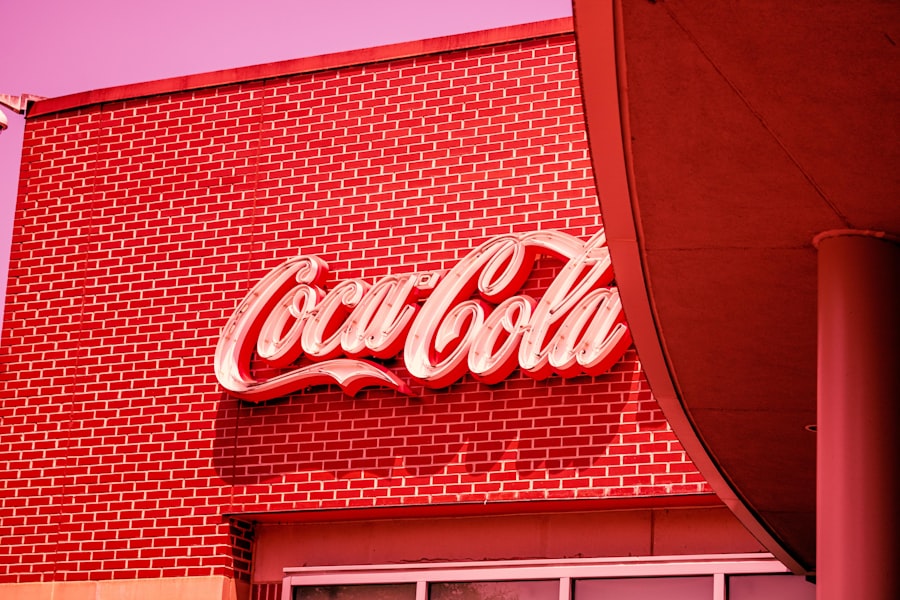
Coca-Cola’s branding has undergone significant transformations since its inception. Initially sold in glass bottles, the company recognized the need for more convenient packaging options as consumer preferences evolved. In the 1960s, Coca-Cola began experimenting with aluminum cans, which offered several advantages over glass, including lighter weight and reduced breakage risk.
The introduction of plastic bottles in the 1970s further revolutionized Coca-Cola’s packaging strategy. These lightweight containers allowed for greater portability and were less prone to shattering than glass bottles.
The brand’s commitment to innovation continued with the development of eco-friendly packaging solutions in recent years, such as plant-based bottles and recyclable materials. This evolution reflects Coca-Cola’s adaptability to changing consumer preferences while maintaining its iconic branding elements, such as the distinctive red color and cursive logo.
Coca Cola’s Role in American Culture: From Advertising Jingles to Super Bowl Commercials
Coca-Cola has played an integral role in shaping American culture through its advertising campaigns. The brand’s catchy jingles and memorable slogans have become part of the cultural lexicon. One of the most famous jingles, “I’d Like to Buy the World a Coke,” debuted in 1971 and encapsulated the spirit of unity and togetherness that Coca-Cola sought to promote.
This campaign resonated with consumers during a time of social upheaval, reinforcing the brand’s image as a symbol of happiness and connection. In contemporary times, Coca-Cola has continued to leverage high-profile advertising opportunities, such as Super Bowl commercials, to reach vast audiences. These commercials often feature star-studded casts and elaborate production values, showcasing the brand’s commitment to creativity and innovation.
By aligning itself with major cultural events, Coca-Cola has solidified its status as an iconic American brand that transcends generations.
The Global Expansion of Coca Cola: From Atlanta to Every Corner of the World
| Metric | Value | Year |
|---|---|---|
| Revenue | 46.0 billion | 2023 |
| Net Income | 9.5 billion | 2023 |
| Market Share (Global Soft Drinks) | 43% | 2023 |
| Number of Employees | 86,200 | 2023 |
| Brands Owned | 500+ | 2023 |
| Global Bottling Partners | 225+ | 2023 |
Coca-Cola’s global expansion is a testament to its successful business model and marketing strategies. The company entered international markets in the early 20th century, beginning with Canada and Mexico before expanding into Europe and Asia. Today, Coca-Cola operates in over 200 countries, making it one of the most widely distributed beverages worldwide.
This extensive reach is supported by a robust supply chain and localized marketing efforts that cater to diverse consumer preferences. The company’s ability to adapt its product offerings to suit regional tastes has been crucial in its global success. For instance, Coca-Cola has introduced unique flavors and formulations in various markets, such as Fanta Mango in India and Coca-Cola with Coffee in Japan.
This flexibility allows Coca-Cola to resonate with local consumers while maintaining its core brand identity.
Coca Cola’s Impact on Pop Culture: From Polar Bears to Santa Claus
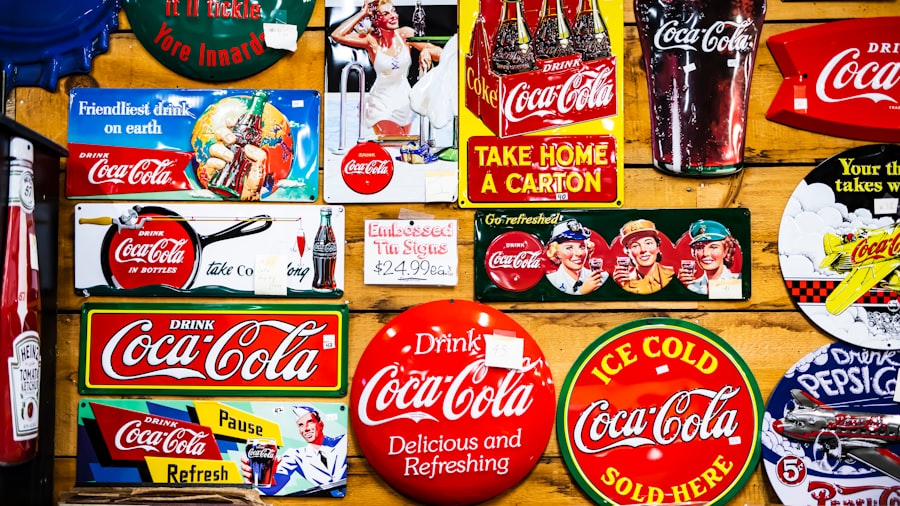
Coca-Cola’s influence on pop culture is profound, with iconic imagery that has become synonymous with the brand. The company’s marketing campaigns have introduced beloved characters such as the Coca-Cola polar bears and Santa Claus, both of which have become cultural symbols during the holiday season. The polar bears first appeared in advertisements in 1993 and quickly became associated with winter festivities, embodying warmth and joy.
The portrayal of Santa Claus in Coca-Cola advertisements has also left an indelible mark on popular culture. In the 1930s, artist Haddon Sundblom created illustrations of Santa enjoying Coca-Cola, which helped shape the modern image of Santa as a jolly figure dressed in red and white. This association not only boosted sales during the holiday season but also reinforced Coca-Cola’s position as a staple beverage during festive celebrations.
The Controversies Surrounding Coca Cola: From Health Concerns to Environmental Issues
Despite its success, Coca-Cola has faced numerous controversies over the years. Health concerns related to sugar consumption have been at the forefront of public discourse, particularly as obesity rates have risen globally. Critics argue that sugary beverages contribute significantly to health issues such as diabetes and heart disease.
In response, Coca-Cola has diversified its product line to include low-calorie and zero-sugar options, aiming to address consumer health concerns while maintaining market share. Environmental issues have also plagued the company, particularly regarding water usage and plastic waste. Critics have accused Coca-Cola of depleting local water resources in certain regions where it operates bottling plants.
In response to these criticisms, Coca-Cola has implemented sustainability initiatives aimed at reducing its environmental footprint. These efforts include water conservation programs and commitments to recycle or reuse packaging materials by 2030.
Coca Cola’s Influence on the Beverage Industry: From Competitor Rivalries to Market Dominance
Coca-Cola’s dominance in the beverage industry is unparalleled, influencing competitors and shaping market trends. The company’s strategic acquisitions have allowed it to expand its portfolio beyond carbonated soft drinks into categories such as bottled water, juices, and energy drinks. This diversification has positioned Coca-Cola as a leader in various beverage segments while creating rivalries with other major players like PepsiCo.
The competitive landscape has prompted innovation within the industry as companies strive to capture market share. Coca-Cola’s introduction of new flavors and limited-edition products has set trends that competitors often follow. Additionally, its marketing strategies have raised the bar for advertising standards across the industry, compelling other brands to adopt similar approaches to engage consumers effectively.
The Innovation of Coca Cola: From New Flavors to Sustainable Packaging
Innovation is at the heart of Coca-Cola’s strategy for maintaining relevance in an ever-evolving market. The company continually explores new flavors and product lines to cater to changing consumer preferences. Recent introductions include flavored sparkling waters and health-conscious beverages that align with current wellness trends.
Sustainability has also become a focal point for innovation within Coca-Cola. The company is actively pursuing eco-friendly packaging solutions, including plant-based bottles made from renewable resources.
These initiatives reflect a commitment to reducing plastic waste while appealing to environmentally conscious consumers. By investing in sustainable practices, Coca-Cola aims not only to enhance its brand image but also to contribute positively to global environmental efforts.
Coca Cola’s Philanthropic Efforts: From Community Engagement to Disaster Relief
Coca-Cola has long recognized its responsibility toward communities worldwide through various philanthropic initiatives. The company engages in community development programs that focus on education, health, and economic empowerment. Through partnerships with local organizations, Coca-Cola supports initiatives aimed at improving access to clean water and promoting healthy lifestyles.
In times of crisis, Coca-Cola has demonstrated its commitment to disaster relief efforts by providing financial support and resources during natural disasters or humanitarian crises. The company’s rapid response capabilities enable it to mobilize resources effectively when communities need assistance most. These philanthropic endeavors not only enhance Coca-Cola’s corporate social responsibility profile but also foster goodwill among consumers.
The Future of Coca Cola: From Adaptation to Sustainability
Looking ahead, Coca-Cola faces both challenges and opportunities as it navigates an increasingly complex global landscape. Consumer preferences are shifting toward healthier options and sustainable practices, prompting the company to adapt its strategies accordingly. By continuing to innovate its product offerings and invest in sustainable packaging solutions, Coca-Cola aims to remain relevant in a competitive market.
The company’s commitment to sustainability will be crucial for its long-term success. As environmental concerns grow among consumers, Coca-Cola must prioritize eco-friendly practices across its operations while maintaining profitability. By embracing sustainability as a core value rather than merely a trend, Coca-Cola can position itself as a leader in responsible business practices while continuing its legacy as one of the world’s most iconic brands.
In summary, Coca-Cola’s journey from a medicinal tonic to a global beverage powerhouse illustrates its adaptability and resilience over time. Through innovative marketing strategies, global expansion efforts, and a commitment to sustainability, Coca-Cola has solidified its place in both American culture and global markets while addressing contemporary challenges related to health and environmental impact.
Coca-Cola has long been a staple in the beverage industry, known for its iconic branding and global reach. The company’s marketing strategies often draw parallels to historical events and cultural celebrations. For instance, the article on Celebrating Columbus Day explores how brands like Coca-Cola can leverage historical narratives to connect with consumers and enhance their marketing campaigns. This connection highlights the importance of cultural relevance in advertising and brand positioning.
FAQs
What is Coca-Cola?
Coca-Cola is a carbonated soft drink produced by The Coca-Cola Company. It was invented in 1886 by John Stith Pemberton and is one of the most popular and widely recognized beverages in the world.
What are the main ingredients of Coca-Cola?
The main ingredients of Coca-Cola include carbonated water, high fructose corn syrup (or sugar in some countries), caramel color, phosphoric acid, natural flavors, and caffeine.
Where is Coca-Cola produced?
Coca-Cola is produced and distributed globally. The Coca-Cola Company operates bottling plants and distribution centers in numerous countries to serve local markets.
Is Coca-Cola caffeinated?
Yes, Coca-Cola contains caffeine. The caffeine content varies by product and serving size but typically ranges around 34 mg per 12-ounce (355 ml) can.
Are there different varieties of Coca-Cola?
Yes, The Coca-Cola Company offers several varieties, including Diet Coke, Coca-Cola Zero Sugar, Cherry Coke, and other flavored versions to cater to different tastes and dietary preferences.
Is Coca-Cola suitable for people with dietary restrictions?
Coca-Cola contains sugar and caffeine, so individuals with diabetes, caffeine sensitivity, or other dietary restrictions should consume it cautiously. Diet and zero-sugar versions are available for those seeking lower-calorie options.
What is the nutritional content of Coca-Cola?
A standard 12-ounce (355 ml) can of Coca-Cola contains approximately 140 calories, 39 grams of sugar, 0 grams of fat, and 0 grams of protein. It does not provide significant vitamins or minerals.
How should Coca-Cola be stored?
Coca-Cola should be stored in a cool, dry place away from direct sunlight. Once opened, it is best consumed within a few days and kept refrigerated to maintain freshness and carbonation.
Is Coca-Cola environmentally friendly?
The Coca-Cola Company has initiatives aimed at sustainability, including water conservation, recycling programs, and reducing carbon emissions. However, the environmental impact of plastic bottles and packaging remains a concern.
Can Coca-Cola be used in recipes or cooking?
Yes, Coca-Cola is sometimes used as an ingredient in recipes, such as marinades, sauces, and desserts, due to its sweetness and acidity which can enhance flavor and tenderize meat.