
Now Reading: The Fox Hollow Murders
-
01
The Fox Hollow Murders
The Fox Hollow Murders

Unraveling the Mystery: The Dark Legacy of the Fox Hollow Murders
In the quiet, unassuming town of Fox Hollow, Indiana, a chilling tale of deceit, horror, and unresolved mysteries lurks beneath the surface. The Fox Hollow Murders, a series of brutal killings that took place in the late 1990s, have left a dark legacy that continues to haunt the community and intrigue true crime enthusiasts. As the investigation unfolded, questions arose about the identity of the killer, the motivations behind the heinous acts, and the chilling connections to the area’s seemingly idyllic suburban life.
This blog post delves deep into the shadowy events that transpired at Fox Hollow Farm, exploring the chilling details of the crimes, the psychological complexities of the perpetrator, and the impact on the victims’ families and the community. Join us as we unravel the layers of this tragic tale, seeking to understand the dark legacy that still grips the town and its residents two decades later.
Introduction to the Fox Hollow Murders
The Fox Hollow Murders remain one of Indiana’s most chilling and enigmatic criminal cases, casting a long shadow over the quiet suburban landscape of Westfield. In the mid-1990s, the serene façade of this affluent community was shattered by a series of gruesome discoveries that would forever alter its reputation. Over the course of a few years, the remains of at least five young men were found buried in the sprawling grounds of Fox Hollow Farm, a picturesque estate owned by the enigmatic figure, Herb Baumeister.
As the investigation unfolded, it revealed a harrowing tale of deceit, psychological manipulation, and unspeakable violence. Baumeister, who initially appeared to be a successful businessman and devoted family man, was ultimately identified as the prime suspect in these heinous crimes. What made the Fox Hollow Murders particularly haunting was the juxtaposition of the idyllic setting against the dark secrets lurking beneath its surface, leading many to question how such horror could exist in a seemingly peaceful community.
This introduction to the Fox Hollow Murders sets the stage for a deeper exploration of the case, delving into the lives of the victims, the psychological profile of the perpetrator, and the investigative missteps that allowed the case to remain cold for far too long. As we unravel this chilling chapter in true crime history, we invite you to join us on a journey through the shadows of Fox Hollow, where the echoes of the past still resonate today.
Historical Context: The Setting of the The Fox Hollow Murders
To fully grasp the chilling narrative of the Fox Hollow Murders, one must first delve into the historical context that envelops this haunting series of events. Located in the serene countryside of Indiana, Fox Hollow Farm once stood as a picturesque landscape, dotted with rolling hills and surrounded by lush woodlands that seemed to whisper secrets of a bygone era. The farm, a sprawling estate that dates back to the early 20th century, was initially a symbol of pastoral beauty and tranquility, attracting families seeking an idyllic retreat from urban life.
However, beneath this façade of charm lingered a macabre reality. In the late 1990s, the serene ambiance of Fox Hollow Farm became the backdrop for a series of heinous crimes that would forever tarnish its legacy. The murders, attributed to a single perpetrator, unfolded against a backdrop of social upheaval and shifting attitudes toward crime and morality in America. This was a time when the nation was grappling with rising crime rates, the emergence of serial killers, and a growing fascination with true crime that captivated the public’s imagination.
The farm’s wooded areas, once a playground for children and a sanctuary for wildlife, became an ominous site of discovery as investigators unearthed the grim realities hidden within its confines. The juxtaposition of the farm’s tranquil setting against the brutality of the crimes committed there created an unsettling dichotomy that continues to resonate in the collective memory of the community.
As we explore the Fox Hollow Murders, understanding this historical context is crucial, as it provides insight into the societal influences and dark undercurrents that shaped the events of that harrowing time. This intricate tapestry of history, crime, and human nature weaves a story that is not only about the victims and the killer but also about the place that witnessed it all—Fox Hollow Farm.
Overview of the Victims: Who Were They?
The Fox Hollow Murders, shrouded in darkness and intrigue, involved a series of tragic events that left a profound impact on the community of Indianapolis in the late 1990s. Understanding the victims is essential to unraveling the layers of this chilling narrative.
The victims, primarily young men, were drawn into a web of deception, often lured by the promise of companionship or opportunities that turned sinister. Each of these individuals had their own unique stories, dreams, and aspirations, and their untimely deaths are a stark reminder of the vulnerabilities that can lead to tragic outcomes.
Among them was the vibrant and affable 18-year-old, a recent high school graduate with aspirations of becoming an artist, whose life was cut short before he could realize his potential. Then there was the aspiring musician, whose talent shone brightly, but whose life was tragically extinguished just as he was beginning to find his voice in the city’s vibrant music scene. Another victim, a 26-year-old who had recently come out as gay, was navigating the complexities of identity and acceptance, only to find himself ensnared in a nightmare that would forever alter the lives of those who loved him.
Each victim’s story adds depth to the haunting narrative of the Fox Hollow Murders, painting a poignant picture of what was lost in the shadows of crime. As investigators pieced together the grim puzzle, the humanity of these individuals emerged, urging us to remember them not just as victims, but as young men with dreams, families, and lives that were brutally interrupted. By exploring who they were, we not only honor their memories but also gain insight into the alarming social dynamics and the chilling reality that allowed such horrors to unfold.

The Investigation Begins: Initial Discoveries
As the sun dipped below the horizon on that fateful evening in 1995, the tranquil facade of Fox Hollow Farm began to unravel. The initial discovery, a series of decomposed remains found in a remote wooded area near the property, sent shockwaves through the small community of Indianapolis. What had once been a serene landscape filled with the sounds of nature was soon dominated by the ominous presence of law enforcement.
Detectives arrived on the scene, armed with flashlights that pierced the encroaching darkness, illuminating not only the physical evidence but also the chilling reality of the situation. The bodies, hidden beneath layers of leaves and soil, were revealed to be the remains of young men who had gone missing in recent months—a heartbreaking realization that ignited a firestorm of fear and speculation among local residents.
As forensic teams began their meticulous work, examining the site for clues, the investigation quickly expanded. Each victim told a story, and with every revelation came more questions than answers. Eyewitness accounts surfaced, painting a portrait of a community on edge, where whispers of a predator lurking in plain sight sent shivers down the spines of neighbors. The discovery of personal belongings, such as clothing and identification cards, added to the growing sense of urgency as detectives pieced together a timeline of events leading up to the tragic losses.
The investigation began to take shape, but it was clear that the task ahead was monumental. Detectives delved into the lives of the victims, searching for connections and motives while grappling with the broader implications of their findings. Each lead brought them closer to understanding the dark legacy of Fox Hollow Farm, a seemingly idyllic setting now tainted by horror. As the case unfolded, it became evident that this was only the beginning of a long and harrowing journey into the depths of human depravity and the quest for justice.
The Role of Herb Baumeister: Suspicions and Allegations (The Fox Hollow Murders)
Herb Baumeister, a seemingly unremarkable figure in the suburban landscape of Indianapolis, became a focal point in the unsettling narrative of the Fox Hollow murders. Known to friends and family as a successful businessman and a devoted husband, Baumeister’s life concealed a darker underbelly that would ultimately lead to haunting suspicions and chilling allegations. As investigators began piecing together the disturbing puzzle of the missing men, all signs pointed ominously in his direction.
In the late 1990s, the disappearances of several young gay men in the Indianapolis area raised alarms within the community, prompting an extensive investigation. Baumeister’s name surfaced amidst whispers of his peculiar behavior and his troubling past. He owned a sprawling estate known as Fox Hollow Farm, where the murky waters of his dual existence began to swirl. Friends recounted instances of Baumeister’s bizarre and often unsettling interactions, which hinted at a more sinister personality lurking beneath his polished facade.
Allegations soon emerged, revealing an unsettling pattern. Survivors recounted harrowing tales of encounters with a man who matched Baumeister’s description, detailing experiences that ranged from manipulation to outright danger. The chilling connection to the missing men became undeniable as the authorities delved deeper into Baumeister’s life. With each revelation, the facade of normalcy around him began to crumble, exposing the complex interplay of denial, deceit, and desperation that had long obscured his true nature.
As the investigation intensified, Baumeister’s behavior grew increasingly erratic. His erratic emotional swings and growing paranoia did not go unnoticed; friends and family began to express their concerns about his mental well-being. The pressure mounted, leading to a frantic search for the truth that left a trail of unanswered questions and unresolved pain.
Ultimately, the story of Herb Baumeister is one marked by contradictions—a respected community figure, yet potentially a monstrous predator. As investigators raced against time to uncover the truth behind the Fox Hollow murders, the shadows of suspicion loomed ever larger around Baumeister, his legacy entwined with the dark mystery that continues to haunt the region to this day.
The Unraveling of Evidence: Key Findings
The Fox Hollow Murders, a chilling chapter in Indiana’s criminal history, are shrouded in mystery and complexity, with the unraveling of evidence providing a haunting glimpse into the depths of human depravity. As investigators sifted through the remnants of a once-quiet suburban life, they uncovered a series of key findings that would illuminate the dark corners of this tragic saga.
One of the most significant pieces of evidence was the discovery of several bodies buried in the wooded areas surrounding the Fox Hollow Farm. Initially overlooked in the chaos of the investigation, these remains would later be confirmed as belonging to missing men who had vanished under suspicious circumstances. The grim task of identification was compounded by the state of the remains, which had been exposed to the elements for extended periods, complicating forensic analysis.
Additionally, the meticulous examination of the property revealed disturbing artifacts—a collection of personal belongings, including clothing and identification cards, which suggested a more extensive pattern of predation than previously suspected. These items served as a chilling reminder of the lives that had been abruptly ended, each one telling a silent story of tragedy and loss.
Eyewitness accounts further contributed to the unfolding narrative. Neighbors began to piece together their own observations, recalling strange occurrences around the farm—sudden disappearances, unusual late-night activities, and the unsettling presence of the property’s owner, who remained a figure of suspicion throughout the investigation. Law enforcement’s tireless efforts to compile these accounts created a composite of events that painted a vivid yet horrifying picture of life at Fox Hollow.
Moreover, advances in forensic science, including DNA analysis, played a crucial role in connecting the dots between the victims and the prime suspect. The intertwining of technology and traditional investigative techniques highlighted the relentless pursuit of justice and truth—a pursuit that often felt like peeling back layers of an onion, revealing the raw, emotional core beneath the surface.
Together, these key findings not only shed light on the heinous acts committed at Fox Hollow but also raised questions about the community’s complicity and the systemic failures that allowed such atrocities to unfold. As the investigation progressed, it became clear that the dark legacy of the Fox Hollow Murders would not be easily forgotten, leaving a lasting impact on the victims’ families and the broader community grappling with the haunting memories of a past that would forever echo in their lives.
The Search for Justice: Law Enforcement’s Challenges
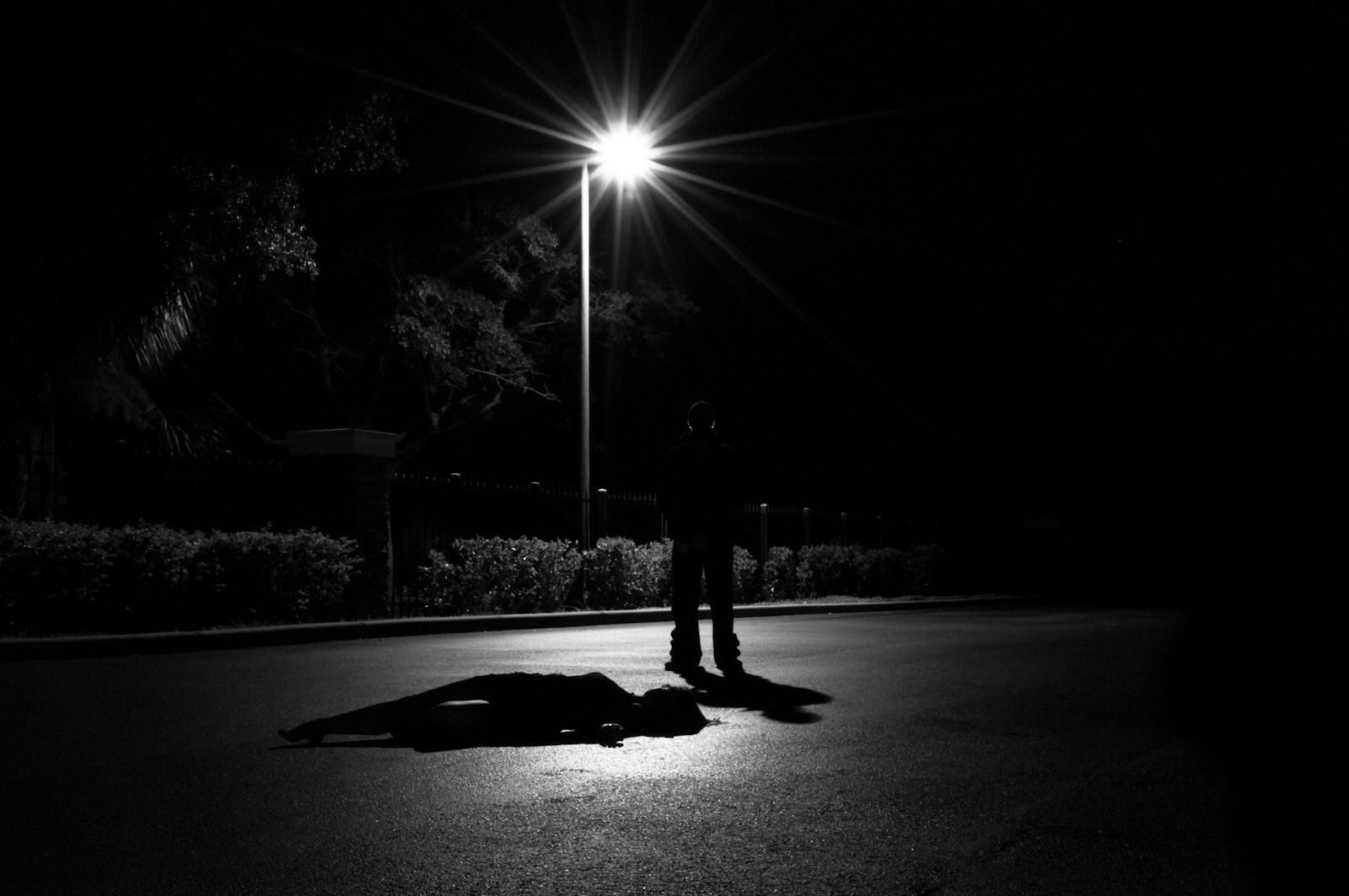
The pursuit of justice in the Fox Hollow Murders was fraught with complexities that presented formidable challenges to law enforcement. As investigators delved into the chilling details surrounding the case, they encountered a labyrinth of misinformation, community fear, and the haunting specter of a killer still at large.
From the outset, the sheer number of victims—individuals whose lives were tragically cut short—added layers of urgency to the investigation. Each discovery unearthed not only more evidence but also more questions, as detectives struggled to establish a clear timeline and connection among the victims. The victims were often young men from varied backgrounds, and this diversity complicated the task of finding commonalities that could lead to a suspect.
Moreover, as the investigation progressed, law enforcement faced significant hurdles in garnering public cooperation. A palpable sense of dread permeated the community; residents were not only fearful but also hesitant to speak out, worried about potential repercussions. This silence made it even more difficult for police to gather critical information that could have illuminated the path to justice.
The investigative timeline was further complicated by the evolving landscape of forensic technology. In the late 1990s, when the murders took place, forensic science was still in its relative infancy. As new techniques emerged, cold cases like the Fox Hollow Murders began to receive renewed attention, but this also meant that investigators had to sift through decades-old evidence, hoping that advancements in technology could finally provide the answers that eluded them for so long.
Despite the numerous challenges, law enforcement remained steadfast in their commitment to solving the case. They employed a mix of traditional investigative techniques and modern forensic methods, striving to piece together the chilling puzzle of the Fox Hollow Murders. The quest for justice not only involved identifying the perpetrator but also restoring a sense of security to a community forever altered by tragedy. As the search continued, the haunting echoes of the past lingered, serving as a constant reminder of the importance of resolution for the victims and their families.
Media Coverage and Public Reaction (The Fox Hollow Murders)
The Fox Hollow Murders, a chilling chapter in the annals of true crime, were catapulted into the public consciousness not just by their grisly nature, but by the intense media coverage that surrounded them. As the story unfolded in the late 1990s, journalists and news outlets clamored to uncover the details behind the heinous acts committed by the man dubbed the “I-70 Killer.” Headlines screamed from newspapers, and television segments dissected each piece of evidence, fueling a national obsession with the case.
The media frenzy created a double-edged sword. On one hand, it brought attention to the tragic narratives of the victims, humanizing them in a story often dominated by the chilling persona of the killer. Families were thrust into the spotlight, their anguish and loss laid bare for all to see. This exposure, while painful, also sparked a collective outrage and sympathy that resonated deeply with the public, uniting them in a quest for justice. Grassroots movements emerged, with locals advocating for better safety measures and increased police vigilance, underscoring the community’s desire to reclaim their peace.
On the other hand, the relentless pursuit of sensationalism often veered into the territory of misinformation. As rumors spread and speculation ran rampant, the line between fact and fiction blurred, leading to a growing mistrust of the media’s portrayal of the events. Some articles sensationalized details to draw in viewers, overshadowing the gravity of the crimes and the pain experienced by those affected. This chaotic narrative landscape left many grappling with conflicting information, intensifying public anxiety and fear.
As the investigation progressed and the killer’s identity was revealed, the public reaction oscillated between relief and horror. The media’s role in amplifying details of the case meant that the community was not only mourning the loss of lives but also grappling with the realization that such darkness could lurk so close to home. The Fox Hollow Murders became a haunting reminder of vulnerability, igniting conversations about safety, mental health, and the responsibility of media outlets to report with sensitivity and accuracy.
In the aftermath, the case continued to evolve in the public eye, with documentaries and podcasts delving deeper into the chilling legacy of the events. This ongoing interest illustrates how media coverage can shape not only perceptions but also collective memory, ensuring that the haunting echoes of the Fox Hollow Murders endure long after the last headline fades.
The Psychology of a Serial Killer: Understanding Baumeister
To comprehend the chilling narrative of the Fox Hollow Murders, one must delve into the complex psychology of its perpetrator, Herb Baumeister. A seemingly ordinary man on the surface, Baumeister’s life was marked by contradictions that painted a portrait of a deeply disturbed individual. Raised in a middle-class family, he appeared to fit the mold of the quintessential suburban father and husband. However, beneath this veneer of normalcy lay a dark psyche characterized by profound emotional turmoil and a disturbing compulsion to kill.
Baumeister’s psychological profile reveals a blend of traits commonly associated with serial killers: a lack of empathy, a desire for control, and an overwhelming need to exert power over his victims. Many experts believe that his background played a significant role in shaping his violent tendencies. Growing up in a family where he experienced neglect and emotional abuse, Baumeister developed a distorted sense of self-worth, often seeking validation through domination and violence.
His ability to navigate social situations and maintain a façade of respectability further complicates the understanding of his character. Friends and acquaintances described him as personable and polite, yet those who knew him well spoke of unsettling behaviors that hinted at his darker inclinations. The duality of his existence—an outwardly charming individual who harbored murderous impulses—raises critical questions about the nature of evil and the factors that contribute to it.
Moreover, Baumeister’s choice of victims—young gay men—adds another layer of complexity to his psyche. This targeting may reflect his own internal conflicts regarding sexuality and identity, suggesting that his acts of violence were not only about control but also an expression of deep-seated hatred and fear. As investigators pieced together the gruesome evidence of his crimes, it became apparent that understanding Baumeister’s psychological motivations is essential to unraveling the tragic legacy of the Fox Hollow Murders.
By examining his life, we glean insights into the mind of a killer, allowing us to confront the uncomfortable truths about the nature of violence and the profound mysteries that lie within the human psyche.

The Aftermath: Impact on the Local Community
The aftermath of the Fox Hollow Murders left an indelible mark on the local community, reverberating through its streets, homes, and hearts. What was once a peaceful suburban enclave transformed into a somber landscape shrouded in fear and suspicion. Residents who had previously enjoyed the comfort of their close-knit neighborhood found themselves grappling with an unsettling reality—one of their own had committed unspeakable acts.
In the wake of the murders, conversations shifted from casual greetings to hushed whispers. Community gatherings became tinged with an undercurrent of anxiety, as trust among neighbors began to erode. The local police department faced immense pressure to restore safety, prompting increased patrols and heightened vigilance. Yet, even with these measures, the fear of the unknown loomed large, as residents wondered who might be lurking in their midst.
The psychological toll on the community was profound. Many experienced a collective trauma, leading to an increase in anxiety and paranoia. Families tightened their security measures, investing in alarm systems and outdoor lighting, while children were often kept indoors, away from the perceived dangers that now permeated their once-safe surroundings.
Moreover, the events surrounding the Fox Hollow Murders sparked deeper conversations about mental health, crime, and the complexities of human behavior. Local organizations began to offer support groups for those struggling with the emotional aftermath, creating a space for healing and understanding in a fractured community.
Businesses, too, felt the impact of the tragedy. Foot traffic dwindled as potential customers stayed away, unsure of their surroundings. Some shops closed their doors for good, unable to withstand the economic strain brought on by the lingering shadow of the murders. Those that remained adapted by fostering a sense of community resilience, hosting events that encouraged neighbors to come together in solidarity and support.
As time passed, the community sought to reclaim its narrative, moving from fear to empowerment. Memorials for the victims were erected, serving as poignant reminders of the lives lost and the importance of compassion and connection. The Fox Hollow Murders may have left scars, but the resolve of the community to heal and find strength in unity became a testament to their enduring spirit. In a place once marked by tragedy, the efforts to rebuild trust and foster a sense of safety illustrate the resilience of a community determined to rise from the ashes of its dark legacy.
Theories and Speculations: What Really Happened? The Fox Hollow Murders
The Fox Hollow Murders have ignited a whirlwind of theories and speculations, each more chilling than the last. As investigators sifted through the remnants of a crime scene shrouded in secrecy, countless minds began to dissect the events that unfolded in the shadows of Fox Hollow Farm. One of the most prevalent theories suggests that the killer was not acting alone; whispers of a possible accomplice have long haunted the narrative, suggesting a deeper, more sinister network at play. The Fox Hollow Murders
Some speculators point to the psychological profile of the alleged murderer, a man whose life was marked by a series of violent outbursts and a disturbing obsession with control. This theory posits that his meticulously orchestrated acts were fueled by a need for dominance, revealing a psyche twisted by insecurity and rage. Others, however, believe that the motivation stemmed from a more personal vendetta, suggesting that the victims were not random but rather selected for specific reasons, perhaps linked to past grievances or unfulfilled desires.
Adding another layer of intrigue, paranormal enthusiasts have speculated about the farm’s haunted history, arguing that lingering spirits may play a role in the tragedies that unfolded. The juxtaposition of the bucolic landscape with the horrific events has led many to wonder if there are darker forces at work, compelling the living to revisit the site of their demise.
As theories swirl, the search for truth becomes a tangled web of speculation, each thread revealing more about the human condition than the murders themselves. The chilling uncertainty surrounding what really happened at Fox Hollow leaves us grappling with the very essence of fear, forcing us to confront the unsettling reality that sometimes, the answers we seek remain forever out of reach.
Legal Proceedings: Trials and Verdicts
The legal proceedings surrounding the Fox Hollow murders were as complex and chilling as the crimes themselves. After the discovery of multiple bodies on the property, the authorities launched an extensive investigation that quickly turned into a media frenzy. The investigation revealed a pattern of brutality and deception that left the community and the families of the victims grappling with heartbreak and unanswered questions. The Fox Hollow Murders
As the evidence mounted, the primary suspect emerged: herbicide and pesticide salesman, Frank D. McMullin. With a history of unsettling behavior and connections to the victims, he was arrested and charged with multiple counts of murder. The trials that followed were a spectacle, drawing attention from both the public and the media. The prosecution painted a harrowing picture of a man driven by dark impulses, while the defense sought to cast doubt on the evidence presented, arguing circumstantial connections rather than concrete proof.
Throughout the trials, the courtroom became a battleground of emotions. Family members of the victims sat in anguish, reliving the horrors of their loved ones’ disappearances and subsequent deaths with each testimony. Expert witnesses took the stand, dissecting forensic evidence and psychological profiles, attempting to unravel the mind of a killer. The air was thick with tension as jurors were faced with the daunting task of determining guilt or innocence amidst a cloud of fear and uncertainty.
Ultimately, after weeks of gripping testimony and deliberation, the jury reached a verdict. The verdict sent shockwaves through the community; some felt a sense of justice, while others remained unconvinced that the right man had been convicted. The subsequent sentencing brought about a mix of relief and lingering questions, as the dark legacy of the Fox Hollow murders continued to loom large in the lives of those affected.
Even years later, the legal proceedings surrounding the Fox Hollow murders remain a haunting chapter in the narrative of unsolved mysteries. The trials, the verdicts, and the aftermath have become part of a complex tapestry woven with themes of loss, justice, and the relentless pursuit of truth in the shadow of a tragedy that forever altered the lives of many.

Reflection on the Murders: Legacy and Lessons Learned
The Fox Hollow Murders, a chilling chapter in Indiana’s history, continue to haunt the collective consciousness of both the local community and true crime enthusiasts. As we reflect on these heinous crimes, it’s essential to consider not just the dark legacy left behind, but also the valuable lessons that can be gleaned from this tragic narrative.
The legacy of the Fox Hollow Murders is woven into the fabric of the town of Westfield. It serves as a stark reminder of the shadows that can lurk beneath the surface of seemingly quiet neighborhoods. The murders, which took place over a span of years, left a lasting impact on the community, instilling a sense of fear and mistrust. Families became increasingly vigilant, often looking over their shoulders, while the local authorities faced scrutiny regarding their investigative practices. This heightened awareness of security has since led to improvements in community policing and crime prevention strategies, demonstrating how tragedy can ignite change.
Moreover, the Fox Hollow case underscores the importance of mental health awareness. Many of those involved, including the perpetrator, exhibited signs that often go unnoticed until it’s too late. This tragedy has prompted discussions about the need for better mental health resources and support systems, particularly within communities where individuals may feel isolated or unheard. By fostering an environment where mental well-being is prioritized, we can hope to prevent future tragedies and create a more supportive community.
As we unravel the mystery of the Fox Hollow Murders, we must also engage in a broader conversation about the ethics of true crime narratives. The fascination with such dark stories can sometimes overshadow the very real consequences faced by the victims’ families. By approaching these narratives with sensitivity and respect, we not only honor the memories of those lost but also remind ourselves of the importance of empathy in storytelling. The Fox Hollow Murders
Ultimately, the legacy of the Fox Hollow Murders serves as a complex tapestry of fear, reflection, and growth. As we continue to remember and analyze this dark chapter, we are reminded that even the most harrowing events can lead to dialogues that inspire change, awareness, and a deeper understanding of the human experience. In honoring the past, we can cultivate a future that prioritizes safety, compassion, and vigilance against the darkness that can sometimes seep into our lives.
The Fox Hollow Estate: From Crime Scene to Tourist Attraction
The Fox Hollow Estate, once a serene and picturesque property nestled in the heart of Indiana, now carries an unsettling legacy that draws curious visitors from near and far. What was once a family home, filled with laughter and life, transformed into a chilling crime scene that witnessed the dark deeds of convicted serial killer Herb Baumeister in the 1990s. Today, this sprawling estate stands as a haunting reminder of the atrocities that unfolded within its walls, captivating true crime enthusiasts and ghost hunters alike.
As you approach the estate, the contrast between its idyllic surroundings and the sinister history becomes palpable. The manicured lawns and stately architecture evoke a sense of charm, but whispers of the past linger in the air, enticing those who dare to explore. Guided tours offer a glimpse into the life of the property, recounting Baumeister’s gruesome activities while also delving into the stories of the victims whose lives were tragically cut short.
The estate has also become a popular destination for paranormal investigations, with many claiming to have encountered unexplained phenomena during their visits. Ghostly sightings, cold spots, and strange sounds have been reported, further solidifying Fox Hollow’s reputation as a hotspot for the supernatural. These spine-chilling experiences attract thrill-seekers and skeptics alike, all eager to uncover the mysteries that shroud this infamous location.
In recent years, the Fox Hollow Estate has evolved beyond its dark past, hosting events like historical tours, ghost walks, and even themed parties that encourage guests to engage with its history—both the beautiful and the macabre. While some may visit out of morbid curiosity, others are drawn to the site’s complex narrative, a blend of tragedy and resilience that speaks to the human experience in the face of horror. The Fox Hollow Murders
As you leave the estate, the solemnity of its history weighs heavily on your mind. The Fox Hollow Estate serves as a haunting reminder of the darkness that can lurk beneath the surface of even the most tranquil settings, making it a compelling, if unsettling, attraction that continues to unravel the mystery of its dark legacy.
Conclusion: Unsolved Mysteries and Ongoing Questions
The Fox Hollow Murders remain an unsettling chapter in true crime history, shrouded in layers of mystery and unanswered questions. As we draw our exploration to a close, it’s essential to acknowledge the profound impact these horrific events have had on the community of Fox Hollow and the families of the victims. The lack of closure for those affected casts a long shadow, leaving behind a legacy of grief and speculation that continues to haunt the region.
While some aspects of the case have been thoroughly investigated, numerous details remain unresolved, tantalizing both amateur sleuths and seasoned investigators. Why did the perpetrator choose this secluded location, and what drove them to commit such heinous acts? The absence of concrete answers fuels ongoing debates within the true crime community, sparking theories that range from the plausible to the bizarre.
Moreover, the psychological implications of the murders invite further inquiry. What motivates a person to take lives in such a calculated manner, and how does such violence affect the fabric of a community? The questions linger, echoing through the pines of the surrounding woods and the quiet streets of suburban neighborhoods, where whispers of the past still resonate.
As we reflect on the Fox Hollow Murders, we are reminded that some mysteries may never be fully unraveled. The stories of the victims deserve to be honored, their lives remembered far beyond the tragedies that befell them. In the end, the legacy of the Fox Hollow Murders serves as a somber reminder of the darker aspects of human nature and the enduring search for truth in a world often filled with shadows.
As we draw the curtains on our exploration of the Fox Hollow Murders, we hope to have shed light on the chilling complexities surrounding this haunting case. The legacy of those tragic events reverberates through the years, serving as a stark reminder of the darker facets of human nature and the often-overlooked stories of victims. From the unsettling details of the investigation to the psychological intricacies of the perpetrator, the Fox Hollow Murders remain a poignant chapter in true crime history.
As we continue to unravel the mysteries of the past, let us remember the importance of awareness, justice, and compassion for those affected by such horrors. We encourage you to reflect on the lessons learned from this dark legacy and to stay vigilant in seeking the truth, wherever it may lead. Thank you for joining us on this journey into the shadows; may it inspire further inquiry and understanding into the complexities of human behavior and the pursuit of justice.


