Now Reading: The Evolution of Apple Products
-
01
The Evolution of Apple Products
The Evolution of Apple Products
In the mid-1970s, a revolutionary idea was born in a modest garage in Los Altos, California.
Their vision was to create personal computers that were accessible to the average consumer, a radical departure from the bulky, complex machines that dominated the market at the time.
The trio’s initial investment was a mere $1,300, but their ambition was boundless. They aimed to democratize technology, making it user-friendly and appealing to a broader audience. The early days of Apple were characterized by innovation and determination.
The first product, the Apple I, was hand-built by Wozniak and sold as a motherboard with basic components. This humble beginning laid the groundwork for what would become one of the most valuable companies in the world. By 1977, Apple had introduced the Apple II, which featured color graphics and an open architecture, allowing third-party developers to create software.
This move not only propelled Apple into the limelight but also established it as a pioneer in the burgeoning personal computing industry.
Key Takeaways
- Apple started in a garage and grew into a global brand, revolutionizing personal computing.
- The Apple I was the first step in changing the way people interacted with computers.
- The Macintosh was a game-changer in the world of computers, making them more user-friendly and accessible.
- The iPod changed the way we listen to music, making it more portable and convenient.
- The iPhone redefined communication and mobile technology, setting a new standard for smartphones.
The Apple I: The First Step in Revolutionizing Personal Computing
The Apple I, released in 1976, marked a significant milestone in the history of computing. Unlike its contemporaries, which were primarily targeted at hobbyists and engineers, the Apple I was designed with the end-user in mind. It came as a fully assembled circuit board, allowing users to connect their own keyboard and monitor.
This simplicity was revolutionary; it eliminated the need for extensive technical knowledge, making computing accessible to a wider audience. The impact of the Apple I extended beyond its technical specifications. It ignited a passion for personal computing among consumers and inspired a generation of developers to create software tailored for this new platform.
The introduction of BASIC programming language on the Apple I further encouraged users to engage with technology creatively. This early foray into personal computing set the stage for Apple’s future innovations and solidified its reputation as a leader in the tech industry.
The Macintosh: A Game-Changer in the World of Computers

In 1984, Apple launched the Macintosh, a groundbreaking product that would redefine personal computing. The Macintosh was notable for its graphical user interface (GUI), which allowed users to interact with their computers using visual icons and a mouse rather than text-based commands. This innovation made computing more intuitive and user-friendly, attracting a diverse range of users from various backgrounds.
The Macintosh’s debut was famously accompanied by a Super Bowl commercial directed by Ridley Scott, which positioned it as a revolutionary force against conformity in technology. The computer itself featured advanced capabilities for its time, including built-in graphics and sound capabilities. Despite initial struggles in sales, the Macintosh eventually gained traction and became synonymous with creativity and design, appealing particularly to graphic designers and artists.
The iPod: Changing the Way We Listen to Music
| Year | Units Sold | Revenue |
|---|---|---|
| 2001 | 125,000 | 5 million |
| 2002 | 600,000 | 65 million |
| 2003 | 2 million | 345 million |
| 2004 | 10 million | 3.73 billion |
In 2001, Apple introduced the iPod, a portable digital music player that would transform the music industry forever. With its sleek design and user-friendly interface, the iPod allowed users to carry thousands of songs in their pockets. This innovation coincided with the rise of digital music downloads, positioning Apple at the forefront of a seismic shift in how music was consumed.
The iPod’s success was bolstered by the launch of iTunes, a software platform that enabled users to purchase and organize their music collections seamlessly. The combination of hardware and software created an ecosystem that revolutionized music distribution and consumption. By 2010, over 300 million iPods had been sold, solidifying Apple’s dominance in the portable media player market and changing how artists interacted with their audiences.
The iPhone: Redefining Communication and Mobile Technology
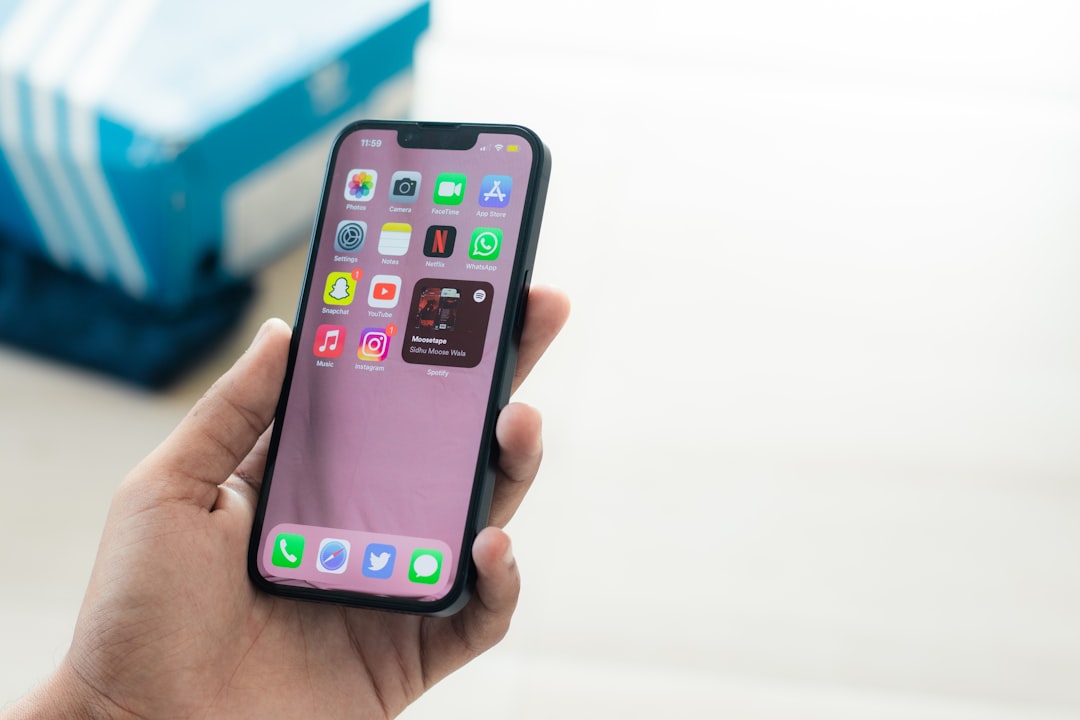
In 2007, Apple unveiled the iPhone, a device that would redefine communication and mobile technology. Combining a phone, an iPod, and an internet communicator into one sleek device, the iPhone set new standards for smartphones. Its multi-touch interface allowed users to navigate effortlessly through applications and features, making it an instant hit among consumers.
The introduction of the App Store in 2008 further expanded the iPhone’s capabilities by allowing third-party developers to create applications that enhanced user experience. This ecosystem fostered innovation and creativity, leading to millions of apps available for download. The iPhone not only changed how people communicated but also transformed industries such as photography, gaming, and social media.
The iPad: Introducing a New Era of Tablet Computing

In 2010, Apple launched the iPad, which introduced a new category of devices: tablet computers. The iPad combined elements of both laptops and smartphones, offering users a larger screen for browsing, reading, and consuming media while maintaining portability. Its intuitive interface and vast array of applications made it an attractive option for both casual users and professionals.
The iPad quickly gained popularity across various sectors, including education, business, and entertainment. Its versatility allowed it to be used for tasks ranging from note-taking to graphic design. By 2021, Apple had sold over 500 million iPads worldwide, solidifying its position as a leader in tablet computing.
The Apple Watch: Merging Fashion and Technology
In 2015, Apple entered the wearable technology market with the launch of the Apple Watch. This innovative device combined health tracking features with stylish design elements, appealing to both tech enthusiasts and fashion-conscious consumers. The Apple Watch offered functionalities such as heart rate monitoring, fitness tracking, and notifications from connected devices.
The integration of health-focused features positioned the Apple Watch as a valuable tool for personal wellness management. With apps designed for tracking workouts, sleep patterns, and even mindfulness practices, it became an essential accessory for those seeking to improve their health. By 2022, Apple Watch sales had surpassed 100 million units globally.
The Apple TV: Transforming the Way We Watch Television
Apple TV debuted in 2007 as a digital media player that allowed users to stream content from various sources directly to their televisions. Over time, it evolved into a comprehensive entertainment platform that included access to movies, TV shows, and original content through Apple TV+. This shift marked Apple’s entry into the competitive streaming market.
With features like Siri integration and support for 4K resolution, Apple TV transformed how consumers interacted with their television sets. The introduction of original programming on Apple TV+ further solidified Apple’s commitment to providing high-quality content while competing with established streaming giants like Netflix and Amazon Prime Video.
The Evolution of Apple’s Operating Systems: From Mac OS to iOS
Apple’s operating systems have undergone significant evolution since the company’s inception. Mac OS laid the foundation for desktop computing with its user-friendly interface and robust performance capabilities. Over time, it has adapted to meet changing user needs while incorporating advanced features such as Spotlight search and Mission Control.
It has continually evolved through regular updates that enhance security, performance, and user experience. Features like Face ID and augmented reality capabilities have kept iOS at the forefront of mobile technology innovation.
Apple’s Shift to Services: iCloud, Apple Music, and More
In recent years, Apple has shifted its focus from hardware sales to services as a significant revenue stream. With offerings like iCloud for cloud storage and backup solutions, Apple Music for streaming music services, and Apple Arcade for gaming subscriptions, the company has diversified its portfolio beyond traditional product sales. This strategic pivot has allowed Apple to create recurring revenue streams while enhancing customer loyalty through integrated services that complement its hardware offerings.
As of 2023, services accounted for over 20% of Apple’s total revenue—a testament to its successful transition into this new business model.
The Future of Apple: What’s Next for the Tech Giant
Looking ahead, Apple’s future appears bright as it continues to innovate across various sectors. With ongoing advancements in artificial intelligence (AI), augmented reality (AR), and health technology, Apple is poised to remain at the forefront of technological development. Rumors suggest that upcoming products may include augmented reality glasses or advancements in autonomous vehicle technology.
Additionally, Apple’s commitment to sustainability is expected to shape its future initiatives as it aims to reduce its carbon footprint significantly by 2030. As consumer preferences evolve towards eco-friendly products and services, Apple’s focus on sustainability will likely play a crucial role in maintaining its competitive edge. In summary, Apple’s journey from a garage startup to a global technology leader is marked by groundbreaking innovations that have transformed industries and consumer behavior alike.
From personal computing with the Macintosh to redefining communication through the iPhone and expanding into services like iCloud and Apple Music—Apple’s evolution reflects its commitment to innovation and excellence in technology. As it looks toward the future, Apple’s ability to adapt will be key in navigating an ever-changing technological landscape while continuing to captivate consumers worldwide.
If you’re a fan of Apple products, you may be interested in reading about the latest trends in technology. Check out this article on finding the right lawyer in 2025 for some key tips to consider when navigating the legal landscape. Apple’s sleek and innovative designs are always ahead of the curve, just like these tips for finding the perfect legal representation.
FAQs
What are Apple products?
Apple products are a line of electronic devices and software developed by Apple Inc. These products include the iPhone, iPad, Mac computers, Apple Watch, Apple TV, and various software applications such as iOS, macOS, and more.
What makes Apple products unique?
Apple products are known for their sleek design, user-friendly interface, and seamless integration across different devices. They also have a reputation for high-quality hardware and software, as well as a strong focus on privacy and security.
Where can I purchase Apple products?
Apple products can be purchased from Apple’s official website, Apple retail stores, authorized resellers, and various online and physical retailers around the world.
Do Apple products come with a warranty?
Yes, Apple products typically come with a limited warranty that covers hardware defects and malfunctions. Customers also have the option to purchase AppleCare for extended coverage and support.
Are Apple products compatible with other devices and software?
Apple products are designed to work seamlessly with each other through features like iCloud, AirDrop, and Handoff. They also have compatibility with a wide range of third-party devices and software through standards like Bluetooth, Wi-Fi, and industry-standard file formats.
Do Apple products receive regular software updates?
Yes, Apple products receive regular software updates that include new features, performance improvements, and security patches. These updates are typically available for several years after the initial release of the product.