
Now Reading: The Evolution of Apple Inc.: From Garage Startup to Global Powerhouse
-
01
The Evolution of Apple Inc.: From Garage Startup to Global Powerhouse
The Evolution of Apple Inc.: From Garage Startup to Global Powerhouse
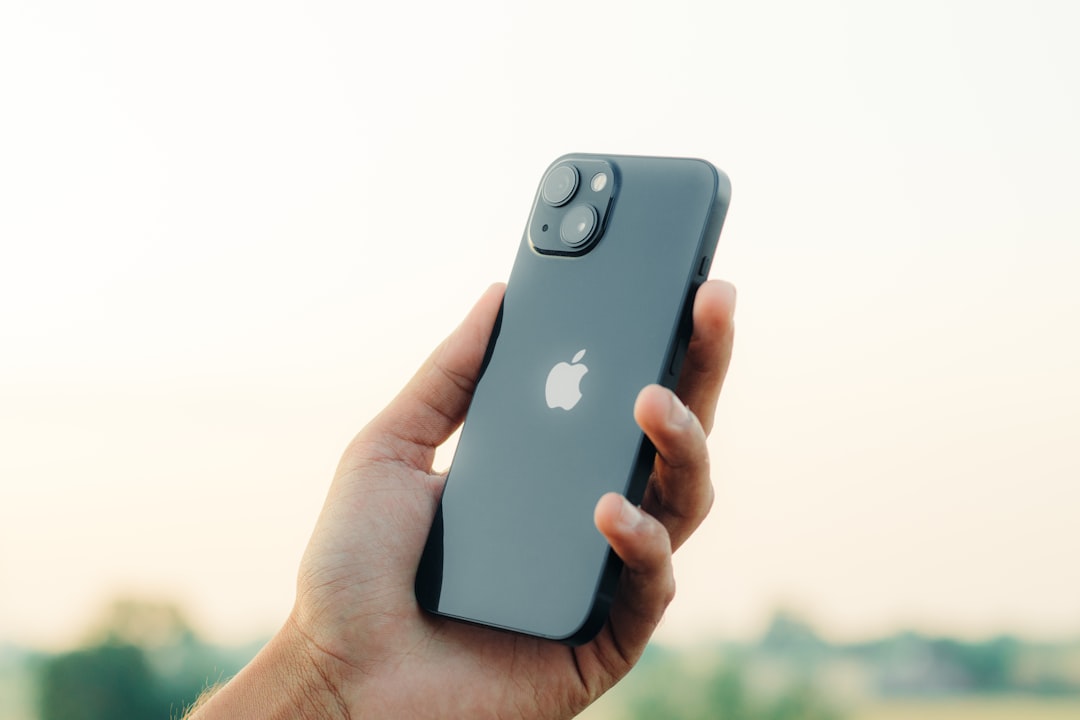
In the mid-1970s, a revolution was brewing in Silicon Valley, and at the heart of this transformation was a modest garage in Los Altos, California.
The duo’s vision was simple yet profound: to create a personal computer that was accessible to the average consumer.
Their first product, the Apple I, was a bare circuit board that required users to assemble their own cases and keyboards. Despite its rudimentary nature, the Apple I marked the inception of a new era in computing. The Apple I was introduced in 1976, and it quickly garnered attention from hobbyists and tech enthusiasts.
Priced at $666.66, it was a bold move that reflected the countercultural ethos of the time. The success of the Apple I laid the groundwork for the company’s future endeavors. In 1977, the introduction of the Apple II solidified Apple’s position in the burgeoning personal computer market.
With its color graphics and open architecture, the Apple II became a commercial success, selling over six million units and establishing Apple as a formidable player in the tech industry.
Key Takeaways
- Apple started in Steve Jobs’ garage and released its first computer in 1976.
- The Macintosh was a major success for Apple, setting the stage for future innovations.
- Apple struggled in the 1990s, facing financial difficulties and internal conflicts.
- Steve Jobs’ return to Apple in 1997 marked the beginning of the company’s renaissance.
- The iPod revolutionized the consumer electronics market and solidified Apple’s place as an industry leader.
The Rise of the Macintosh: Apple’s First Major Success
The Revolutionary Macintosh
The Macintosh was introduced with a memorable Super Bowl commercial directed by Ridley Scott, which positioned it as a revolutionary product that would challenge the status quo of computing.
Overcoming Initial Challenges
Despite its groundbreaking features, the Macintosh faced initial challenges in gaining market traction. Its high price point and limited software availability hindered widespread adoption. However, as developers began to create applications tailored for the Macintosh, its popularity began to grow.
A Milestone in Apple’s History
By 1985, Apple had sold over one million units, marking a significant milestone in its history. The Macintosh not only established Apple’s reputation for innovation but also set the stage for future advancements in personal computing.
The Dark Ages: Apple’s Struggles in the 1990s

The 1990s proved to be tumultuous for Apple as it grappled with internal strife and fierce competition from Microsoft. The company’s leadership underwent significant changes, leading to a lack of clear direction and vision. During this period, Apple released several products that failed to resonate with consumers, including the Newton MessagePad, an early attempt at a personal digital assistant (PDA) that was criticized for its high price and limited functionality.
As Windows-based PCs gained dominance in the market, Apple’s market share dwindled. By 1996, the company was on the brink of bankruptcy, with losses mounting and innovation stagnating. The once-innovative brand struggled to differentiate itself from competitors, leading to a decline in consumer loyalty.
This era is often referred to as Apple’s “dark ages,” characterized by uncertainty and a desperate need for revitalization.
The Return of Steve Jobs: Apple’s Renaissance
| Metrics | Data |
|---|---|
| Revenue | 7.98 billion |
| Net Income | 1.05 billion |
| Mac Sales | 1.61 million units |
| iPod Sales | 10.55 million units |
| iPhone Sales | 1.12 million units |
In 1997, Steve Jobs returned to Apple after a lengthy absence, having been ousted from the company he co-founded in 1985. His return marked a turning point for Apple as he implemented sweeping changes aimed at revitalizing the brand. One of his first moves was to streamline Apple’s product line, eliminating underperforming products and focusing on core offerings that showcased innovation and design excellence.
Jobs introduced the iMac in 1998, a striking all-in-one computer that combined aesthetics with functionality. Its translucent design and vibrant colors captured consumer attention and signaled a new era for Apple. The iMac’s success reinvigorated Apple’s brand image and set the stage for future innovations.
Under Jobs’ leadership, Apple began to prioritize user experience and design, principles that would become hallmarks of its products moving forward.
The iPod Revolution: Apple’s Entry into the Consumer Electronics Market
The launch of the iPod in 2001 marked Apple’s entry into the consumer electronics market and transformed how people consumed music. With its sleek design and intuitive interface, the iPod quickly became a cultural phenomenon. It allowed users to carry thousands of songs in their pockets, revolutionizing the music industry and paving the way for digital downloads.
The iTunes Store, launched in 2003, complemented the iPod by providing a legal platform for purchasing music online. This integration of hardware and software created a seamless ecosystem that appealed to consumers. By 2007, Apple had sold over 100 million iPods, solidifying its position as a leader in portable music devices.
The success of the iPod not only boosted Apple’s revenue but also laid the groundwork for future innovations in mobile technology.
The iPhone Era: How Apple Changed the Smartphone Industry
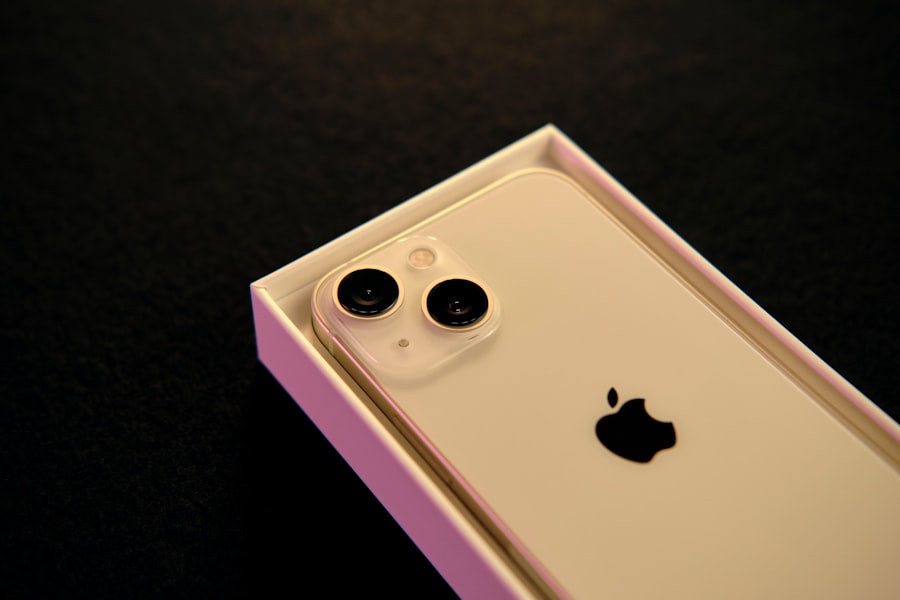
In 2007, Apple unveiled the iPhone, a groundbreaking device that would redefine the smartphone industry. Combining a phone, an iPod, and an internet communicator into one device, the iPhone introduced features such as a multi-touch screen and an app ecosystem that allowed third-party developers to create applications for users. This innovation shifted consumer expectations regarding mobile devices and set new standards for functionality and design.
The iPhone’s impact on society was profound; it changed how people communicated, accessed information, and interacted with technology. By 2021, Apple had sold over two billion iPhones worldwide, making it one of the most successful consumer products in history. The introduction of subsequent models continued to push technological boundaries, incorporating advanced features such as facial recognition and augmented reality capabilities.
The iPad and Beyond: Apple’s Expansion into New Product Categories
In 2010, Apple expanded its product lineup with the introduction of the iPad, a tablet device that bridged the gap between smartphones and laptops. The iPad’s large touchscreen interface made it ideal for media consumption, gaming, and productivity tasks.
The iPad’s success further solidified Apple’s reputation as an innovator in technology. Subsequent iterations introduced features such as improved processing power, enhanced display quality, and support for accessories like the Apple Pencil and Smart Keyboard. Beyond tablets, Apple has ventured into various product categories including wearables like the Apple Watch and services such as Apple Music and Apple TV+, demonstrating its commitment to diversifying its offerings.
Apple’s Retail Stores: Changing the Way Consumers Buy Electronics
Apple’s retail strategy has played a crucial role in its success story. The first Apple Store opened in 2001 in Tysons Corner, Virginia, featuring an open layout designed to encourage exploration and interaction with products. This innovative approach transformed how consumers experienced technology retailing.
Apple Stores became known for their knowledgeable staff and hands-on product demonstrations, creating an environment where customers could engage with devices before making purchases. The Genius Bar offered technical support and personalized assistance, further enhancing customer loyalty. As of 2023, there are over 500 Apple Stores worldwide, each designed to reflect local culture while maintaining Apple’s signature aesthetic.
The Post-Jobs Era: Apple’s Continued Success Without Its Co-Founder
Following Steve Jobs’ passing in 2011, many speculated about Apple’s future without its visionary leader. However, under CEO Tim Cook’s stewardship, Apple has continued to thrive. Cook’s focus on operational efficiency and supply chain management has allowed Apple to maintain profitability while expanding its product offerings.
The company has also placed greater emphasis on sustainability initiatives and corporate responsibility under Cook’s leadership. Apple’s commitment to reducing its carbon footprint and using recycled materials has resonated with environmentally conscious consumers. Despite challenges such as increased competition and market saturation, Apple remains one of the most valuable companies globally.
Apple’s Impact on the Tech Industry: Innovation, Design, and Marketing
Apple’s influence on the technology industry extends beyond its products; it has redefined standards for innovation, design aesthetics, and marketing strategies. The company’s emphasis on user experience has set benchmarks for competitors striving to create intuitive interfaces and seamless interactions. Apple’s marketing campaigns have also been groundbreaking; memorable advertisements have positioned products as lifestyle choices rather than mere gadgets.
The “Think Different” campaign celebrated creativity and individuality while establishing an emotional connection with consumers. This approach has fostered brand loyalty that transcends generations.
The Future of Apple: What’s Next for the Tech Giant
As we look ahead to Apple’s future, several trends indicate potential directions for growth and innovation. With advancements in artificial intelligence (AI) and machine learning (ML), Apple is likely to integrate these technologies into its products to enhance user experiences further. Additionally, augmented reality (AR) is poised to play a significant role in Apple’s strategy as it seeks to create immersive experiences across various applications.
Furthermore, Apple’s commitment to health technology is expected to expand with innovations in wearable devices that monitor health metrics more comprehensively. As consumer preferences shift towards sustainability and ethical practices, Apple will likely continue prioritizing environmentally friendly initiatives while exploring new markets such as electric vehicles or smart home technologies. In summary, Apple’s journey from a garage startup to a global technology leader is marked by innovation, resilience, and an unwavering commitment to excellence.
Each chapter of its history reflects not only technological advancements but also cultural shifts that have shaped how we interact with technology today. As we anticipate what lies ahead for this iconic brand, one thing remains clear: Apple’s legacy will continue to influence generations to come.
Apple Company Incorporated has been known for its innovative products and services, but they also have a strong commitment to environmental sustainability. In a related article on Boogger, it discusses the benefits of using a flocked Christmas tree, which can be a more eco-friendly option compared to traditional trees. By choosing a flocked tree, consumers can reduce their environmental impact and support companies like Apple that prioritize sustainability. To read more about the benefits of flocked Christmas trees, check out the article here.
FAQs
What is Apple Inc.?
Apple Inc. is a multinational technology company that designs, manufactures, and markets consumer electronics, computer software, and online services. It is best known for its hardware products such as the iPhone, iPad, Mac computers, and Apple Watch, as well as its software platforms like iOS and macOS.
When was Apple Inc. founded?
Apple Inc. was founded on April 1, 1976, by Steve Jobs, Steve Wozniak, and Ronald Wayne. The company was initially focused on developing and selling personal computers.
Where is Apple Inc. headquartered?
Apple Inc. is headquartered in Cupertino, California, at its Apple Park campus, which is often referred to as the “spaceship” due to its unique circular design.
What are some of Apple Inc.’s most popular products?
Some of Apple Inc.’s most popular products include the iPhone, iPad, Mac computers, Apple Watch, and AirPods. The company also offers a range of software and services such as the App Store, iCloud, and Apple Music.
How does Apple Inc. contribute to the technology industry?
Apple Inc. is known for its innovation in the technology industry, often setting trends and standards for consumer electronics and software. The company’s products and services have had a significant impact on the way people communicate, work, and consume media.
What is Apple Inc.’s financial performance?
Apple Inc. is one of the world’s most valuable companies, with a consistently high level of revenue and profit. The company’s financial success is driven by strong sales of its hardware products, as well as its growing services business.


