Now Reading: The Dangers of Prescription Drugs: A Closer Look
-
01
The Dangers of Prescription Drugs: A Closer Look
The Dangers of Prescription Drugs: A Closer Look

Prescription drugs, while designed to alleviate suffering and manage various health conditions, can pose significant dangers when misused or abused. The therapeutic potential of these medications is often overshadowed by the risks associated with their misuse, leading to a public health crisis that affects millions. The complexities surrounding prescription drug dangers encompass a range of issues, including addiction, overdose, and the long-term health consequences of misuse.
Understanding these dangers is crucial for both healthcare providers and patients to ensure safe and effective treatment. The misuse of prescription medications can lead to devastating outcomes, not only for individuals but also for families and communities. As the opioid epidemic illustrates, the consequences of prescription drug abuse extend beyond the individual user, impacting social structures and healthcare systems.
This article delves into the multifaceted nature of prescription drug dangers, exploring the rise of abuse, commonly misused substances, health risks, and the roles of various stakeholders in addressing this pressing issue.
Key Takeaways
- Prescription drugs can be dangerous and addictive if not used properly
- The abuse of prescription drugs has been on the rise in recent years
- Commonly abused prescription drugs include opioids, stimulants, and sedatives
- Prescription drug abuse can lead to serious health risks and side effects
- Healthcare providers play a crucial role in preventing prescription drug dangers and addiction
- Pharmaceutical companies can influence the prescribing and marketing of prescription drugs
- Legal and regulatory issues surrounding prescription drugs can impact their availability and use
- Strategies for preventing prescription drug abuse include education, monitoring, and proper disposal of unused medications
- Resources are available for individuals struggling with prescription drug addiction, including support groups and treatment programs
- Addressing the complexities of prescription drug dangers requires a multifaceted approach involving healthcare providers, policymakers, and the community
The Rise of Prescription Drug Abuse
In recent years, there has been a marked increase in prescription drug abuse across various demographics. According to the National Institute on Drug Abuse (NIDA), approximately 18 million people in the United States misused prescription medications in 2019 alone. This alarming trend can be attributed to several factors, including increased availability of prescription drugs, societal attitudes towards medication, and the normalization of self-medication for mental health issues.
The rise in prescription drug abuse is particularly concerning given the accessibility of these medications. Many individuals may initially obtain prescriptions legitimately for pain management or anxiety disorders but subsequently misuse them for recreational purposes or to cope with stress. The transition from legitimate use to abuse often occurs without the individual recognizing the potential dangers involved.
This gradual shift highlights the need for increased awareness and education regarding the risks associated with prescription medications.
Commonly Abused Prescription Drugs

Several classes of prescription drugs are frequently abused, each with distinct effects and risks. Opioids, benzodiazepines, and stimulants are among the most commonly misused categories. Opioids, such as oxycodone and hydrocodone, are often prescribed for pain relief but can lead to physical dependence and addiction when misused.
The euphoric effects associated with these drugs make them particularly appealing to those seeking a high.
Benzodiazepines, including medications like Xanax and Valium, are typically prescribed for anxiety and sleep disorders. However, their sedative properties can lead to misuse, especially when combined with other substances like alcohol. Stimulants, such as Adderall and Ritalin, are often prescribed for attention deficit hyperactivity disorder (ADHD) but are sometimes abused by individuals seeking increased focus or energy.
Each of these drug classes carries unique risks that can result in severe health complications.
Health Risks and Side Effects of Prescription Drugs
| Health Risk/Side Effect | Description |
|---|---|
| Headache | Pain or discomfort in the head or scalp |
| Nausea | Feeling of sickness with an inclination to vomit |
| Dizziness | Sensation of spinning or unsteadiness |
| Insomnia | Difficulty falling asleep or staying asleep |
| Constipation | Difficulty in passing stools |
| Diarrhea | Frequent passage of loose, watery stools |
The health risks associated with prescription drug abuse are extensive and can vary significantly depending on the substance involved. Opioid misuse can lead to respiratory depression, overdose, and even death. Chronic use may result in long-term changes to brain chemistry, leading to persistent pain sensitivity and emotional dysregulation.
Additionally, individuals who misuse opioids are at a higher risk for developing co-occurring mental health disorders. Benzodiazepine abuse can result in cognitive impairment, memory loss, and increased risk of accidents due to sedation. Prolonged use may lead to tolerance and dependence, necessitating higher doses to achieve the desired effects.
Stimulant misuse can cause cardiovascular complications, including hypertension and arrhythmias, as well as psychological effects such as paranoia and anxiety. Understanding these health risks is essential for both patients and healthcare providers in order to mitigate potential harm.
The Impact of Prescription Drug Addiction
The ramifications of prescription drug addiction extend far beyond the individual user. Families often bear the brunt of the emotional and financial toll associated with addiction. Relationships may suffer due to trust issues and behavioral changes resulting from substance misuse.
Furthermore, children in households affected by addiction may experience neglect or trauma, perpetuating a cycle of dysfunction. On a broader scale, prescription drug addiction places an immense burden on healthcare systems and society at large. Increased emergency room visits due to overdoses strain medical resources and contribute to rising healthcare costs.
Additionally, lost productivity due to addiction-related issues can have significant economic implications. Addressing prescription drug addiction requires a comprehensive approach that encompasses prevention, treatment, and support for affected individuals and their families.
The Role of Healthcare Providers in Prescription Drug Dangers
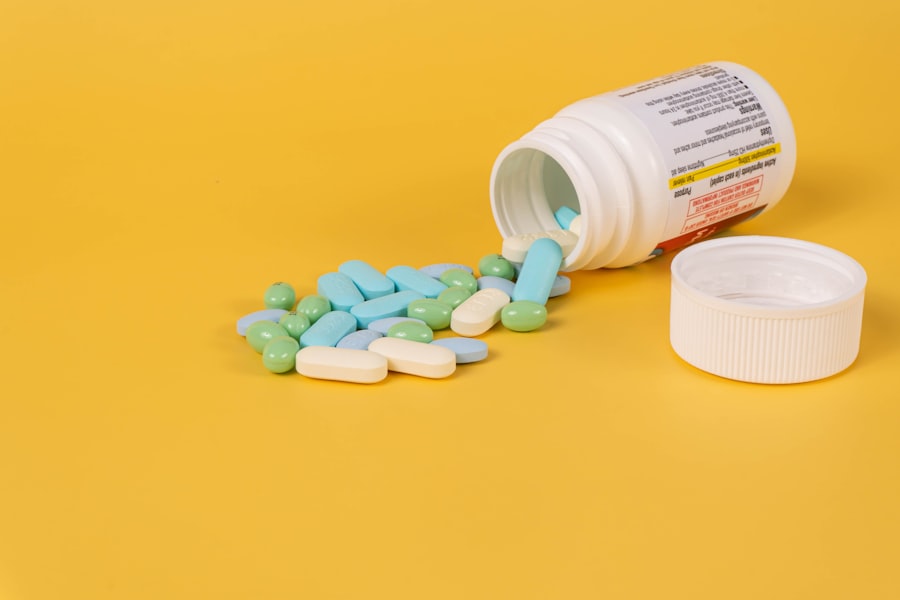
Healthcare providers play a pivotal role in mitigating the dangers associated with prescription drugs. Their responsibility extends beyond merely prescribing medications; they must also educate patients about the potential risks and benefits of treatment options. Effective communication is essential in ensuring that patients understand their medications and adhere to prescribed regimens safely.
Moreover, healthcare providers should be vigilant in monitoring patients for signs of misuse or dependency. Utilizing tools such as prescription drug monitoring programs (PDMPs) can help identify patterns of abuse and facilitate early intervention. By fostering a collaborative relationship with patients, providers can create an environment conducive to open discussions about medication use and any concerns that may arise.
The Influence of Pharmaceutical Companies
Pharmaceutical companies play a significant role in shaping the landscape of prescription drug use and abuse. Aggressive marketing strategies have contributed to the normalization of certain medications, often downplaying their potential risks while emphasizing their benefits. This has led to an increase in prescriptions for drugs that may not be appropriate for all patients.
Additionally, the financial incentives associated with pharmaceutical sales can create conflicts of interest that compromise patient care. Healthcare providers may feel pressured to prescribe certain medications due to promotional efforts or relationships with pharmaceutical representatives. Addressing these influences requires transparency in marketing practices and a commitment to prioritizing patient safety over profit.
Legal and Regulatory Issues Surrounding Prescription Drugs
The legal framework governing prescription drugs is complex and varies by jurisdiction. Regulatory agencies such as the Food and Drug Administration (FDA) oversee the approval and monitoring of medications; however, enforcement of regulations related to prescribing practices can be inconsistent. This inconsistency can contribute to issues such as overprescribing or inappropriate prescribing practices.
Furthermore, legal consequences for prescription drug abuse can vary widely depending on the circumstances surrounding an individual’s actions. While some jurisdictions may impose strict penalties for possession or distribution of controlled substances, others may prioritize treatment over punishment.
Strategies for Preventing Prescription Drug Abuse
Preventing prescription drug abuse requires a multifaceted approach that involves education, awareness campaigns, and community engagement. Educational initiatives aimed at both healthcare providers and patients can help raise awareness about the risks associated with misuse and promote responsible medication practices. Community-based programs that provide resources for individuals struggling with addiction can also play a vital role in prevention efforts.
These programs may include support groups, counseling services, and access to treatment options that address both physical dependence and underlying mental health issues. By fostering a culture of prevention and support, communities can work together to combat the growing crisis of prescription drug abuse.
Resources for Individuals Struggling with Prescription Drug Addiction
For individuals grappling with prescription drug addiction, numerous resources are available to facilitate recovery. Support groups such as Narcotics Anonymous (NA) offer peer support and shared experiences that can be invaluable during the recovery process. Additionally, treatment centers specializing in substance use disorders provide comprehensive care that addresses both physical dependence and psychological factors contributing to addiction.
Therapeutic interventions such as cognitive-behavioral therapy (CBT) have proven effective in helping individuals develop coping strategies and address underlying issues related to substance use. Medication-assisted treatment (MAT) may also be beneficial for those struggling with opioid addiction; this approach combines behavioral therapy with medications like buprenorphine or methadone to reduce cravings and withdrawal symptoms.
Addressing the Complexities of Prescription Drug Dangers
The dangers associated with prescription drugs are multifaceted and require a concerted effort from healthcare providers, policymakers, pharmaceutical companies, and communities alike. By understanding the complexities surrounding prescription drug abuse—ranging from its rise in prevalence to its profound impact on individuals and society—we can work towards effective prevention strategies and treatment options. Addressing this public health crisis necessitates ongoing education, open dialogue about medication use, and a commitment to prioritizing patient safety over profit motives.
Through collaboration among all stakeholders involved, we can create a safer environment for individuals who rely on prescription medications while minimizing the risks associated with their misuse. In summary, prescription drug dangers encompass a wide array of issues that require attention from multiple sectors of society. By fostering awareness, promoting responsible prescribing practices, and providing resources for those affected by addiction, we can begin to address this complex challenge effectively.
Prescription drugs are a crucial part of modern healthcare, but they can also be a source of concern when misused or abused. According to a recent article on Boogger, federal holidays in February are a time to celebrate presidents and love, but they can also be a time of increased risk for those struggling with addiction to prescription medications. To learn more about the dangers of prescription drug abuse during holidays, check out this article.
FAQs
What are prescription drugs?
Prescription drugs are medications that can only be obtained with a prescription from a licensed healthcare provider, such as a doctor or nurse practitioner.
How are prescription drugs different from over-the-counter drugs?
Prescription drugs require a prescription from a healthcare provider, while over-the-counter drugs can be purchased without a prescription. Prescription drugs are typically more potent and may have more potential side effects than over-the-counter drugs.
What are some common types of prescription drugs?
Common types of prescription drugs include antibiotics, pain medications, antidepressants, antipsychotics, blood pressure medications, and cholesterol-lowering drugs.
How should prescription drugs be taken?
Prescription drugs should be taken exactly as prescribed by a healthcare provider. It is important to follow the dosage and frequency instructions, and to not stop taking the medication without consulting a healthcare provider.
What are the potential risks of prescription drugs?
Potential risks of prescription drugs include side effects, drug interactions, allergic reactions, and the risk of dependence or addiction with certain medications.
Can prescription drugs be abused?
Yes, some prescription drugs have the potential for abuse, especially those that affect the central nervous system, such as opioids, stimulants, and sedatives. It is important to use prescription drugs only as directed by a healthcare provider.
Can prescription drugs be purchased online?
Some prescription drugs can be purchased online, but it is important to be cautious and only obtain medications from reputable and licensed online pharmacies. It is illegal to purchase prescription drugs without a valid prescription from a healthcare provider.