Now Reading: The Challenges of Nation-Building in South Sudan
-
01
The Challenges of Nation-Building in South Sudan
The Challenges of Nation-Building in South Sudan
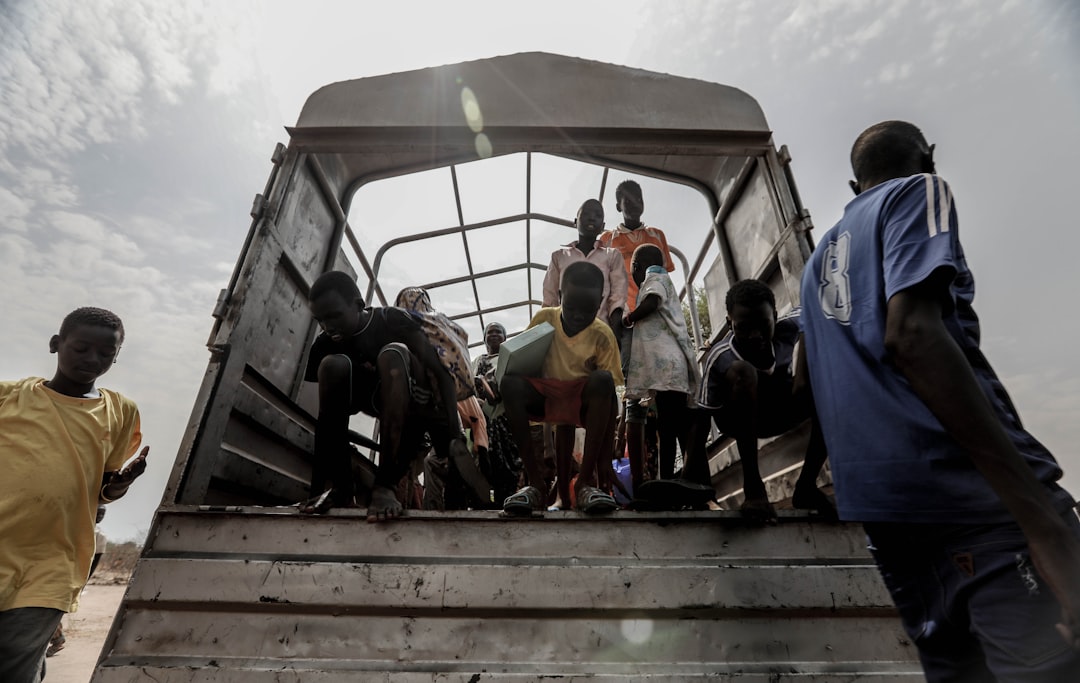
The history of South Sudan is marked by a complex tapestry of cultural, political, and social dynamics that have shaped its current state. The region has been inhabited for thousands of years, with various ethnic groups establishing rich traditions and societies. However, the modern history of South Sudan is heavily influenced by colonialism and the subsequent struggle for independence.
The Anglo-Egyptian rule from the late 19th century until 1956 created a divide between the northern and southern regions, fostering resentment and laying the groundwork for future conflicts. Following independence from British-Egyptian rule in 1956, South Sudan was integrated into Sudan, leading to decades of civil war fueled by ethnic tensions, religious differences, and economic disparities. The First Sudanese Civil War (1955-1972) was primarily fought over these issues, culminating in the Addis Ababa Agreement, which granted autonomy to the south.
However, this peace was short-lived, as the Second Sudanese Civil War erupted in 1983, lasting until 2005. The Comprehensive Peace Agreement (CPA) signed in 2005 ultimately paved the way for a referendum in 2011, resulting in South Sudan’s independence on July 9, 2011.
Key Takeaways
- South Sudan has a complex historical background, marked by years of conflict and struggle for independence from Sudan.
- Ethnic and tribal divisions play a significant role in the country’s politics and have contributed to ongoing conflicts and instability.
- The lack of infrastructure in South Sudan hinders development and exacerbates economic challenges, particularly in rural areas.
- Political instability has been a persistent issue in South Sudan, with power struggles and violence affecting the country’s governance.
- Economic challenges, including high inflation and unemployment, have hindered South Sudan’s development and contributed to widespread poverty.
Ethnic and Tribal Divisions
South Sudan is home to a diverse array of ethnic groups, each with its own unique cultural practices and languages. The major tribes include the Dinka, Nuer, Shilluk, and Bari, among others. These ethnic divisions have historically played a significant role in the political landscape of the nation.
The Dinka and Nuer tribes are particularly prominent, often finding themselves at odds due to competition for resources and political power. The tribal affiliations have led to a fragmented national identity, where loyalty to one’s ethnic group often supersedes allegiance to the state. This division has been exacerbated by political leaders who exploit ethnic sentiments for personal gain, further entrenching divisions within society.
The ongoing conflict between these groups has resulted in violence and displacement, complicating efforts toward national unity and reconciliation.
Lack of Infrastructure
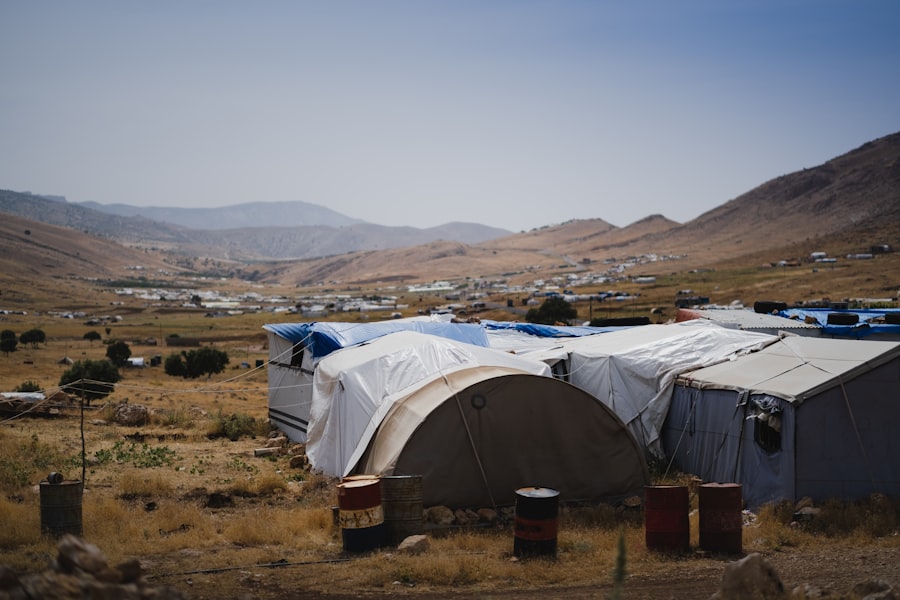
The lack of infrastructure in South Sudan poses significant challenges to development and stability. Decades of conflict have left the country with inadequate roads, healthcare facilities, and educational institutions. The transportation network is particularly underdeveloped, with only about 2% of roads being paved. This lack of connectivity hampers trade and access to essential services, contributing to economic stagnation. Moreover, the healthcare system is severely lacking, with a shortage of medical professionals and facilities.
According to the World Health Organization (WHO), there is only one doctor for every 100,000 people in South Sudan. This dire situation has resulted in high maternal and infant mortality rates and limited access to basic healthcare services. Addressing these infrastructural deficits is crucial for improving the quality of life for citizens and fostering long-term stability.
Political Instability
| Country | Political Instability Index | Number of Protests |
|---|---|---|
| United States | 3.9 | 2,500 |
| Venezuela | 8.6 | 5,000 |
| Syria | 9.8 | 10,000 |
Political instability has been a defining characteristic of South Sudan since its independence. The power struggle between President Salva Kiir and former Vice President Riek Machar has led to violent clashes and civil war. The rivalry between these leaders is often framed along ethnic lines, further complicating the political landscape.
The conflict has resulted in widespread human rights abuses, including extrajudicial killings and sexual violence.
The transitional government formed in 2020 aimed to bring together rival factions; however, progress has been slow.
Political infighting continues to undermine peace efforts, leaving citizens disillusioned with their leaders. A comprehensive approach that includes political reform and accountability measures is essential for achieving lasting stability.
Economic Challenges
The economy of South Sudan is heavily reliant on oil exports, which account for over 90% of government revenue. However, fluctuations in global oil prices and ongoing conflicts have severely impacted economic stability. The country faces rampant inflation, with prices for basic goods skyrocketing due to supply chain disruptions and currency devaluation.
According to the International Monetary Fund (IMF), inflation rates have reached over 300%, making it increasingly difficult for citizens to afford necessities. Agriculture has the potential to diversify the economy; however, insecurity and lack of infrastructure hinder agricultural development. Many farmers are unable to access markets or secure their land due to ongoing violence.
To address these economic challenges, there is a pressing need for investment in agriculture, infrastructure development, and diversification of revenue sources beyond oil.
Security Concerns
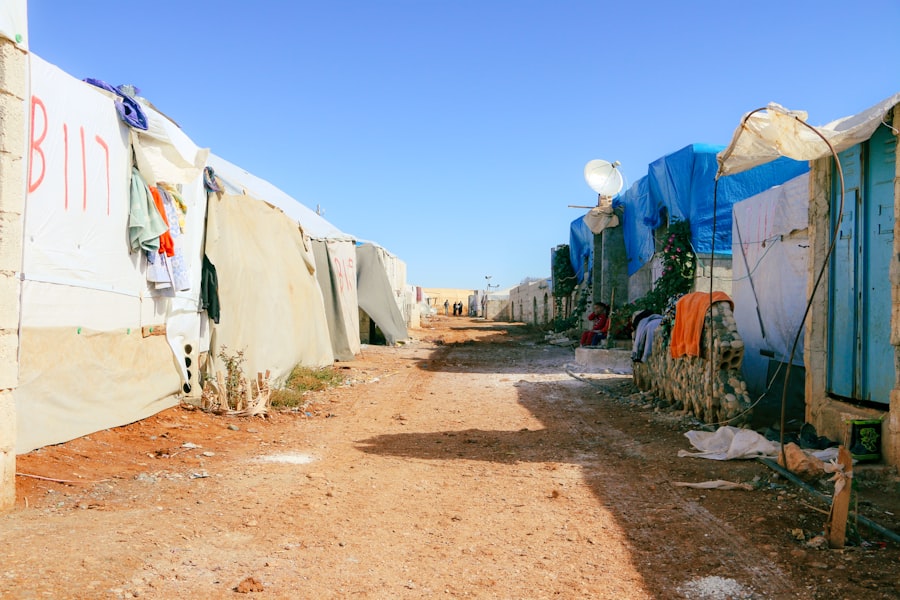
Security remains a paramount concern in South Sudan as violence continues to plague various regions. Armed groups operate with impunity, often engaging in inter-communal violence over resources such as land and cattle. The proliferation of small arms exacerbates this situation, making it difficult for government forces to maintain order.
The United Nations Mission in South Sudan (UNMISS) has been deployed to help stabilize the situation; however, their presence has not fully quelled violence. The security situation is further complicated by the presence of foreign armed groups and militias that exploit local grievances for their agendas. Disarmament initiatives have faced challenges due to mistrust among communities and lack of effective governance.
A comprehensive security strategy that includes community engagement and disarmament programs is essential for restoring peace.
Humanitarian Crisis
The humanitarian crisis in South Sudan is one of the most severe globally, with millions facing food insecurity and displacement due to conflict and environmental factors such as flooding. According to the United Nations Office for the Coordination of Humanitarian Affairs (OCHA), approximately 7 million people are in need of humanitarian assistance as of 2023. Malnutrition rates are alarmingly high among children under five years old, with many suffering from acute malnutrition.
Access to clean water and sanitation facilities is also limited, contributing to outbreaks of waterborne diseases such as cholera. Humanitarian organizations are working tirelessly to provide aid; however, access is often hindered by insecurity and bureaucratic obstacles. A coordinated international response that prioritizes both immediate relief efforts and long-term development strategies is crucial for alleviating this crisis.
International Intervention
International intervention has played a significant role in addressing the challenges faced by South Sudan. Various organizations, including the United Nations and African Union, have deployed peacekeeping missions aimed at stabilizing the region and protecting civilians. Humanitarian aid from international donors has also been vital in providing food, healthcare, and shelter to those affected by conflict.
However, international efforts have faced criticism for their effectiveness and impact on local dynamics. Some argue that external interventions can exacerbate tensions or create dependency rather than fostering self-sufficiency. A more nuanced approach that involves local stakeholders in decision-making processes may enhance the effectiveness of international interventions.
Reconciliation and Peacebuilding
Reconciliation efforts are essential for healing the deep-seated divisions within South Sudanese society. Various initiatives have been launched to promote dialogue among different ethnic groups and foster understanding. Traditional conflict resolution mechanisms have been employed alongside formal peace processes to address grievances at the community level.
However, achieving genuine reconciliation requires addressing underlying issues such as land disputes and resource allocation. Building trust among communities is crucial for sustainable peace; therefore, inclusive dialogue that involves marginalized groups is necessary for fostering a sense of ownership over peacebuilding efforts.
Nation-Building Efforts
Nation-building in South Sudan involves creating a cohesive national identity that transcends ethnic divisions. This process requires investment in education, infrastructure development, and economic diversification to foster a sense of belonging among citizens. Promoting civic engagement through participatory governance can empower individuals to contribute positively to society.
Efforts must also focus on strengthening institutions that uphold the rule of law and protect human rights. Building a robust civil society that advocates for accountability and transparency will be vital in ensuring that citizens hold their leaders accountable.
Future Prospects
The future prospects for South Sudan remain uncertain but not entirely bleak. While challenges persist, there are opportunities for growth and development if comprehensive strategies are implemented effectively. Continued international support coupled with local ownership of peacebuilding initiatives can pave the way for stability.
Investing in education and healthcare will be crucial for empowering future generations and breaking the cycle of poverty and violence. Additionally, fostering economic diversification through agriculture and small businesses can create jobs and improve livelihoods. Ultimately, a commitment to reconciliation and nation-building will be essential for realizing a peaceful and prosperous South Sudan.
In summary, South Sudan’s journey since independence has been fraught with challenges stemming from historical grievances, ethnic divisions, political instability, economic struggles, security concerns, humanitarian crises, international interventions, reconciliation efforts, nation-building initiatives, and future prospects that hinge on effective governance and community engagement.
There is a fascinating article on federal American holidays celebrating national traditions that sheds light on the importance of holidays in preserving cultural heritage and fostering a sense of national identity. This topic is particularly relevant to South Sudan, a country that is still grappling with the aftermath of a long and brutal civil war and striving to build a cohesive national identity. By examining how holidays are used to celebrate and honor American traditions, we can gain insights into how South Sudan can use similar strategies to promote unity and reconciliation among its diverse population.
FAQs
What is the current situation in South Sudan?
South Sudan has been facing a protracted conflict since December 2013, resulting in widespread displacement, food insecurity, and a humanitarian crisis. The country gained independence from Sudan in 2011 but has since been plagued by internal conflict.
What are the main causes of the conflict in South Sudan?
The conflict in South Sudan is rooted in political and ethnic tensions, as well as competition for power and resources. Disagreements between political leaders have escalated into violence, leading to a complex and multifaceted conflict.
How has the conflict in South Sudan affected the population?
The conflict has had devastating effects on the population, including widespread displacement, food insecurity, and a humanitarian crisis. It has also resulted in significant loss of life, destruction of infrastructure, and limited access to basic services such as healthcare and education.
What is the international community doing to address the crisis in South Sudan?
The international community has been providing humanitarian assistance to the people of South Sudan, including food aid, healthcare, and shelter. Efforts to facilitate peace negotiations and support the implementation of peace agreements have also been ongoing.
What are the prospects for peace and stability in South Sudan?
Efforts to achieve lasting peace and stability in South Sudan continue, with ongoing peace negotiations and international support for the implementation of peace agreements. However, the situation remains fragile, and sustained efforts are needed to address the root causes of the conflict and build a sustainable peace.