Now Reading: The Best Laptop Computers for Productivity and Performance
-
01
The Best Laptop Computers for Productivity and Performance
The Best Laptop Computers for Productivity and Performance
In the modern digital landscape, the demand for high-performance laptops has surged, driven by the need for enhanced productivity across various sectors. Whether for professional tasks, academic pursuits, or creative endeavors, the right laptop can significantly influence efficiency and output. Productivity in this context refers to the ability to complete tasks effectively and efficiently, while performance encompasses the speed, responsiveness, and overall capability of the device.
As remote work and online learning become increasingly prevalent, understanding the intricacies of laptop specifications and features is paramount for users seeking to maximize their productivity. The evolution of technology has led to a plethora of options available in the market, each tailored to meet diverse user needs. From lightweight ultrabooks designed for portability to powerful workstations capable of handling intensive applications, the choices can be overwhelming.
This article aims to dissect the essential factors influencing productivity and performance in laptop computers, providing insights into optimal selections for various user profiles.
Key Takeaways
- Productivity and performance in laptop computers are crucial for efficient work and seamless multitasking.
- When choosing a laptop for productivity and performance, consider factors such as processor speed, RAM capacity, storage options, and graphics capabilities.
- The top 5 laptop models for productivity and performance in 2021 include models from brands like Apple, Dell, HP, Lenovo, and Microsoft.
- Windows, macOS, and ChromeOS are the main operating systems to consider, each with its own strengths and weaknesses for productivity and performance.
- The processor, RAM, and storage are essential for smooth multitasking and efficient performance on a laptop, so it’s important to choose the right specifications for your needs.
Factors to Consider When Choosing a Laptop for Productivity and Performance
When selecting a laptop that aligns with productivity and performance goals, several critical factors must be evaluated. First and foremost is the intended use case. Professionals in fields such as graphic design or video editing will require robust hardware specifications, while casual users may prioritize portability and battery life.
Understanding personal requirements is essential in narrowing down options. Another significant consideration is the laptop’s specifications, including the processor type, RAM capacity, storage options, and graphics capabilities. The processor serves as the brain of the device, influencing how quickly tasks are executed.
A minimum of an Intel Core i5 or AMD Ryzen 5 is recommended for most productivity tasks, while higher-end models may benefit from i7 or Ryzen 7 processors. Additionally, RAM plays a crucial role in multitasking capabilities; 8GB is generally sufficient for basic tasks, but 16GB or more is advisable for demanding applications.
Top 5 Laptop Models for Productivity and Performance in 2021

1. **Apple MacBook Pro (M1 Chip)**: Renowned for its exceptional performance and battery life, the MacBook Pro with Apple’s M1 chip offers seamless multitasking capabilities and impressive graphics performance. With up to 16GB of unified memory and storage options reaching 2TB, it caters to professionals requiring high processing power.
2. **Dell XPS 13**: This ultrabook combines portability with performance, featuring a stunning InfinityEdge display and up to Intel Core i7 processors. With options for 16GB RAM and 1TB SSD storage, it is ideal for users who prioritize both aesthetics and functionality.
3. **Lenovo ThinkPad X1 Carbon Gen 9**: Known for its durability and exceptional keyboard design, this model is perfect for business professionals. It offers Intel’s latest processors, up to 32GB RAM, and a variety of display options, ensuring a versatile work experience.
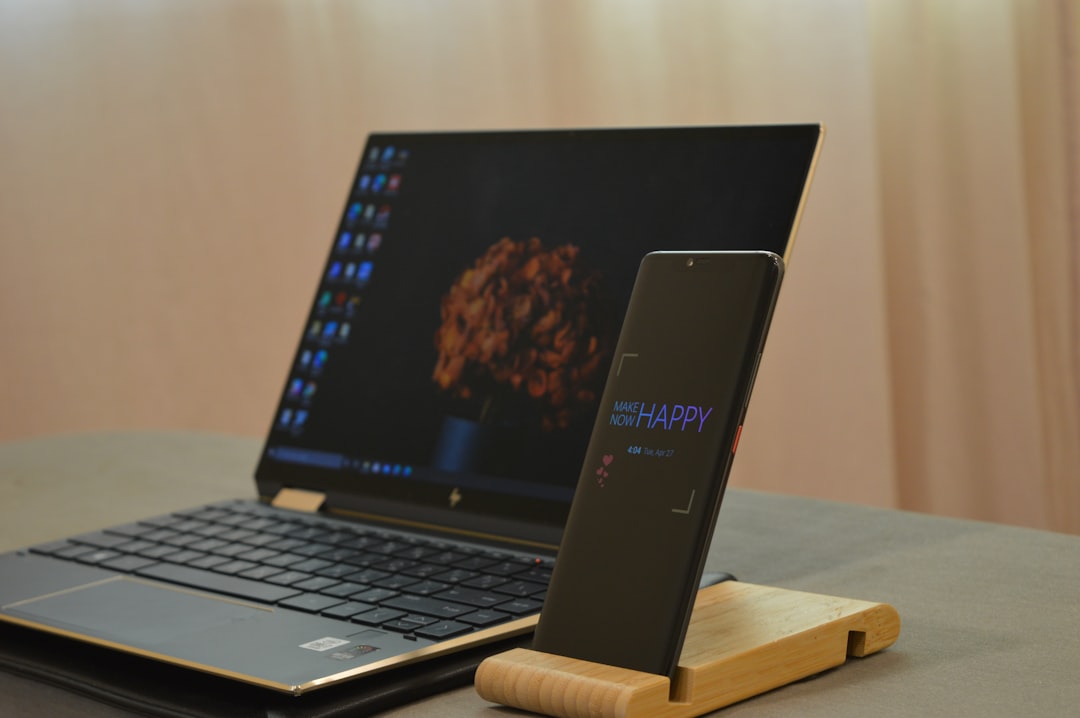
**HP Spectre x360**: This convertible laptop stands out with its sleek design and powerful performance.
Equipped with Intel’s latest processors and up to 16GB RAM, it provides flexibility for users who require both laptop and tablet functionalities. 5. **Microsoft Surface Laptop 4**: With its elegant design and high-resolution PixelSense display, this laptop is tailored for productivity.
It offers a choice between Intel or AMD processors, up to 32GB RAM, and a range of storage options, making it suitable for various user needs.
Comparison of Operating Systems: Windows, macOS, and ChromeOS
| Operating System | Windows | macOS | ChromeOS |
|---|---|---|---|
| Cost | Paid | Free (with Apple hardware) | Free |
| Software Compatibility | Wide range | Limited to Apple ecosystem | Primarily web-based |
| Hardware Compatibility | Wide range | Limited to Apple hardware | Specifically designed for Chromebooks |
| User Interface | Customizable | Intuitive and sleek | Simple and lightweight |
The operating system (OS) plays a pivotal role in determining user experience and productivity levels. Windows remains the most widely used OS globally, offering extensive software compatibility and customization options. It supports a vast array of applications suitable for various professional fields, making it an excellent choice for users requiring specialized software.
macOS, exclusive to Apple devices, is celebrated for its intuitive interface and seamless integration with other Apple products. It is particularly favored by creative professionals due to its robust multimedia capabilities and software like Final Cut Pro and Logic Pro. However, it may not support certain applications available on Windows.
ChromeOS is designed primarily for web-based tasks and is ideal for users who rely heavily on cloud applications. While it may lack the extensive software library of Windows or macOS, its simplicity and speed make it an attractive option for students or professionals focused on basic productivity tasks.
The Importance of Processor, RAM, and Storage for Productivity and Performance
The processor is arguably the most critical component influencing a laptop’s performance. Modern processors come with multiple cores that allow simultaneous processing of tasks, enhancing overall efficiency. For instance, Intel’s Core i7 processors are equipped with hyper-threading technology that enables better multitasking capabilities.
RAM is equally vital; it determines how many applications can run concurrently without slowing down the system. For most users engaged in standard productivity tasks such as word processing or web browsing, 8GB of RAM suffices. However, power users involved in video editing or software development should consider laptops with at least 16GB or more.
Storage type also impacts performance significantly. Solid State Drives (SSDs) offer faster data access speeds compared to traditional Hard Disk Drives (HDDs), resulting in quicker boot times and application launches. A minimum of 256GB SSD storage is recommended for optimal performance in productivity tasks.
Graphics and Display Options for Enhanced Productivity

The graphics capabilities of a laptop can greatly influence user experience, especially for those engaged in graphic design or video editing. Integrated graphics are sufficient for everyday tasks; however, dedicated graphics cards are essential for demanding applications that require high rendering power. Display quality also plays a crucial role in productivity.
A high-resolution screen (at least Full HD) enhances clarity and reduces eye strain during prolonged use. Additionally, features such as anti-glare coatings and adjustable brightness levels contribute to a more comfortable viewing experience. For professionals who require precise color accuracy—such as photographers or designers—laptops with IPS panels are recommended due to their superior color reproduction and wider viewing angles.
Battery Life and Portability: Key Considerations for Productivity on the Go
In an era where remote work is increasingly common, battery life has become a paramount consideration when selecting a laptop. A device that can sustain long hours of use without frequent recharging enhances productivity by allowing users to work uninterrupted during travel or in locations without easy access to power outlets. Most modern laptops offer battery life ranging from 8 to 20 hours on a single charge; however, real-world usage may vary based on factors such as screen brightness and running applications.
Users should look for laptops that provide at least 10 hours of battery life to ensure they can complete their tasks without interruption. Portability is another essential factor; lightweight laptops are easier to carry around without compromising performance. Ultrabooks typically weigh under three pounds while still offering robust specifications suitable for productivity tasks.
Connectivity and Expandability: Essential Features for Productivity
Connectivity options are vital for enhancing productivity on laptops. A variety of ports—including USB-C, HDMI, Thunderbolt 3, and SD card readers—allow users to connect external devices such as monitors, printers, or storage drives seamlessly. Laptops equipped with multiple USB ports enable users to connect various peripherals simultaneously without needing additional adapters.
Expandability features also contribute significantly to long-term usability. Some laptops allow users to upgrade RAM or storage components easily, ensuring that the device can adapt to evolving needs over time. Additionally, wireless connectivity options such as Wi-Fi 6 provide faster internet speeds and improved performance in crowded environments—an essential feature for professionals who rely on cloud-based applications.
Software and Tools to Enhance Productivity on Laptop Computers
The right software tools can significantly enhance productivity on laptops by streamlining workflows and improving task management. Office suites such as Microsoft Office or Google Workspace provide essential applications like word processors, spreadsheets, and presentation software that facilitate collaboration among teams. Project management tools like Trello or Asana help users organize tasks efficiently while maintaining visibility over project timelines.
For creative professionals, software like Adobe Creative Cloud offers powerful applications tailored for graphic design, video editing, and web development. Additionally, utilizing productivity-enhancing tools such as note-taking apps (e.g., Evernote or OneNote) can help users capture ideas quickly while maintaining organization across various projects.
User-Friendly Design and Ergonomics for Improved Performance
A laptop’s design significantly impacts user experience; therefore, ergonomics should not be overlooked when selecting a device aimed at enhancing productivity. Key factors include keyboard layout, trackpad responsiveness, and overall build quality. A comfortable keyboard with adequate key travel reduces strain during extended typing sessions while ensuring accuracy.
Backlit keyboards are advantageous in low-light environments as they enhance visibility without causing eye strain. Trackpads should be responsive and support multi-touch gestures to facilitate navigation efficiently. Additionally, laptops with adjustable hinges or detachable screens provide flexibility in positioning the device according to user preferences.
Making the Best Choice for Your Productivity and Performance Needs
In conclusion, selecting the right laptop for productivity and performance requires careful consideration of various factors including specifications, operating systems, battery life, connectivity options, software tools, and ergonomic design.
Investing time in research will yield significant returns in terms of efficiency and output quality.
As technology continues to evolve rapidly, staying informed about the latest advancements will empower users to choose devices that not only meet their current requirements but also adapt to future challenges in an ever-changing digital landscape.
If you’re in the market for a new laptop computer, you may want to check out this article on federal holiday schedule for 2022. It’s important to plan your purchase around holidays when you may have time off to set up your new device. Additionally, learning about different cultural celebrations such as Chuseok, the Korean Harvest Festival, can provide insight into how people around the world use technology like laptops in their daily lives. And as we approach the holiday season, consider how a new laptop could enhance your Christmas Eve celebrations with online shopping, video calls with loved ones, and more.
FAQs
What are laptop computers?
Laptop computers, also known as notebooks, are portable personal computers that are designed to be used on the go. They typically have a clamshell form factor with a keyboard and display integrated into a single unit.
What are the advantages of using a laptop computer?
Laptop computers offer the convenience of portability, allowing users to work or access the internet from anywhere. They are also space-saving and can be easily transported.
What are the different types of laptop computers?
There are various types of laptop computers, including ultrabooks, 2-in-1 laptops (convertible or detachable), gaming laptops, and business laptops. Each type is designed to cater to specific user needs and preferences.
What are the key features to consider when buying a laptop computer?
Key features to consider when buying a laptop computer include the processor (CPU), RAM, storage capacity (HDD or SSD), display size and resolution, graphics card, battery life, and connectivity options (such as USB ports, HDMI, and Wi-Fi).
How do I maintain and care for my laptop computer?
To maintain and care for a laptop computer, it is important to keep it clean, avoid exposing it to extreme temperatures, use a protective case when transporting it, and regularly update software and security measures to prevent malware and viruses. Additionally, it is important to handle the laptop with care to avoid physical damage.