Now Reading: Merry Christmas Eve: Celebrating the Magic of the Season
-
01
Merry Christmas Eve: Celebrating the Magic of the Season
Merry Christmas Eve: Celebrating the Magic of the Season

Christmas Eve, celebrated on December 24th, has a rich history that intertwines religious significance with cultural traditions. The origins of this festive night can be traced back to the early Christian church, which established the date as a time to prepare for the birth of Jesus Christ. The evening before Christmas Day was designated for reflection and anticipation, marking the culmination of Advent, a period of preparation and penance leading up to the celebration of Christ’s birth.
Over the centuries, various customs emerged, influenced by local traditions and practices, creating a tapestry of celebrations that vary from one region to another. In medieval Europe, Christmas Eve was often marked by solemnity and reverence. Many communities would gather for midnight Mass, a tradition that continues in various forms today.
The church services were not only a time for worship but also served as a communal gathering, reinforcing social bonds among parishioners.
The introduction of festive elements such as caroling, feasting, and gift-giving began to take root, transforming the night into a joyous occasion filled with merriment and celebration.
This evolution reflects broader societal changes, as communities sought to balance religious observance with the spirit of festivity.
Traditions and Customs Around the World
Across the globe, Christmas Eve is celebrated with a myriad of traditions that reflect the unique cultural identities of different regions. In many Latin American countries, for instance, Nochebuena, or “Good Night,” is a time for family gatherings that often extend late into the night. Families come together to share a lavish meal that may include traditional dishes such as tamales, bacalao (salted cod), and ponche (a warm fruit punch).
The evening is often filled with music, dancing, and the exchange of gifts, creating an atmosphere of warmth and togetherness. In contrast, in countries like Germany and Austria, Christmas Eve is known as Heiligabend, or “Holy Evening.” Families typically gather for a festive meal that may include roast goose or carp, followed by the opening of presents. A unique aspect of this celebration is the tradition of decorating the Christmas tree on this night, often accompanied by singing carols.
In some regions, children eagerly await the arrival of Christkind or Weihnachtsmann (Christmas Man), who brings gifts and spreads joy. These customs highlight how Christmas Eve serves as a focal point for family bonding and cultural expression.
The Significance of Christmas Eve in Different Cultures
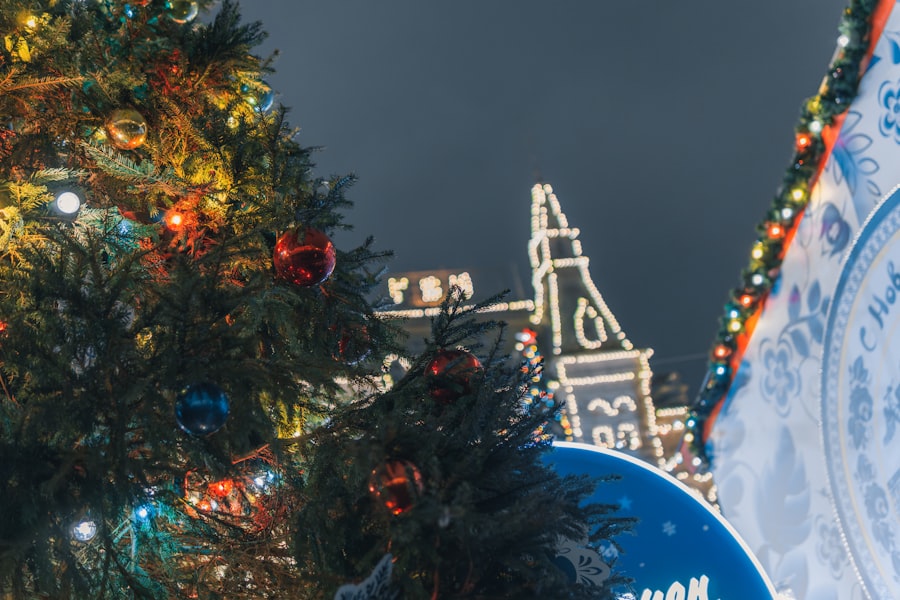
The significance of Christmas Eve varies widely across cultures, often reflecting deeper spiritual beliefs and historical contexts. In many Christian traditions, it is a time for reflection on the nativity story and the promise of hope and redemption that Jesus’ birth represents. For some, attending midnight Mass is not just a ritual but a profound spiritual experience that connects them to their faith and community.
This sacred observance underscores the importance of Christmas Eve as a time for introspection and gratitude. In other cultures, Christmas Eve takes on a more secular tone while still retaining elements of spirituality. For instance, in Japan, where Christmas is not a national holiday but is celebrated by many as a time for romance and joy, couples often exchange gifts and enjoy festive meals together.
The emphasis on love and togetherness during this time reflects broader societal values that prioritize relationships and community bonds. Thus, while the religious significance may differ, the underlying themes of love, hope, and connection resonate universally during this special night.
Family and Community Gatherings on Christmas Eve
| Metrics | Data |
|---|---|
| Number of Families Gathered | 25 |
| Community Members Present | 50 |
| Christmas Eve Dinner Attendance | 75 |
| Activities Organized | 3 |
| Volunteers Involved | 10 |
Christmas Eve serves as a pivotal moment for family and community gatherings around the world. It is a time when loved ones come together to celebrate shared traditions and create lasting memories. In many households, families engage in activities such as decorating the tree, baking cookies, or watching classic holiday films.
These rituals foster a sense of belonging and continuity, allowing families to pass down cherished customs from one generation to the next. Community gatherings also play a significant role in Christmas Eve celebrations. Many towns host events such as tree-lighting ceremonies or caroling nights that bring people together in a spirit of unity and joy.
These communal activities not only enhance the festive atmosphere but also strengthen social ties within neighborhoods. The sense of camaraderie that emerges during these gatherings reflects the essence of Christmas Eve—a time to celebrate not just individual families but also the larger community that supports them.
The Magic of Christmas Eve for Children
For children, Christmas Eve is often imbued with a sense of wonder and excitement that is unparalleled throughout the year. The anticipation of Santa Claus’ arrival creates an enchanting atmosphere filled with dreams and imagination. Many families engage in traditions such as leaving out cookies and milk for Santa or hanging stockings by the fireplace, which adds to the magic of the night.
Children eagerly await the moment when they can finally open their presents on Christmas morning, making Christmas Eve a night filled with suspense and joy. Moreover, storytelling plays a crucial role in enhancing this magical experience for children. Parents often share tales about Santa Claus, reindeer, and the spirit of giving, igniting their children’s imaginations and fostering a sense of belief in something greater than themselves.
This storytelling tradition not only entertains but also imparts valuable lessons about kindness, generosity, and the joy of giving. As children drift off to sleep on Christmas Eve, their hearts are filled with hope and excitement—a testament to the enduring magic that this night brings.
Christmas Eve Feasts and Special Foods
Food is an integral part of Christmas Eve celebrations across cultures, with each region boasting its own unique culinary traditions. In Italy, for example, La Vigilia is celebrated with a feast known as the Feast of the Seven Fishes. Families gather to enjoy an array of seafood dishes that symbolize abstinence from meat on this holy night.
This culinary tradition not only highlights Italy’s rich maritime heritage but also serves as an opportunity for families to come together over a shared meal. In contrast, in Poland, Wigilia is marked by a traditional supper that includes twelve dishes representing the twelve apostles. The meal often begins with breaking opłatek (a thin wafer) while sharing blessings among family members.
This act symbolizes forgiveness and unity within the family circle. The meal typically features dishes such as borscht with dumplings and fish prepared in various ways. These culinary customs reflect deeper cultural values surrounding family unity and spiritual significance during this sacred time.
Christmas Eve Music and Entertainment
Music plays an essential role in setting the tone for Christmas Eve celebrations around the world. From traditional carols to contemporary holiday songs, music enhances the festive atmosphere and brings people together in joyous celebration. In many cultures, singing carols is a cherished tradition that fosters community spirit.
Groups often gather to sing familiar tunes outside homes or at public events, spreading cheer throughout neighborhoods. In addition to caroling, many families enjoy listening to holiday music while engaging in festive activities such as decorating or preparing meals. Classic songs like “Silent Night” or “Jingle Bells” evoke nostalgia and warmth, creating an ambiance that resonates with both young and old alike.
Furthermore, various forms of entertainment such as theatrical performances or holiday movies have become integral to Christmas Eve celebrations. These artistic expressions not only entertain but also convey messages of love, hope, and togetherness—values that are central to the spirit of Christmas.
Spreading Joy and Kindness on Christmas Eve
As Christmas Eve approaches, there is often a palpable sense of goodwill that permeates communities worldwide. Many individuals take it upon themselves to spread joy and kindness during this special time by engaging in acts of charity or service. Whether it’s volunteering at local shelters or donating food and gifts to those in need, these gestures embody the true spirit of Christmas—selflessness and compassion towards others.
Moreover, families often encourage children to participate in acts of kindness during this season as a way to instill values of generosity and empathy.
This emphasis on kindness reinforces the idea that Christmas is not solely about receiving but also about giving back to those less fortunate.
Ultimately, spreading joy on Christmas Eve serves as a reminder that the true essence of this holiday lies in love—love for family, friends, community, and humanity as a whole. In conclusion, Christmas Eve is a multifaceted celebration steeped in history and rich with diverse traditions across cultures worldwide. It serves as a time for family gatherings, communal celebrations, reflection on spiritual beliefs, and acts of kindness—all woven together by an underlying theme of love and hope.
As we embrace this magical night each year, we are reminded not only of our shared humanity but also of our capacity to spread joy and warmth during this special season.
As we gather with loved ones on Christmas Eve, it is important to reflect on the true meaning of the holiday season. One article that delves into the history and traditions of Christmas Eve is “The History and Traditions of Christmas Eve” from boogger.com. This article explores how different cultures around the world celebrate this special night and the significance of various customs and rituals. It is a fascinating read that sheds light on the rich tapestry of traditions that make Christmas Eve a magical time for people of all backgrounds.
FAQs
What is the significance of Christmas Eve?
Christmas Eve is the evening before Christmas Day, and it holds great significance for many people around the world. It is a time for families and friends to come together, exchange gifts, and share in the spirit of the holiday season.
How is Christmas Eve celebrated?
Christmas Eve is celebrated in various ways around the world. Some common traditions include attending church services, having a special meal with loved ones, exchanging gifts, and participating in festive activities such as caroling or watching Christmas movies.
What are some traditional foods eaten on Christmas Eve?
Traditional foods eaten on Christmas Eve vary by culture and region. In some countries, it is common to have a seafood feast, while in others, a special meat dish or a variety of sweets and pastries are enjoyed. Additionally, many people partake in the tradition of leaving out cookies and milk for Santa Claus.
Are there any specific customs or rituals associated with Christmas Eve?
Yes, there are many customs and rituals associated with Christmas Eve. These can include lighting candles, hanging stockings, decorating a Christmas tree, and participating in midnight Mass or other religious services. Additionally, some people engage in the tradition of opening one gift on Christmas Eve.
What is the history of Christmas Eve?
The celebration of Christmas Eve has roots in both Christian and pagan traditions. In Christian belief, it is the night before the birth of Jesus Christ, and it is often observed with religious services and reflection. In pagan traditions, it was a time to celebrate the winter solstice and the return of longer days. Over time, these traditions have merged to create the modern-day celebration of Christmas Eve.