Now Reading: The Art of Fine Living
-
01
The Art of Fine Living
The Art of Fine Living

Fine living represents a lifestyle philosophy that emphasizes quality, refinement, and intentional choices rather than simply accumulating expensive possessions. This approach to living focuses on creating meaningful experiences and environments that align with personal values and enhance overall well-being. The practice of fine living involves several key principles.
First, it prioritizes quality over quantity in all aspects of life, from material possessions to relationships and experiences. Second, it emphasizes mindfulness and presence, encouraging individuals to fully engage with their surroundings and activities rather than rushing through daily routines. Third, it involves the deliberate curation of one’s environment, relationships, and experiences to reflect personal identity and aspirations.
Research in psychology and lifestyle studies indicates that this approach can contribute to increased life satisfaction and well-being. By focusing on meaningful experiences and quality relationships, individuals often report greater fulfillment compared to those who prioritize material accumulation alone. The emphasis on mindfulness and intentional living has been associated with reduced stress levels and improved mental health outcomes.
Fine living also encompasses the appreciation of craftsmanship, artistry, and cultural experiences.
The lifestyle encourages individuals to develop refined tastes and knowledge in areas of personal interest, whether in cuisine, design, literature, or other cultural pursuits.
Key Takeaways
- Fine living enhances overall quality of life through attention to comfort, aesthetics, and culture.
- Creating luxurious spaces and sophisticated wardrobes reflects personal style and elevates daily experiences.
- Engaging in fine dining, art, and elegant gatherings fosters social connections and cultural appreciation.
- Prioritizing wellness and nature supports a balanced, fulfilling lifestyle.
- Passing down traditions of fine living ensures lasting appreciation and refinement across generations.
Creating a Luxurious Living Space
A luxurious living space is a sanctuary that reflects one’s personality while providing comfort and aesthetic appeal. The foundation of such an environment begins with thoughtful design choices that prioritize quality materials and craftsmanship. High-end furnishings, exquisite textiles, and artful decor can transform a simple room into an opulent retreat.
Consider incorporating elements such as marble countertops, hardwood flooring, and custom cabinetry to enhance the overall ambiance. Lighting plays a crucial role in establishing the mood of a luxurious space. Opt for statement chandeliers or elegant sconces that not only illuminate but also serve as focal points within the room.
Additionally, layering different light sources—ambient, task, and accent—can create depth and warmth. Incorporating natural elements, such as indoor plants or large windows that invite sunlight, can further elevate the atmosphere, fostering a sense of tranquility and connection to nature.
The Art of Fine Dining

Fine dining is an experience that transcends mere sustenance; it is an art form that engages all the senses. The essence of fine dining lies in the meticulous attention to detail—from the selection of high-quality ingredients to the presentation of each dish. A well-curated menu should reflect seasonal produce and regional specialties, allowing diners to embark on a culinary journey that tantalizes their taste buds.
The ambiance of a fine dining establishment is equally important. Soft lighting, elegant table settings, and attentive service contribute to an atmosphere that encourages relaxation and enjoyment. Wine pairings should be thoughtfully considered, enhancing the flavors of each course while providing an opportunity for exploration.
Ultimately, fine dining is about creating memorable experiences that foster connections among friends and family, celebrating life’s milestones with exquisite cuisine.
Cultivating a Sophisticated Wardrobe
A sophisticated wardrobe is an essential component of fine living, reflecting personal style while exuding confidence and elegance. Building such a collection begins with investing in timeless pieces that can be mixed and matched for various occasions. Classic staples like tailored blazers, well-fitted trousers, and elegant dresses form the foundation of a versatile wardrobe that transcends fleeting fashion trends.
Quality is paramount when curating a sophisticated wardrobe. Opt for garments made from luxurious fabrics such as silk, cashmere, or high-quality cotton that not only feel good against the skin but also stand the test of time. Accessories play a vital role in elevating any outfit; consider investing in statement jewelry, designer handbags, and classic footwear that complement your overall aesthetic.
By prioritizing quality over quantity, individuals can cultivate a wardrobe that embodies sophistication and refinement.
The Pleasure of Fine Art and Culture
| Metric | Description | Example Value | Unit |
|---|---|---|---|
| Fine Particle Size | Average diameter of fine particles | 2.5 | Micrometers (µm) |
| Fine Dust Concentration | Amount of fine dust in the air | 35 | Micrograms per cubic meter (µg/m³) |
| Fine Motor Skills Accuracy | Percentage accuracy in fine motor skill tasks | 92 | Percent (%) |
| Fine Print Font Size | Size of fine print text in documents | 8 | Points (pt) |
| Fine Art Auction Sales | Number of fine art pieces sold at auction | 150 | Pieces |
Engaging with fine art and culture enriches the human experience, offering insights into diverse perspectives and fostering creativity. Whether through visiting galleries, attending theater performances, or exploring museums, immersing oneself in artistic expressions can inspire personal growth and appreciation for beauty. Fine art serves as a medium for storytelling, allowing individuals to connect with emotions and ideas that transcend language barriers.
Participating in cultural events also provides opportunities for social engagement and community building. Art exhibitions, film festivals, and literary readings create spaces for dialogue and collaboration among individuals who share similar interests. By embracing fine art and culture, one can cultivate a deeper understanding of the world while nurturing their own creative spirit.
Traveling in Style
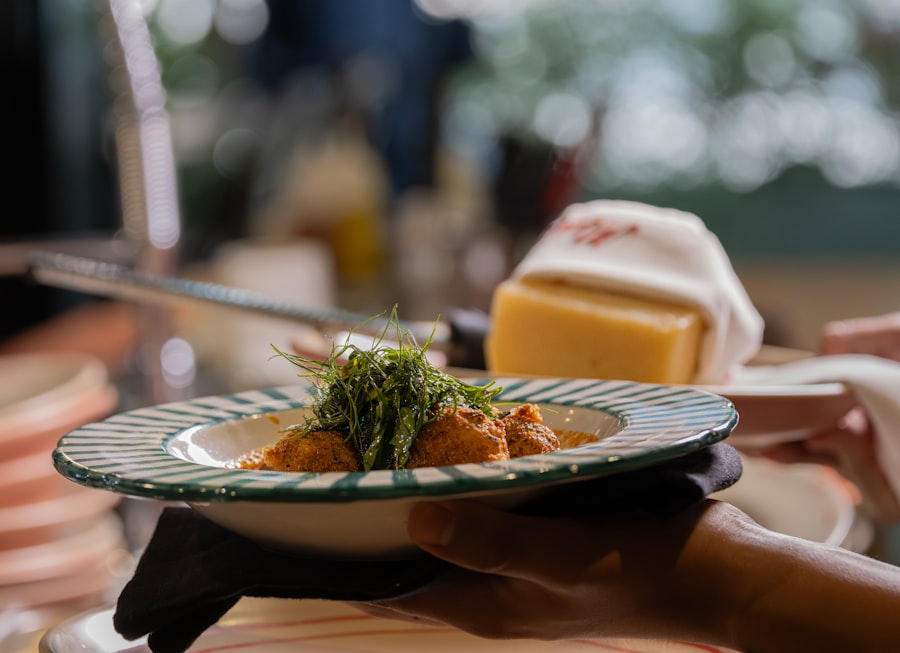
Traveling in style is an integral aspect of fine living, allowing individuals to explore new cultures while indulging in comfort and luxury. The journey begins with selecting destinations that resonate with personal interests—be it historical landmarks, breathtaking landscapes, or vibrant urban centers. Once the destination is chosen, consider booking accommodations that offer exceptional service and amenities, such as five-star hotels or boutique resorts.
Transportation also plays a significant role in enhancing the travel experience. Opt for first-class flights or private charters that provide added comfort during transit. While exploring new locales, prioritize experiences that reflect local culture—dining at renowned restaurants or participating in exclusive tours can create lasting memories.
Ultimately, traveling in style is about embracing new adventures while maintaining an elevated standard of comfort and sophistication.
Hosting Elegant Gatherings
Hosting elegant gatherings is an art that combines hospitality with creativity. The key to a successful event lies in meticulous planning and attention to detail. Begin by selecting a theme that resonates with your guests—whether it’s a formal dinner party or a casual garden gathering—and curate an atmosphere that reflects this vision through decor, lighting, and music.
Culinary offerings should be thoughtfully crafted to impress guests while accommodating dietary preferences. Consider serving a multi-course meal paired with exquisite wines or crafting signature cocktails that elevate the experience. Additionally, engaging activities such as live music or interactive games can foster connections among attendees, ensuring that everyone feels included and entertained.
By creating memorable gatherings infused with elegance and warmth, hosts can leave a lasting impression on their guests.
Nurturing the Mind, Body, and Spirit
Fine living encompasses holistic well-being—nurturing the mind, body, and spirit is essential for achieving balance and fulfillment. Engaging in regular physical activity not only promotes physical health but also enhances mental clarity and emotional resilience. Consider incorporating practices such as yoga or Pilates into your routine to cultivate strength and flexibility while fostering mindfulness.
Mental stimulation is equally important; reading literature, engaging in stimulating conversations, or pursuing new hobbies can enhance cognitive function and creativity. Additionally, nurturing the spirit through practices such as meditation or spending time in nature can foster inner peace and self-awareness. By prioritizing holistic well-being, individuals can cultivate a lifestyle that embodies harmony and grace.
Embracing the Beauty of Nature
Nature offers an abundance of beauty that can enhance one’s quality of life. Embracing the outdoors allows individuals to reconnect with their surroundings while fostering appreciation for the environment.
Engaging in outdoor activities such as hiking, gardening, or simply enjoying leisurely walks can provide opportunities for reflection and rejuvenation. Additionally, supporting conservation efforts or participating in community clean-up initiatives can foster a sense of responsibility toward preserving nature’s beauty for future generations. By embracing the outdoors, individuals can cultivate a deeper connection with the world around them.
Balancing Work and Leisure
Achieving balance between work and leisure is crucial for maintaining overall well-being in today’s fast-paced world. Establishing boundaries between professional responsibilities and personal time allows individuals to recharge and engage fully in both aspects of life. Consider implementing strategies such as time-blocking or prioritizing tasks to enhance productivity during work hours.
Leisure activities should be intentional—whether it’s pursuing hobbies, spending time with loved ones, or indulging in self-care practices—these moments are essential for rejuvenation. By consciously carving out time for relaxation and enjoyment, individuals can foster creativity and motivation within their professional endeavors while enriching their personal lives.
Passing Down the Tradition of Fine Living to Future Generations
The legacy of fine living is one that can be passed down through generations, instilling values of appreciation for quality experiences and meaningful connections. Educating children about the importance of elegance in everyday life—from dining etiquette to cultural appreciation—can help them develop a refined perspective on living. Encouraging exploration through travel or exposure to art can foster curiosity and creativity in younger generations.
By sharing stories of family traditions centered around fine living—such as hosting gatherings or engaging with nature—parents can inspire their children to embrace these values as they navigate their own lives. Ultimately, passing down the tradition of fine living ensures that future generations continue to appreciate beauty, sophistication, and meaningful connections. In summary, fine living encompasses various aspects of life—from creating luxurious spaces to nurturing holistic well-being—that collectively contribute to an enriched existence.
By embracing elegance in daily routines and fostering connections with art, culture, nature, and loved ones, individuals can cultivate a lifestyle characterized by fulfillment and joy while passing down these values to future generations.
If you’re looking to celebrate the festive spirit of the summer, you might find inspiration in the article about July’s festive holidays, which highlights events like Independence Day and National Ice Cream Day. You can read more about these celebrations and how to enjoy them by visiting this link: July’s Festive Holidays.
FAQs
What does the term “fine” mean?
The term “fine” can have multiple meanings depending on the context. It can refer to a monetary penalty imposed for breaking a law or rule, a description of something of high quality or excellence, or a state of being satisfactory or acceptable.
What is a fine in legal terms?
In legal terms, a fine is a financial penalty imposed by a court or regulatory authority as punishment for an offense, violation, or crime. It is usually paid to the government or relevant authority.
How are fines determined?
Fines are typically determined based on the severity of the offense, the laws or regulations violated, and sometimes the offender’s history. The amount can vary widely depending on jurisdiction and the specific circumstances of the case.
Can fines be appealed or contested?
Yes, in many legal systems, individuals or entities can appeal or contest fines if they believe the penalty was unjust or incorrect. The process and requirements for appeal vary by jurisdiction.
What happens if a fine is not paid?
If a fine is not paid, additional penalties may be imposed, such as increased fines, interest charges, or legal action. In some cases, failure to pay fines can lead to arrest warrants or other enforcement measures.
Are fines the same as fees or taxes?
No, fines are penalties for violations, whereas fees are charges for services, and taxes are compulsory contributions to government revenue. Each serves a different purpose and is governed by different rules.
Can fines be reduced or waived?
In some cases, fines can be reduced or waived based on factors such as financial hardship, first-time offenses, or cooperation with authorities. This depends on the policies of the issuing authority.
What are common examples of offenses that result in fines?
Common offenses that may result in fines include traffic violations, littering, noise complaints, minor criminal offenses, and regulatory infractions.
Is the term “fine” used in contexts other than legal penalties?
Yes, “fine” is also used to describe something of high quality (e.g., fine art), a delicate or precise texture (e.g., fine sand), or to indicate that someone is well or satisfactory (e.g., “I am fine”).