
Now Reading: Stay Healthy Abroad: Essential Travel Vaccines
-
01
Stay Healthy Abroad: Essential Travel Vaccines
Stay Healthy Abroad: Essential Travel Vaccines

Travel vaccines provide essential protection for individuals traveling internationally. International travel exposes people to infectious diseases that may be uncommon or absent in their home countries but prevalent in their destinations. These diseases can cause serious illness, long-term health complications, or death in unvaccinated individuals.
Vaccination before travel serves multiple purposes. It protects individual travelers from contracting diseases such as yellow fever, Japanese encephalitis, meningococcal disease, and hepatitis A and B. Additionally, vaccinated travelers help prevent the international spread of infectious diseases by reducing transmission chains that could lead to outbreaks in both destination and home countries.
Travel vaccines also support global health infrastructure. When unvaccinated travelers contract diseases abroad, they may require medical treatment that strains local healthcare systems, particularly in resource-limited settings. Furthermore, infected travelers can introduce diseases to new populations upon their return, potentially causing outbreaks in areas where these diseases were previously controlled or eliminated.
Many countries require proof of specific vaccinations for entry, particularly yellow fever vaccination for travelers arriving from endemic areas. The World Health Organization and national health authorities provide vaccination recommendations based on destination-specific disease risks, travel duration, planned activities, and individual health factors. Travelers should consult healthcare providers or travel medicine specialists 4-6 weeks before departure to ensure adequate time for vaccine series completion and immune response development.
Key Takeaways
- Travel vaccines are essential for preventing diseases specific to certain destinations.
- Common vaccines include those for yellow fever, typhoid, and hepatitis A and B.
- Vaccination timing is crucial, often requiring shots weeks before travel.
- Travelers with children or chronic illnesses need tailored vaccination plans.
- Staying healthy abroad involves vaccines plus hygiene, safe food, and mosquito protection.
Common Travel Vaccines
Several vaccines are commonly recommended for travelers, depending on their destination and individual health status. Among the most frequently administered are the hepatitis A and B vaccines, which protect against viral infections that can be contracted through contaminated food and water or through sexual contact. The typhoid vaccine is also essential for those traveling to areas where sanitation is poor, as it helps prevent severe gastrointestinal illness caused by Salmonella typhi.
Other notable vaccines include the yellow fever vaccine, which is mandatory for entry into certain countries in Africa and South America, and the meningococcal vaccine, recommended for travelers to regions with high rates of meningitis outbreaks. Additionally, the rabies vaccine is advised for individuals who may come into contact with animals in endemic areas. Each of these vaccines plays a significant role in preventing serious health complications during international travel.
Recommended Vaccines by Destination

Vaccination recommendations can vary significantly based on geographic location. For instance, travelers heading to sub-Saharan Africa or parts of South America should consider receiving the yellow fever vaccine due to the high prevalence of this disease in those regions. In contrast, individuals traveling to Southeast Asia may be advised to get vaccinated against Japanese encephalitis, particularly if they plan to spend extended periods in rural areas.
For example, during an outbreak of cholera, travelers to affected areas may be encouraged to receive the cholera vaccine. It is essential for travelers to consult with healthcare professionals or travel medicine specialists who can provide tailored advice based on current epidemiological data and individual health needs.
Timing of Vaccinations
The timing of vaccinations is a critical aspect of travel health preparation. Many vaccines require multiple doses administered over a specific timeframe to achieve optimal immunity. For instance, the hepatitis B vaccine is typically given in a three-dose series over six months, while the rabies vaccine may require pre-exposure prophylaxis consisting of three doses over 21 or 28 days.
Travelers should ideally begin their vaccination process at least 4-6 weeks before their departure date. This allows sufficient time for vaccines to take effect and for any potential side effects to be managed. In some cases, expedited vaccination schedules may be available for those who are unable to start early; however, this should be discussed with a healthcare provider.
Planning ahead ensures that travelers are adequately protected against infectious diseases before embarking on their journeys.
Where to Get Travel Vaccines
| Vaccine | Recommended For | Dose Schedule | Protection Duration | Common Side Effects |
|---|---|---|---|---|
| Hepatitis A | Travelers to developing countries | 2 doses, 6 months apart | 10-20 years | Soreness, headache, fatigue |
| Typhoid | Travelers to South Asia, Africa | Single dose injection or oral capsules (4 doses) | 2-3 years | Fever, rash, abdominal pain |
| Yellow Fever | Travelers to tropical Africa and South America | Single dose | 10 years or lifetime | Fever, muscle pain, headache |
| Rabies | Travelers with high risk of animal bites | 3 doses over 28 days | 1-3 years | Pain at injection site, headache |
| Japanese Encephalitis | Travelers to rural Asia for >1 month | 2 doses, 28 days apart | 1 year | Fever, muscle pain, fatigue |
| Cholera | Travelers to areas with active cholera transmission | 2 doses, 1-6 weeks apart | Up to 2 years | Diarrhea, nausea, abdominal pain |
Travel vaccines can be obtained from various sources, including primary care physicians, travel clinics, and public health departments. Many healthcare providers offer travel medicine services and can provide personalized vaccination recommendations based on individual health history and travel plans. Travel clinics are specialized facilities that focus on preventive care for travelers and often have access to a wider range of vaccines.
Additionally, some pharmacies have begun offering travel vaccinations as part of their services, making it more convenient for individuals to receive necessary immunizations. It is advisable for travelers to verify that the clinic or provider is accredited and knowledgeable about current vaccination guidelines and requirements for specific destinations.
Cost of Travel Vaccines
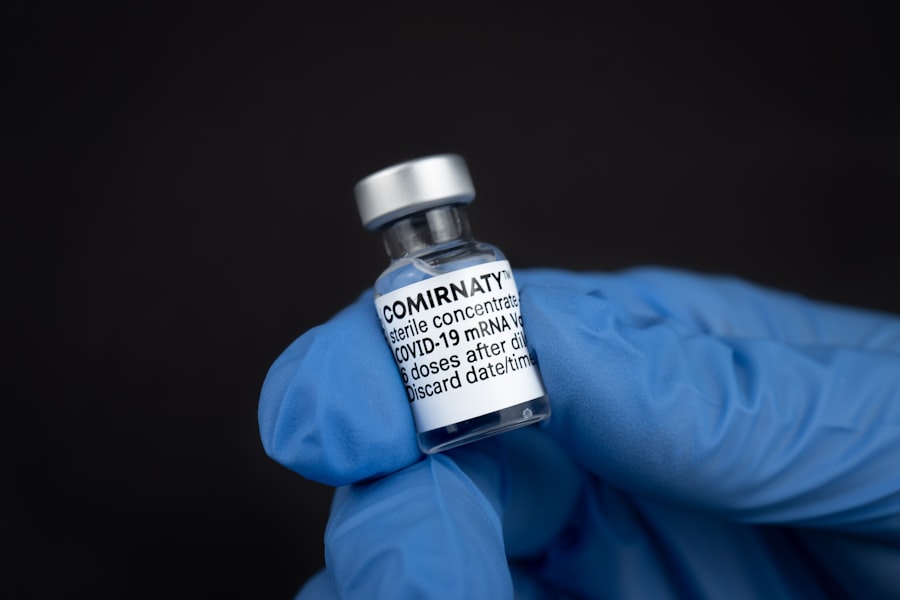
The cost of travel vaccines can vary widely depending on several factors, including the type of vaccine, the provider administering it, and geographic location. Some vaccines may be covered by health insurance plans, while others may require out-of-pocket expenses. For example, routine vaccines like hepatitis A and B may cost between $50 to $150 per dose, while specialized vaccines such as yellow fever can range from $150 to $300.
Travelers should inquire about costs when scheduling appointments and consider budgeting for additional expenses related to consultations or follow-up visits. It is also beneficial to check with insurance providers regarding coverage options for travel-related vaccinations. Being informed about potential costs can help travelers make better financial decisions while ensuring they receive necessary immunizations.
Side Effects and Risks of Travel Vaccines
While travel vaccines are generally safe and effective, they can cause side effects in some individuals. Common reactions include localized pain at the injection site, mild fever, fatigue, and headache. These symptoms typically resolve within a few days and are indicative of the body’s immune response to the vaccine.
It is essential for travelers to discuss their medical history with healthcare providers before vaccination to identify any potential contraindications or risks. Monitoring for side effects post-vaccination is also crucial; individuals should seek medical attention if they experience severe or persistent symptoms.
Traveling with Children: Vaccination Considerations
Traveling with children necessitates careful consideration regarding vaccinations. Pediatric populations may have different immunization schedules compared to adults, and some vaccines may not be recommended for younger children due to safety concerns or age restrictions. Parents should ensure that their children are up-to-date on routine vaccinations before traveling and consult with a pediatrician about any additional vaccines needed based on their destination.
It is also important for parents to educate themselves about specific health risks associated with traveling with children in certain regions. For instance, children may be more susceptible to diseases like malaria or dengue fever; therefore, preventive measures such as mosquito repellent and protective clothing should be emphasized alongside vaccination efforts.
Traveling with Chronic Illness: Vaccination Considerations
Individuals with chronic illnesses face unique challenges when it comes to travel vaccinations. Conditions such as diabetes, autoimmune disorders, or heart disease may affect how a person responds to vaccines or their susceptibility to infections. It is imperative for these travelers to consult with their healthcare providers well in advance of their trip to assess their vaccination needs and any necessary precautions.
In some cases, certain vaccines may be contraindicated for individuals with specific medical conditions or treatments that compromise immune function. Healthcare providers can offer tailored advice on which vaccines are safe and beneficial while also recommending alternative preventive measures such as prophylactic medications or lifestyle adjustments during travel.
Alternative Preventative Measures for Travelers
In addition to vaccinations, travelers should consider implementing alternative preventive measures to enhance their health while abroad. These strategies include practicing good hygiene by frequently washing hands with soap and water or using hand sanitizer when soap is unavailable. Avoiding consumption of raw or undercooked foods can also reduce the risk of foodborne illnesses.
Travelers should stay informed about local health advisories and outbreaks in their destination areas. Carrying a well-stocked first aid kit that includes medications for common ailments such as diarrhea or allergies can also be beneficial. Furthermore, maintaining adequate hydration and practicing safe sun exposure can contribute significantly to overall well-being during travels.
Staying Healthy Abroad: Beyond Vaccines
Staying healthy while traveling extends beyond receiving vaccinations; it encompasses a holistic approach to wellness during one’s journey. Travelers should prioritize nutrition by consuming balanced meals rich in fruits and vegetables while avoiding street food that may pose health risks. Regular physical activity can also enhance immune function and overall vitality.
Mental health is another critical aspect often overlooked during travel. The stress of navigating unfamiliar environments can take a toll on emotional well-being; therefore, incorporating relaxation techniques such as mindfulness or yoga can help mitigate anxiety levels. Additionally, ensuring adequate rest and sleep is vital for maintaining energy levels and resilience against illness.
In summary, travel vaccines are an essential component of responsible travel planning that protects both individual health and public safety. With various common vaccines available based on destination-specific risks, it is crucial for travelers to consult healthcare professionals regarding appropriate immunizations well in advance of their trips. Understanding the timing of vaccinations, potential costs involved, and side effects can further empower travelers in making informed decisions about their health abroad.
Special considerations must be taken when traveling with children or chronic illnesses, while alternative preventive measures can enhance overall wellness during international journeys. Ultimately, staying healthy while traveling requires a comprehensive approach that encompasses both preventive care and lifestyle choices conducive to well-being.
When planning your travels, it’s essential to consider the necessary vaccinations to ensure a safe and healthy trip. For more information on how federal holidays might affect your travel plans, you can check out this article on federal holidays in 2023. Understanding these dates can help you better prepare for your journey and any potential health requirements.
FAQs
What is a travel vaccine?
A travel vaccine is an immunization given to protect travelers from infectious diseases that are common or endemic in the destination country but not in their home country.
Why are travel vaccines important?
Travel vaccines help prevent travelers from contracting and spreading diseases such as yellow fever, typhoid, hepatitis A and B, and meningitis, ensuring safer travel and protecting public health.
When should I get a travel vaccine?
It is recommended to get travel vaccines at least 4 to 6 weeks before your trip to allow your body enough time to develop immunity.
How do I know which travel vaccines I need?
The required vaccines depend on your destination, duration of stay, activities planned, and your health status. Consult a healthcare provider or travel clinic for personalized recommendations.
Are travel vaccines mandatory?
Some countries require proof of certain vaccines, such as yellow fever, for entry. Always check the specific vaccination requirements of your destination country before traveling.
Can I get travel vaccines at my regular doctor’s office?
Many primary care providers offer travel vaccines, but specialized travel clinics may provide a wider range of vaccines and expert advice.
Are there any side effects of travel vaccines?
Most travel vaccines are safe, but some people may experience mild side effects like soreness at the injection site, fever, or fatigue. Serious side effects are rare.
Do children need travel vaccines?
Yes, children traveling internationally may require specific vaccines based on their destination and age. Pediatricians can provide guidance on appropriate immunizations.
Can travel vaccines protect against COVID-19?
COVID-19 vaccines are recommended for international travelers to reduce the risk of infection and severe illness. Check current guidelines for booster doses and travel requirements.
What should I do if I miss getting a travel vaccine before my trip?
If you miss the recommended vaccination window, consult a healthcare provider immediately. Some vaccines can still be given closer to departure, but protection may be reduced.


