Now Reading: Stages of Breast Cancer: Understanding the Progression
-
01
Stages of Breast Cancer: Understanding the Progression
Stages of Breast Cancer: Understanding the Progression
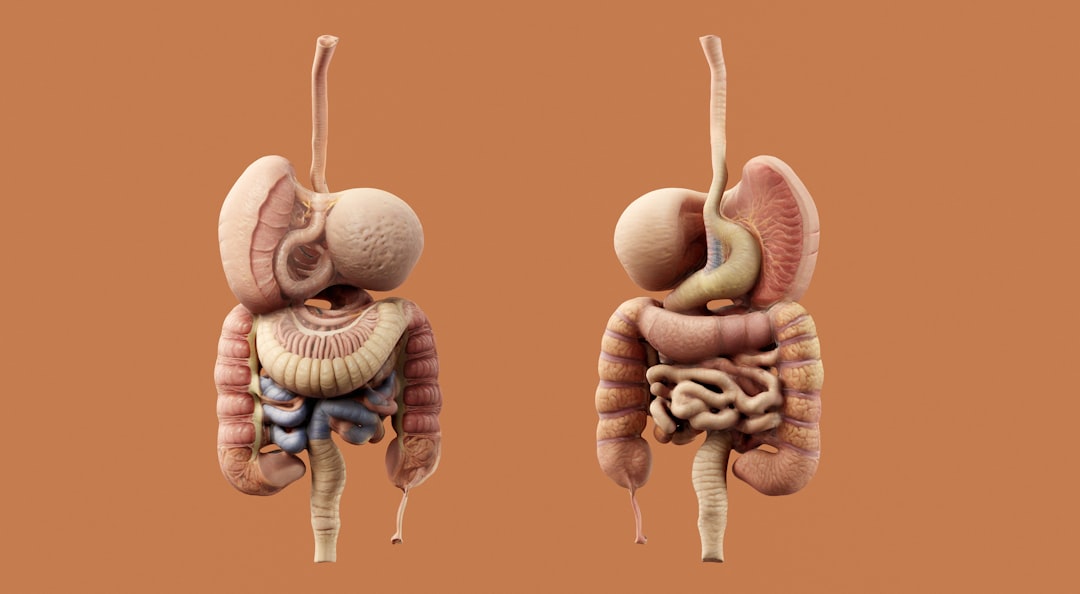
Breast cancer is a malignant neoplasm that originates in the breast tissue, primarily affecting the lobules or ducts. It is characterized by the uncontrolled proliferation of abnormal cells, which can invade surrounding tissues and metastasize to distant organs. Globally, breast cancer ranks as the most prevalent cancer among women, accounting for approximately 25% of all cancer cases.
While it predominantly affects females, men can also develop breast cancer, albeit at a significantly lower incidence rate. The pathophysiology of breast cancer is complex and multifactorial, involving genetic, hormonal, and environmental factors. Genetic mutations, particularly in the BRCA1 and BRCA2 genes, have been linked to hereditary breast cancer syndromes.
Hormonal influences, particularly estrogen and progesterone, play a crucial role in the development and progression of certain types of breast cancer. Environmental factors such as radiation exposure, lifestyle choices, and dietary habits also contribute to the risk profile of individuals.
Key Takeaways
- Breast cancer is a type of cancer that forms in the cells of the breast.
- Early stages of breast cancer may not cause any symptoms and can only be detected through screening.
- Stage 0 and Stage I breast cancer are considered non-invasive and have a high chance of successful treatment.
- Stage II and Stage III breast cancer are considered invasive and may require more aggressive treatment.
- Stage IV breast cancer is the most advanced stage and has spread to other parts of the body, making it more difficult to treat.
The Early Stages of Breast Cancer
Early Stages of Breast Cancer
The initial stages of breast cancer typically include Stage 0 (ductal carcinoma in situ) and Stage I. At this point, the tumor is localized and has not spread beyond the breast tissue.
Characteristics of Stage 0 and Stage I
Stage 0 is characterized by the presence of abnormal cells confined to the ducts of the breast. Stage I, on the other hand, indicates a small tumor (up to 2 centimeters) that has not invaded lymph nodes. During these stages, patients may not experience any noticeable symptoms, highlighting the importance of regular mammograms and clinical breast examinations.
Importance of Early Intervention
Early intervention during these stages can lead to less aggressive treatment options and higher survival rates.
Understanding Stage 0 and Stage I Breast Cancer
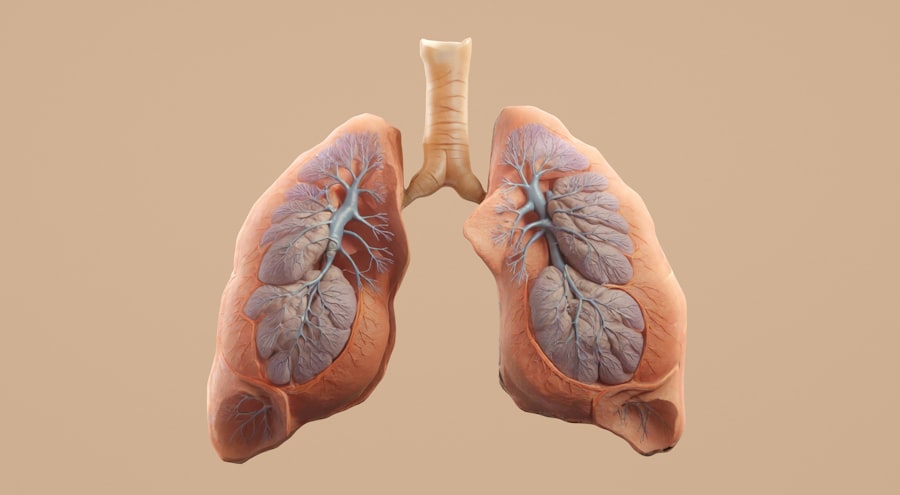
Stage 0 breast cancer, or ductal carcinoma in situ (DCIS), is a non-invasive condition where abnormal cells are found in the lining of the breast ducts but have not spread to surrounding tissues. Although DCIS is not life-threatening, it can increase the risk of developing invasive breast cancer in the future. Treatment options for Stage 0 typically include lumpectomy followed by radiation therapy or mastectomy, depending on individual risk factors and patient preferences.
Stage I breast cancer is defined by a tumor size of up to 2 centimeters with no lymph node involvement. At this stage, patients may present with a palpable lump or changes in breast appearance. The prognosis for Stage I is generally favorable, with a five-year survival rate exceeding 90%.
Treatment often involves a combination of surgery (lumpectomy or mastectomy), radiation therapy, and possibly adjuvant systemic therapies such as hormone therapy or chemotherapy based on tumor characteristics.
Exploring Stage II and Stage III Breast Cancer
| Stage | Survival Rate | Treatment Options |
|---|---|---|
| Stage II | 70-90% | Surgery, radiation, chemotherapy, hormone therapy |
| Stage III | 40-70% | Surgery, radiation, chemotherapy, hormone therapy, targeted therapy |
Stage II breast cancer is characterized by a larger tumor size (2-5 centimeters) or involvement of nearby lymph nodes. This stage is further divided into Stage IIA and IIB based on specific criteria regarding tumor size and lymph node status. Patients may experience symptoms such as a noticeable lump, changes in breast shape or texture, or swelling in the lymph nodes under the arm.
Stage III breast cancer represents a more advanced local disease with significant lymph node involvement or extensive local spread. This stage is subdivided into IIIA, IIIB, and IIIC based on tumor size and lymph node involvement. Symptoms may include persistent pain, skin changes such as redness or swelling, and enlarged lymph nodes.
Treatment for Stage II and III typically involves a multimodal approach that may include neoadjuvant chemotherapy to shrink tumors before surgery, followed by surgical intervention and adjuvant therapies.
The Advanced Stage of Breast Cancer: Stage IV
Stage IV breast cancer signifies metastatic disease where cancer cells have spread beyond the breast and regional lymph nodes to distant organs such as bones, liver, lungs, or brain. This stage is often associated with more severe symptoms including bone pain, respiratory difficulties, jaundice, or neurological changes depending on the sites of metastasis. The prognosis for Stage IV breast cancer varies widely but generally indicates a more challenging treatment landscape.
Management of Stage IV breast cancer focuses on palliative care aimed at improving quality of life while controlling disease progression. Systemic therapies such as chemotherapy, targeted therapy (e.g., HER2 inhibitors), and hormone therapy are commonly employed to manage symptoms and prolong survival. Clinical trials may also offer access to novel therapies that could provide additional treatment options for patients facing advanced disease.
Factors that Influence the Progression of Breast Cancer

Several factors influence the progression of breast cancer, including biological characteristics of the tumor, patient demographics, and lifestyle choices. Tumor biology encompasses aspects such as hormone receptor status (estrogen and progesterone receptors), HER2 status, and genetic mutations that can dictate treatment response and aggressiveness. Patient demographics such as age at diagnosis, family history of breast cancer, and ethnicity can also play significant roles in disease progression.
Lifestyle factors including obesity, physical inactivity, alcohol consumption, and smoking have been associated with an increased risk of developing more aggressive forms of breast cancer. Understanding these factors can aid in tailoring prevention strategies and treatment plans for individuals at risk.
Symptoms and Signs of Breast Cancer Progression
As breast cancer progresses through its stages, patients may experience a range of symptoms that can vary based on tumor location and extent of metastasis. Common signs include persistent lumps or masses in the breast or underarm area, changes in breast shape or size, skin dimpling or puckering, and discharge from the nipple. In advanced stages, systemic symptoms may arise due to metastasis to other organs.
For instance, bone metastases can lead to severe pain or fractures; lung involvement may cause persistent cough or shortness of breath; liver metastases can result in jaundice or abdominal swelling; while brain metastases may present with headaches or neurological deficits. Recognizing these symptoms early can facilitate timely medical intervention.
Diagnostic Tests for Monitoring Breast Cancer Progression
Monitoring breast cancer progression involves a combination of imaging studies and laboratory tests designed to assess tumor response to treatment and detect any signs of recurrence or metastasis.
In addition to imaging studies, blood tests such as tumor markers (e.g., CA 15-3 or CEA) can provide valuable information regarding disease status.
Biopsies may be performed to confirm metastatic disease or assess changes in tumor biology over time. Regular follow-up appointments with healthcare providers are essential for monitoring disease progression and adjusting treatment plans accordingly.
Treatment Options for Advanced Breast Cancer
Treatment options for advanced breast cancer are multifaceted and tailored to individual patient needs based on tumor characteristics and overall health status. Systemic therapies remain the cornerstone of management for metastatic disease. Chemotherapy regimens may include taxanes (e.g., paclitaxel) or anthracyclines (e.g., doxorubicin), which target rapidly dividing cancer cells.
Targeted therapies have revolutionized treatment for specific subtypes of breast cancer. For instance, HER2-positive tumors may be treated with trastuzumab (Herceptin) or pertuzumab (Perjeta), which inhibit HER2 signaling pathways. Hormonal therapies such as tamoxifen or aromatase inhibitors are effective for hormone receptor-positive tumors.
In addition to systemic treatments, palliative care plays a crucial role in managing symptoms associated with advanced disease. This may involve pain management strategies, nutritional support, psychological counseling, and complementary therapies aimed at enhancing quality of life.
Coping with the Emotional Impact of Breast Cancer Progression
The emotional toll of a breast cancer diagnosis and its progression can be profound for both patients and their families. Feelings of anxiety, depression, fear of recurrence, and uncertainty about the future are common psychological responses that require attention. Support systems including counseling services, support groups, and mental health professionals can provide essential coping strategies.
Engaging in open communication with healthcare providers about emotional well-being is vital for addressing mental health concerns throughout the treatment journey. Mindfulness practices such as meditation or yoga can also help alleviate stress and improve emotional resilience during challenging times.
The Importance of Early Detection and Regular Screening
Early detection remains one of the most effective strategies for improving outcomes in breast cancer management. Regular screening through mammography has been shown to reduce mortality rates by identifying tumors at earlier stages when they are more treatable. The American Cancer Society recommends annual mammograms starting at age 40 for average-risk women.
In addition to mammography, clinical breast exams and self-examinations play critical roles in early detection efforts. Educating individuals about risk factors and encouraging proactive health behaviors can empower them to take charge of their breast health. In summary, breast cancer is a complex disease that requires comprehensive understanding for effective management.
Early detection through regular screening significantly improves outcomes across all stages of the disease. Treatment options vary based on stage and individual characteristics but often involve a combination of surgery, systemic therapies, and supportive care aimed at enhancing quality of life. Emotional support is equally important in navigating the challenges posed by this diagnosis.
By fostering awareness about risk factors and promoting early detection strategies, we can work towards reducing the impact of this prevalent disease on individuals and communities alike.
Breast cancer is a disease that progresses through different stages, each with its own set of symptoms and treatment options. According to a recent article on boogger.com, understanding the stages of breast cancer is crucial for early detection and effective management of the disease. By recognizing the signs and symptoms associated with each stage, patients and healthcare providers can work together to develop a personalized treatment plan that offers the best possible outcome.
FAQs
What are the stages of breast cancer?
The stages of breast cancer are determined by the size of the tumor, whether the cancer has spread to nearby lymph nodes, and whether it has spread to other parts of the body.
How many stages of breast cancer are there?
There are 4 main stages of breast cancer: Stage 0, Stage I, Stage II, Stage III, and Stage IV. Each stage represents the extent of the cancer and helps guide treatment decisions.
What is Stage 0 breast cancer?
Stage 0 breast cancer, also known as carcinoma in situ, refers to non-invasive breast cancer where abnormal cells are found in the lining of a breast duct but have not spread outside the duct.
What is Stage I breast cancer?
Stage I breast cancer is an early stage of invasive breast cancer where the tumor measures up to 2 centimeters and has not spread to the lymph nodes or other parts of the body.
What is Stage II breast cancer?
Stage II breast cancer is divided into Stage IIA and Stage IIB. In Stage IIA, the tumor measures 2 centimeters or smaller and has spread to 1-3 nearby lymph nodes, or the tumor measures 2-5 centimeters and has not spread to the lymph nodes. In Stage IIB, the tumor measures 2-5 centimeters and has spread to 1-3 nearby lymph nodes, or the tumor is larger than 5 centimeters but has not spread to the lymph nodes.
What is Stage III breast cancer?
Stage III breast cancer is divided into Stage IIIA, Stage IIIB, and Stage IIIC. In Stage IIIA, the tumor is larger than 5 centimeters and has spread to 1-3 nearby lymph nodes, or the tumor is any size and has spread to 4-9 nearby lymph nodes. In Stage IIIB, the cancer has spread to the chest wall or caused swelling or ulceration of the breast skin. In Stage IIIC, the cancer has spread to 10 or more nearby lymph nodes.
What is Stage IV breast cancer?
Stage IV breast cancer, also known as metastatic breast cancer, is the most advanced stage where the cancer has spread to other parts of the body, such as the bones, liver, lungs, or brain. Treatment for Stage IV breast cancer focuses on controlling the spread of the cancer and managing symptoms.