Now Reading: Spice Up Your Cooking with Pepper
-
01
Spice Up Your Cooking with Pepper
Spice Up Your Cooking with Pepper
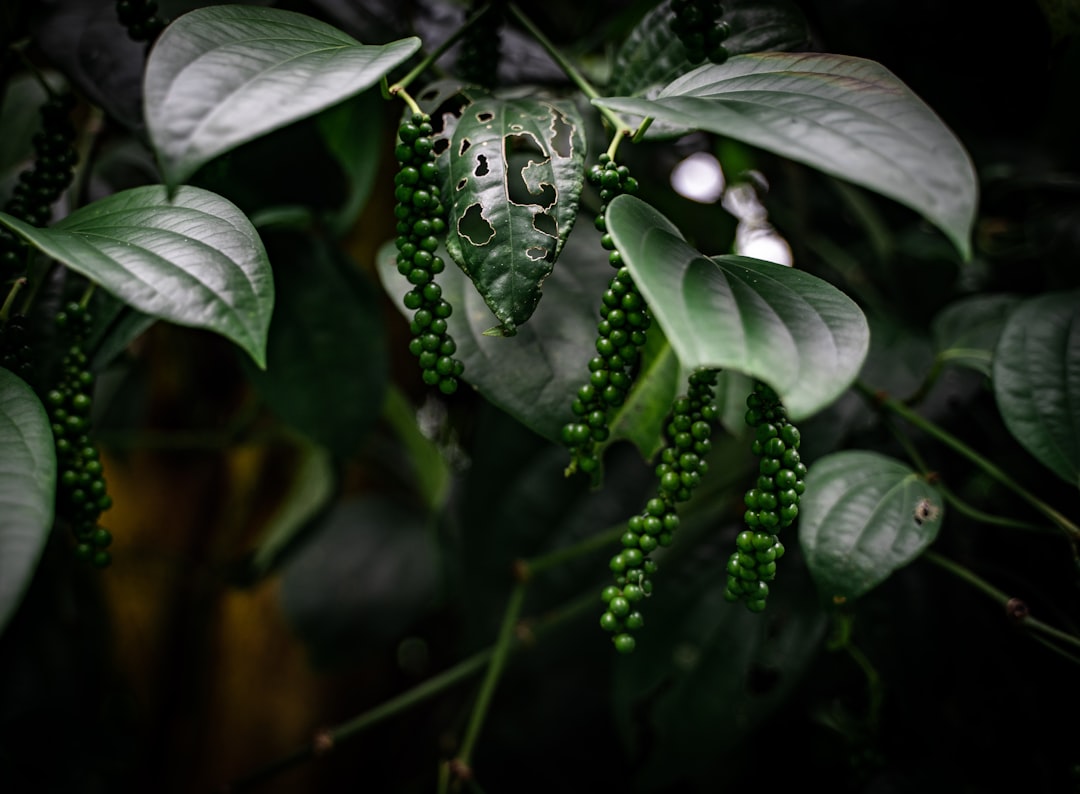
Pepper, often referred to as the “king of spices,” has a rich and storied history that dates back thousands of years. Its origins can be traced to the Malabar Coast of India, where it was cultivated as early as 2000 BCE. Ancient civilizations, including the Egyptians, Greeks, and Romans, prized pepper not only for its flavor but also for its medicinal properties.
In fact, it was so valuable that it was often used as currency and played a significant role in trade routes, particularly the Spice Route, which connected the East to the West. As the demand for pepper grew, it became a symbol of wealth and power. The Roman Empire’s insatiable appetite for spices led to the establishment of trade networks that spanned continents.
By the Middle Ages, pepper was a highly sought-after commodity in Europe, often referred to as “black gold.” Its influence extended beyond culinary uses; it was also believed to have protective qualities against diseases. The Age of Exploration in the 15th and 16th centuries further propelled its significance, as explorers sought new sources of this precious spice, leading to the colonization of various regions.
Key Takeaways
- Pepper has been used in cuisine since ancient times, with its history dating back to 2000 BC.
- There are different varieties of pepper, including black, white, green, and pink, each with its own unique flavor and uses in cooking.
- Pepper is known for its spicy, aromatic, and pungent flavor profile, which adds depth and complexity to dishes.
- In addition to its flavor, pepper also offers health benefits such as antioxidant properties and aiding in digestion.
- When using pepper in cooking, it can be used whole, ground, or freshly cracked to enhance the flavor of dishes.
The Different Varieties of Pepper: Black, White, Green, and Pink
Peppercorns come in several varieties, each with distinct characteristics and culinary applications. Black pepper, the most common type, is harvested when the berries are still green and then cooked and dried to develop its robust flavor. It is known for its pungency and is a staple in kitchens worldwide.
White pepper, on the other hand, is made from fully ripened berries that have been soaked to remove their outer skin. This process results in a milder flavor profile and is often used in light-colored dishes where visual appeal is essential. Green peppercorns are harvested before they fully ripen and are typically preserved in brine or freeze-dried.
They offer a fresh, slightly fruity flavor that can elevate sauces and salads. Pink peppercorns, while not true peppercorns but rather berries from the Peruvian pepper tree, provide a sweet and fruity taste with a hint of spice. Their vibrant color makes them an attractive garnish for various dishes.
Understanding these varieties allows chefs and home cooks alike to select the appropriate type of pepper for their culinary creations.
Understanding the Flavor Profile of Pepper: Spicy, Aromatic, and Pungent
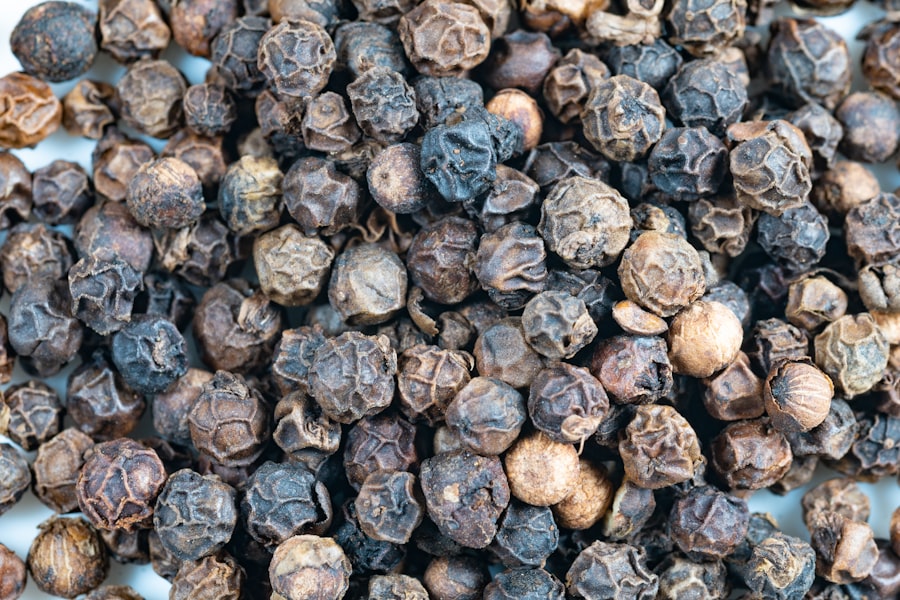
The flavor profile of pepper is complex and multifaceted, characterized by its spiciness, aromatic qualities, and pungency. The primary compound responsible for its heat is piperine, which stimulates the taste buds and creates a sensation of warmth. This spiciness can vary significantly between different types of pepper; for instance, black pepper tends to have a more pronounced heat compared to white pepper.
Aromatic compounds in pepper contribute to its distinctive fragrance, which can enhance the overall sensory experience of a dish. The interplay between spiciness and aroma makes pepper an essential ingredient in many cuisines around the globe. Its pungent nature can also serve as a flavor enhancer, elevating other ingredients in a dish.
Understanding these nuances allows cooks to use pepper strategically, balancing its heat with other flavors to create harmonious dishes.
Health Benefits of Pepper: Antioxidant Properties and Digestive Aid
| Health Benefit | Description |
|---|---|
| Antioxidant Properties | Pepper contains antioxidants that help protect the body from damage caused by harmful molecules called free radicals. |
| Digestive Aid | Pepper stimulates the production of hydrochloric acid in the stomach, which aids in digestion and helps prevent constipation. |
Beyond its culinary applications, pepper boasts numerous health benefits that have been recognized for centuries. One of its most notable properties is its high antioxidant content. Antioxidants play a crucial role in neutralizing free radicals in the body, which can contribute to chronic diseases such as cancer and heart disease.
The presence of piperine in black pepper has been shown to enhance the bioavailability of certain nutrients, making it easier for the body to absorb essential vitamins and minerals. Additionally, pepper is known for its digestive benefits. It stimulates the production of digestive enzymes, promoting better digestion and nutrient absorption.
This can be particularly beneficial for individuals suffering from digestive disorders or those looking to improve their overall gut health. Incorporating pepper into meals not only enhances flavor but also supports overall well-being.
Cooking Tips for Using Pepper: Whole, Ground, or Freshly Cracked
When it comes to using pepper in cooking, the form in which it is used can significantly impact flavor and aroma. Whole peppercorns retain their essential oils longer than ground pepper, making them ideal for infusing flavors into stocks or marinades. For maximum flavor extraction, consider using a mortar and pestle or a spice grinder to freshly crack whole peppercorns just before use.
To maintain its freshness, store ground pepper in an airtight container away from direct sunlight. Freshly cracked pepper adds a burst of flavor that can elevate even the simplest dishes.
Experimenting with different forms of pepper allows cooks to discover new dimensions of flavor in their culinary creations.
Pairing Pepper with Other Spices and Herbs: Enhancing Flavors in Your Dishes
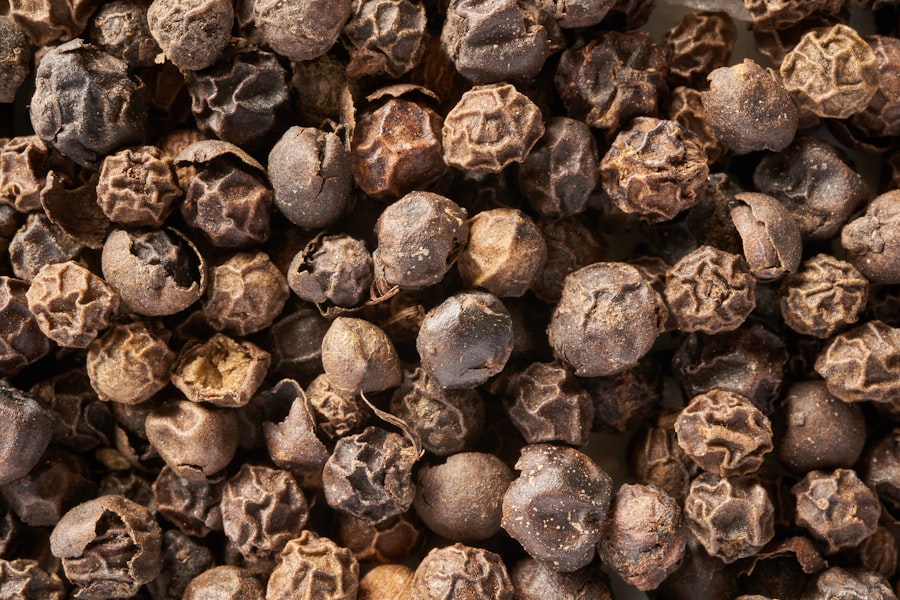
Pepper’s versatility extends beyond its individual flavor; it pairs beautifully with a wide array of spices and herbs. For instance, combining black pepper with garlic enhances savory dishes by adding depth and complexity. Similarly, pairing it with herbs like rosemary or thyme can elevate roasted meats and vegetables.
In sweet applications, black pepper can complement spices such as cinnamon or nutmeg, creating intriguing flavor profiles in desserts like chocolate cakes or fruit compotes. Understanding how to pair pepper with other ingredients allows cooks to craft dishes that are not only flavorful but also well-balanced.
Pepper in International Cuisine: From Indian Curries to Mexican Salsas
Pepper’s global presence is evident in various international cuisines. In Indian cooking, black pepper is often used alongside other spices like cumin and coriander to create rich curries that tantalize the palate. Its heat complements the complex flavors found in traditional dishes such as biryani or masala chai.
In Mexican cuisine, black pepper plays a crucial role in salsas and marinades, enhancing the flavors of fresh ingredients like tomatoes and cilantro. The spice’s ability to bridge cultural boundaries showcases its adaptability and importance across culinary traditions worldwide.
Using Pepper in Sweet Dishes: Exploring its Versatility in Desserts
While often associated with savory dishes, pepper’s unique flavor profile lends itself well to sweet applications as well. The warmth of black pepper can enhance desserts like chocolate mousse or spiced cakes by adding an unexpected kick that balances sweetness with heat. Additionally, incorporating freshly cracked black pepper into fruit-based desserts—such as poached pears or berry compotes—can elevate their natural flavors.
Experimenting with different types of pepper in sweet dishes opens up new avenues for creativity in baking and dessert-making. The contrast between sweet and spicy can create memorable culinary experiences that surprise and delight diners.
Pepper as a Preservative: Its Role in Food Preservation and Pickling
Historically, one of the lesser-known uses of pepper has been its role as a preservative. The antimicrobial properties of piperine make it effective in inhibiting the growth of certain bacteria and fungi, thus extending the shelf life of food products. In pickling processes, black peppercorns are often included alongside other spices to enhance flavor while also contributing to preservation.
Understanding how to utilize pepper effectively in preservation techniques can help home cooks create flavorful and long-lasting food products.
Pepper in Beverages: Adding a Kick to Cocktails and Hot Drinks
Pepper’s versatility extends beyond food; it can also add an exciting dimension to beverages. In cocktails, a dash of freshly cracked black pepper can enhance flavors by providing a subtle heat that complements spirits like gin or whiskey. Classic cocktails such as the Bloody Mary often incorporate black pepper for added depth.
In hot drinks like chai tea or spiced hot chocolate, black pepper contributes warmth and complexity that elevates the overall experience. Experimenting with different types of beverages allows mixologists and home bartenders alike to explore new flavor combinations that surprise guests.
The Art of Pepper Grinders: Choosing the Right Tool for Your Kitchen
Selecting the right tool for grinding pepper is essential for maximizing flavor potential. Manual grinders offer control over coarseness but require effort; electric grinders provide convenience but may lack precision. When choosing a grinder, consider factors such as material (ceramic vs.
stainless steel), size, and ease of use. Investing in a high-quality grinder ensures that you can enjoy freshly cracked pepper at any time while preserving its essential oils and flavors. A well-maintained grinder becomes an indispensable tool in any kitchen, allowing cooks to elevate their dishes effortlessly.
In summary, pepper has traversed through history as a prized spice with diverse applications across culinary traditions worldwide. Its various forms—black, white, green, and pink—each offer unique flavors that enhance dishes from savory curries to sweet desserts. With numerous health benefits attributed to its antioxidant properties and digestive aid capabilities, incorporating this spice into daily meals can promote overall well-being.
By understanding how to use different forms effectively while pairing them with complementary ingredients or exploring their roles in beverages or preservation techniques—cooks can unlock endless possibilities within their culinary repertoire while celebrating this remarkable spice’s legacy throughout time.
Pepper is a versatile spice that adds flavor and heat to a variety of dishes. If you’re interested in learning more about trends over time, you may want to check out this article on Understanding Amazon Stock Trends Over Time. It delves into the factors that influence stock prices and how to interpret market trends. Whether you’re spicing up your favorite recipe or your investment portfolio, understanding trends is key.
FAQs
What is a pepper?
A pepper is a fruit of the Capsicum plant, which is a member of the nightshade family. It is commonly used as a vegetable or spice in cooking.
What are the different types of peppers?
There are many different types of peppers, including bell peppers, chili peppers, jalapeño peppers, habanero peppers, and many more. Peppers can vary in size, shape, color, and level of spiciness.
Are all peppers spicy?
No, not all peppers are spicy. Bell peppers, for example, are not spicy at all, while chili peppers and other hot peppers can range from mildly spicy to extremely hot.
What are the health benefits of peppers?
Peppers are a good source of vitamins A and C, as well as antioxidants. They are also low in calories and can be a good addition to a healthy diet.
How are peppers used in cooking?
Peppers can be used in a variety of ways in cooking, including raw in salads, cooked in stir-fries or soups, roasted, stuffed, or pickled. They can also be dried and ground into a spice, such as paprika or chili powder.