Now Reading: Sparkling Spectacle: The Magic of Fireworks
-
01
Sparkling Spectacle: The Magic of Fireworks
Sparkling Spectacle: The Magic of Fireworks
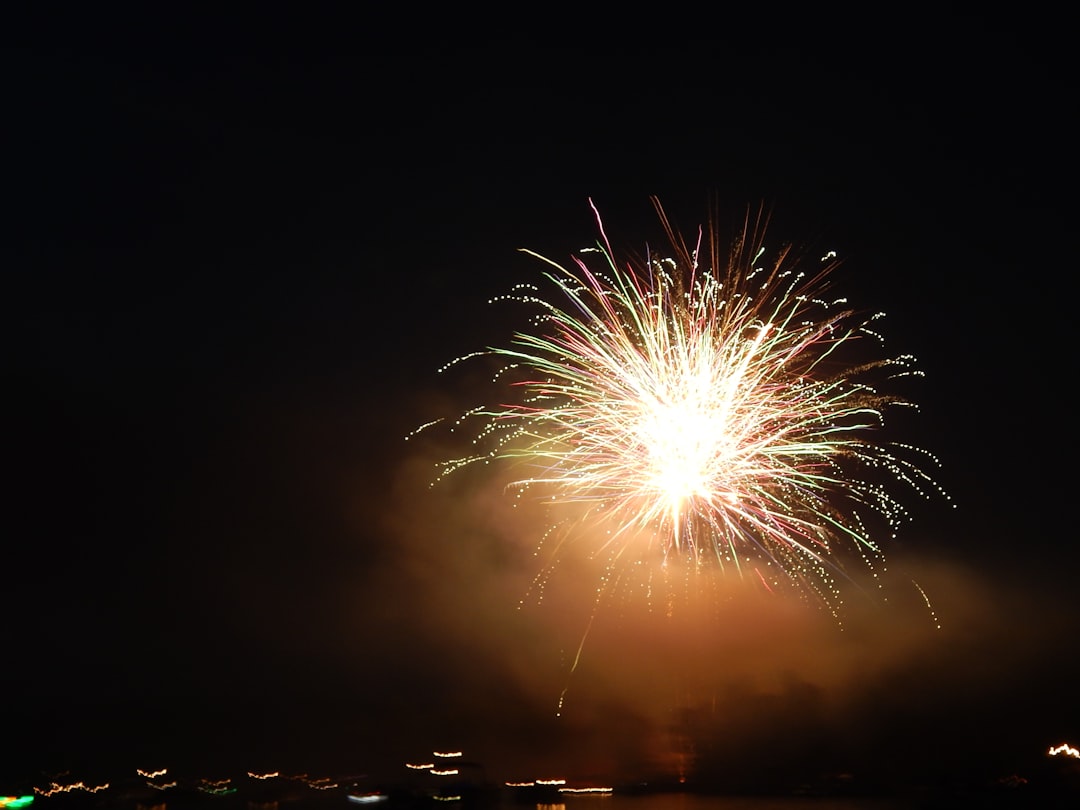
The origins of fireworks can be traced back to ancient China, where they were first developed during the Tang Dynasty (618-907 AD). Initially, these explosive devices were created by mixing saltpeter, sulfur, and charcoal, resulting in a rudimentary form of gunpowder. The Chinese utilized these early fireworks for various purposes, including religious ceremonies, military applications, and celebrations.
By the 12th century, the technology had spread to the Middle East and Europe, where it was further refined and adapted for entertainment. As the centuries progressed, fireworks evolved into a form of art and spectacle. By the Renaissance period, elaborate displays became popular at royal events and public celebrations across Europe.
The introduction of colored pyrotechnics in the 19th century marked a significant turning point in the history of fireworks. The addition of metal salts allowed for vibrant hues, transforming displays into breathtaking visual experiences. Today, fireworks are an integral part of global celebrations, from New Year’s Eve to national holidays, symbolizing joy and festivity.
Key Takeaways
- Fireworks have a long history, originating in ancient China and evolving into the modern displays we see today.
- The science behind fireworks involves a careful balance of chemical compounds and timing to create the dazzling effects we love.
- Designing fireworks displays is an art form that requires creativity, precision, and a deep understanding of pyrotechnics.
- From fountains to aerial shells, there are many different types of fireworks, each with its own unique characteristics and effects.
- Fireworks hold cultural significance around the world, often being used to celebrate important events and holidays.
The Science Behind the Sparkle: How Fireworks Work
At the core of every firework is a complex interplay of chemistry and physics. Fireworks operate on the principles of combustion and oxidation. When ignited, the gunpowder within a firework undergoes rapid combustion, producing gases that expand and create pressure.
This pressure propels the firework into the sky. Once at its apex, a fuse ignites the pyrotechnic stars contained within the shell, resulting in a dazzling explosion of color and light. The colors produced in fireworks are a result of specific metal salts that emit distinct wavelengths of light when heated.
For instance, strontium compounds yield red hues, while barium produces green. The arrangement of these compounds within the firework determines the overall visual effect. Additionally, the shape and size of the firework shell influence how the explosion disperses, creating various patterns in the sky.
Understanding these scientific principles allows pyrotechnicians to design intricate displays that captivate audiences.
The Art of Pyrotechnics: Designing and Creating Fireworks Displays
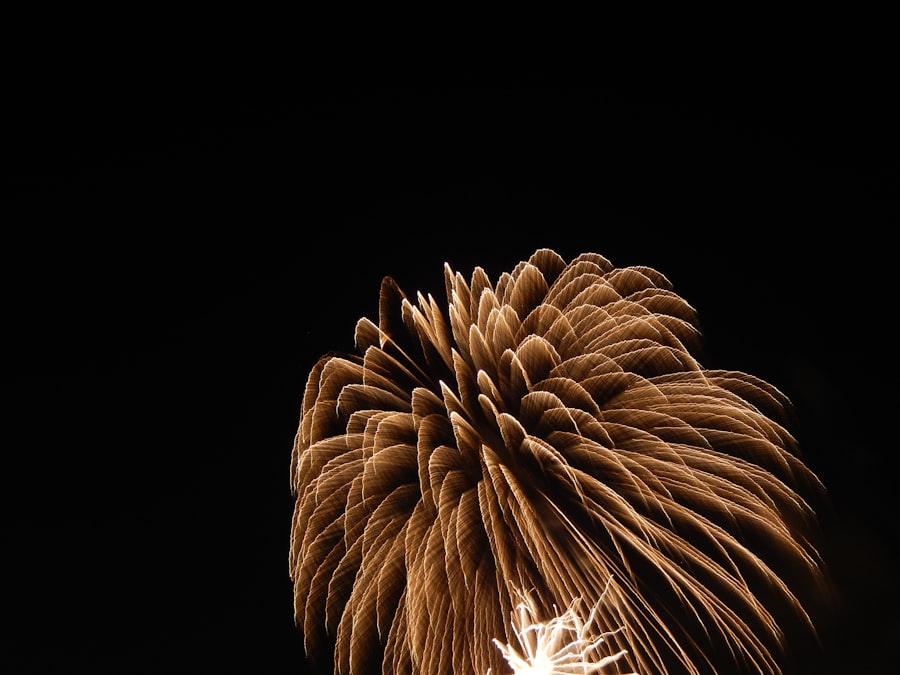
Designing a fireworks display is both an art and a science, requiring meticulous planning and creativity. Pyrotechnicians begin by considering the event’s theme, location, and audience size. They then select appropriate fireworks based on their visual effects, duration, and sound.
The choreography of a display is crucial; it involves timing each explosion to music or other elements to create a cohesive experience. The process also includes safety considerations. Pyrotechnicians must adhere to strict regulations regarding storage, transportation, and handling of explosives.
They often conduct site surveys to assess wind conditions and potential hazards. The culmination of this planning results in a breathtaking performance that combines artistry with technical precision, leaving spectators in awe.
The Different Types of Fireworks: From Fountains to Aerial Shells
| Firework Type | Description |
|---|---|
| Fountains | Ground-based fireworks that emit showers of sparks and colors. |
| Roman Candles | Long sticks that shoot out colored balls of fire and sparks. |
| Sparklers | Hand-held fireworks that produce colorful sparks and flames. |
| Aerial Shells | Larger fireworks that are launched into the sky and explode into colorful patterns. |
| Rockets | Fireworks that are propelled into the air and explode with a loud bang. |
Fireworks come in various forms, each designed to create unique effects. Ground-based fireworks include fountains, sparklers, and Roman candles. Fountains produce a steady stream of sparks and colors from a stationary base, while sparklers offer a handheld experience with their glowing trails.
Roman candles shoot multiple stars into the air sequentially, creating a series of bursts. Aerial shells are among the most popular types for large displays. These are typically launched from mortars and explode at high altitudes, creating stunning visual effects such as peonies, willows, and chrysanthemums.
Other types include cakes—multi-shot devices that combine several aerial shells into one unit—and novelties like smoke bombs and firecrackers that add variety to celebrations. Each type serves a distinct purpose in enhancing the overall spectacle.
The Cultural Significance of Fireworks Around the World
Fireworks hold profound cultural significance across various societies worldwide. In China, they are synonymous with celebrations such as Lunar New Year and weddings, symbolizing good fortune and warding off evil spirits. In India, Diwali—the Festival of Lights—features fireworks as a way to celebrate victory over darkness and ignorance.
In Western cultures, fireworks are often associated with national holidays like Independence Day in the United States or Bastille Day in France. These displays serve as communal experiences that foster national pride and unity. Regardless of cultural context, fireworks evoke emotions of joy and wonder, transcending language barriers and bringing people together in celebration.
Safety First: Tips for Enjoying Fireworks Responsibly
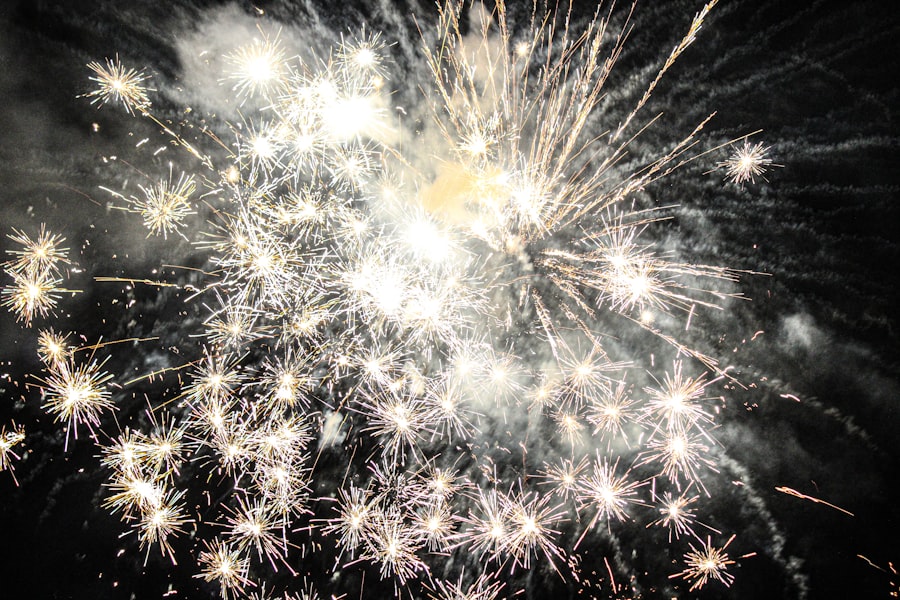
While fireworks are a source of joy, safety should always be a priority when enjoying them. Here are essential tips for responsible fireworks use: 1. **Follow Local Laws**: Always check local regulations regarding fireworks usage; some areas may prohibit personal use.
2.
**Choose Safe Locations**: Use fireworks in open areas away from flammable materials, buildings, and crowds.
3. **Wear Protective Gear**: Safety goggles and gloves can protect against accidental sparks or debris.
4. **Have Water Ready**: Keep a bucket of water or a hose nearby to extinguish any misfires or fires that may occur.
5.
**Supervise Children**: Ensure that children are kept at a safe distance from fireworks and never allow them to handle them.
6. **Use Fireworks Responsibly**: Light one firework at a time and maintain a safe distance after ignition. By adhering to these guidelines, individuals can enjoy fireworks while minimizing risks associated with their use.
The Psychology of Fireworks: Why We Love the Spectacle
The fascination with fireworks can be attributed to several psychological factors. Firstly, they evoke strong emotional responses; the combination of bright colors, loud sounds, and intricate patterns stimulates our senses and creates feelings of excitement and wonder. This sensory overload can trigger the release of dopamine—a neurotransmitter associated with pleasure—making us crave more experiences like these.
Moreover, fireworks often symbolize celebration and togetherness. They are frequently associated with significant life events such as weddings or national holidays, reinforcing social bonds among participants. The shared experience of watching a fireworks display fosters community spirit and collective joy, making it an integral part of many cultural traditions.
The Biggest Fireworks Displays in the World: Awe-Inspiring Shows
Some fireworks displays have gained international acclaim for their grandeur and scale. One such event is the New Year’s Eve celebration in Sydney Harbour, Australia, which features over 7 tons of fireworks launched from multiple locations around the harbor. This spectacular show attracts millions of viewers both on-site and through broadcasts worldwide.
Another notable display occurs during the Fourth of July celebrations in New York City’s East River. The Macy’s Fireworks Show features over 60,000 shells launched from barges along the riverfront, creating an unforgettable visual experience that lasts approximately 25 minutes. These events exemplify how fireworks can transform urban landscapes into breathtaking canvases of light.
The Environmental Impact of Fireworks: Balancing Beauty and Conservation
While fireworks provide visual delight, they also pose environmental challenges that warrant consideration. The combustion process releases particulate matter into the atmosphere, contributing to air pollution that can affect respiratory health in vulnerable populations. Additionally, debris from fireworks can litter natural landscapes and waterways.
To mitigate these impacts, some communities are exploring alternative options such as drone light shows or quieter pyrotechnics that produce less smoke and noise pollution.
The Future of Fireworks: Innovations and Advancements in Pyrotechnics
The future of fireworks is poised for innovation as technology continues to advance. One promising development is the integration of digital technology into pyrotechnics. Programmable firing systems allow for precise timing and synchronization with music or other multimedia elements, enhancing the overall experience for spectators.
As public awareness regarding environmental issues grows, the pyrotechnics industry is likely to adapt by embracing sustainable practices while continuing to deliver awe-inspiring displays.
Capturing the Magic: Tips for Photographing Fireworks Displays
Photographing fireworks can be challenging yet rewarding when done correctly. Here are some tips for capturing stunning images: 1. **Use a Tripod**: A stable base is essential for long exposure shots that capture the full brilliance of fireworks.
2.
**Adjust Camera Settings**: Use manual mode to control exposure time; longer exposures (2-10 seconds) can yield beautiful trails.
3. **Focus on Composition**: Frame your shot thoughtfully; consider including landmarks or silhouettes to add context.
4. **Experiment with Angles**: Try different perspectives to find unique compositions that stand out.
5.
**Practice Patience**: Fireworks displays can be unpredictable; be prepared for trial and error as you refine your technique. By following these guidelines, photographers can immortalize the magic of fireworks displays through their lenses. In summary, fireworks have evolved from ancient Chinese inventions into spectacular displays enjoyed worldwide today.
Their scientific principles underpinning combustion create mesmerizing effects that captivate audiences across cultures. As we celebrate this art form responsibly while considering its environmental impact, innovations continue to shape its future—ensuring that fireworks remain a cherished part of our collective experience for generations to come.
If you’re a fan of fireworks, you may also enjoy reading about the history and significance of Juneteenth, a new federal holiday celebrating the end of slavery in the United States. Check out this article to learn more about how this important day is celebrated and its cultural impact.
FAQs
What are fireworks?
Fireworks are a type of explosive pyrotechnic device used for entertainment and celebrations. They are commonly used to mark special occasions such as Independence Day, New Year’s Eve, and other cultural and religious festivals.
How do fireworks work?
Fireworks are made up of a casing, an explosive charge, and various chemical compounds that create the colors and effects. When the fuse is lit, it ignites the explosive charge, which in turn ignites the chemical compounds, producing the visual and auditory effects we associate with fireworks.
Are fireworks dangerous?
Fireworks can be dangerous if not handled properly. They can cause burns, eye injuries, and hearing damage if used incorrectly. It is important to follow safety guidelines and local laws when using fireworks.
What are the different types of fireworks?
There are several different types of fireworks, including aerial shells, roman candles, fountains, sparklers, and firecrackers. Each type produces different effects and is used for different purposes in fireworks displays.
Where are fireworks commonly used?
Fireworks are commonly used in celebrations and events around the world, including national holidays, religious festivals, weddings, and sporting events. They are also used in professional fireworks displays and competitions.