Now Reading: Rising Super Flu Cases: What You Need to Know
-
01
Rising Super Flu Cases: What You Need to Know
Rising Super Flu Cases: What You Need to Know

The term “Super Flu” is not an official medical or scientific designation, but rather a colloquial expression sometimes used to describe influenza strains with enhanced virulence, transmissibility, or resistance to existing treatments and vaccines.
Influenza viruses naturally undergo genetic changes through two primary mechanisms: antigenic drift (gradual mutations) and antigenic shift (reassortment of genetic segments).
These changes can result in strains that differ significantly from circulating seasonal influenza viruses, potentially leading to reduced vaccine effectiveness and increased disease severity. When such variants emerge with pandemic potential, they may cause widespread illness due to limited population immunity. Global health organizations, including the World Health Organization (WHO) and national public health agencies like the Centers for Disease Control and Prevention (CDC), maintain comprehensive influenza surveillance systems.
These networks monitor circulating strains, assess their pandemic potential, and coordinate international responses. The WHO’s Global Influenza Surveillance and Response System (GISRS) tracks influenza activity worldwide and provides recommendations for seasonal vaccine composition and pandemic preparedness measures.
Key Takeaways
- The Super Flu is a highly contagious and severe strain of influenza with distinct symptoms and rapid spread.
- High-risk groups include the elderly, young children, and individuals with weakened immune systems.
- Prevention focuses on vaccination, hygiene practices, and avoiding close contact with infected individuals.
- Early treatment and medical consultation are crucial for managing symptoms and preventing complications.
- Ongoing research aims to improve vaccines and develop more effective treatments to combat the Super Flu.
Symptoms of the Super Flu
Symptoms associated with the Super Flu can be more severe than those of typical influenza infections. Common manifestations include high fever, severe body aches, fatigue, and respiratory distress. Patients may also experience gastrointestinal symptoms such as nausea, vomiting, and diarrhea, which are less common in standard flu cases.
The rapid onset of symptoms can lead to confusion and misdiagnosis, as individuals may initially attribute their condition to a common cold or other viral infections. In some cases, the Super Flu can lead to complications such as pneumonia, acute respiratory distress syndrome (ARDS), or exacerbation of pre-existing chronic conditions like asthma or heart disease. The severity of symptoms can vary widely among individuals, with some experiencing mild illness while others may require hospitalization.
Early recognition of these symptoms is vital for timely intervention and management.
How the Super Flu Spreads
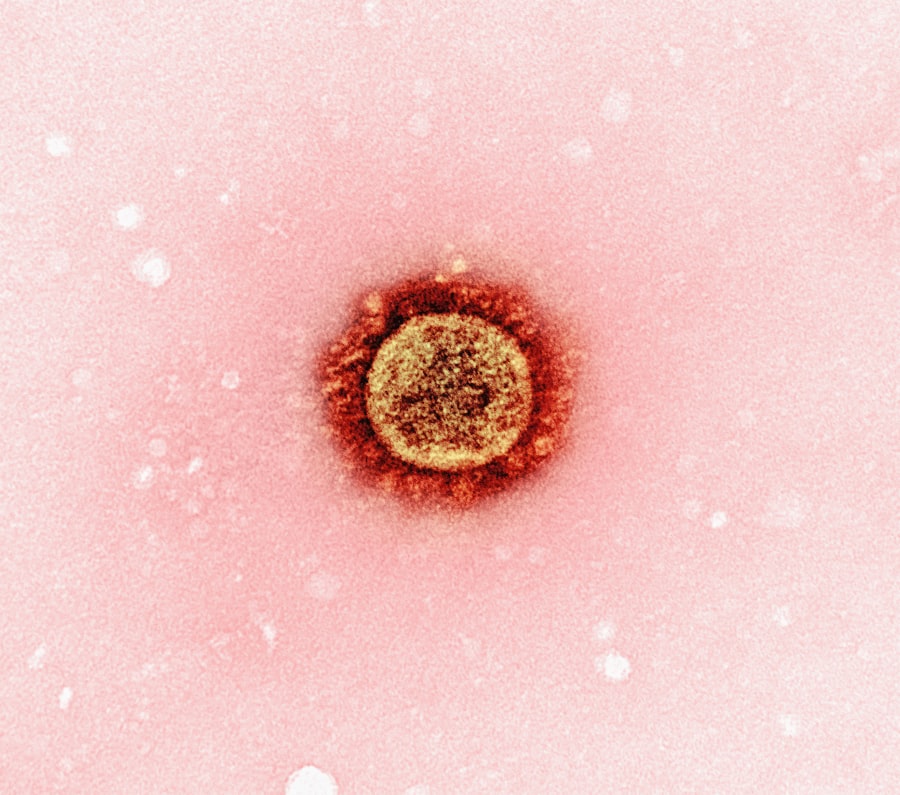
Transmission of the Super Flu occurs primarily through respiratory droplets expelled when an infected person coughs, sneezes, or talks. These droplets can be inhaled by individuals in close proximity, facilitating rapid spread within communities. Additionally, the virus can survive on surfaces for several hours, allowing for indirect transmission when individuals touch contaminated objects and subsequently touch their face.
The reproductive number (R0) of the Super Flu is often higher than that of standard influenza strains, indicating a greater potential for outbreaks. Factors such as crowded living conditions, poor ventilation, and low vaccination rates can exacerbate the spread of the virus. Understanding these transmission dynamics is essential for implementing effective public health measures aimed at curbing outbreaks.
High-Risk Groups for Super Flu
Certain populations are at an increased risk for severe illness from the Super Flu. These high-risk groups include young children, elderly individuals over 65 years of age, pregnant women, and those with underlying health conditions such as diabetes, chronic lung disease, or immunocompromised states. The presence of comorbidities can significantly increase the likelihood of complications and hospitalizations.
Healthcare workers and caregivers are also at heightened risk due to their close contact with infected individuals. Public health initiatives must prioritize these vulnerable populations to ensure they receive appropriate vaccinations and preventive measures. Targeted outreach and education can help mitigate risks within these groups.
Prevention and Precautionary Measures
| Region | Reported Cases | Hospitalizations | Deaths | Recovery Rate (%) | Vaccination Coverage (%) |
|---|---|---|---|---|---|
| North America | 15,000 | 3,200 | 450 | 97.0 | 65.5 |
| Europe | 12,500 | 2,800 | 380 | 96.5 | 70.2 |
| Asia | 25,000 | 5,500 | 1,200 | 95.2 | 58.7 |
| Africa | 8,000 | 1,900 | 600 | 92.0 | 40.3 |
| South America | 10,200 | 2,300 | 500 | 93.5 | 55.1 |
| Oceania | 2,300 | 450 | 50 | 98.0 | 72.4 |
Preventing the spread of the Super Flu requires a multifaceted approach that includes vaccination, hygiene practices, and public health interventions. Annual influenza vaccinations are crucial in reducing the incidence of flu-related complications and hospitalizations. Vaccines are formulated each year based on circulating strains, making it essential for individuals to receive their shots annually.
Regular handwashing with soap and water for at least 20 seconds can significantly reduce the risk of infection. The use of alcohol-based hand sanitizers is also effective when soap and water are unavailable.
Furthermore, individuals should avoid close contact with sick individuals and practice respiratory etiquette by covering coughs and sneezes with tissues or elbows.
Treatment Options for Super Flu
Treatment options for the Super Flu primarily involve antiviral medications that target viral replication. Oseltamivir (Tamiflu) and zanamivir (Relenza) are two commonly prescribed antiviral agents that can reduce the duration of symptoms if administered within 48 hours of symptom onset. These medications work by inhibiting neuraminidase, an enzyme critical for viral release from infected cells.
In severe cases, hospitalization may be required for supportive care, including oxygen therapy or mechanical ventilation for patients experiencing respiratory failure. Corticosteroids may be utilized in certain situations to reduce inflammation in severe pneumonia cases. It is essential for healthcare providers to assess each patient’s condition carefully to determine the most appropriate treatment plan.
Importance of Vaccination
Vaccination remains one of the most effective strategies for preventing the Super Flu and mitigating its impact on public health. The annual flu vaccine is designed to protect against the most prevalent strains circulating during flu season. By receiving the vaccine, individuals not only protect themselves but also contribute to herd immunity, reducing transmission within communities.
Public health campaigns play a crucial role in promoting vaccination uptake among high-risk populations. Education about the safety and efficacy of vaccines can alleviate concerns and encourage individuals to seek immunization. Additionally, healthcare providers should actively recommend vaccinations during routine visits to ensure that patients are adequately protected against influenza.
What to Do If You Suspect You Have the Super Flu
If an individual suspects they have contracted the Super Flu, it is imperative to seek medical attention promptly. Early diagnosis can facilitate timely treatment and reduce the risk of complications. Patients should inform their healthcare provider about their symptoms and any recent exposure to known cases of influenza.
Self-isolation is recommended to prevent further transmission while awaiting medical evaluation. Individuals should monitor their symptoms closely and seek emergency care if they experience difficulty breathing, chest pain, or confusion. Adhering to public health guidelines during this period is essential in protecting others from potential infection.
The Impact of Super Flu on Public Health
The emergence of the Super Flu poses significant challenges to public health systems worldwide. Outbreaks can lead to increased hospitalizations, strain healthcare resources, and result in economic burdens due to lost productivity and healthcare costs. Surveillance programs are critical in identifying outbreaks early and implementing containment measures.
Moreover, public health authorities must engage in proactive communication strategies to inform communities about risks associated with the Super Flu. This includes disseminating information about vaccination campaigns, hygiene practices, and recognizing symptoms early on. Collaborative efforts between governments, healthcare providers, and communities are essential in managing the impact of this formidable virus.
The Latest Research and Developments in Super Flu Prevention and Treatment
Ongoing research into the Super Flu focuses on understanding its genetic evolution and developing more effective vaccines and antiviral treatments. Scientists are exploring universal flu vaccines that could provide broader protection against multiple strains of influenza, potentially reducing the need for annual vaccinations. Additionally, advancements in antiviral therapies are being investigated to enhance treatment options for severe cases of influenza.
Clinical trials are underway to evaluate new compounds that may offer improved efficacy against resistant strains of the virus. Staying informed about these developments is crucial for healthcare providers and public health officials alike.
How to Support Loved Ones with the Super Flu
Supporting loved ones affected by the Super Flu requires empathy and practical assistance. Individuals should encourage those who are ill to rest and stay hydrated while monitoring their symptoms closely. Providing nutritious meals or helping with household tasks can alleviate some burdens during recovery.
It is also important to maintain open lines of communication with healthcare providers on behalf of loved ones who may be too unwell to advocate for themselves. Offering emotional support through regular check-ins can help alleviate feelings of isolation that often accompany illness. Encouraging adherence to treatment plans and preventive measures can further aid in their recovery process.
In summary, understanding the complexities surrounding the Super Flu is essential for effective management and prevention strategies. By recognizing symptoms early, prioritizing vaccination efforts, and implementing robust public health measures, communities can mitigate the impact of this formidable virus on public health systems worldwide. Ongoing research will continue to shape our approach to combating influenza strains that threaten global health security.
Recent reports have highlighted a concerning rise in super flu cases, prompting health officials to urge the public to take preventive measures. For employers looking to navigate the complexities of health-related absences during this flu season, a helpful resource can be found in the article on paid legal holidays, which discusses how to manage employee time off effectively. You can read more about it in this guide for employers.
FAQs
What is the “super flu”?
The term “super flu” generally refers to a highly contagious and severe strain of the influenza virus that may cause more serious illness than typical seasonal flu strains.
How does the super flu differ from regular flu strains?
The super flu often has mutations that make it more transmissible, resistant to standard antiviral treatments, or capable of causing more severe symptoms and complications.
What are the symptoms of the super flu?
Symptoms are similar to regular flu and include high fever, cough, sore throat, body aches, fatigue, and sometimes severe respiratory distress.
How is the super flu transmitted?
Like other influenza viruses, the super flu spreads primarily through respiratory droplets when an infected person coughs, sneezes, or talks, and by touching contaminated surfaces.
Are there vaccines available for the super flu?
Vaccines may be developed specifically for the super flu strain, but their availability depends on the identification and characterization of the virus. Seasonal flu vaccines may not provide full protection.
What treatments are effective against the super flu?
Antiviral medications may be used, but some super flu strains can be resistant. Supportive care and hospitalization may be necessary for severe cases.
How can individuals protect themselves from the super flu?
Preventive measures include frequent hand washing, wearing masks in crowded places, avoiding close contact with sick individuals, and getting vaccinated when a vaccine is available.
Is the super flu more dangerous for certain groups?
Yes, young children, elderly individuals, pregnant women, and people with weakened immune systems or chronic health conditions are at higher risk of severe illness.
What should someone do if they suspect they have the super flu?
They should seek medical advice promptly, especially if experiencing severe symptoms, to receive appropriate care and reduce the risk of spreading the virus.
How do health authorities monitor and respond to super flu outbreaks?
Authorities conduct surveillance, promote vaccination campaigns, issue public health guidelines, and may implement containment measures to control the spread.