Now Reading: Revolutionizing Heart Health: The Cardiovascular Institute’s Impact
-
01
Revolutionizing Heart Health: The Cardiovascular Institute’s Impact
Revolutionizing Heart Health: The Cardiovascular Institute’s Impact
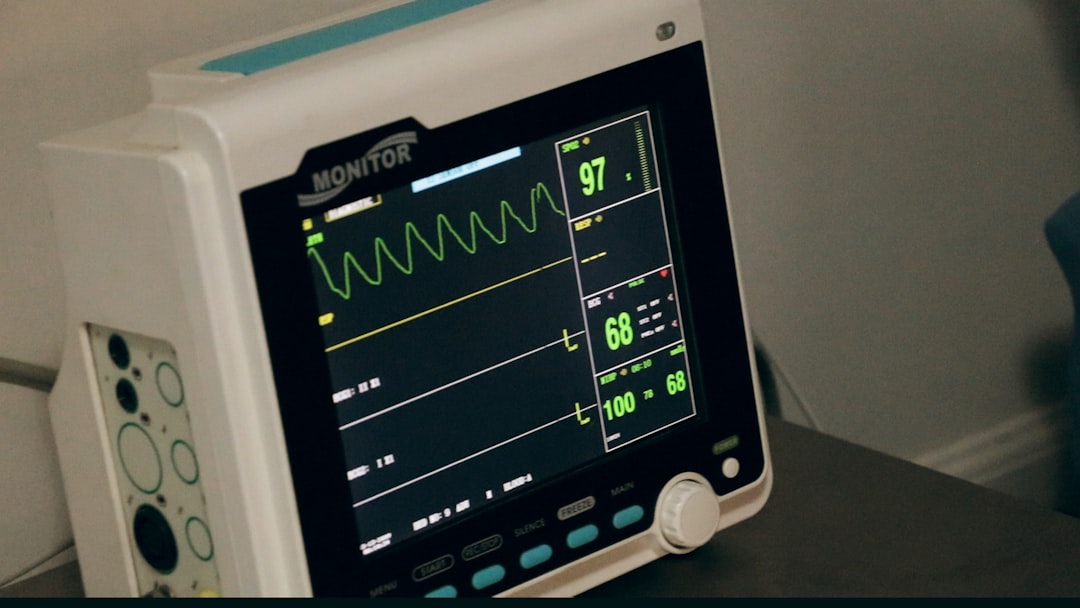
The Cardiovascular Institute is dedicated to revolutionizing heart health through a multifaceted approach that encompasses prevention, treatment, and education. With a mission to enhance the quality of life for individuals affected by cardiovascular diseases, the Institute strives to provide comprehensive care that addresses the unique needs of each patient. By integrating cutting-edge research with clinical practice, the Institute aims to reduce the burden of heart disease, which remains a leading cause of morbidity and mortality worldwide.
At the core of the Institute’s mission is a commitment to innovation and excellence in cardiovascular care. This commitment is reflected in their state-of-the-art facilities, where advanced diagnostic tools and therapeutic techniques are employed to deliver personalized treatment plans. The Institute recognizes that heart health is not merely the absence of disease but a holistic state of well-being that encompasses physical, emotional, and social dimensions.
Therefore, their mission extends beyond traditional medical interventions to include lifestyle modifications, patient education, and community outreach initiatives.
Key Takeaways
- The Cardiovascular Institute is dedicated to transforming heart health through cutting-edge technologies and research.
- Innovations in cardiovascular care at the Institute are revolutionizing treatment through minimally invasive procedures and preventative care.
- Research and development have a significant impact on improving heart disease treatment and patient outcomes.
- The Institute’s collaborative approach to cardiovascular care and commitment to patient education empower individuals to take control of their heart health.
- Addressing disparities in cardiovascular health and expanding access to care are key focuses of the Institute’s outreach initiatives and telemedicine efforts.
Innovations in Cardiovascular Care: The Institute’s Cutting-Edge Technologies
The Cardiovascular Institute is at the forefront of technological advancements in cardiovascular care, utilizing innovative tools and methodologies to enhance patient outcomes. Among these innovations are advanced imaging techniques such as cardiac MRI and CT angiography, which provide detailed insights into cardiac anatomy and function. These imaging modalities enable clinicians to make accurate diagnoses and tailor treatment strategies effectively.
In addition to imaging technologies, the Institute employs minimally invasive surgical techniques, such as transcatheter aortic valve replacement (TAVR) and percutaneous coronary interventions (PCI). These procedures significantly reduce recovery times and minimize complications compared to traditional open-heart surgeries. Furthermore, the integration of artificial intelligence (AI) in diagnostic processes allows for more precise risk stratification and personalized treatment plans, ultimately improving patient care.
The Impact of Research and Development on Heart Disease Treatment

Research and development play a pivotal role in advancing the understanding and treatment of heart disease. The Cardiovascular Institute actively engages in clinical trials and studies aimed at discovering novel therapeutic agents and interventions. For instance, recent research has focused on the development of new anticoagulants that offer improved safety profiles for patients with atrial fibrillation, thereby reducing the risk of stroke. Moreover, the Institute collaborates with academic institutions and pharmaceutical companies to explore innovative drug delivery systems that enhance the efficacy of existing treatments.
This collaborative approach not only accelerates the translation of research findings into clinical practice but also ensures that patients have access to the latest advancements in cardiovascular medicine. By fostering a culture of inquiry and innovation, the Institute is committed to transforming heart disease treatment for future generations.
The Role of Preventative Care in Revolutionizing Heart Health
| Preventative Care Measure | Impact on Heart Health |
|---|---|
| Regular Exercise | Reduces risk of heart disease and improves overall cardiovascular health |
| Healthy Diet | Helps maintain healthy cholesterol levels and blood pressure |
| Regular Check-ups | Early detection of heart-related issues and timely intervention |
| Stress Management | Reduces risk of heart disease and lowers blood pressure |
Preventative care is a cornerstone of the Cardiovascular Institute’s approach to heart health. Recognizing that many cardiovascular diseases are preventable through lifestyle modifications, the Institute emphasizes the importance of early intervention and education. Comprehensive risk assessments are conducted to identify individuals at high risk for heart disease, allowing for targeted prevention strategies.
The Institute offers a range of preventative services, including nutritional counseling, exercise programs, and smoking cessation support. By empowering patients with knowledge about their cardiovascular health, the Institute fosters a proactive approach to wellness. Additionally, community outreach initiatives aim to raise awareness about heart disease risk factors and promote healthy lifestyle choices among diverse populations.
The Institute’s Collaborative Approach to Cardiovascular Care
Collaboration is integral to the Cardiovascular Institute’s model of care. The multidisciplinary team comprises cardiologists, surgeons, nurses, dietitians, and mental health professionals who work together to provide comprehensive treatment plans tailored to each patient’s needs. This collaborative approach ensures that all aspects of a patient’s health are considered, leading to more effective outcomes.
Furthermore, the Institute actively engages with primary care providers to facilitate seamless communication and coordination of care. By fostering strong partnerships with referring physicians, the Institute enhances continuity of care and ensures that patients receive timely interventions. This collaborative framework not only improves patient satisfaction but also optimizes resource utilization within the healthcare system.
Advancements in Minimally Invasive Procedures for Heart Conditions

Minimally invasive procedures have transformed the landscape of cardiovascular surgery, offering patients safer alternatives with quicker recovery times. The Cardiovascular Institute is a leader in this field, employing techniques such as robotic-assisted surgery and catheter-based interventions. These procedures minimize trauma to surrounding tissues while achieving optimal results.
This technique allows for valve repair through a small incision, significantly reducing hospital stays and postoperative complications. The Institute’s commitment to advancing minimally invasive techniques underscores its dedication to improving patient outcomes while prioritizing safety.
The Institute’s Commitment to Patient Education and Empowerment
Patient education is a fundamental aspect of the Cardiovascular Institute’s philosophy. The Institute believes that informed patients are empowered to take an active role in their healthcare decisions. Comprehensive educational resources are provided to patients and their families, covering topics such as heart disease prevention, medication management, and lifestyle modifications.
Workshops and support groups are also organized to foster a sense of community among patients facing similar challenges. By creating an environment where patients can share experiences and learn from one another, the Institute enhances emotional well-being and promotes adherence to treatment plans. This commitment to education not only improves health literacy but also encourages patients to advocate for their own health.
Addressing Disparities in Cardiovascular Health: The Institute’s Outreach Initiatives
The Cardiovascular Institute recognizes that disparities in cardiovascular health exist across different populations due to socioeconomic factors, access to care, and cultural differences.
These programs focus on providing education about heart health, screening for risk factors, and facilitating access to preventive services.
By partnering with local organizations and community leaders, the Institute aims to build trust and foster engagement within diverse populations. Culturally tailored educational materials are developed to ensure that information is accessible and relevant. Through these outreach efforts, the Institute strives to reduce health inequities and promote equitable access to cardiovascular care for all individuals.
The Institute’s Leadership in Training the Next Generation of Cardiovascular Specialists
The Cardiovascular Institute is committed to cultivating future leaders in cardiovascular medicine through comprehensive training programs for medical students, residents, and fellows. The Institute offers hands-on clinical experiences alongside rigorous academic curricula that emphasize both clinical skills and research methodologies. Mentorship plays a crucial role in this training process, with experienced faculty guiding trainees through complex cases and encouraging critical thinking.
By fostering an environment of inquiry and collaboration, the Institute prepares the next generation of cardiovascular specialists to tackle emerging challenges in heart health effectively.
The Role of Telemedicine in Expanding Access to Cardiovascular Care
Telemedicine has emerged as a vital tool in expanding access to cardiovascular care, particularly in rural or underserved areas where specialty services may be limited. The Cardiovascular Institute has embraced telehealth technologies to facilitate remote consultations, follow-up appointments, and patient monitoring. Through secure video conferencing platforms, patients can connect with cardiologists from the comfort of their homes, reducing barriers related to transportation and time constraints.
Telemedicine also allows for timely interventions for patients with chronic conditions who require regular monitoring. By integrating telehealth into its practice model, the Institute enhances accessibility while maintaining high standards of care.
The Institute’s Vision for the Future of Heart Health: Promoting Wellness and Longevity
Looking ahead, the Cardiovascular Institute envisions a future where heart health is prioritized at every stage of life. This vision encompasses not only advanced medical treatments but also a holistic approach that promotes wellness through lifestyle modifications and community engagement. The Institute aims to lead initiatives that advocate for policies supporting cardiovascular health at local, national, and global levels.
By fostering partnerships with public health organizations and advocating for research funding, the Institute seeks to drive systemic changes that will benefit future generations. Ultimately, their goal is to create a world where heart disease is no longer a leading cause of death but rather a manageable condition that individuals can live with while enjoying long, healthy lives. In summary, the Cardiovascular Institute stands as a beacon of hope in transforming heart health through innovation, research, prevention strategies, collaboration, education, outreach initiatives, training programs for future specialists, telemedicine integration, and a forward-thinking vision for wellness and longevity.
Through these multifaceted efforts, they are committed to reducing the burden of cardiovascular diseases while empowering individuals to take charge of their heart health.
If you are interested in learning more about health and wellness, you may want to check out this article on how to honor and remember on Memorial Day. It is important to take care of our bodies, especially our cardiovascular health. One way to do this is by staying active and maintaining a healthy lifestyle. Another interesting read is about Indigenous Peoples Day becoming a new federal holiday, which highlights the importance of recognizing and celebrating diverse cultures and histories.
FAQs
What is a cardiovascular institute?
A cardiovascular institute is a specialized medical facility that focuses on the diagnosis, treatment, and prevention of cardiovascular diseases and conditions.
What services are typically offered at a cardiovascular institute?
Services offered at a cardiovascular institute may include cardiac imaging, heart rhythm management, interventional cardiology, cardiac rehabilitation, and cardiovascular surgery.
What types of healthcare professionals work at a cardiovascular institute?
Healthcare professionals at a cardiovascular institute may include cardiologists, cardiac surgeons, cardiovascular nurses, cardiac rehabilitation specialists, and cardiovascular technologists.
What are some common cardiovascular conditions treated at a cardiovascular institute?
Common cardiovascular conditions treated at a cardiovascular institute may include coronary artery disease, heart failure, arrhythmias, heart valve disorders, and congenital heart defects.
How can I find a reputable cardiovascular institute?
To find a reputable cardiovascular institute, you can ask for referrals from your primary care physician, research online reviews, and check for accreditation from organizations such as the American College of Cardiology or the Joint Commission.