Now Reading: Reviving the Economy: Strategies for Sustainable Growth
-
01
Reviving the Economy: Strategies for Sustainable Growth
Reviving the Economy: Strategies for Sustainable Growth

Sustainable growth is a multifaceted concept that emphasizes the need for economic development while ensuring the preservation of environmental integrity and social equity. It is essential for maintaining the balance between meeting present needs and safeguarding resources for future generations. The significance of sustainable growth lies in its ability to create a resilient economy that can withstand environmental challenges, such as climate change, resource depletion, and biodiversity loss.
By prioritizing sustainability, societies can foster long-term prosperity, enhance quality of life, and promote social cohesion. Moreover, sustainable growth is crucial for addressing pressing global issues such as poverty, inequality, and environmental degradation. It encourages the adoption of practices that minimize ecological footprints while maximizing economic output.
This approach not only benefits the environment but also leads to job creation, improved public health, and enhanced community well-being. As nations grapple with the consequences of unsustainable practices, the imperative for a shift towards sustainable growth becomes increasingly clear.
Key Takeaways
- Sustainable growth is essential for long-term economic and environmental health.
- Investing in renewable energy and green technologies drives innovation and reduces carbon footprint.
- Supporting SMEs and entrepreneurship boosts economic diversity and job creation.
- Enhancing education and workforce skills is critical for adapting to evolving market demands.
- International collaboration and green policies are key to achieving global sustainability goals.
Investing in Renewable Energy
Investing in renewable energy sources is a cornerstone of sustainable growth. Renewable energy encompasses various technologies, including solar, wind, hydroelectric, and geothermal power. These energy sources are abundant, inexhaustible, and produce minimal greenhouse gas emissions compared to fossil fuels.
Transitioning to renewable energy not only mitigates climate change but also enhances energy security and reduces dependence on imported fuels. The financial implications of investing in renewable energy are significant. According to the International Renewable Energy Agency (IRENA), global investments in renewable energy reached approximately $300 billion in 2020 alone.
This investment has led to the creation of millions of jobs worldwide, with the renewable energy sector employing over 11 million people globally. Furthermore, as technology advances and economies of scale are realized, the cost of renewable energy continues to decline, making it an increasingly viable option for both developed and developing nations.
Promoting Innovation and Technology
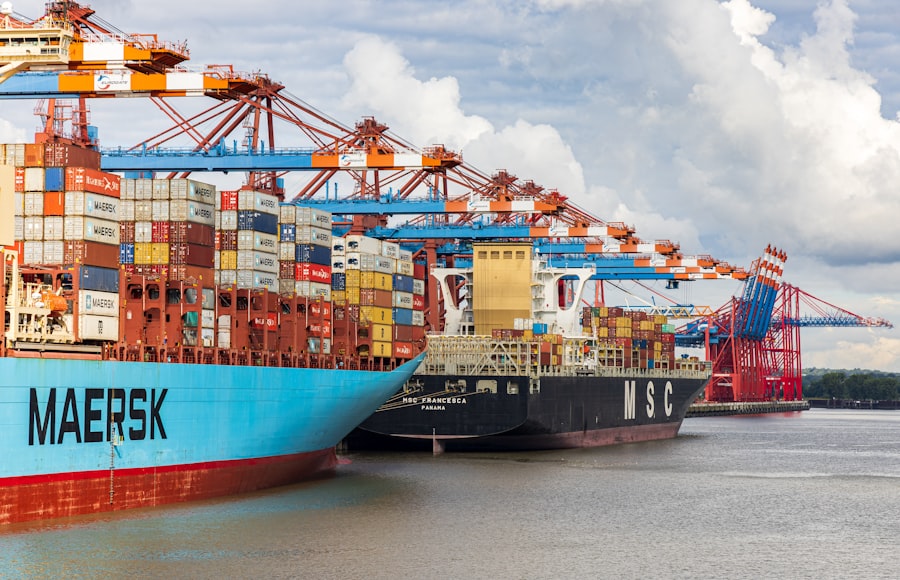
Innovation and technology play pivotal roles in driving sustainable growth. By fostering a culture of creativity and research, societies can develop new solutions to complex challenges such as resource scarcity, pollution, and climate change. Technological advancements can lead to more efficient production processes, reduced waste, and improved resource management.
For instance, smart grid technologies enable better energy distribution and consumption monitoring, while precision agriculture techniques optimize water usage and minimize chemical inputs. Governments and private sectors must collaborate to create an ecosystem that nurtures innovation. This includes investing in research and development (R&D), providing incentives for startups, and facilitating knowledge transfer between academia and industry.
By prioritizing innovation, countries can enhance their competitiveness on a global scale while simultaneously addressing environmental concerns.
Supporting Small and Medium Enterprises
Small and medium enterprises (SMEs) are vital to economic growth and job creation. They account for approximately 90% of businesses worldwide and contribute significantly to employment and GDP. Supporting SMEs is essential for fostering sustainable growth as they often drive innovation and adapt quickly to changing market conditions.
By providing access to financing, training programs, and mentorship opportunities, governments can empower SMEs to thrive. Additionally, SMEs are often more agile than larger corporations, allowing them to implement sustainable practices more readily.
By promoting policies that support the growth of SMEs, nations can stimulate local economies while advancing sustainability goals.
Fostering Entrepreneurship
| Metric | Value | Unit | Year |
|---|---|---|---|
| Gross Domestic Product (GDP) | 21.43 | Trillion | 2023 |
| Unemployment Rate | 4.2 | Percent | 2023 |
| Inflation Rate | 3.1 | Percent | 2023 |
| Consumer Price Index (CPI) | 260.5 | Index | 2023 |
| Interest Rate (Federal Funds) | 5.0 | Percent | 2023 |
| Trade Balance | -0.68 | Trillion | 2023 |
Entrepreneurship is a key driver of economic dynamism and innovation. By fostering an entrepreneurial culture, societies can encourage individuals to pursue new business ventures that address unmet needs in the market. This not only creates jobs but also stimulates competition and drives technological advancements.
Governments can play a crucial role in fostering entrepreneurship by providing access to capital, reducing regulatory barriers, and offering training programs. Moreover, entrepreneurship can be a powerful tool for addressing social challenges. Social enterprises focus on creating positive social or environmental impacts while generating profits.
By supporting these ventures, governments can promote inclusive growth that benefits marginalized communities while contributing to sustainability efforts.
Strengthening Infrastructure

Robust infrastructure is fundamental to achieving sustainable growth. Infrastructure encompasses transportation networks, energy systems, water supply, and communication technologies. Investing in sustainable infrastructure not only enhances economic productivity but also reduces environmental impacts.
For instance, developing public transportation systems can decrease reliance on personal vehicles, thereby reducing greenhouse gas emissions. Furthermore, resilient infrastructure is essential for adapting to climate change impacts.
Governments must prioritize infrastructure projects that incorporate sustainability principles to create long-lasting benefits for communities.
Encouraging Foreign Investment
Foreign direct investment (FDI) is a critical component of sustainable growth strategies. FDI brings capital, technology transfer, and expertise to host countries, facilitating economic development. By creating a favorable investment climate through transparent regulations and incentives, nations can attract foreign investors who are committed to sustainability.
Moreover, foreign investment can help local businesses access international markets and enhance their competitiveness. For example, multinational corporations often bring best practices in sustainability that can be adopted by local firms. By encouraging responsible foreign investment, countries can leverage external resources to support their sustainable growth objectives.
Enhancing Education and Workforce Development
Education is a cornerstone of sustainable growth as it equips individuals with the skills necessary to thrive in a rapidly changing economy. A well-educated workforce is essential for driving innovation and productivity. By investing in education systems that emphasize critical thinking, problem-solving, and technical skills, societies can prepare their citizens for the demands of the future job market.
Workforce development programs should also focus on reskilling and upskilling workers affected by technological advancements or shifts in industry demands. Lifelong learning initiatives can help individuals adapt to changing job requirements while promoting social mobility. By prioritizing education and workforce development, nations can create a skilled labor force capable of driving sustainable economic growth.
Promoting Sustainable Agriculture and Food Security
Sustainable agriculture is vital for ensuring food security while minimizing environmental impacts. Traditional farming practices often lead to soil degradation, water scarcity, and loss of biodiversity. By promoting sustainable agricultural techniques such as organic farming, agroforestry, and permaculture, societies can enhance food production while preserving ecosystems.
Moreover, food security is intricately linked to economic stability. According to the Food and Agriculture Organization (FAO), nearly 690 million people were undernourished in 2019—a number exacerbated by the COVID-19 pandemic. By investing in sustainable agriculture practices that increase resilience against climate change impacts, countries can ensure a stable food supply while supporting rural economies.
Implementing Green Policies and Practices
Governments play a crucial role in implementing green policies that promote sustainability across various sectors. These policies may include regulations aimed at reducing carbon emissions, incentivizing renewable energy adoption, or promoting waste reduction initiatives. By establishing clear guidelines and targets for sustainability efforts, governments can drive collective action towards achieving environmental goals.
Additionally, businesses must adopt green practices that align with sustainability objectives. This includes implementing energy-efficient technologies, reducing waste through recycling programs, and sourcing materials responsibly. By fostering a culture of sustainability within organizations, companies can contribute to broader societal goals while enhancing their brand reputation.
Collaborating with International Partners
Collaboration among nations is essential for addressing global challenges such as climate change and resource depletion. International partnerships enable countries to share knowledge, resources, and best practices in pursuing sustainable growth strategies. Initiatives such as the Paris Agreement exemplify how countries can come together to tackle climate change collectively.
Furthermore, collaboration with international organizations can provide access to funding opportunities for sustainable development projects. By working together towards common goals, nations can amplify their efforts in promoting sustainability while fostering global solidarity. In summary, sustainable growth is imperative for ensuring long-term economic prosperity while safeguarding environmental integrity and social equity.
By investing in renewable energy sources, promoting innovation and technology, supporting small enterprises, fostering entrepreneurship, strengthening infrastructure, encouraging foreign investment, enhancing education systems, promoting sustainable agriculture practices, implementing green policies, and collaborating internationally—nations can create resilient economies capable of thriving amidst global challenges. The path towards sustainable growth requires collective action from governments, businesses, communities, and individuals alike—each playing a vital role in shaping a more sustainable future for generations to come.
In today’s rapidly changing economic landscape, understanding various income streams is crucial for financial stability. One insightful resource on this topic is the article on the Amazon Affiliate Program, which explores how individuals can create passive income through affiliate marketing. You can read more about it in the article titled Exploring the Amazon Affiliate Program: Your Path to Passive Income. This article provides valuable tips and strategies for leveraging online platforms to enhance your financial portfolio.
FAQs
What is an economy?
An economy is a system by which goods and services are produced, distributed, and consumed within a society or geographic area. It encompasses all activities related to the management of resources, production, and trade.
What are the main types of economies?
The main types of economies include market economies, command economies, mixed economies, and traditional economies. Market economies rely on supply and demand with minimal government intervention, command economies are controlled by the government, mixed economies combine elements of both, and traditional economies are based on customs and traditions.
What factors influence economic growth?
Economic growth is influenced by factors such as capital investment, labor force quality, technological innovation, natural resources, government policies, and political stability.
What is GDP and why is it important?
Gross Domestic Product (GDP) measures the total value of all goods and services produced within a country over a specific period. It is an important indicator of a country’s economic health and growth.
How do inflation and unemployment affect the economy?
Inflation refers to the general increase in prices, which can reduce purchasing power. Unemployment indicates the percentage of the labor force without jobs. Both inflation and unemployment impact consumer spending, business investment, and overall economic stability.
What role does government play in the economy?
Governments regulate economic activity through policies such as taxation, spending, monetary policy, and regulation. They aim to promote growth, control inflation, reduce unemployment, and ensure economic stability.
What is international trade and how does it affect economies?
International trade involves the exchange of goods and services between countries. It allows countries to specialize in production, access a wider variety of goods, and can lead to economic growth and improved standards of living.
What are economic cycles?
Economic cycles, or business cycles, are fluctuations in economic activity characterized by periods of expansion (growth) and contraction (recession). These cycles affect employment, production, and consumer spending.
How does technology impact the economy?
Technology drives productivity improvements, creates new industries, and can lead to economic growth. It also changes labor markets by automating tasks and requiring new skills.
What is the difference between microeconomics and macroeconomics?
Microeconomics studies individual consumers, firms, and markets, focusing on supply and demand and price determination. Macroeconomics looks at the economy as a whole, analyzing aggregate indicators like GDP, inflation, and unemployment.